

Find out why regular visits to a groomer are not just about aesthetics, but also support your cat’s health and comfort. Discover the benefits of professional grooming, recommendations for specific breeds, and practical tips on preparing your pet for the procedure.
Table of contents
- Why use the services of a groomer?
- When to visit a groomer with a long-haired cat?
- How to prepare your cat for a groomer visit?
- Health benefits of professional grooming
- Visit frequency for different cat breeds
- The importance of regular grooming for every cat
Why use the services of a groomer?
A professional cat groomer is not just a “hairdresser” but above all a specialist in comprehensive care of fur, skin, claws, and the overall comfort of your pet. Regular visits to a grooming salon help keep your cat’s coat in ideal condition – both for long-haired cats such as Persians or Maine Coons, and short-haired cats, which can also be prone to matting, heavy shedding, or dandruff. A groomer uses tools and techniques tailored to the specific coat type, ensuring that dead hair, undercoat, and dirt are removed much more effectively than during simple home brushing. Properly performed grooming reduces the amount of hair shed in your home, thereby decreasing the hair your cat ingests during self-grooming. This, in turn, significantly lowers the risk of hairballs forming in the digestive tract, which can cause vomiting, constipation, or in extreme cases even intestinal blockages. Professional care also supports the prevention of skin problems: while working, the groomer thoroughly examines the skin and fur, making it easier to spot concerning changes such as redness, scabs, excessive oiliness, dandruff, the presence of external parasites, or allergic reactions. For many owners, this is the first time someone notices subtle symptoms of illness, often undetectable during casual petting at home. As a result, a visit to the groomer can become a vital health checkpoint and the starting point for a veterinary consultation at an early stage of a problem. It’s also important to remember that not every cat tolerates home grooming procedures well – some pets may panic or react aggressively to brushing, nail trimming, or bathing. Experienced groomers use low-stress handling techniques, appropriate holds, towel wrapping, and a calm and balanced working approach to help minimize the cat’s stress. Professional tables, anti-slip mats, quiet equipment, and a thoughtfully organized space contribute to the animal feeling as safe as possible. For many owners, this is a huge relief – instead of struggling with the cat in the bathroom, they can entrust their pet to someone who knows how to react in difficult situations, how to pause the procedure at the right moment when the cat is too stressed, or how to work in stages, gradually accustoming the animal to being touched in sensitive areas.
Using a groomer’s services is also an investment in the daily comfort of the whole family. Brushed, detangled, clean fur tangles much less, doesn’t create painful mats that pull on the skin, and claws trimmed to the right length reduce the risk of snagging curtains, furniture, or scratching children during play. For older, overweight, or mobility-restricted cats (e.g., post-injury, with joint disease), the groomer takes on the “hygiene helper” role, as these animals often cannot reach their rear, underbelly, or tail area. In such spots, dirt, sebum, and dead hair accumulate quickly, leading to unpleasant odors, irritation, and sometimes sores. Professional sanitary trimming, gentle cleaning, and drying guarantee cleanliness and comfort without frequent stressful home baths. The educational aspect should also be emphasized – a good groomer will gladly explain which brushes to use, how often to brush a particular cat, and what to look for during self-grooming. This makes daily home care easier, and salon visits become support for advanced procedures such as thorough undercoat combing, mat removal, or specialized baths for skin problems. From an SEO perspective, it’s worth noting that more people are searching online for “cat groomer near me,” “professional long-haired cat trimming,” or “stress-free cat dematting” – growing owner awareness means that grooming services are no longer seen as a whim, but as a part of responsible pet care. The benefits are many: better coat and skin condition, less shedding and hair around the home, health support, improved comfort and safety for the cat, and relief for owners who can count on a specialist’s help. For many cats, regular contact with a groomer eventually becomes routine, or even a pleasant ritual, especially when the salon is focused on animal welfare, patience, and an individual approach to each feline client.
When to visit a groomer with a long-haired cat?
Long-haired cats such as Persians, Maine Coons, Ragdolls or Norwegian Forest cats require much more systematic care than their short-haired cousins, so regular groomer visits should be a standard part of their care routine. In general, grooming every 4–8 weeks is recommended, though frequency depends on the individual cat’s predispositions: the density of the undercoat, tendency to develop mats, lifestyle, and age. Young, active long-haired cats that groom themselves and are brushed daily at home may do fine with a visit every 2 months. However, for cats with dense, mat-prone coats, thick undercoats, or in brachycephalic breeds (e.g., Persian), visits every 4–5 weeks are often advised to prevent painful matting, skin inflammation, and the need for drastic shaving. Seasonality plays a huge role: during shedding seasons – spring and autumn – long-haired cats lose their undercoat more intensively and hair loss may sharply increase, so planning a visit to the groomer in the middle and just before these cycles is strategic. Professional undercoat brushing and bathing with the right products significantly accelerate coat change, reduce household shedding, and lower the risk of hairballs in the digestive tract, which is particularly important for cats who overgroom and are prone to hairball vomiting.
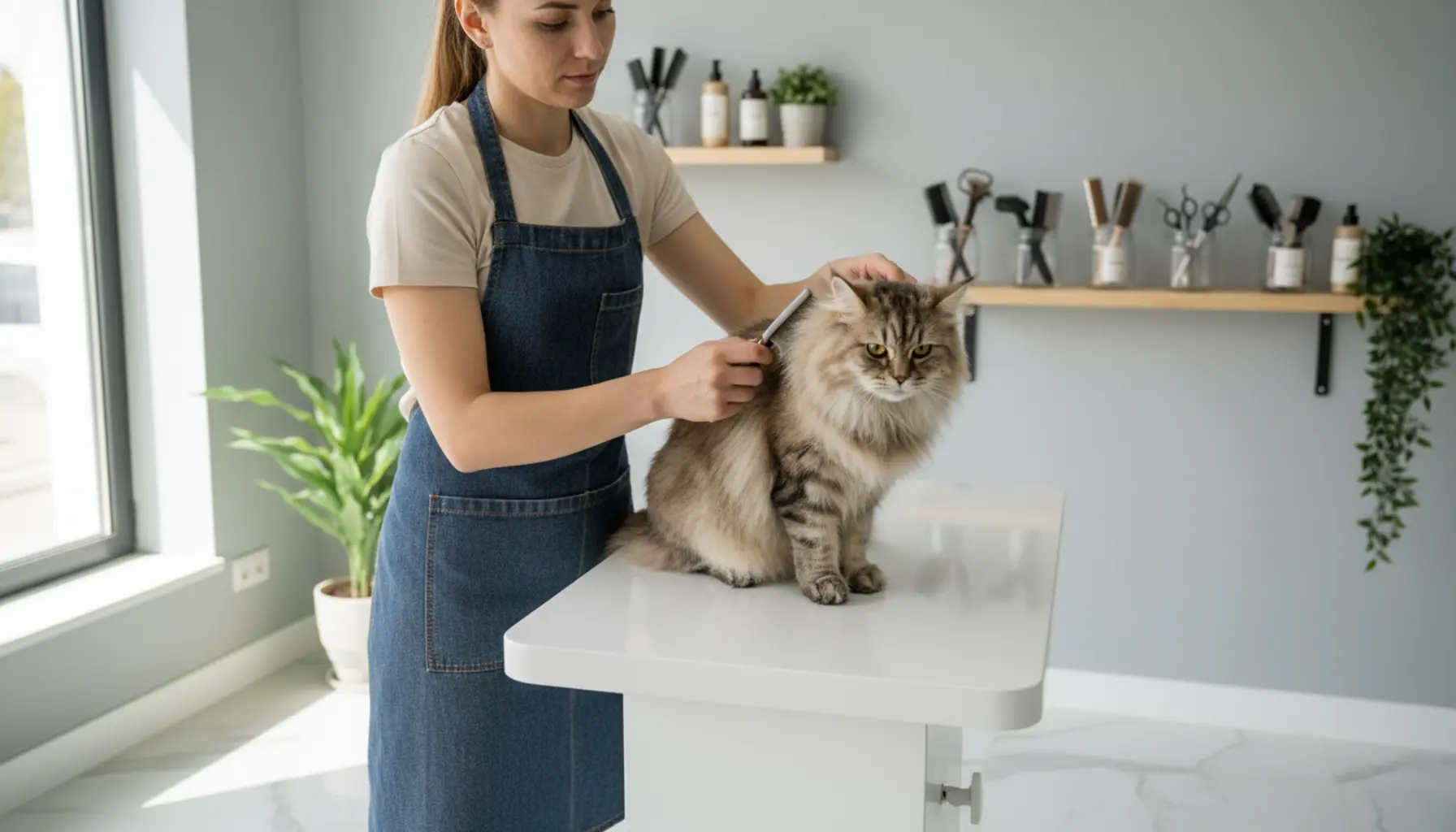
In addition to the regular schedule and seasonal shedding, there are some clear signals that a visit with a long-haired cat should happen as soon as possible. If you notice developing mats – especially under the armpits, in the groin, behind the ears, on the belly, and at the tail base – don’t wait until they become as hard as felt; early intervention allows the groomer to detangle fur without pain or stress, often without using clippers. Fur that starts to look clumpy, dull, greasy, or sticky signals your cat is unable to groom itself properly; this applies especially to seniors, overweight cats, cats post-surgery, or with joint diseases that limit movement. Sudden intensification of unpleasant odors, dandruff, redness, scabs, or excessive scratching are also reasons to see a groomer – a skilled groomer will not only clean and nourish the coat but may suggest a veterinary consultation if they notice worrying changes. It’s wise to plan grooming before major occasions: before a long departure (so a temporary caretaker has less work), before a baby arrives (to reduce shedding), or before a move, when added stress should be avoided. It’s also good practice to acclimate long-haired kittens with gentle early visits at about 4–6 months old – not for a full set of procedures, but so the kitten gets used to touch, the sound of a dryer, and the grooming table. This makes regular adult visits much easier and the whole grooming process less stressful. In summary, instead of waiting for serious trouble, treat your grooming calendar as a routine care element for a long-haired cat, adjusting appointments flexibly to observed coat changes, health, and the seasons.
How to prepare your cat for a groomer visit?
Proper preparation for a groomer visit significantly reduces your cat’s stress, eases the groomer’s work, and makes the process safer and more comfortable. First, gradually accustom your cat to touch in sensitive areas – paws, tail, belly, mouth and ear area. Spend a few minutes daily gently petting and visually “inspecting” the body, rewarding your cat with treats or praise for calm behavior. This prevents your cat from being surprised when the groomer touches paws, parts fur on the belly, or examines the ears. Accustom your cat to basic grooming accessories as well. Start by letting your cat sniff brushes, combs, or a furminator; next, lightly touch the cat with them, and only when the cat is relaxed proceed to short, gentle brushings. Sessions should be brief and end with a reward, ideally when your cat is calm, such as after a meal or playtime. Sensitive cats should also be acclimated to sounds they may hear at the salon – you can play recordings of dryer or clipper noises at low volume, slowly increasing, always associating with pleasant stimuli like treats or stroking. Never force or punish your cat for anxious behavior as that only increases stress and makes future visits harder. An important part of preparation is choosing the right carrier – stable, safe, well-ventilated, and the right size. Leave the carrier open at home for a few days in a quiet place, with a blanket carrying the cat’s familiar scent, so it serves as a “hideaway” instead of a “trap” associated with stressful outings. Place food or favorite toys inside to encourage voluntary entry. Brief, no-stress practice of entering and exiting the carrier makes the appointment day less shocking. Just before leaving, put a familiar blanket or towel from home in the carrier, and if needed, use cat pheromone sprays to help lower anxiety. Don’t give a large meal for several hours before the visit to reduce nausea risk while traveling, but don’t send your cat hungry – a moderate meal and treats at the salon are best for well-being.
Equally important is the owner’s emotional attitude – cats sense human tension strongly. Approach the visit calmly as a regular element of care, not a “crisis.” Nervous preparation, raised voices or rushing may stress the cat needlessly. Plan your schedule to ensure calm, no-fuss departure, not grabbing your cat at the last minute. Before the first visit, contact the groomer and discuss your cat’s individual needs: age, health, any chronic conditions, prior surgeries, and temperament – whether they’re anxious, defensive, wary of strangers, or sociable. This allows the groomer to plan a quieter approach and procedure length, or suggest a vet consult for gentle calming aids if needed. Make sure your cat’s vaccinations, deworming, and flea treatments are current; some salons require proof of health and parasite-free status for hygiene. Prepare a brief list of the intended services: brushing and detangling, bathing, nail trimming, fur correction on the belly or under the tail, ear cleaning, or mat removal in sensitive zones. Think about practical matters, such as fur length after a haircut (especially for long-haired cats), and discuss with the groomer what you absolutely don’t want (e.g., very short shaving, which may leave the skin unprotected). On appointment day, avoid added stress – loud renovations, many guests, or intensive play – to reduce stimulation. On return, provide a quiet post-visit resting spot, fresh water, and access to the litter box; avoid pestering and let your cat choose when to interact. The more consistently and calmly you handle groomer visits, the faster your cat will learn they’re a routine, predictable part of life, not a trigger for uncontrolled fear.
Health benefits of professional grooming
Professional cat grooming is not just about aesthetics but provides real support for your cat’s health, skin condition, and overall well-being. Regular groomer visits allow for early detection of many dermatological issues like inflammation, fungal infections, allergic skin conditions, or external parasites (fleas, ticks, lice) that may be hidden in a thick coat. During bathing, brushing, and drying, the groomer has direct contact with the cat’s body, allowing detailed inspection of the skin, anus area, groin, and between toes – areas rarely checked by owners at home. Early detection means faster referral to veterinary care, stopping minor problems before they become painful or chronic. Carefully chosen grooming products formulated for animals help maintain the right skin pH, reduce dandruff, irritation, or excessive greasiness, and support the skin’s protective barrier, which is vital for cats with sensitive or atopic skin. Professional care greatly improves coat health – thorough combing and removal of dead hair enhances ventilation, reduces matting, and helps evenly distribute skin oils, resulting in healthier, shinier fur. Detangling mats in controlled settings prevents painful skin pulling and micro-injuries caused when owners try to manage the problem with improper tools. Mats often form a “shell” that blocks air flow to the skin, leading to sores, wounds, and infections – groomers remove them gently, often in stages, minimizing injury and stress. Another key benefit is the reduction of hair ingestion. In cats, especially long-haired ones, excessive dead hair in the coat leads to hairballs in the digestive system, resulting in vomiting, constipation, appetite loss, and sometimes requiring surgery. Professional grooming significantly decreases the amount of hair swallowed during self-grooming, supporting digestion and reducing episodes of fur-induced vomiting. For many cats – elderly, obese, with orthopedic or chronic diseases – self-grooming becomes difficult or impossible; the groomer then acts as a “hygiene assistant,” preventing fur soiling with urine or feces, lowering the risk of skin infections, irritation, and the discomfort of bad odor.
Another health benefit of regular grooming is comprehensive care for claws, paws, and ears. Overgrown claws can cause pain on walking, hinder jumping, become ingrown, catch on fabrics, and lead to injuries. Professional trimming, performed with knowledge of feline anatomy, avoids cutting the sensitive living part of the claw, which can be traumatic for the animal. The groomer also assesses paw pads – cracks, excess keratin, or abrasions may signal dermatological problems or unsuitable conditions (e.g., slippery floors, contact with harsh cleaning agents). Grooming includes checking the ears – excess wax, bad odors, redness, or discharge may indicate inflammation, allergies, mites, or yeast infection. Early detection allows quick veterinary intervention, preventing pain, itching, and secondary infections. The groomer may also clean the eye area, especially for brachycephalic breeds (e.g., Persian, Exotic Shorthair) prone to tearing – regular cleaning reduces the risk of irritation, fur discoloration, and bacterial infection. Another bonus of salon visits is their behavioral and emotional impact: calm, respectful grooming relieves chronic stress from itchy skin, mats, or dirt. Cats free of physical discomfort are usually calmer, more playful, eat better, and sleep soundly, which directly supports immunity. Less itching limits compulsive licking and scratching, which can cause self-harm, hot spots, and localized hair loss. Regular check-ups by a groomer, who sees your cat every few weeks, can reveal subtle physical changes – sudden weight loss, gain, or muscle wasting may be the first signs of metabolic diseases, endocrine issues, or joint pain. Finally, less hair in the air improves living conditions for both cat and humans, which matters especially for allergy sufferers. So, professional grooming is a key element of preventive healthcare, combining beauty with real support for your cat’s physical and mental well-being.
Visit frequency for different cat breeds
The frequency of grooming visits depends mainly on the type and density of a cat’s coat, rather than breed alone, so recommendations should be treated as guidelines, not strict rules. Long-haired cats with dense undercoats, such as Persians, Maine Coons, Ragdolls, Norwegian Forest, or Siberian cats, need the most intensive care. For them, grooming every 4–6 weeks is standard, and during heavy shedding periods, every 3–4 weeks to prevent mats, especially around the armpits, groin, belly, and behind the ears. If mats are already present, the groomer may suggest partial trimming or “sanitary shaving,” then schedule more frequent but shorter check-ups. Semi-longhaired cats (like Turkish Vans, Angoras, or some semi-longhair British lines) usually require visits every 6–8 weeks, though individual coat quality is key – those prone to quick matting may need appointments as often as long-haired breeds. Mixed-breed long- or “fluffy” coats follow a similar rule: the denser the undercoat and the harder it is to comb down to the skin, the more frequent the grooming. Short-haired cats (such as European, British Shorthair, Bengal, or Russian Blue) theoretically require less care, but also benefit from regular visits – typically every 8–12 weeks, or more often in allergic households to reduce loose hair and dander. Groomers can provide specialist baths and undercoat de-shedding, clearly reducing household shedding.
Hairless and nearly hairless breeds such as the Sphynx or Peterbald are a different case – while “no fur” seems easy, their skin produces more sebum, accumulating on the skin, in folds, and on bedding. For Sphynxes and similar cats, grooming every 4–6 weeks is recommended, including gentle baths with suitable products, ear cleaning, fold cleaning, and nail trimming. For older, chronically ill (e.g., with kidney failure, diabetes, obesity) or movement-restricted cats – regardless of breed or coat length – grooming frequency should be increased to compensate for their lack of self-care. For these cats, appointments every 4–6 weeks help maintain hygiene in the perianal area, groin, and belly, prevent soiling and matting, and allow for early detection of skin or parasite issues. Kittens should be socialized with grooming by 4–6 months old – initially with acclimation visits every few months, which can transition to a regular, coat-type-appropriate schedule. Besides breed and age, lifestyle also matters: outdoor or garden-enclosure cats get dirtier and may need bathing and skin checks every 4–8 weeks, while typical “sofa cats,” brushed at home, do well with appointments every 8–12 weeks. Always discuss an individual care plan with your groomer and observe your cat’s signals: increased shedding, dull coat, difficulty combing to the skin, mats, greasiness, bad odor, or grooming problems. When in doubt, increase visit frequency and adjust the schedule flexibly to shedding cycles, health, and temperament, rather than allow routine to slip until radical clipping is needed due to severe matting.
The importance of regular grooming for every cat
Regular grooming is essential for every cat, regardless of coat length, age, or lifestyle, as it affects not just appearance but skin health, digestion, joints, and mental well-being. Cats are considered extremely clean animals, but their self-grooming has limits – especially for long-haired, older, obese, chronically ill, or orthopedic issue cats. Without regular detangling, mats form thick, compact masses that restrict skin ventilation and cause pain, sometimes leading to irritation, inflammation, or even wounds and infections requiring a veterinarian. Regular visits to the groomer prevent this – systematic dead hair removal and gentle brushing prevent mat formation, improve skin blood flow, and support its defensive function. This is especially important during periods of heavy shedding, when dead hair quickly clumps. Grooming also plays a huge role in preventing hairballs in the digestive tract. While grooming, cats ingest a lot of hair, which can form bezoars, leading to vomiting, constipation, appetite loss, or, in severe cases, bowel obstruction. Professional brushing reduces loose hair to be swallowed, and lets the groomer assess coat condition and recommend supplements or products for skin and hair health. Proper grooming helps regulate a cat’s body heat – thinning the undercoat improves air circulation near the skin, aiding cooling in summer and insulation in winter. As a result, cats are less likely to overheat, seek extreme cold, or struggle to regulate body temperature.
Routine grooming also has clear behavioral and social benefits. For many cats, touch, brushing, and gentle massage are positive stimulation that, with the right approach, reduce tension and build feelings of security. Regular groomer visits accustom cats to new stimuli, scents, and situations, helping them better cope with stressful experiences like vet appointments or travel. Cats socialized from a young age to being brushed, blow-dried, or handled in sensitive spots (paws, tail, belly) usually tolerate medical procedures better, are less fearful, and rarely react with defensive aggression. Regular grooming is also a periodic “technical checkup” of the cat’s entire body – during each session, lumps, thickening, sore spots, muscle wasting, or patchy fur loss can point to hormonal or allergic issues. Checking eyes, ears, paws, and the anal area can reveal discharge, inflammation, signs of parasites, overgrown claws, or cracked pads before they become serious. Indoor cats also benefit from a cleaner living environment – less fur on floors, furniture, and in the air, especially important in households with allergy sufferers or sensitive respiratory tracts. Consistent grooming reduces dust, dirt, and allergens that stick to fur. Stronger owner–cat bonds are another benefit, as well-groomed, soft, tangle-free fur invites petting and physical contact. Grooming routines can be tailored to each cat’s needs, regardless of breed: shorthair cats need less frequent but regular dead hair removal and skin checks; semi-longhairs need systematic brushing for tails and “pantaloons”; longhairs need intensive, multi-step sessions including detangling, bathing, drying, and styling. In this way, grooming becomes a fixed, beneficial care routine that supports health, comfort, and behavior, while making daily home care easier.
Summary
Regular visits to the groomer are an investment in every cat’s health and quality of life. A groomer will care for coat and skin cleanliness, which is especially important for long-haired breeds. Preparing your pet for a visit and choosing the right frequency of services can significantly impact your cat’s health and well-being. Professional grooming is not just a luxury, but an essential part of responsible pet care.

