

Cat safety at home is not just a matter of convenience, but above all, about protecting the health and life of your pet. Discover the most important risks that await your cat in the apartment and learn how to effectively prepare the space to be both safe and comfortable for your four-legged housemate.
Learn about the most important hazards for cats at home and find out how to prepare your apartment to ensure complete safety and comfort for your pet!
Table of Contents
- Most Common Hazards for Cats at Home
- Toxic Plants and Products – What to Avoid?
- Dangerous Objects and Places in the Apartment
- Protecting the Cat from Chemicals and Toxic Substances
- Securing Windows, Balconies, and Doors
- Practical Tips: Create a Safe Space for Your Cat
Most Common Hazards for Cats at Home
While many people associate apartments with a safe haven for cats, in practice they are full of traps we often don’t notice. One of the most serious risks is windows and balconies—especially those tilted or ajar. A cat may attempt to squeeze through an open window, become stuck, and suffer serious spinal injuries or suffocation. An unsecured balcony or high window is also a risk of falling during hunting for birds, flies, or just due to curiosity; the so-called “cat reflex of landing on four legs” does not always prevent fractures or internal injuries. There are also many dangers in the kitchen and bathroom. A gas or induction stovetop, hot after cooking, may burn paws, while pots with boiling water or soup pose a real risk of severe burns if the cat jumps onto the counter. Kitchen and bathroom cabinets often contain detergents, bleach, pipe cleaners, or glass cleaners — their ingestion or contact with mucous membranes can cause poisoning, chemical burns, vomiting, seizures, or internal organ damage. Sharp objects—knives, graters, broken glass, needles—within the cat’s reach may result in deep cuts, paw pad injuries, or ingestion of small parts. Few people realize that seemingly innocent houseplants also pose a serious threat. Popular species such as lilies, dieffenbachia, peace lilies, philodendron, oleander, sansevieria, or zamioculcas are poisonous to cats—their chewing or licking can cause drooling, vomiting, diarrhea, mouth swelling, and even kidney or heart damage. Plant poisoning can be insidious; the first symptoms may be nonspecific, and the owner often does not associate them with the plant on the windowsill. Even the soil in the pot, enriched with fertilizers or pesticides, can be dangerous if the cat eats it or digs in it. Another risk group includes cables and electrical devices. Young, energetic cats like to chew on cables—especially the thin ones from chargers, lamps, or headphones—risking electric shock and oral burns. Tangled wires lying on the floor or hanging behind the desk are also potential “toys” that the cat can get caught in, knock over heavier equipment, or tip a monitor or TV. A TV placed on an unstable stand, a tall tower speaker, or a heavy lamp may fall on the cat if it tries to climb them. A hidden but common hazard is small objects scattered around the apartment: hair bands, strings, yarn, ribbons, plastic caps, pieces of children’s toys, coins, paper clips, safety pins, or small screws. Swallowing them may cause intestinal blockage, gastrointestinal perforation, and in the case of long threads—a dangerous intestinal torsion requiring immediate surgery. Cats often play with plastic bags as well—posing not only a risk of suffocation if they become entangled in the handle, but also choking if the cat bites off and swallows a piece of foil.
Particularly dangerous situations also occur in contact with food and drinks intended for humans. Many products completely safe for people can cause severe poisoning in cats: chocolate, onion, garlic, leek, grapes and raisins, xylitol (sweetener in chewing gum and “fit” sweets), alcohol, caffeine (coffee, tea, energy drinks), as well as some spices, heavily seasoned cold cuts, and fatty table scraps. Wine glasses, unfinished cocktails, open beer cans, or sauce leftovers left on the table may attract a curious cat licking the food or drink—the result can be poisoning, dehydration, vomiting, diarrhea, disturbances in heart or nervous system function. Other household chemicals are dangerous too: scented diffusers, essential oils in fragrance burners, air freshener sprays, insecticides, rodenticides, windshield washer fluids, paints, solvents, and glues are toxic to cats both if ingested or inhaled. Candles and scented oil burners are also risky—a curious cat can easily knock over a burning candle, causing a fire or burning itself. Contrary to appearances, even pieces of furniture that seem safe, such as shutters, interior doors, folding sofas, beds with storage, washing machines and tumble dryers, or dishwashers, may cause the cat’s paw, tail, or entire body to become trapped, or the cat to be accidentally locked inside for hours. In homes with small children, there is an additional danger—small toys, plastic building blocks, toy guns with pellets, modeling clay, crayons, or paints that the cat can chew or swallow. Don’t forget the possibility of threats from other animals—not all dogs, rabbits or rodents accept a feline housemate, and improper introduction or lack of supervision can end in bites, scratches, or chronic stress, which itself weakens the cat’s immunity and can lead to illness. Many of these risks increase in exceptional situations, such as during renovations (scattered nails, screws, sharp tools, plastic film, paints, noise) or a move, when the cat is more stressed and prone to escaping, hiding in hard-to-reach places, or chewing and clawing unusual objects. All this means that what seems a cat-friendly house can hide many dangers unless it is properly thought through and prepared from the feline occupant’s perspective.
Toxic Plants and Products – What to Avoid?
Toxic plants and products present in our homes are among the most serious and yet often underestimated threats to cats. Many popular houseplants appear harmless but contain compounds that can cause poisoning, kidney, nervous system damage, or even death in cats. The most dangerous include lilies (all parts of the plant, even the pollen, can lead to acute kidney failure), dieffenbachia (causes severe oral irritation, drooling, tongue swelling, and breathing difficulties), philodendron, monstera, zamioculcas, poinsettia, oleander, aloe (healthy for humans, toxic to cats in leaf and sap form), Ficus benjamina, peace lily, sansevieria, and common ivy. Even cut flower bouquets, especially those with lilies, tulips, daffodils, hyacinths, or narcissus, pose real danger—a cat may eat petals, leaves, or even drink the water from the vase that contains toxins. Cats are curious and often nibble on leaves out of boredom or “tasting,” so putting the plant higher up is not enough—it’s best to completely give up on toxic species or replace them with safe alternatives such as spider plant, areca palm and parlor palm, wandering Jew, basil, or catnip. It helps to make your own list of houseplants and compare it with current toxic plants lists (e.g. veterinary organizations’ lists) and consistently replace dangerous ones with safe ones. If you live with others, inform them that spontaneously buying an “attractive pot plant” without consultation may cause severe poisoning—shared rules for plant selection are key to safety.
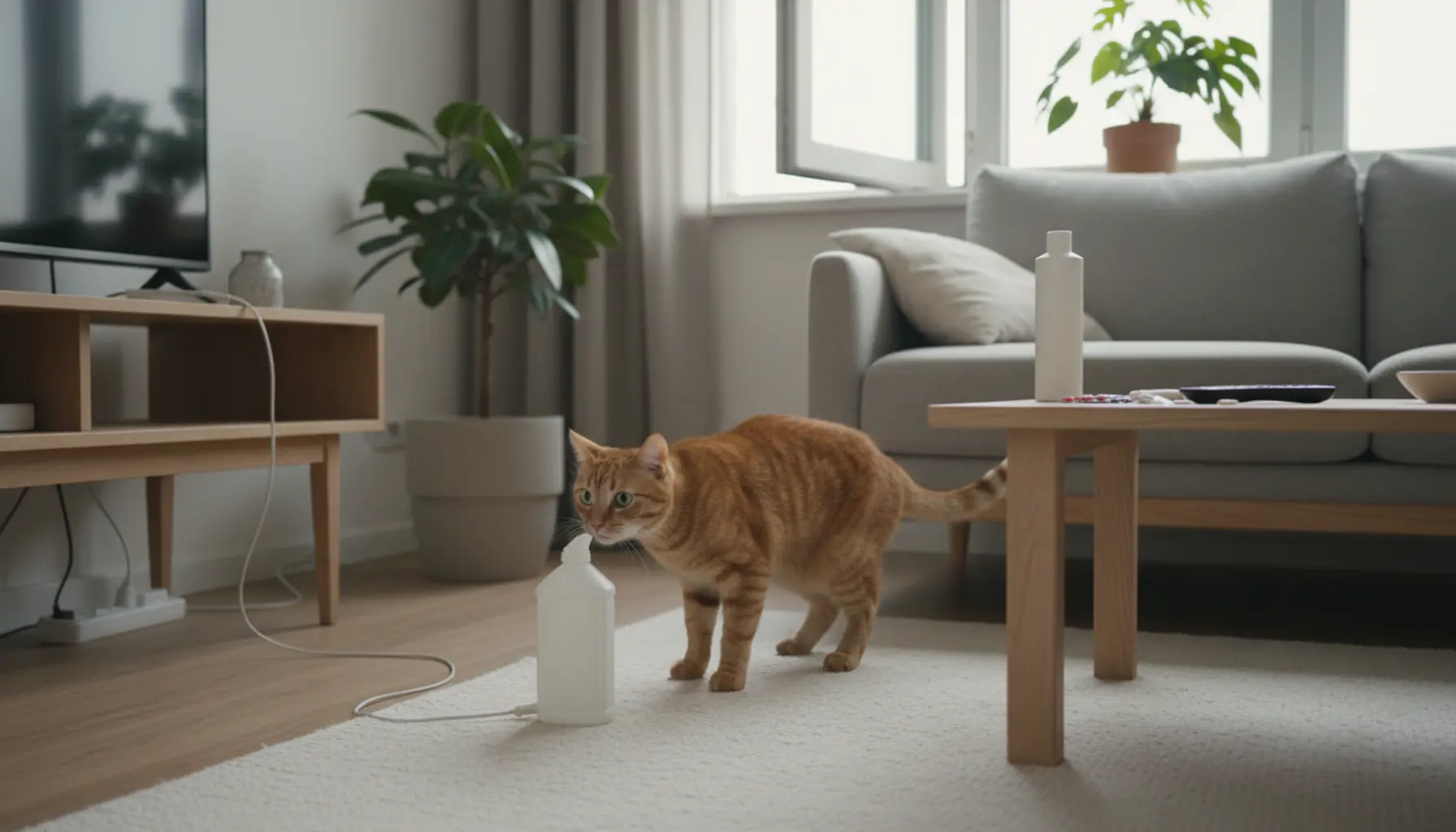
The second equally significant category is toxic foods and chemicals that the cat can eat or lick off their paws or fur. In the kitchen, the main dangers are: chocolate (theobromine damages the nervous system and heart; the darker the chocolate, the more dangerous), caffeine (coffee, tea, energy drinks), onion, garlic, leek, and chives (cause red blood cell damage and anemia), grapes and raisins (can lead to kidney failure), alcohol (even small amounts of beer, wine, or liquors), xylitol and other sweeteners in “fit” sweets and chewing gum (they cause a rapid drop in blood sugar and liver damage), as well as raw yeast dough (ferments in the stomach, producing alcohol and gases). Also inadvisable: heavily spiced food, poultry bones that easily break into sharp fragments, fatty meats, fried table scraps, and dairy products, which often cause diarrhea and stomach pain in cats. In practice, this means monitoring the kitchen top, table, and trash can—never leave food unattended within the cat’s reach, store products in closed cabinets or containers, and discard leftovers and cores into a closed bin immediately after cooking. Chemicals are just as dangerous: floor cleaning detergents, bleaches, toilet cleaners, dishwasher rinse aids, glass cleaners, descalers, insect and rodent poisons, as well as essential oils (especially tea tree, eucalyptus, cinnamon, clove, pine, mint, and citrus). Cats inhale their fumes from sprayed sofas or diffusers and can also ingest them from their fur or paws, which often ends with vomiting, seizures, liver, and respiratory damage. Secure all bottles in closed cabinets, don’t dilute strong chemicals “by eye,” and thoroughly rinse surfaces after cleaning before letting cats walk on them. Avoid using aerosols and essential oil diffusers in small, poorly ventilated rooms where the cat spends most of its time. If in doubt whether a product is safe, it’s better to err on the side of caution and not use it in the presence of the animal, and in case of suspected poisoning (drooling, vomiting, diarrhea, apathy, dilated pupils, muscle tremors, breathing difficulties, blood in urine or stool), immediately contact a veterinarian, taking the plant, food product or chemical suspected with you—quick action increases a cat’s chance for full recovery.
Dangerous Objects and Places in the Apartment
Every apartment has places that are neutral from a human viewpoint but can be potentially deadly traps for cats. The kitchen and bathroom are particularly critical—they concentrate many stimuli, scents, and objects that spark feline curiosity. In the kitchen, the main dangers are hot induction and gas hobs (the cat can jump onto the counter just after cooking and touch the still hot surface), open ovens and dishwashers into which the cat can sneak when doors are left ajar. Additional threats include sharp objects—knives, graters, glass, and tins with sharp edges left in reach. Food scraps also often end up on the kitchen floor, possibly containing bones, fish bones, or spices harmful to cats—so regular cleaning here is not only a matter of order but also safety. In the bathroom, pay attention to open toilets, bathtubs, and showers—small cats can fall into the water, be startled, slip on wet surfaces, and suffer injuries. Washing machines and tumble dryers are also dangerous: the warm interior may seem like an inviting nap spot for a cat; so always check the drum before every use. Cleaning agents stored on the bathtub rim, on the washing machine, or in open cabinets are also a risk—spilt fluid, laundry pods, toilet gels, or deodorant blocks are real risks of poisoning or chemical burns of the skin and mucous membranes. Another group of dangerous places are any cracks, gaps, and spaces behind furniture, electronics, and household appliances. Cats, especially young and slim ones, can squeeze into surprisingly narrow places: behind the fridge, under the kitchen cabinet, behind the washing machine, into the sofa frame, or into unfinished built-in elements. There they face sharp edges, fan elements, heating parts, and most of all, tangles of cables, which can be chewed or get tangled in their fur. Remember about spaces under mattresses, in drawers, cracks between the window and windowsill, or in open wardrobes—accidentally locking the cat in such a place without water or a litter tray can cause severe stress or even heatstroke in hot spaces. Furniture with folding mechanisms, like sofa beds, recliners, or beds, can also be dangerous—a cat can hide inside, and unfolding or folding the furniture can cause crushing. To prevent such situations, limit access to certain rooms, shield the back of furniture with boards or mesh, and rethink the layout to minimize the number of “cat hiding spots.”
Hazards also lurk in everyday objects that from a cat’s viewpoint are fascinating toys. The most common are strings, threads, ribbons, elastic bands, balloon ribbons, gift decorations, blind cords, and plastic bags—cats often play with and bite them, swallowing bits. Foreign objects in the digestive tract can cause intestinal blockages, requiring urgent surgery. Especially dangerous are so-called “linear foreign objects” (long threads, ribbons, hair), which can “saw” through the intestinal wall from the inside. Also risky are small items: buttons, beads, safety pins, earrings, rubber cable ends, bits of children’s toys, plastic shower curtain balls, or silicone earplugs—a cat may swallow or get them stuck in its mouth. Never leave sewing needles, pins, fishing lines, and hooks in the cat’s reach, as swallowing them often results in serious esophageal, stomach, and intestinal injuries. Pay attention to decorative furnishings: long tablecloths, lightweight curtains, light strings, standing lamps—agile cats can catch them with a paw or claw, causing heavy items to fall or glass to shatter. Cat homes should also have secure windows and balcony doors—beyond the risk of falling, a cat can become wedged in a tilted window in a “wedge” position, which is life-threatening. Chemical storage closets, garages, basements, attics, or tool rooms can also be dangerous: solvents, paints, glues, greases, caustic cleansers, rodent and insect poisons, as well as batteries or accumulators are extremely toxic even in small amounts. Don’t forget the hazards related to high places—shelves, upper parts of cabinets, fridges, and window sills near unsecured windows. Cats love observing the world from above, but jumping from unstable, slippery furniture, or when startled by a loud noise can end up with fractures and sprains. From a safety perspective, it’s worth creating controlled, stable “lookout spots” (cat shelves, floor-to-ceiling trees), while limiting access to unstable structures holding heavy or glass objects. Organizing the space—storing small items in containers, mounting cables in trunking, securing cabinets and appliances, along with habits like closing washing machines, toilets, balconies, keeping sharp and small objects out of reach—significantly reduces situations in which natural cat curiosity can turn into a serious accident.
Protecting the Cat from Chemicals and Toxic Substances
Household chemicals are among the most serious but also the most underestimated dangers for cats in the home. Many everyday products—from floor cleaners, bathroom products, to air fresheners and essential oils—contain irritating, caustic, or neurotoxic substances for animals. Cats are particularly sensitive to them, having a delicate respiratory system, sensitive skin, and a habit of grooming their fur, which makes it easy for toxins to enter the body. The most dangerous are concentrated detergents, bleach, pipe cleaners, insecticide sprays, oven cleaners, toilet gel and blocks, ammonia-containing window cleaners, and carpet/tapestry cleaners that linger long in fabrics. Not only drinking these substances but also inhaling fumes or contact with bare paws followed by grooming can be dangerous. A safe home should begin with reviewing all chemicals and separating essentials from the dispensable—the less chemistry at home, the lower the risk. Store all detergents and technical products in locked cabinets or rooms inaccessible to cats: this applies not only to classic household chemicals, paints, varnishes, solvents, windshield fluids, radiator coolant (especially dangerous ethylene glycol is sweet-tasting and attracts animals), as well as rodent and insect poisons. Don’t rely solely on push-closed doors—cats can open them with a paw or jaw—use child locks instead. It’s also worth developing a habit of closing bottles and cans immediately after use and wiping up spills before the cat can sniff or lick. While cleaning, isolate the animal in another room and open windows to maximize ventilation and lower airborne fumes. After mopping floors, cleaning surfaces, or carpets, remember—cats touch them much sooner than people; if it’s still damp and smells chemical, the animal shouldn’t walk on it.
Pay extra attention when using products in aerosol, mist, or highly fragrant concentrate form — air fresheners, antibacterial sprays, shoe deodorizers, glass cleaners, and popular essential oil diffusers. Though natural oils sound “healthy,” many (tea tree, eucalyptus, clove, cinnamon, citrus) are highly toxic to cats and can cause neurological disorders, liver damage, convulsions, or death. Vapors spread through the apartment, so even if the diffuser is “out of reach,” the cat inhales and absorbs them through the skin and fur. Safer alternatives for scent-sensitive cats are frequent ventilation, air filters, and minimizing the use of perfumed products. Take care also with chemicals used on balconies, terraces, basements, or garages—wood preservatives, mold-prevention agents, herbicides, and fertilizers must be completely inaccessible to the cat, and after use, the cat should not enter the area for the time indicated on the label (often longer than assumed). Protecting cats from toxins also means being aware of human cosmetics and medicines—creams with ibuprofen or salicylates, pain ointments, joint products, antidepressants, sleeping pills, supplements, as well as mouthwashes, skin disinfectants with alcohol or chlorhexidine should not be left on countertops, nightstands, or bags on the floor. Cats can easily knock them over, spill, or lick them if they leak onto a surface. Key preventive steps include reading labels and choosing “pet-safe,” “non-toxic” or milder ingredient products—while not 100% safe, this drastically reduces risk. Train all household members, including children and guests, not to spray deodorants, hairsprays, or cleaners near the cat, and not to leave open packaging within sight or paw’s reach. If you suspect your cat has come into contact with a hazardous substance—licked foam off the floor, stepped in detergent, licked their paws after walking on just-cleaned surfaces, or suddenly shows drooling, vomiting, breathing problems, or odd behavior—immediately rinse the coat and paws with lukewarm water (without using additional chemicals) and contact your veterinarian right away, taking the packaging of the substance to assist suitable treatment.
Securing Windows, Balconies, and Doors
Open windows, tilted balcony doors, and poorly secured exits are among the greatest risks for cats in apartments. Even if a cat seems “cautious” and timid, a sudden stimulus—like a flying bird, street noise, or fireworks—can make it jump out or try to squeeze through a tiny gap. Tilted windows are particularly dangerous, as a cat can become wedged in the so-called “scissors”, often resulting in serious injuries or suffocation. That’s why the basic rule of a safe home is to treat every open or unsecured window and balcony as a real, permanent hazard zone. Remember, cats don’t always “land on their feet,” and even if they do, falling from a height can mean fractures, internal injuries, or diaphragm rupture—so-called high-rise syndrome. Window and balcony door security should be planned as carefully as socket childproofing—with the assumption that sooner or later the cat will test home boundaries. The most popular and effective solution is special protective nets installed in window frames or on balconies. They are made of nylon, polyethylene, or metal; what matters most is their tensile strength and UV resistance so that the material doesn’t deteriorate under sun exposure. When choosing a net, consider the mesh size—it should be small enough so even a slim or young cat cannot get its head through. For cats with a strong climbing instinct, reinforced nets marked “for cats” or “pet-proof” are recommended. Also, the mounting is vital: the net must be taut and firmly attached to the frame or wall with pegs, hooks, and aluminum profiles—not just taped. In rental flats where drilling is not allowed, non-invasive systems can be used—such as pressure-mounted frames for balconies or aluminum-profile frames wedged into the window recess. Always make sure the solution is removable without leaving marks—important for landlords.
In addition to nets, there are many extra precautions to increase safe daily window and door use. Locking mechanisms for tilting and openers that limit how widely a window opens (installed in window fittings) let you vent rooms while minimizing the risk of the cat getting out; however, tilted windows always remain risky, so for unsupervised or long-term airing, it’s safer to close them completely. There are also special locks for tilt windows resembling a “wedge” or V-profile installed to prevent the cat from entering a dangerous gap. Balcony doors can be fitted with mesh screens in aluminum or plastic frames—when well-fitted, they protect against both insects and the cat wandering onto a non-secure balcony. For open balconies and loggias, full protection often requires netting stretched from floor to ceiling or from railing to ceiling, and sealing gaps by the floor through which a small cat or kitten might pass. If the balcony is low, consider extra rails or plexiglass panels to prevent climbing on the original guardrails. Entry doors are another hotspot—especially in flats where the cat tries to escape to the stairwell. Here, hydraulic closers, inner gates, or additional barriers may help, along with making it a habit for everyone to close the door fully and immediately. Analyze everyday situations: receiving packages, ventilating with the door open, bringing in groceries—these are moments when cats often try to slip out unnoticed. A good practice is to close the cat in another room while opening doors. Regardless of chosen technical solutions, regularly check the condition of protections: net tightness, hook stability, cracks in mesh frames, or loose screws. Once-installed safety measures are not “forever” — intense sun, frost, moisture, and daily use degrade materials over time. Also consider your cat’s personality: very active, fearful, or young cats may try to bite or climb nets or tear at mesh screens—requiring stronger (often metal) solutions and extra careful assembly. By consciously securing windows, balconies, and doors, you can significantly reduce the risk of accidents without sacrificing fresh air and natural light at home.
Practical Tips: Create a Safe Space for Your Cat
To create a cat-safe apartment, start by thoroughly “walking” through all rooms from the animal’s perspective. The cat moves on several levels—floor, furniture, windowsills, cabinets—so each should be analyzed for potential threats. In practice, this means organizing counters and shelves previously used for vases, candles, glass, or small decorations—items easily knocked over and potentially dangerous to the cat. Adopt a “clean countertop” policy in the kitchen and bathroom, and always keep sharp objects (knives, graters, scissors, needles, tools) in drawers or lidded containers. Secure the washing machine, dryer, dishwasher, oven, and cabinets—cats love getting inside and may be accidentally trapped; a good habit is to always check inside before use. In the bathroom, get into the habit of lowering the toilet seat and closing the door if you’re using aggressive cleaning chemicals. In hallways and entrance areas, make sure shoes with mud, salt, waterproofing chemicals, or car fluids aren’t an enticing “snack” for cats—store them in a closed cabinet or on a higher shelf. Another practical step: organize wires and cables—use covers, conduits, or special cable protectors, and always put chargers away in a drawer after unplugging them. In the living room and bedroom, rethink furniture arrangement to minimize deep, narrow cracks between cabinets and walls, or between the bed and floor, where a cat could get stuck or be difficult to rescue in case of emergency; plug these with boards, foam plugs, or extra furniture modules. At the same time, rather than frustrate your cat with constant “off-limits” zones, provide attractive, legal places to explore: stable scratchers with shelves, wall shelves with anti-slip mats, cardboard hideouts, or tunnels. This gives your cat alternatives to dangerous heights and places where you want to restrict access.
A safe space is not only about removing hazards but also about thoughtfully equipping the apartment with elements that meet the natural needs of the cat, without causing injury or stress. Set up the litter box in a quiet, easily accessible spot, away from noisy appliances (washing machine, vacuum cleaner) and busy areas—a cat that feels safe using the litter tray is less likely to seek alternatives around the house. Food and water bowls should be placed away from the litter box and spots used for cleaning or cooking, and offer water in multiple places around the flat; many owners observe that cat fountains encourage more drinking, but it’s important to regularly clean the filter to avoid bacteria. Pick toys without small, easily detachable parts (eyes, bells, plastic bits), and store wand toys with strings or feathers in a drawer after play—they can be bitten or swallowed without supervision, risking intestinal blockage. Rethink placement and type of bedding: one in a quiet, shaded place and another higher up—such as on a wardrobe or shelf—for the cat to feel safe and observe from above. If there are children or other animals at home, create “cat only” zones—barriers, gates, or tall shelves just for your pet—so it can retreat when overwhelmed. When implementing these solutions, the caregiver should also maintain a daily routine: fixed feeding times, play, litter cleaning, and reducing sudden, intense stimuli (loud music, unexpected guests, frequent redecorating) to help lower fear levels. A less anxious cat is less prone to risky behaviors like sudden escapes, panic jumps, or destructive tendencies. Periodically—every few months or when redecorating—conduct a “safety review”: check netting in windows/balconies, fastenings of scratchers and shelves, stability of tall furniture, expiration of anti-parasitic treatments and animal medicines, and see if the cat has found new “holes” or passages (e.g., behind furniture, pipe cutouts, the basement, stairs). Conscious, regular safety checks ensure that the home is not just free of obvious dangers but is a friendly, predictable environment where a cat can safely explore, hunt, and rest without risking its health.
Summary
A safe home for your cat guarantees its health and long life. By avoiding toxic plants, harmful chemicals, and eliminating potentially hazardous places and objects, you minimize the risk of accidents and poisonings. Properly securing windows and balconies and regularly checking your space will let you enjoy peace of mind, knowing your cat lives in a friendly environment. Implementing the practical tips from this article will make your home a true zone of safety and comfort for your feline friend.

