
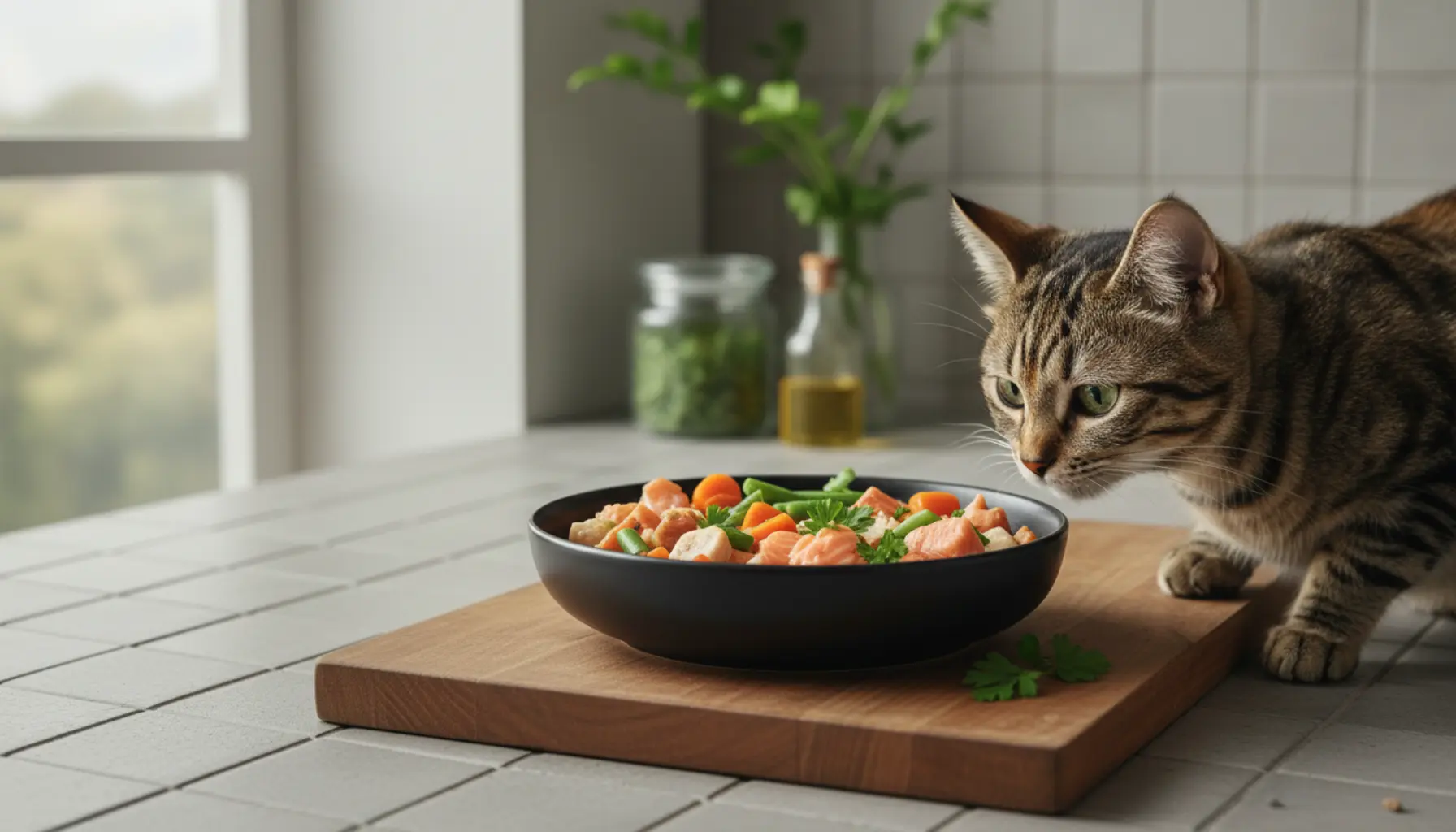
Cats are unique animals that require a well-balanced diet rich in meat and key nutrients. Learn how to ensure a healthy diet for your pet, avoid the most common mistakes, and discover practical tips on choosing food and planning meals.
Find out what and how to feed your cat, which ingredients are crucial for its health, and which products to avoid. Check out this practical nutritional guide!
Table of Contents
- Basic principles of cat nutrition
- How much and how often should you feed a cat?
- Meat, protein, and key nutrients
- Wet food, dry food, or a homemade diet?
- What should a cat not eat? List of forbidden products
- How to ensure a healthy and balanced diet for your cat?
Basic principles of cat nutrition
The foundation of proper cat nutrition is understanding that a cat is an obligate carnivore whose body is adapted primarily to digesting animal-based protein and fat. This means high-quality animal protein—from meat, organs, or sometimes fish—should be the key in a cat’s diet, rather than grains, legumes, or other fillers. On the label of a complete cat food, meat (e.g., chicken, turkey, beef, rabbit) should be listed first, and ideally the percentage of meat and organs will be specified. Cats also require specific nutrients they cannot synthesize in sufficient quantities, such as taurine, omega-3 and omega-6 fatty acids, animal-derived vitamin A, or certain B vitamins. An excess of plant components or low-quality products can lead to deficiencies, heart issues, vision problems, poor coat condition, and a weakened immune system. Properly balanced cat food must meet “complete” (full-ration) requirements—meaning it contains all essential nutrients in the right proportions, adapted to the animal’s age, body weight, activity level, and health status. Thus, kitten food (with increased protein, energy, calcium, and phosphorus content) will differ from foods for adult cats maintaining their weight, and will be different again for older cats with reduced activity or chronic illnesses such as chronic kidney disease, diabetes, or obesity. Remember that cats have small stomachs and in the wild eat many small meals a day—so, instead of two large portions, it’s better to provide 3–4 smaller feedings per day (or more, using an automatic feeder or measured dry food). This helps maintain steady energy, prevents binge hunger, and encourages more natural behavior. Regularity also matters—feeding times should be as consistent as possible, giving your pet a sense of security and daily routine. Portion sizes shouldn’t be guessed—always rely on the manufacturer’s recommendations (adjusted for the actual or target weight of the cat), then observe body condition and gradually adjust if necessary. The ideal cat silhouette means ribs are palpable (but not visible from afar), the waist is slightly marked from above, and there’s a gentle abdominal tuck from the side. Excess treats, table scraps, and “feeding out of pity” quickly lead to overweight, which in turn promotes diabetes, joint issues, heart problems, and reduces lifespan. Treats shouldn’t exceed about 10% of the cat’s daily caloric intake; choose healthy, meat-rich snacks, not those based on grains, sugar, or artificial colors.
Another equally important principle is proper hydration and balancing the type of food—wet, dry, or a mixed diet—depending on the cat’s needs and health. Cats naturally have a low thirst drive, as in the wild they source most water from their prey; a dry-food-only diet is risky for many cats, especially those reluctant to drink. Wet food (cans, pouches) boosts hydration, supports urinary and kidney health, lowering the risk of crystaluria, bladder stones, and recurring UTIs. Dry food is more energy-dense and convenient to store, but it requires careful portion control and constant access to fresh water, ideally in several bowls across the home or a fountain, which often encourages cats to drink more. Regardless of type, quality is key: avoid products listing vague “animal products” first, excessive grains (e.g., wheat, corn), and added sugars. Look at not just the percentage of meat, but also the presence of taurine, correct calcium-to-phosphorus ratio, fat content adjusted to your cat’s activity, and information as to whether the product is “complete” (for everyday feeding) or “supplementary” (e.g., pouches with meat chunks in sauce, requiring pairing with other complete foods). Gradual diet changes are also crucial—suddenly switching foods can cause diarrhea, vomiting, or refusal to eat. Introduce the new food over 7–10 days, mixing it in increasing proportions with the old (e.g., day 1: 10% new, 90% old, increasing daily). Food should always be fresh: store opened wet food in the fridge and use within 24–48 hours; protect dry food in a sealed container to avoid fat spoilage. Clean bowls daily to avoid bacterial buildup and odors that can deter cats from eating. Also, keep feeding and litter box areas separate—bowls with food and water belong in a quiet place, away from noise, heavy foot traffic, and litter areas, as cats instinctively avoid eating near waste. Finally, nutrition should be tailored to the individual: not every cat thrives on the same food or schedule. Monitor coat and skin condition, body weight, energy levels, stool consistency, appetite, and wellbeing. Any persistent changes—sudden weight loss, lethargy, vomiting, diarrhea, excessive scratching, dull coat—signal a need to review the diet and consult a vet for advice on the best maintenance or therapeutic food for your cat.
How much and how often should you feed a cat?
The amount and frequency of feeding depends mainly on your cat’s age, body weight, activity level, health status, and type of food. Young, growing kittens have much higher energy needs per kilogram of body weight than adult cats, so they usually eat more often—even 4–5 times a day in small portions. Healthy adult cats typically do well with 3–4 meals spread evenly during the day, while older or less active cats may need slightly fewer calories, though feeding frequency remains similar. The starting point should always be the food manufacturer’s recommendations listed on the label as a daily gram dosage based on your cat’s weight. However, this is just a guide—each cat has an individual metabolism. A quiet, indoor, non-active cat may require less food than the table suggests, while a lively, outdoorsy cat may need 10–20% more. Monitor body condition carefully—ribs should be palpable beneath a thin layer of fat, waist visible from above. If your cat starts gaining weight, first reduce the daily portion by 5–10% and re-evaluate after a few weeks. Likewise, in the case of unexplained weight loss, consult your vet; if there’s no illness, gently increase the daily ration. Feeding method also varies by food type: wet food, with higher water and lower calorie density, is often fed in slightly larger volumes but in several portions to prevent spoilage. Dry food is more calorically concentrated and easy to “overdose,” especially with unrestricted access. Constant “nibbling” at a full bowl encourages obesity and disrupts the natural hunger-satiety cycle, so most experts recommend portioning dry food and monitoring portions. Cats are hunters and eat many small prey items in nature, so the more your schedule mimics multiple small meals, the better for their metabolic health and overall well-being. Remember that castration and spaying reduces daily calorie requirements by about 20–30%, often with increased appetite—after surgery, you often need to reduce portions, switch to “light” or “neutered” formulas, and closely monitor weight.
In addition to quantity, the organization of meal times during the day influences your cat’s behavior, security, and digestive comfort. Setting regular feeding times reduces stress, as cats quickly learn the rhythm of the day and stop constantly begging for food. A good practice is to split the daily food portion into at least three meals: morning, afternoon, and evening; for kittens, add another in the middle or late evening. In households where the caregiver works outside the home, some food can be placed in an interactive bowl or toy, which prolongs eating time and stimulates hunting instincts to prevent boredom and excessive hunger. For greedy cats, consider slow-feeder bowls. Wet food should be served fresh—straight after opening the can or pouch, and leftovers stored in the fridge and used within 1–2 days. Leaving wet food out too long at room temperature encourages bacterial growth and loss of aroma. For cats with special dietary needs (obese, diabetic, liver, kidney, or digestive patients), meal spacing and calorie amounts should always be discussed with a vet or pet nutritionist. In such cases, more frequent small meals are often advised to stabilize blood glucose and reduce internal organ burden. Treats—even those perceived as a “minor detail”—also count toward the overall calorie total and shouldn’t exceed about 10% of daily needs, as it’s easy to overfeed unintentionally. If you use training or functional treats (e.g. for teeth, coat), deduct those calories from the main food portion. For multiple-cat households, make sure each cat eats its own portion. Dominant cats may eat others’ food, causing their own obesity and leaving shyer cats malnourished. Feed cats in separate rooms, place bowls at different heights (for more agile cats—higher up) or use electronic bowls that open only for a specific cat’s microchip. Flexibility—while maintaining an overall plan—lets you tailor food quantity and frequency to your cat’s lifestyle, minimizing the risk of obesity, undernutrition, or digestive issues.
Meat, protein, and key nutrients
Cats are obligate carnivores, meaning their bodies are evolutionarily adapted to a diet based primarily on meat, not carbohydrates or plant products. The foundation should be high-quality animal protein derived from muscle meat, organs, and connective tissue-rich parts—not low-quality by-products. Check labels for named meats first (e.g., “chicken,” “turkey,” “beef,” “fresh meat from…”), rather than vague terms like “animal products,” which often indicate lower-quality sources. A good cat food should contain a high percentage of meat and animal protein—wet foods usually have 60–80% meat, while dry foods should have at least 30–40% protein in the analytical composition, with animal protein outweighing plant sources. Avoid foods dominated by grains (wheat, corn, rice) or vegetable fillers (soy, pea, beet pulp), as cats have limited digestive capacity for carbohydrates, do not need much of them, and excess can promote obesity, diabetes, and digestive problems. Animal protein provides all essential amino acids, vital for healthy heart function, nervous system, strong muscles, healthy skin and coat, and strong immunity. Cats require more protein than dogs, and protein-deficient diets quickly affect their health—causing loss of muscle mass, weakness, dull fur, and higher infection rates. Thus, look for not just total protein, but its source: protein from meat and organs is more digestible and beneficial for cats than protein from corn or soy. Organs—such as heart, gizzard, or liver—are natural parts of a cat’s diet and offer valuable nutrients but should complement, not replace, muscle meat; excess liver can lead to vitamin A surplus. In home-prepared diets (cooked or BARF), carefully balance both protein and fat from different meat types—lean meats (turkey, rabbit, some chicken parts) should be combined with fattier cuts (duck, goose, some beef) so the diet is properly energy-balanced, supplying both protein and needed animal fat, which is a cat’s main energy source. Animal fat contains important long-chain fatty acids (omega-3 and -6), vital for brain health, vision, skin elasticity, and coat shine; good sources are fatty marine fish (salmon, herring) in moderation or fish oils added to food. Relying only on one meat group (e.g., chicken) increases the risk of developing nutrient deficiencies or food intolerance/allergy, so rotating various meats is beneficial, provided your cat tolerates them. This diversity helps meet needs for different amino acids, minerals, and vitamins naturally present at such ratios in various meat and organ types.
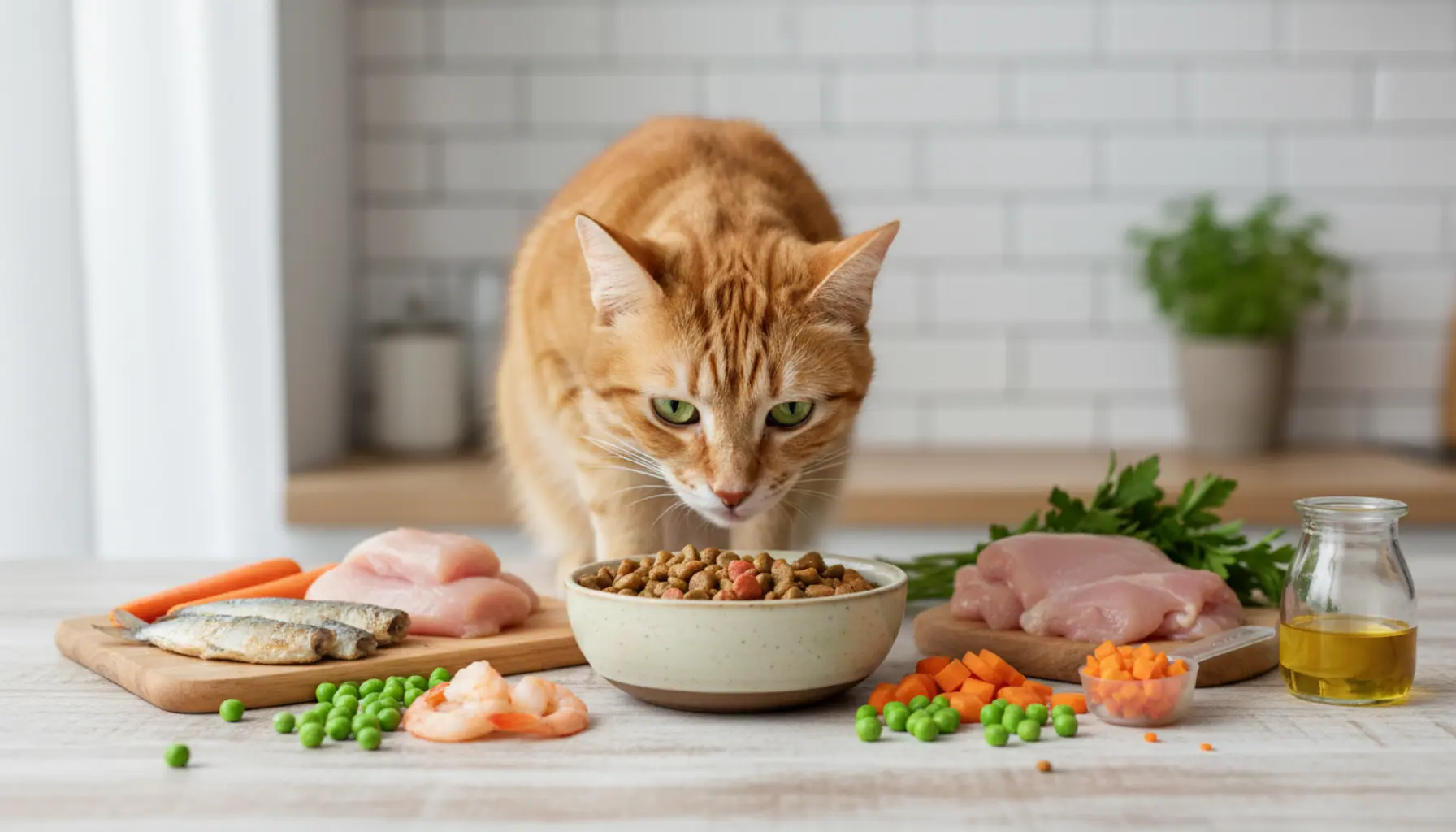
Besides high-quality animal protein, cats need a range of key nutrients for their bodies to function properly. Among the most important is taurine—an amino acid found naturally in meat, especially in hearts and skeletal muscle. Cats cannot synthesize enough taurine, and a deficiency can cause serious health issues like dilated cardiomyopathy (heart muscle disease), vision problems—even blindness—reproductive problems, and immune weakness. Thus, complete cat foods are fortified with taurine, and in home cooking or BARF diets, it should always be supplemented according to dietary guidelines. Another essential is vitamin A—in the animal-derived retinol form, as cats cannot efficiently convert plant-based beta-carotene into active A; its best sources include liver, but moderation is needed to avoid hypervitaminosis. Similarly, cats obtain most vitamin D from diet, not skin synthesis, so food must contain the right amount; this is tightly regulated in commercial complete diets. Cats also need high levels of B vitamins (as typical carnivores), especially B1 (thiamine), B6, and B12, essential for the nervous system, energy metabolism, and blood formation; deficiencies can result from feeding too much raw fish containing thiaminase, which destroys thiamine. Also crucial is proper mineralization, particularly the calcium-to-phosphorus ratio—muscle meat is rich in phosphorus, poor in calcium, so home diets need calcium additions (e.g., ground bone, calcium supplements) to prevent mineral imbalances, bone, and kidney problems. In ready-made foods, calcium and phosphorus are balanced, but for cats with kidney disease or urinary tract issues, monitor phosphorus: too much strains the kidneys. Microelements such as zinc, copper, iron, and iodine are essential for immunity, oxygen transport, thyroid, and skin health. Quantities are regulated in pet foods, but in home-prepared diets, they require careful calculation and supplementation. For practical purposes, the best option is generally complete wet or dry foods designed for cats, clearly labeled as covering 100% of your cat’s nutrient needs. Supplementary foods (e.g., pouches, treats “filets in sauce,” or tuna in jelly), are not complete meals and shouldn’t form the diet’s base, as they usually lack fat, minerals, vitamins, and often added taurine. If you want to feed a home diet, always work with a vet or accredited pet nutritionist to set proper ratios of meat, organs, fat, calcium supplements, taurine, omega-3s, and a full vitamin-mineral complex. “Intuitive” feeding of just meat without supplements is potentially dangerous—it leads to calcium, vitamin, and micronutrient deficiencies, which aren’t always visible at first but cause severe disease over time. So, when building your cat’s diet, always think in terms of delivering the full set of essential nutrients—not just meat, but also fat and the right vitamins and minerals in optimal amounts and proportions to suit your cat’s specific needs.
Wet food, dry food, or a homemade diet?
The choice between wet food, dry food, and a homemade diet is among the most common—and challenging—questions for cat owners, as each option has its pros, cons, and specific health applications. Wet food is generally closest to a cat’s natural food in terms of water content and consistency—usually about 70–80% moisture, which significantly supports proper hydration in a species that naturally has a weak thirst drive. Thus, cats reluctant to drink from bowls can fulfill most of their fluid needs via wet food. High-quality wet foods are rich in meat and organs, have relatively low carbohydrates, and few fillers, promoting healthy weight and better digestive health. They are also often more palatable—picky cats often prefer wet food, and its intense aroma entices elderly, stressed, or recovering animals. A drawback is higher cost compared to dry food, shorter shelf life after opening, and the need to remove leftovers quickly, to avoid bacterial growth. Dry food is a more concentrated energy source (normally about 8–10% moisture), which means a higher calorie density per volume. It’s convenient, easy to portion, can remain in the bowl longer, and works in interactive toys or puzzle mats to encourage hunting behavior. Good quality dry food, based on meat and restricted or grain-free, can be a valuable diet element, but requires careful portion control—overeating promotes obesity, joint, liver, and metabolic disorders. Dry food does not replace water; the belief that “dry food cleans teeth” is only partly correct—most kibble crumbles quickly without real brushing effect, so dental care should rely on regular checkups, dental chews, or tooth brushing rather than diet alone. With dry food, constant free access to fresh water is essential, preferably in several places, and a fountain—often more attractive to cats—should be considered. Whether wet or dry, both can be “complete” (full-ration) or “supplementary”; the latter, despite attractive compositions or forms (e.g., meat filets, broths, treats) shouldn’t be the only food source, as they lack vital vitamins, minerals, and amino acids such as taurine or properly balanced calcium and phosphorus.
Homemade diets, where you prepare meals for your cat using raw or cooked meat, organs, and supplements, attract many owners due to their “naturalness” and right to full ingredient control—but they are also the most demanding and risky option if not accurately balanced. Cats—as obligate carnivores—need not only skeletal muscle but also proper ratios of organs, bones (or substitutes in the form of calcium/phosphorus supplements), fat, and carefully selected vitamin-mineral additives. Popular home schemes like BARF or cooked veterinary diets can be healthy, provided they are designed with a vet or pet nutritionist and are based on proven recipes that match life stage, body weight, kidney/liver/gut health, or allergies. Common mistakes are lack of proper calcium supplementation (excess phosphorus from meat leads to bone mineralization disorders), not enough taurine or animal fat, too many carbs (e.g. rice, groats, starchy veggies), use of spices, vegetable oils, or toxic ingredients (onion, garlic, avocado, grapes, excess rosemary, etc.). Microbiological safety also matters—using raw meat requires strict hygiene, cold chain management, and proper freezing/thawing to minimize bacterial or parasitic contamination risk. From an SEO and practical nutritional standpoint, it’s worth emphasizing that for most cats, a hybrid approach—not strict “either–or”—is best: wisely combining complete wet and dry foods, possibly with occasional, well-planned homemade elements. A typical hybrid model might mean high-meat wet food as the main diet (hydration and proper protein-fat profile), with a measured portion of dry food for interactive feeders to stimulate the mind, while homemade or “meaty” treats appear strictly as controlled extras. All elements together must meet nutrient requirements, not create calorie surpluses, and should be introduced gradually—each diet change should take at least 7–10 days, with careful observation of stools, appetite, behavior, and weight. In practice, the decision between wet, dry, or home-prepared food should reflect your cat’s preferences, your budget, the animal’s health conditions (e.g., kidney, urinary tract, chronic gut inflammation, food allergies, obesity), and your realistic ability to maintain the chosen plan for many months or years, as nutritional stability is as important for your cat as food quality itself.
What should a cat not eat? List of forbidden products
Your cat’s diet should not only be complete and balanced, but above all safe. Many foods harmless to humans are toxic to cats, causing acute poisoning, chronic health issues, or serious organ damage. The most dangerous products include: onion, garlic, leek, chive, and shallot—plants from the allium family that contain sulfur compounds which damage red blood cells and can cause hemolytic anemia. Particularly hazardous are concentrated products like sauces, broths, instant soups, or baby foods with onion or garlic. Chocolate and cocoa are also toxic—theobromine and caffeine cause hyperactivity, muscle tremors, rapid heartbeat, vomiting, diarrhea, and at high doses, seizures or death. The darker the chocolate and higher its cocoa content, the higher the risk. Xylitol (“birch sugar”)—found in some sweets, gum, fit-baked goods, and peanut butter—is extremely dangerous to dogs (causing a blood sugar crash and liver failure), and though cat poisonings are rare, the risk is still too high to take chances. Grapes and raisins can damage cat kidneys, even in small amounts, including fresh or dried fruit in cakes, nut mixes, or muesli—even a little can trigger vomiting, lethargy, and kidney failure. Never give cats alcohol in any form, even small amounts of beer, wine, liqueur, or alcohol-soaked desserts—these cause CNS depression, loss of balance, hypothermia, coma, and death.
Other foods to strictly avoid include caffeine not only in coffee but also tea, energy drinks, some supplements, desserts like tiramisu, or coffee ice cream. Caffeine stimulates the nervous system and heart, may cause restlessness, fast pulse, tremors, vomiting, and heart rhythm issues. A common owner error is giving cow’s milk—most adult cats are lactose intolerant, leading to diarrhea, bloating, stomach pain, and gut flora disruption; if you want to give milk, only use special lactose-free cat milk. Be cautious with other dairy: fatty cheeses, cream, and butter are calorie-heavy, promote obesity and pancreas problems, and can worsen food intolerances. Raw egg white contains avidin, which binds biotin (vitamin H) and, with long use, may cause skin disorders and brittle fur; if you wish to treat your cat to an egg, only use boiled egg as a rare snack. Avoid raw pork, which may transmit Aujeszky’s disease virus (pseudorabies)—deadly to cats, thus never give raw pork or pork organs. Salty snacks like chips, pretzels, smoked cold cuts, sausage, or canned meats contain excess salt, spices, flavor boosters, and often onion or garlic powder; too much sodium strains the kidneys and heart, while spices irritate the gut. Don’t feed fried or highly processed meats—cats don’t need breading, sauce, spices, or oil; such dishes increase the risk of pancreatitis, obesity, and liver disease. Cooked bones (especially poultry) are also dangerous—they splinter and can cause choking, gut tears, or bad constipation. On the “forbidden extras” list are cakes, cookies, creams, ice cream, and other sweets—sources of sugar, trans fats, and artificial additives that are not only nutritionally worthless for cats but increase the risk of obesity, diabetes, and dental disease. Note that some houseplants (like lilies, dieffenbachia, philodendron) can also be dangerous—not “food” in the classic sense, but cats often gnaw them, leading to poisoning. Always check your home’s plants for pet safety. If your cat eats something suspicious and presents vomiting, diarrhea, drooling, tremors, lethargy, or breathing difficulty, contact a vet immediately and specify what and how much the cat may have eaten.
How to ensure a healthy and balanced diet for your cat?
A healthy, balanced feline diet begins with choosing the right food and careful analysis of its composition. In practice, this means focusing primarily on complete foods—those fully covering all your cat’s nutritional needs, marked “complete” or “pełnoporcjowa,” not “supplementary.” When reading a label, make sure meat and/or organs are listed first, with animal-derived ingredients high—ideally above 60–70% in wet foods. Low grain, no sugar, and no artificial colors or flavorings are also signs of a well-balanced food. With dry foods, check especially for carbohydrate content—it should be as low as possible, since cats as obligate carnivores don’t handle excess starch well. Also make sure the food contains key elements like taurine, omega-3 and -6 fatty acids, vitamins A, D, and E, and a balanced amount of calcium, phosphorus, zinc, and other microelements. Ideally, pick products that meet FEDIAF or AAFCO standards—these are typically declared on the packaging. Note that terms like “premium” or “super premium” have no legal meaning and are just marketing; ingredient lists and nutritional tables matter more than branding. Another important element is choosing the right food for your cat’s life stage: kittens, active adults, seniors, and neutered cats all have different needs. Specialized veterinary diets are often necessary for cats with kidney, liver, pancreas, gut disease, or allergies and should only be instituted with a veterinarian’s advice.
Balanced feeding involves not only choosing the correct food, but also adjusting the quantity and how it’s fed to match your cat’s lifestyle and individual needs. Feeding tables from the manufacturer are a helpful starting point, but must be seen as guidelines and regularly checked against your cat’s body condition (BCS—body condition score). A healthy cat should have palpable but not visible ribs, a waist from above, and a slightly tucked belly from the side. If your cat gains weight, gradually reduce daily portions or increase activity with play (wands, balls, interactive toys); with weight loss, see your vet to rule out disease, and only then increase calories if needed. A balanced diet should also include proper amounts of wet food, which, thanks to its water content, prevents dehydration and supports the urinary system. For many cats, a scheme based on high-meat wet food fed in 3–4 small meals a day works well, while dry food (if used) is strictly portioned, not freely available in a bowl. Any treats—including functional ones, such as malt pastes or dental treats—should form no more than 10% of daily calories, or you risk upsetting dietary balance and overfeeding. When changing foods, always transition gradually: over 7–10 days, mix the old and new food, increasing the share of the new every few days to minimize diarrhea, vomiting, or aversion. Hygiene and feeding comfort also matter—wash bowls daily and keep the feeding place separate from the litter box and noisy areas for stress-free, calm eating. Owners should regularly weigh their cats (e.g., once per month), check coat condition, skin health, breath odor, stool quality, and energy levels—any sudden changes in appetite, weight, or behavior may indicate the current diet is no longer optimal or a health issue that needs vet or pet nutritionist intervention.
Summary
Proper cat nutrition is the key to their health, longevity, and daily vitality. By knowing the basics, choosing the appropriate quantity, and favoring meat and protein in the diet, you greatly reduce the risk of diseases and health issues. Consider different options—wet food, dry food, or homemade diets—and be sure to avoid prohibited products. A well-balanced diet guarantees great wellbeing, a shiny coat, and activity for your cat every day.

