

Table of Contents
- Minskin Cat and Munchkin Cat – origin and breed history
- Appearance and distinctive features of short-legged cats
- Character and behavior: Are Minskin and Munchkin social cats?
- Grooming and health – what to pay attention to with these breeds?
- Adoption and breeding: What you should know before choosing a Munchkin or Minskin cat?
- Interesting facts and trivia about Minskins and Munchkins
Minskin Cat and Munchkin Cat – origin and breed history
The history of Minskin and Munchkin cats is a fascinating tale of breeders’ passion, selective breeding, and the extraordinary effects of genetics. Although both breeds share the distinctive feature of short legs, their beginnings and path to official recognition are different and full of twists. The Munchkin breed caused quite a sensation in the early 1980s in the United States. Its name was inspired by the little inhabitants of the Land of Oz from L. Frank Baum’s novel, reflecting these cats’ petite appearance. Although cases of cats with short limbs were known before (the first documented descriptions date back to the 1940s in Europe, and even earlier in Russia and England), the breed’s modern history only began with the events of 1983. Sandra Hochenedel, a teacher from Louisiana, rescued a stray cat named Blackberry, who turned out to have uniquely short legs. Blackberry passed this trait to her offspring, which led Sandra and other breeders to start deliberate selection and propagation of this feline line. After many years of breeding, the Munchkin was recognized by The International Cat Association (TICA) in 1994. However, the breed is still not accepted by all feline organizations, mainly due to the controversy surrounding the gene mutation responsible for shortened limb bones. Nevertheless, the breed has gained great popularity among cat lovers worldwide for its extraordinary temperament and unique looks.
Minskin, a much newer breed compared to Munchkin, was developed at the beginning of the 21st century, also in the United States. The creator of this unique breed was Paul McSorley from Boston, who in 1998 aimed to create a cat combining the short stature typical of the Munchkin, the soft and partially hairless coat of the Sphynx, and the gentleness and elegance of Devon Rex and Burmese cats. To achieve this, McSorley crossbred Munchkins with Sphynx, Devon Rex, and Burmese cats over the years. The result was a line of cats with short legs, a smooth or delicately covered skin (mostly on the face, legs, ears, and tail), and a characteristic, moderate temperament – thus, the Minskin was born. The world’s first recognized kitten of this breed was born in July 2000, and by 2008, Minskin achieved the status of “breed in development” at TICA. Its unusual but extremely friendly and sociable disposition, along with its unique appearance, quickly made it popular, especially among those seeking a cat that is both original and gentle. While Minskins are not yet widespread, they are considered a pioneering breed in terms of breeding experiments and deliberate manipulation of heritable traits. Both Munchkins and Minskins still arouse a lot of emotions – from admiration for their charm and temperament to scientific debates about their health and breeding ethics. Their history is a perfect example of how various episodes of accidental mutations and intentional breeding efforts can revolutionize the feline world, creating breeds that inspire ongoing interest and discussion.
Appearance and distinctive features of short-legged cats
Short-legged cats, such as the Munchkin and Minskin, catch attention primarily due to their unusual appearance, which departs from typical feline looks. Their most distinctive feature is the visibly shortened limbs – the hallmark of both breeds. This effect results from a genetic mutation called achondroplasia or pseudoachondroplasia, which causes the shortening of long bones while maintaining the standard proportions of the rest of the body. In Munchkins, the legs are visibly shorter but well-muscled and strong, allowing these cats, despite their unique build, to be surprisingly agile and often perform “bunny hops.” Munchkins have compact builds – a medium-length, muscular body, a gently rounded head with distinct cheeks, and medium-sized, widely placed ears. The Munchkin’s coat can be short or semi-long and appears in all colors and patterns – there are no restrictions on coat color, pattern, or eye color, meaning each cat can be entirely unique in appearance. Minskins, while inheriting short legs from the Munchkin, have many other unique features. Their gene pool includes not only Munchkin but also Devon Rex, Sphynx, and Burmese, which influences both appearance and fur texture. Minskins have soft, extremely short, almost velvet-like hair, especially on the head, tail, and legs, while significant body areas are nearly hairless or covered with only a delicate fuzz. Their eyes are large, almond-shaped, often intensely colored and make a striking facial feature. Like Munchkins, Minskins’ coat varies, but their specific hair distribution and gentle patches of soft fur set them apart from other breeds. Structural differences make both breeds appear compact, yet maintain correct torso proportions, distinguishing them from true dwarfs and preserving their remarkable agility and mobility.
Physical features are not the only interesting aspects of short-legged cats – their temperaments are equally fascinating. Munchkins are known for their cheerful disposition and boundless energy. Despite their shorter legs, these cats can jump, run, and climb energetically and are known for sitting up like “meerkats,” resting on their hind legs with front paws in the air, which gives them an adorable, playful look. Munchkins are naturally sociable, gentle, and open to interaction with people and other pets, making them perfect companions for families with children and other animals. They are very loyal, and their intelligence allows them to quickly learn routines or tricks, including retrieving items. Munchkins are often quite vocal and love to accompany household members in daily activities. Minskins, inheriting characteristics from several breeds, are a blend of exceptional friendliness, sensitivity, and a playful spirit. Their gentle nature and love of closeness make them ideal companions for those seeking a friendly and gentle feline – a Minskin craves attention and actively seeks out its owner. Both breeds are very curious about their environment: they’re inquisitive and quickly adapt to new surroundings, and their delicate appearance evokes enormous tenderness in their guardians. Importantly, the short legs do not cause pain or suffering in these cats, as long as proper care is provided, weight is controlled, and their joints and spine are not overloaded. Regardless of the differences between Munchkins and Minskins, both breeds are highly adaptable, very people-oriented, and exceptionally intelligent – features that, together with their unique appearance, make them some of the most original and enchanting domestic cats.
Character and behavior: Are Minskin and Munchkin social cats?
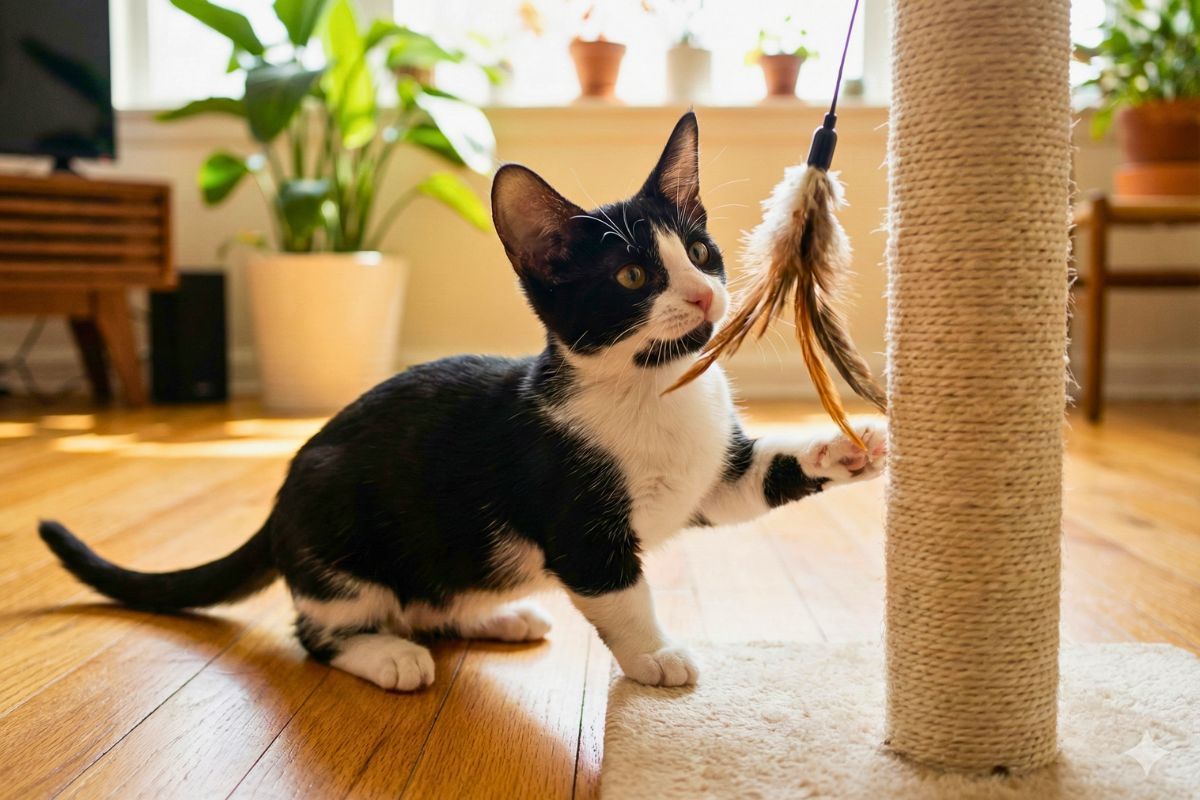
Minskin and Munchkin cats have fascinated people not just because of their looks but also their friendly and complex natures. Contrary to stereotypes suggesting their unusual appearance hinders their daily lives or relationships with people, in reality these cats are exceptionally sociable, energetic, and charming. Both Minskins and Munchkins easily form bonds with people. The Munchkin is known for its open, lively temperament – curious, quickly adapting to new conditions, readily participating in family activities, and getting along well with children and other pets. This is a cat that loves attention, actively follows household members and takes part in daily life. Whether the owner is relaxing or working, the Munchkin will often come for attention – sitting on laps, rubbing against, or bringing toys to its humans. The Munchkin’s intelligence is remarkable – these cats quickly learn tricks, respond to their name, can fetch, and love interactive play. This makes them perfect companions for families with children and for elderly people seeking intelligent, sensitive pets.
Minskins, though sharing the Munchkin’s temperament, are distinguished by an even greater need for close physical contact, inherited from the Sphynx, Devon Rex, and Burmese breeds. Typically, a Minskin not only enjoys being near people – it actively seeks their presence, often snuggling on a lap, shoulder, or even under a blanket. Friendly, gentle, and non-aggressive towards other animals and children, they’re recommended for multi-person households with frequent social interactions. Both breeds dislike loneliness – their strong need for companionship and play means they are not suitable for people away from home for extended periods. Properly cared for, they return loyalty and deep attachment, and their “dog-like” qualities, such as following the owner or relaxing nearby, surprise even experienced cat fans. Interestingly, both breeds get along well with other cats and pets – often enjoying the company of animals of different species as long as interactions are properly supervised. Their intelligence and curiosity demand suitable mental and physical stimulation; a lack of toys or activities may lead to behavioral issues. Daily play and human presence are therefore essential. Minskin and Munchkin cats adapt easily, are emotionally sensitive, curious, and flexible to changes, as long as they can count on human support and closeness. Their gentle nature, cheerful disposition, and exceptional bond with household members overturn stereotypes about “solitary” cats, setting new standards for cat–human relationships.
Grooming and health – what to pay attention to with these breeds?
Taking care of Minskin and Munchkin cats requires particular attention due to their unique anatomy and some genetic predispositions. Their short legs, while not usually interfering with daily functioning, require that caretakers adapt to their needs, especially concerning musculoskeletal health and overall wellness. Munchkins can have various coat types – short, semi-long, or long, which impacts grooming frequency. Regular brushing appropriate to the coat’s length reduces shedding, matting, and hairball risk. Long-haired types may require brushing several times a week, while short-haired types need brushing every few days. Minskins, because of their almost total lack of fur and undercoat, require grooming similar to hairless cats – regular bathing (usually every few weeks) and frequent wiping with moist cloths to remove excess sebum and dirt. Their skin may dry out, become greasy, or be prone to chafing – use only gentle, hypoallergenic grooming products and control the environmental conditions, avoiding drafts or excessive sun exposure, which could cause burns.
Owners should pay close attention to Minskin and Munchkin health, as their body structure and genetic mutations can mean higher risk for certain health issues. Most common are orthopedic conditions associated with limb length (such as lordosis, scoliosis, or, rarely, narrowed vertebral canals), leading to restricted mobility, lameness, or pain. Regular vet checkups, orthopedic examinations, and weight management are essential, as excess weight further strains their spine and joints. Munchkin owners should ensure safe activity zones – jumps may be lower, so scratching posts and shelves should be at accessible heights to prevent injuries. A diet rich in joint-supporting nutrients like omega-3s, glucosamine, and chondroitin, plus supplements for skin health, can be helpful with veterinary guidance. Minskins, due to exposed skin, are more vulnerable to bacterial/fungal infections or allergies, so regularly check the skin for changes or wounds. Pay attention to ear and eye hygiene, especially since hairless areas are more susceptible to dirt and infections. Both breeds need regular nail trims and oral hygiene (brushing teeth or using dental chew toys) to prevent periodontal disease – their narrow jaws may make dental problems more likely. Physical and mental stimulation is also essential – both Munchkin and Minskin cats need daily play and interaction to fight boredom, obesity, and psychological issues. Preventive vet care is crucial: vaccinations, routine deworming, and periodic blood and urine tests can catch potential issues early. Choose reputable breeders who run genetic health tests to minimize developmental defects. Ultimately, attentive and informed care determines a Minskin or Munchkin cat’s health and quality of life at every stage.
Adoption and breeding: What you should know before choosing a Munchkin or Minskin cat?
The decision to adopt or purchase a Munchkin or Minskin cat requires careful consideration, both practically and ethically. First, think deeply about your capabilities and expectations for a new pet. Because of these cats’ distinctive anatomy and potential hereditary health issues, it’s essential to choose a responsible, reputable breeder – preferably one affiliated with international feline associations and operating under an ethical code. Research the breeder’s reputation, ask for medical documentation, parental health test results, and proof of origin. A quality breeder not only ensures the animals’ welfare but is also interested in the kittens’ future homes and gladly offers advice on caring for short-legged breeds. Adoption from a shelter or feline rescue is also a responsible choice, especially for those who appreciate personality diversity and do not need a purebred cat – sometimes Munchkins and Minskins end up in shelters by chance. However, these breeds, especially Minskins, are still rare and not easy to find outside professional breeding.
Before choosing a Munchkin or Minskin, it’s crucial to understand their specific needs. Due to their short legs and unique build, even an energetic Munchkin may struggle with high obstacles or scratching posts unless their environment is adapted accordingly. Thoughtful homeprep – low beds, accessible litter boxes, and scratching posts proportionate to their jumping ability – will ensure the cat’s comfort. Minskins require extra care regarding room temperature, avoiding drafts and sun, because of their nearly hairless skin. Prospective owners should also be prepared for regular and potentially expensive veterinary checkups – for joints, allergies, skin infections, or immune issues. High-quality diets rich in joint and skin-supporting nutrients should be discussed with vets experienced with genetically modified breeds. Due to their social nature, consider whether you can provide enough human interaction or animal companionship to prevent behavioral problems from loneliness or boredom. Also, be aware of the controversy surrounding breeding cats with dwarfism genes – the veterinary community emphasizes responsible breeding practices and avoiding mating two carriers of defective genes to prevent serious defects. Buying a kitten only from a legal and ethical breeder demonstrates respect for animals and minimizes future health concerns. Before making a final decision, it’s advised to visit a breeder or talk to current owners of these cats – this will help ensure your chosen cat fits your lifestyle, budget, and expectations for a relationship with a pet.
Interesting facts and trivia about Minskins and Munchkins
Minskin and Munchkin cats attract widespread attention among pet lovers and in the feline world. One of the most intriguing features of the Munchkin is its unique genetic mutation resulting in short legs – an autosomal dominant mutation, meaning only one gene from a parent is needed. Interestingly, this “cat achondroplasia” does not cause spinal deformities or pain in Munchkins (when properly cared for), even though the same mutation in humans causes serious growth disorders. Many people compare the Munchkin to the dachshund, not just due to its silhouette but also its surprisingly agility – although they can’t jump as high as other cats, they make up for it with quickness and clever movement. The Munchkin is especially popular in pop culture – often appearing in movies, ads, and as meme material, thanks to its endearing look and unusual proportions. Notably, this breed is recognized by TICA but not by Fédération Internationale Féline (FIFe) or the Cat Fanciers’ Association (CFA) due to ethical concerns about breeding genetically mutated cats. Beyond their appearance and nimbleness, Munchkins are known for “hoarding” – some individuals love to stash toys and small items in secret spots, like magpies.
Minskins spark just as much emotion, even though their history is much shorter – the breed was developed in the early 21st century and is still considered rare worldwide. What sets Minskins apart is not only their near-total lack of fur but also the extraordinary texture of their skin, which feels like velvet or a warm peach. The breed standard is defined by small “tufts” of short hair on the face, ears, tail, and paws, while the rest of the body is nearly hairless – the result of crossing with Sphynx cats. Minskins are among the smallest and lightest cat breeds in the world; adults typically weigh just 2-4 kg and stand about 15-18 cm at the withers, staying petite their whole lives. An unusual genetic feature is the combination of characteristics from four breeds: Munchkin, Sphynx, Devon Rex, and Burmese, creating not only a unique look but also a versatile array of temperaments and resistance to certain illnesses. Fun fact: because of their almost naked skin, Minskins often seek out the warmest spots in the house – by radiators, on computers, or in their owners’ beds, and are also known to wear cat clothes. Both Minskins and Munchkins have earned a fanbase on social media, where their images quickly catch attention and spark popularity among animal lovers globally. Both breeds are popular at international cat shows, where they impress with exotic looks and unique skills – Munchkins are famous for “meerkat standing,” using their hind legs for a better view of their surroundings. It should also be said that short-legged cats generally spend more time on the ground than in high places, so home spaces should be adapted with lower scratching posts and toys. The growing popularity and visibility of Minskins and Munchkins worldwide is challenging stereotypes about genetically mutated cats and showing that with proper breeding and care, these exceptional cats can enjoy long, happy lives.
Summary
The Minskin and Munchkin cat breeds are extraordinary, combining a unique appearance (with short legs) and a very friendly temperament. Their history, personalities, and easy grooming make them increasingly common in homes worldwide. Before adoption, however, it’s worth learning about their health and care needs and making sure you can provide the best living conditions for them. If you’re looking for an original, intelligent, and sociable cat, the Minskin or Munchkin will be a perfect choice for lovers of uncommon breeds.

