
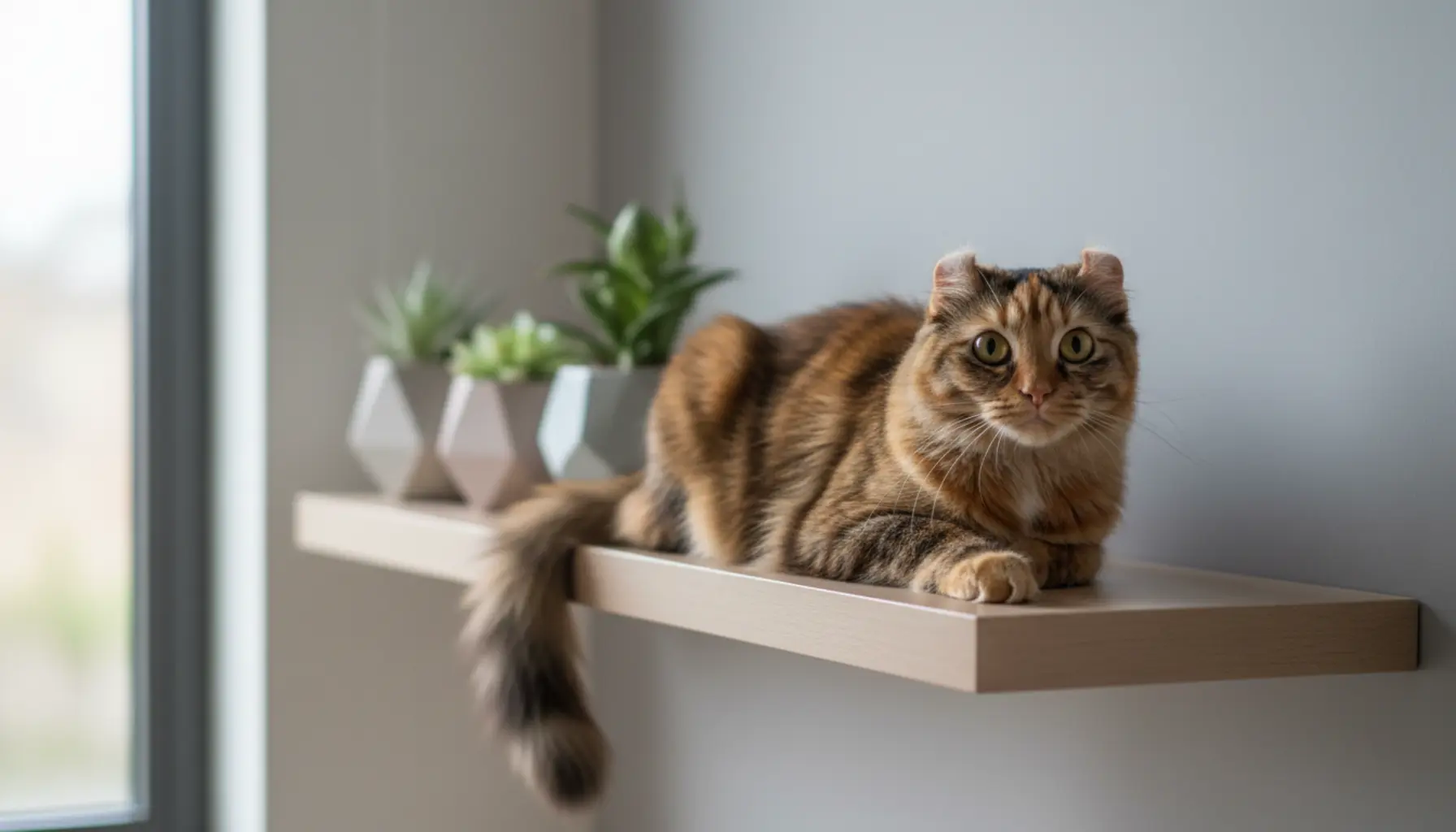
The American Curl is an extraordinary cat breed that attracts attention with its appearance and intelligence. Agility, curiosity, and a flexible personality make this cat an ideal companion for both families and singles. Discover more about the history, traits, care requirements, and why the American Curl is unique.
Table of Contents
- History and Origin of the Breed
- Unique Appearance and Traits of the American Curl
- Character and Intelligence of the American Curl
- Health and Common Health Issues of the Breed
- Basic Care and Nutrition Requirements
- Why the American Curl is the Perfect Companion
History and Origin of the Breed
The history of the American Curl is exceptionally well documented for a cat breed, as its beginnings go back only to the early 1980s, and its progress has been followed by breeders and feline experts from almost the very start. It all began in the summer of 1981 in Lakewood, California, where a married couple—Joe and Grace Ruga—found a stray, black, semi-long-haired female cat in their yard with extremely curled-back ears. The cat was named Shulamith, and she is recognized as the progenitor of the entire breed. Shulamith’s distinctive ears immediately attracted interest, though at first, no one suspected it was a spontaneous genetic mutation that would soon serve as the basis for the creation of a new, globally recognized breed. The breakthrough came when Shulamith gave birth to her first litters—some of her kittens inherited the peculiar curled ear shape, clearly pointing to a hereditary trait. Breeders and feline geneticists became intrigued, and after several generations confirmed that a dominant gene was responsible—only one copy is needed to express the ear curl. This discovery was crucial for shaping the breed, as the dominant inheritance allowed the trait to be fixed relatively easily while also enabling thoughtful selection for health and temperament. In the early years, breeding relied heavily on crossing Shulamith and her offspring with domestic cats of various backgrounds, aiming to broaden the gene pool and avoid problems common to narrow pedigree lines. This ensured that the American Curl maintained substantial genetic diversity and robust health, while quickly stabilizing in body type and characteristic curled ears. In the 1980s, cats of this new breed began appearing at shows in California, drawing huge attention not only for their unusual appearance but also for their gentle and sociable disposition. One of the first detailed articles about the breed appeared in 1983 in a prestigious American felinology magazine, significantly increasing the American Curl’s recognition and attracting more enthusiasts and breeders to join the development program.
The formal path to recognition by feline organizations was relatively fast, but also heavily dependent on strict breeding control. In 1983, the breed was officially introduced into The International Cat Association’s (TICA) breeding program, marking the first major step toward international acceptance. Initially, American Curls could participate in experimental classes to assess feature stability, health, temperament, and refine breed standards. In 1985, TICA granted the breed Championship status, giving it full rights to compete for titles at cat shows—an enormous distinction for such a young breed. Soon after, other organizations took interest—CFA (Cat Fanciers’ Association) began registering the breed in the late 1980s, granting full championship class acceptance in the 1990s. Meanwhile, European organizations such as FIFe and WCF also took notice, though the recognition process was gradual, and the first individuals arrived in Europe at the end of the 80s and early 90s. New countries adopted strict crossbreeding guidelines to avoid excessive selection for the deepest ear curl at the expense of health or good body structure. Many standards emphasized that the most important criteria were proportion, harmonious silhouette, and genetic soundness, while the degree of ear curl—though central to breed identity—must not cause pain or impair ear mobility. Over time, two coat types emerged: short-haired and semi-long-haired; both are recognized by most organizations and differ mainly in length and abundance of the fur, including britches and mane. Thanks to the openness of U.S. breeders to exchange breeding stock with Europe and Asia, the Curl quickly spread to other continents, though to this day it remains relatively rare and often considered a “collector’s” breed compared to more popular cats like the Maine Coon or British Shorthair. Despite limited numbers, the breed’s history and intense, focused selective breeding have established the American Curl as a modern, young breed of fascinating origin that combines a spontaneous mutation, thoughtful breeding, and respect for the natural genetic diversity of domestic cats.
Unique Appearance and Traits of the American Curl
The American Curl is a breed whose appearance stands out from the very first glance, with the main calling card being, unsurprisingly, the distinctively curled ears. The outer edge of the ear pinna curves backward, forming a gentle arc shaped like a crescent or the letter “C,” giving the cat a somewhat surprised, inquisitive facial expression. The degree of ear curl in adult cats usually ranges between 90 and 180 degrees, with overly curled or flattened ears considered breeding faults. Importantly, American Curl kittens are born with straight ears—the first curling typically appears between day 3 and 7 of life, and may change several times until around four months old, when the final shape becomes fixed. The ears should be medium-sized, stiff at the top but flexible at the base, well-furred inside, often with clear tufts at the tips, further enhancing the cat’s elegant, “wild” look. Contrary to appearances, this unusual structure should not be associated with pain or discomfort, but responsible breeding selection is key to preventing overly tight curling or deformities of the ear. Beyond the ears, the American Curl’s physique is harmonious and moderate—a medium-sized cat, typically weighing between 2.5 and 5 kilograms, with a slightly elongated but well-muscled torso. The legs are proportional to the body, of medium length, with round, agile paws. The tail is long, supple, and well-furred (especially in semi-long-haired varieties), and should easily reach at least to the cat’s shoulders, forming a smooth extension of the body line. The head is a gently modified wedge with rounded contours; cheeks are soft, the muzzle is neither excessively flat nor overly elongated. The eyes—slightly oval, widely spaced, and set at a subtle angle toward the ear’s outer edge—emphasize an expression of openness and curiosity; their color can be highly varied, from deep shades of gold to green, amber, hazel, and even blue or odd-eyed in white-coated individuals. One trait that attracts breed enthusiasts is the immense range of hair colors and patterns—the standard allows virtually all combinations, from solid (black, white, blue, cream, red), to tabby, tortoiseshell, bi-color, tri-color, and even points reminiscent of Siamese cats. There are two coat varieties: short-haired and semi-long-haired. Short-haired Curls have smooth, close-lying, resilient, and pleasurable-to-touch coats, with a noticeable but not excessively dense guard hair, lacking an obvious undercoat—which makes grooming easy and limits shedding. Semi-long-haired Curls have a slightly silky coat that falls in gentle waves, with a longer ruff around the neck, britches on the back legs, and a fluffy “peacock” tail, yet still without the heavy undercoat typical of long-haired breeds; as a result, the coat is less prone to tangling and does not require intensive care like with Persians, for example. The body shape is often called “semi-oriental”: not as elongated and delicate as oriental cats, but not as stocky as British Shorthairs—a compromise between elegance and robustness. The overall impression is of a versatile, agile, and energetic cat, yet also subtle and refined, which, combined with its unique ears, is particularly visually appealing.
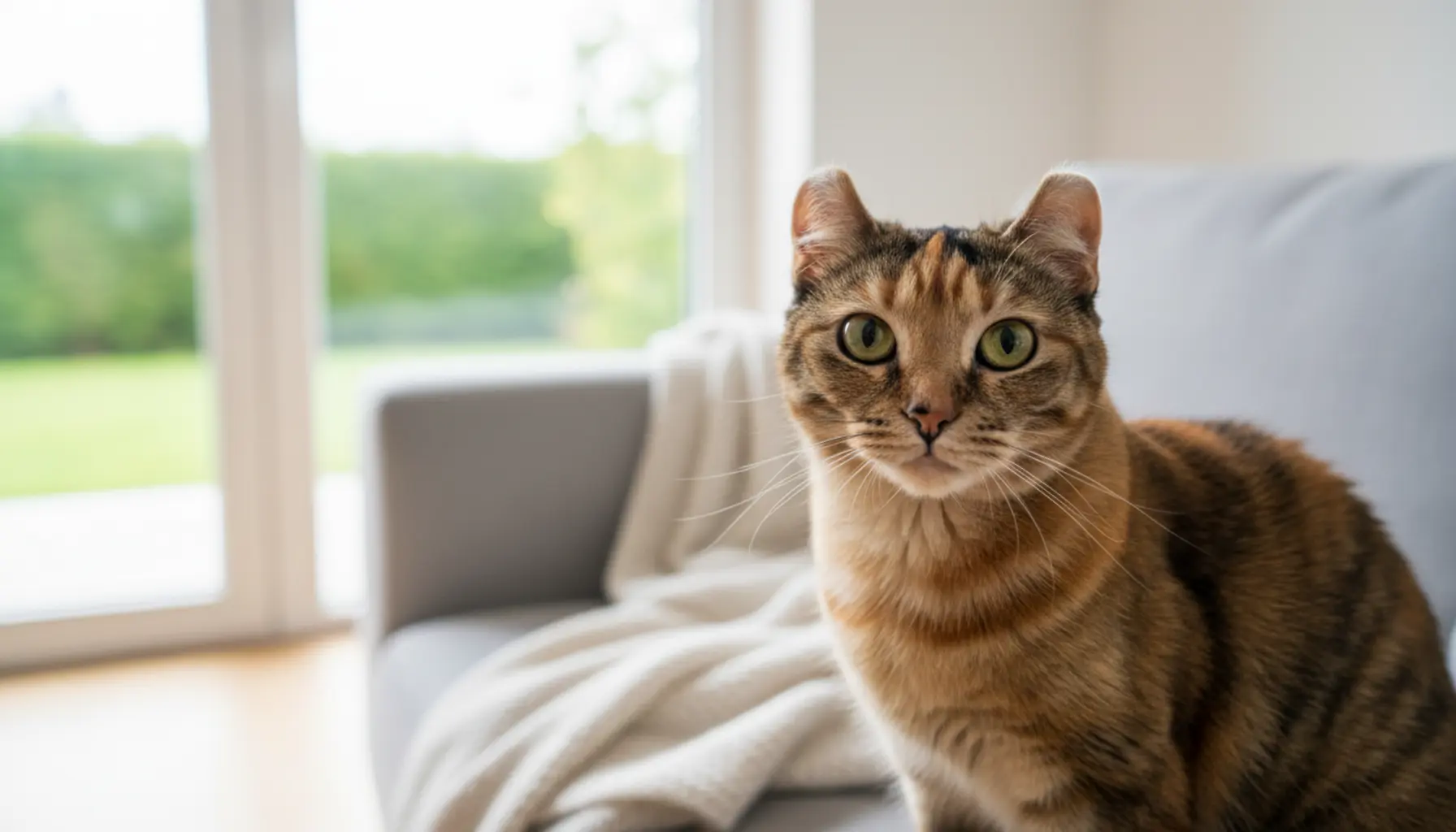
The American Curl’s unique appearance is matched by distinctive behavioral traits, making this breed not only striking but also extremely sociable and intelligent. The Curl is often described as a “dog-like” cat—deeply attached to its guardian, eager to accompany them in daily activities, greeting at the door, following from room to room, and frequently initiating contact by gently tapping with a paw or rubbing against their legs. This breed is naturally inquisitive and active, loving to explore its surroundings; many individuals enjoy climbing onto high shelves, observing home life from above, and avidly “supervising” everything that happens around them. Despite high energy levels, the American Curl usually isn’t destructive—with enough toys, scratching posts, and mental stimulation, it channels its curiosity constructively. Its gentle voice is noteworthy—more quiet and melodic than insistent; this isn’t a cat that constantly meows but rather engages the caretaker in subtle “dialogue,” responding to prompts or inviting to play. The Curl’s intelligence is evident in quick learning—many of these cats easily master simple commands like “fetch,” “sit,” or “shake,” and can open doors, pull out drawers, or independently initiate interactive games. For this reason, puzzle toys, sniffing mats, tunnels, and all kinds of engaging games work great for them, involving both body and mind. The American Curl’s hallmark is its gentleness and balanced temperament—despite their lively demeanor, they’re usually gentle with people and other pets, fitting in well with children as long as the youngsters learn to respect their space and not play with their ears. Most individuals get along well with other cats and even dogs, especially if socialization started early; their curiosity often outweighs timidity, allowing for easy adaptation to new environments and stimuli. Compared to some breeds with very strong temperaments, the Curl is neither extremely dominant nor withdrawn—you could say it’s a “companion” cat, oriented towards interaction but also respecting moments of peace. Many individuals like being near their human, lying next to them on the couch or desk, rather than constantly demanding petting; on the other hand, if a caretaker forgets the daily playtime, the Curl will subtly yet persistently remind them. The impression of uniqueness is reinforced by the harmonious interplay of its physical features—curled ears, elegant build, soft coat—with its personality: open, friendly, curious, and communicative. This makes the American Curl not only an attractive “show” cat but above all a partner in everyday life, captivating with appearance and winning hearts with personality.
Character and Intelligence of the American Curl
The American Curl is a breed that combines an exceptionally friendly character with above-average intelligence, making it the perfect companion for people who want an active but balanced relationship with their pet. Unlike many other breeds, the Curl is often described as a “perpetual kitten”—not just because of its youthful looks but mainly due to its lifelong enthusiasm, curiosity, and playful spirit, even as an adult. These cats have a natural need to be close to people: they love accompanying their caregivers during daily routines, entering any room where home life happens, observing what’s going on in the kitchen or living room, and joining in activities in an unobtrusive, gentle way when welcomed. Their behavior isn’t aggressively demanding—more a calm, affectionate presence and subtle curiosity revealed by a gentle touch, a soft murmur, or simply sitting nearby. They are “companion” cats, enjoying being part of the family but equally respecting a human’s need for space. They are gentle and patient, which means they do well in households with children—typically joining in gentle play, responding to petting and cuddles, and if they’ve had enough, leaving calmly instead of reacting with aggression. Their stable character allows them to get along well with other cats and dogs, especially if properly socialized from an early age. The American Curl often bonds strongly with one “favorite” person but is not exclusively a “one-person” cat—it’s open to relationships with the whole family and usually welcomes guests. Unlike some strongly independent breeds, the Curl is clearly oriented toward contact and interaction, which, combined with its adaptability, makes it a cat that handles changes in household routine, travel, or moves well, as long as it has its trusted human. Their communication is typically subtle: many individuals meow rarely, but actively use body language—tail, ears, gaze—to express needs. Agility and smoothness of movement are paired with confidence, so the Curl isn’t shy in new situations but more cautiously curious: first observing, then approaching to sniff, before finally fully exploring its environment.
The American Curl’s intelligence is particularly evident in its ability to learn and solve simple “problems” it may encounter at home. Many learn to open simple cabinets, sliding doors, or food containers, so using more secure closures is recommended in Curl households. This clever cat excels with interactive toys—food puzzles, treat-balls, intelligence toys requiring moving elements with paw or nose to extricate a reward. As such, Curls are excellent candidates for clicker training; they easily learn basic commands like “sit,” “shake,” or “fetch,” and some even perform more complex tasks like jumping to a spot on command or running mini-obstacle courses. High trainability results from the blend of intelligence and eagerness for human contact—Curls love to collaborate, and praise, petting, and treats are strong motivators. This breed is also marked by exceptional environmental curiosity: they will watch the window for long periods, tracking birds, cars, or people, and thoroughly examine new objects, scents, and sounds at home. To maximize their intellectual potential, it’s recommended to provide mental stimulation—rotating toys, inventing new games, as well as “hunting” with a wand or feathers. Otherwise, without stimulation, this clever cat may seek amusement on its own, which can mean climbing drapes, exploring kitchen counters, or uprooting potted plants. However, their intelligence is not paired with the stubbornness seen in some breeds—Curls are usually open to compromise if their living space is arranged to suit their needs with scratchers, climbing shelves, and window perches. The ability to quickly learn also extends to adapting to house rules: many easily learn not to jump on tables or counters if gentle, consistent training and appealing alternative spots are provided. In their relationship with their caregiver, Curls’ intelligence also shows in “reading” human emotions—many owners report their Curl senses bad moods and responds by drawing nearer, lying close, purring, or gently touching with a paw. This combination of emotional sensitivity, fast learning, and gentle temperament makes the American Curl extremely rewarding for those wanting not just to own a pet, but to build a relationship based on communication, play, and shared rituals.
Health and Common Health Issues of the Breed
The American Curl is considered one of the healthier, more “natural” cat breeds due to its broad gene pool and rational breeding programs. The wild ancestry of the first cat Shulamith and early outcrossing with non-pedigree cats helped the breed avoid many extreme conformation features that often come with health burdens. The average lifespan of an American Curl is usually 13–16 years, and with proper preventive care, nutrition, and veterinary attention, many individuals live even longer without serious issues. However, “healthy breed” doesn’t mean no risk—Curls can still develop typical feline ailments such as kidney disease, dental problems, and obesity, and special attention must be given to their unique curled ears. The mutation responsible affects the cartilage, so correct handling is crucial: improper manipulation, bending, or pulling of the ears—by children or unaware guests—can cause micro-injuries, inflammation, or permanent deformities. Owners should gently check the inside of the ear regularly to monitor for wax buildup, bad odor, or redness. In Curls, excessive earwax production can be more common than in breeds with standard ears, increasing the risk of ear canal inflammation, especially if the cat is exposed to other animals or kept in large groups like catteries. Preventive care includes gentle, periodic cleaning with vet-recommended products and avoiding Q-tips, which can easily injure the ear canal or push debris deeper. Early response to symptoms like head scratching, tilting, shaking ears, or unpleasant odor allows for quick treatment and prevents chronic infection.
Beyond ear care, American Curls should be monitored for health issues common to companion cats, such as periodontal disease, overweight, kidney disease, and musculoskeletal problems in older age. Their short to medium muzzles, lack of flattened faces, and well-built skull mean they, unlike some brachycephalic breeds, seldom face chronic respiratory or dental malocclusions, but neglected teeth can quickly lead to tartar, gum inflammation, and pain when eating. Regular dental checkups, teaching acceptance of tooth brushing with animal toothpaste, and, when needed, professional cleaning at the vet’s are good investments in long and comfortable life. Due to their friendly disposition, many Curls spend lots of time with their humans on the couch; if combined with neutering and lack of exercise, this can easily lead to overweight. Obesity strains the heart, joints, and kidneys, and increases the risk of diabetes, so balanced nutrition, portioning, and daily active play (obstacle courses, treat toys, climbing) are essential. This breed is not known for specific genetic diseases like hypertrophic cardiomyopathy in Maine Coons, but responsible breeders conduct basic screening, monitoring heart condition (ultrasound, echocardiogram), kidneys (blood and urine tests), and overall physical health. Owners should schedule regular checkups—at least once a year for adults, more frequently for seniors—plus vaccinations, deworming, skin and coat checks, and weight monitoring. Semi-long-haired Curls may be prone to dermatological issues from matting, leading to irritation and infection; regular brushing and watching for excessive grooming or bald spots help catch both skin and possible allergy- or stress-related behavioral issues early. Well-cared-for Curls, living indoors, safely observing the world from a window or secure balcony, receiving regular vet checks and age-appropriate food, have a high chance for good health, and any illnesses—if detected early—are often manageable.
Basic Care and Nutrition Requirements
Despite its exotic looks, the American Curl is not especially difficult to maintain, though it does require consistent, thoughtful care. The basics are to provide a safe, calm environment with clearly defined zones: sleeping, eating, playing, and bathroom areas. The bed should be placed away from drafts and noisy thoroughfares—Curls enjoy watching household life but also need the option to retreat to a peaceful corner. Vertical space is important—scratching posts, wall shelves, and cat towers let them exercise their natural climbing urge and afford safe vantage points. Given their lively, “kittenish” temperament, they need daily physical activity; minimum 2–3 play sessions of 10–15 minutes each burn excess energy, prevent obesity, and reduce destructive tendencies. Wands, balls, tunnels, and treat toys are effective, adding intellectual stimulation as well. The American Curl usually accepts grooming routines easily if started young—brushing (once a week for short-haired, 2–3 times a week for semi-long-haired) reduces shedding, prevents matting, and catches early skin changes. Regular nail checks and clipping every 2–4 weeks help prevent ingrown nails or snagging—scratchers aren’t always enough for even wear. For this breed, careful ear care is especially important—the delicate, curled structure is prone to micro-injuries and wax and dust buildup may cause inflammation. Weekly ear checks and gentle cleaning with a dedicated solution and cotton pad (never deep swabbing with Q-tips) keeps them healthy. Caregivers should also pay attention to oral hygiene—daily or at least several times weekly brushing with feline toothpaste, as well as periodic professional dental cleaning, minimize dental disease. Regular preventive care is essential: vaccinations against infectious diseases, deworming, flea and tick protection (even for indoor cats), and annual health monitoring with bloodwork to catch kidney issues early.
American Curl nutrition should accommodate both its high activity and its natural need for animal protein-rich diets. It’s essential to select complete foods meeting FEDIAF or AAFCO standards, not relying on random homemade mixes that can easily lead to deficiencies. Good food—wet or dry—should list meat or fish as the first ingredient, contain appropriate taurine, fat, and balanced minerals, especially calcium and phosphorus. For most healthy adult Curls, a feeding regimen based on wet food (for better hydration and lower urinary tract disease risk) supplemented with a small amount of dry food as treats or environmental enrichment (in treat toys) works well. Portions must be controlled using producer guidelines and, more importantly, monitoring body condition; Curls tend to gain weight quickly if their need for movement isn’t met. Regular weighing (every 2–4 weeks) helps detect and correct early signs of weight gain. For kittens and young cats up to around 12 months, a “kitten” formula higher in energy and building blocks, given in several smaller meals per day, is necessary. Neutered, less active, or overweight-prone cats should receive “light” or “neutered” formulas—lower in energy but still high in quality protein. Constant access to fresh, clean water is essential—a cat fountain is often helpful for encouraging drinking. Avoid cow’s milk, deli meats, sweet and salty treats, table scraps, and cooked bones, which can be dangerous. It’s good practice to discuss the feeding plan with a veterinarian or animal nutritionist, especially if your cat has special needs (kidney disease, allergies, sensitive gut); prescription diets should be introduced only with a diagnosis, not preventively. Enriching mealtimes mentally is also important—instead of one bowl for the whole day’s portion, divide it across several spots, use sniffing mats or slow-feeder toys, allowing instinctual hunting behavior and reducing gulping.
Why the American Curl is the Perfect Companion
The American Curl is a cat that perfectly blends the characteristics of an affectionate pet, an intelligent play partner, and an adaptable companion able to fit diverse lifestyles. Its friendly demeanor means it bonds strongly with people, but it is neither overly demanding nor possessive—joining its guardian in daily routines, happy to sleep nearby, watching with interest what’s going on at home, yet respecting boundaries and not demanding constant attention. This balance between needing closeness and respecting human space makes the Curl a match for both calm individuals and active families. Thanks to innate curiosity, the Curl eagerly meets new household members or guests, is open to contact, and with proper socialization is rarely fearful of strangers—an advantage in homes with frequent visitors. A crucial trait of the breed is its gentle temperament—Curls almost never react aggressively, preferring to withdraw when something is unwelcome, rather than use teeth or claws. This soft response is why it’s particularly valued as a family cat; with children taught to respect animals, it can build a stable, trusting relationship with even the youngest. Children often see it as a cheerful playmate—happy to join daily activities like wand games, chasing balls, or hiding treats. Curls also get along well with other animals—dogs, cats, even smaller pets—if introduced gradually and safely. They rarely dominate, looking instead for compromise and mutual space, something appreciated by guardians concerned about pet-to-pet conflict. A bonus is its lively nature combined with a good “off switch”—Curls can play intensely but settle down for quiet time without destroying the house or becoming overactive. The breed’s characteristic subtle communication—soft, quiet sounds, expressive body language, gazes, and rubbing—makes bonding easier for those who prefer a calm, unobtrusive presence yet crave emotional connection with their pet.
An important reason why the American Curl makes such a wonderful companion is its high intelligence and openness to cooperation with humans, allowing easy adaptation to household rules. Many Curls quickly learn to use scratching posts instead of furniture, respond to their name, and even master simple commands like “come,” “leave it,” “sit,” or “shake”—especially if taught with positive reinforcement using treats. This trainability and willingness to cooperate let owners shape behavior more consciously, essential for those in smaller apartments with specific rules (no kitchen counters, off-limits rooms, nighttime quiet). Their love of interactive toys makes them perfect for people wanting to spend active time experimenting with puzzle toys, sniffing mats, obstacle courses, or hide-and-seek. The breed is also suitable for those who spend part of the day away from home—with an enriched environment of scratching posts, shelves, hideouts, and toys for alone time, the Curl can entertain itself and then initiate activities when the owner returns. Another plus is the relatively simple grooming routine compared to many breeds with impressive looks—both short- and semi-long-haired Curls usually don’t require complicated procedures, which is convenient for busy or first-time owners. Combined with robust general health and a lack of numerous typical genetic diseases (thanks to outcrossing with non-pedigree cats at breed foundation), Curl care isn’t overly time or cost consuming, while offering high potential for building lasting emotional bonds. Of importance to many is the breed’s unique beauty—those signature curled ears, gentle facial expression, and smooth, harmonious body lines make them an aesthetic presence at home. This unusual appearance often becomes a conversation starter and unites household members, as the cat draws attention, eases tension, and improves mood simply by being there. Thanks to noted empathy and the ability to “read” human moods, the Curl will calmly keep company during stressful moments—many owners report that the cat instinctively lies beside or on their lap when sensing sadness or nervousness, making it not just a pet but a gentle, everyday “therapist” who strengthens the household’s sense of security and well-being.
Summary
The American Curl is a unique breed distinguished by its characteristic appearance and intelligence. Thanks to its sociable nature and adaptability, the American Curl thrives in any home environment. It requires regular care and attention to its health to ensure a full, happy life. If you are looking for a cat that will not only add beauty to your home but also become a faithful friend, the American Curl is an excellent choice. Remember to schedule regular veterinary visits and provide appropriate nutrition to guarantee your pet a long and healthy life.

