

Fleas are the worst tenants your cat could ever “accidentally rent out” to, turning carefree naps into an endless battle with itching. Evicting these parasites effectively takes more than luck — the key lies in quickly spotting warning signals and hitting their life cycle with proven methods.
Table of Contents
- How to spot fleas in cats? Key symptoms and signals
- Flea life cycle — why is getting rid of them so hard?
- Best treatment methods: How to get rid of fleas in cats?
- Flea prevention — how to effectively protect your cat?
- Home remedies and myths — what truly works for fleas?
- When to see a vet? Complications after flea infestation in cats
How to spot fleas in cats? Key symptoms and signals
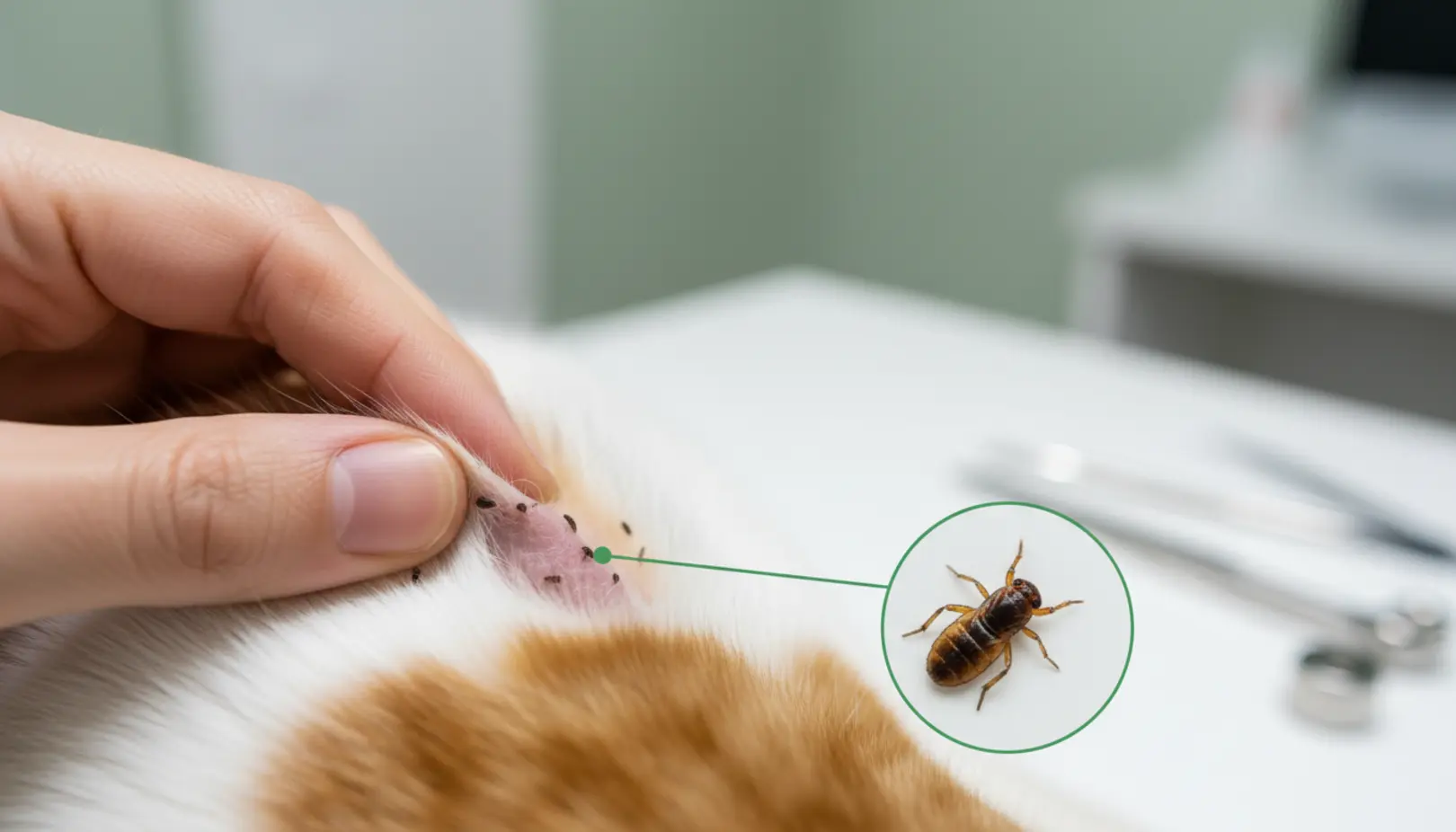
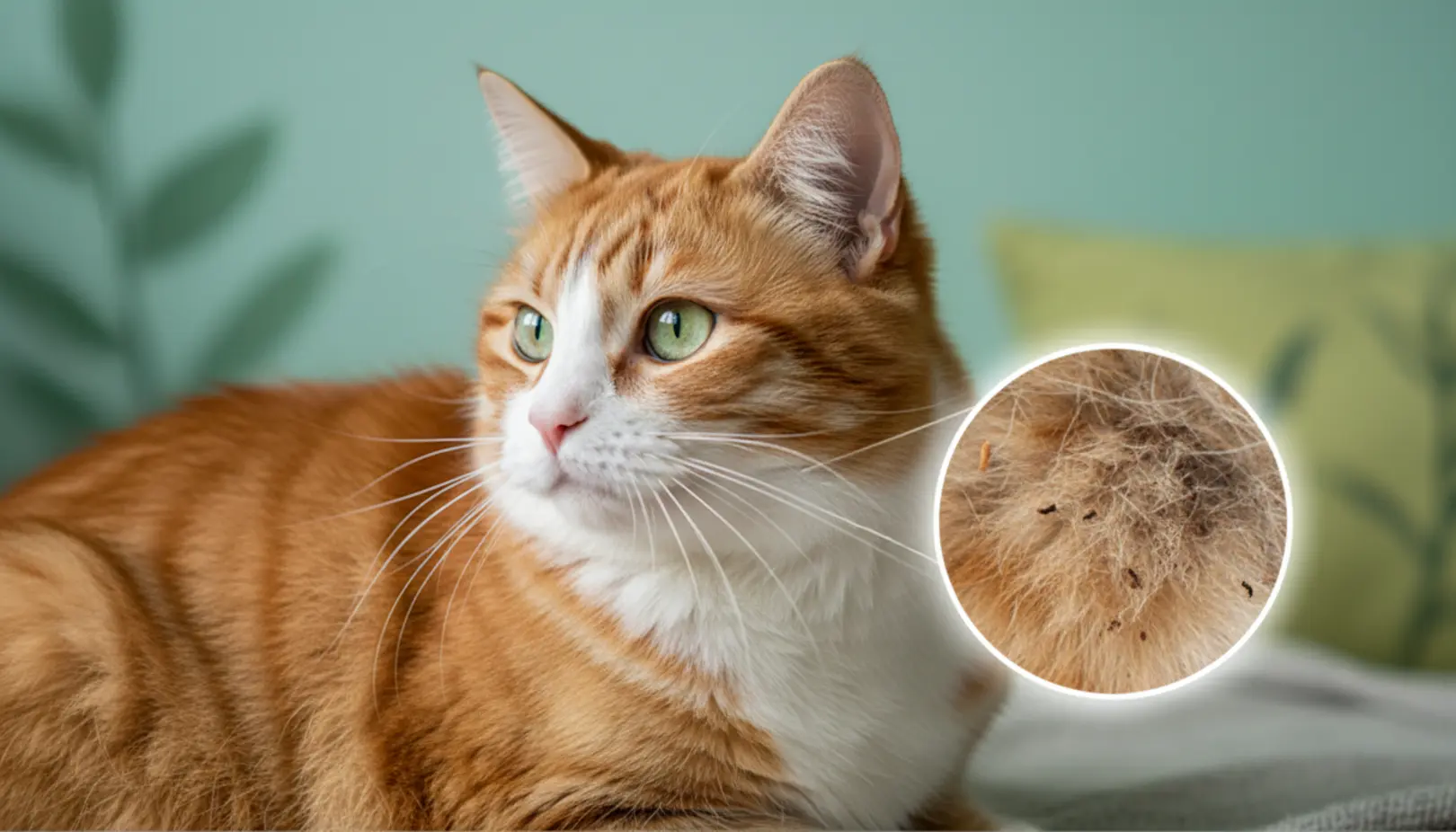
Fleas are among the most common external parasites in cats, and their presence typically results in visible changes in behavioral patterns as well as the condition of your pet’s skin and coat. The main symptom is severe, chronic itching leading your cat to almost constant scratching and biting of its fur — especially at the base of the tail, belly, neck, and inner thighs. As they feed, fleas secrete irritating substances that act as allergens, causing skin reactions in most cats. As a result, you may spot localized skin redness, small scabs, bald spots, or even sores from intense scratching. In adult cats with thick coats, symptoms can be harder to spot, so any sudden behavioral changes — irritability, restlessness, reduced desire to play, or even withdrawal — are equally important to observe. Some pets may develop flea allergy dermatitis (FAD) — hypersensitivity to flea saliva, which is accompanied by severe inflammation, swelling, or flaking skin. A crucial indicator of flea presence is seeing the characteristic black specks, known as “flea dirt,” on the skin and coat — especially visible when you comb or blot the fur with a white tissue (rubbing leaves a rusty stain as it’s mainly digested blood). In addition to itching, fur loss in patches or dull, matted fur may also occur, so always consider the possibility of flea infestation when evaluating the cat’s coat. Particularly in kittens, seniors, or ill cats, you may see weakness, loss of appetite, or even signs of anemia (pale gums and mucous membranes); since fleas feed on blood, severe infestations can cause anemia. Beyond clinical symptoms, also consider risk factors for flea appearance, such as outdoor access, contact with other animals, or exposure to public places (parks, gardens, pet hotels), as these significantly increase the risk of infestation.
Besides the typical signs listed above, it’s worth knowing that fleas may be hard to spot during a basic fur check — especially in longhaired, thick-coated, or dark-furred cats. For a more thorough check, use a fine-toothed flea comb to carefully comb through various body parts (ideally over a white paper or towel), to catch both live fleas and the black specks mentioned earlier. Note: fleas are highly mobile parasites capable of lying dormant in the environment (carpets, bedding, upholstery) for months, so even if you don’t spot adult fleas on your cat, the presence of flea dirt or persistent itching may indicate ongoing infestation. In some cats, fleas cause further complications, as they can transmit dangerous pathogens (such as tapeworms, bacteria), so untreated infestation negatively affects not only the cat’s comfort but also its overall health and bodily function. Regular coat checks, inspecting the skin for small wounds and spots, and monitoring any unusual behaviors in your cat are the foundation of early flea detection. Identifying the symptoms correctly and reacting quickly are crucial to prevent further spread of the parasites in the cat’s surroundings and avoid more serious health consequences.
Flea life cycle — why is getting rid of them so hard?
Fleas, though small and seemingly unimpressive, are extremely persistent parasites mainly because of their complex life cycle. To understand why fighting fleas is such a challenge, you need to take a closer look at the various developmental stages and the adaptive mechanisms they use for survival. The flea’s life cycle has four stages: egg, larva, pupa, and adult, and each of these requires different environmental conditions, protecting the species from extinction when circumstances aren’t right. The adult fleas you find on your cat are just a fraction of the population around your pet — estimates say only about 5% of all fleas live on the animal, while the rest are eggs, larvae, and pupae hidden in your home (e.g. carpets, cracks in floors, pet beds). The female flea is extremely fertile, laying 20 to 50 eggs per day that easily fall off your cat and spread throughout the house. After a few days, larvae hatch and hide in dark, moist spots, feeding on organic debris and adult flea droppings. Larvae are especially resistant to insecticides applied directly on the animal, as they develop off-host. After a week or so, the larvae become pupae — this stage is the most problematic for owners, as they are encased in a sticky cocoon that gives them exceptional protection against insecticides and external factors. Pupae can lie dormant for months, awaiting optimal conditions (warmth, vibrations, presence of a host), before transforming into adults and starting the infestation cycle anew on your cat.
It is this persistence and ability of fleas to adapt to the home environment that make one-time treatments rarely effective. Even if you manage to kill all adult fleas from your cat’s coat, there will still be eggs, larvae, and pupae in the cat’s immediate environment — invisible yet ready to resume infestation at any time. Effective flea control therefore relies not only on applying medicinal products directly to your cat but also on regular and thorough cleaning of the areas your pet frequents: thorough vacuuming, washing bedding, and using broad-spectrum insecticidal sprays. Another difficulty is that home indoor conditions (temperature and humidity) favor the survival and development of all parasite stages year-round, regardless of season. Also, fleas rapidly develop resistance to commonly used actives in antiparasitic products, making successful treatment even harder. The long viability of eggs and the resistance of pupae to insecticides mean the removal process must be repeated and closely monitored for several weeks to minimize relapse risk. Throughout this, owner education is critical — understanding the flea life cycle and why consistency is needed prevents disappointment and enables you to design an effective strategy to protect your cat and household from a repeat infestation.
Best treatment methods: How to get rid of fleas in cats?
Getting rid of fleas in cats calls for a comprehensive approach that addresses both the animal itself and its environment. One of the most common and effective solutions is spot-on flea drops applied directly to the back of the cat’s neck. These are easy to apply, long-lasting, and effective against both adult fleas and larvae. Alternatives include oral medications, usually in tablet form, which contain actives that kill parasites once they ingest blood. There are also flea shampoos and foams, but their effect is short-lived and requires reapplication. Flea collars, made from modern materials and infused with insecticides, can serve for both treatment and prevention, but care must be taken — some products made for dogs may be toxic to cats. Also, not all medications are suitable for kittens, pregnant cats, or cats with health problems — always consult a veterinarian to choose the right product for your cat’s age, weight, and health. Treatment should be repeated regularly, usually every 4–6 weeks, as the manufacturer or vet recommends, to prevent infestation relapse. Monitoring your cat’s reaction to the product is also important, as contact allergies or adverse reactions (drooling, lethargy, digestive issues) can occur. If the infestation is severe, it may be necessary to treat other pets simultaneously, especially if cats and dogs live together.
Effectively ridding your cat of fleas means not just killing the parasites on the animal but also thorough and consistent removal of all flea stages from its environment. Fleas can survive as eggs, larvae, and pupae in floor crevices, upholstery, bedding, carpets, and other nooks for weeks, which is why regular vacuuming, frequent washing of cat bedding and fabrics at high temperatures, and using household insecticides are essential. Market options include sprays and foggers that kill insects even in hard-to-reach places — but pets must be removed from the area during application, with proper ventilation afterward. Don’t forget routine cleaning of cracks where eggs can accumulate and regular checks of all new places your cat visits. A common mistake is abandoning prevention after seeing improvement, which encourages reinfestation — maintaining preventive procedures year-round is vital, especially during warmer seasons when fleas are most active. Some products combine flea protection with defense against other parasites, like ticks and lice, making them ideal for outdoor cats or those in rural homes. Supportive care should focus on skin condition and immunity — a high-quality diet plus products for soothing itch and skin repair as recommended by the vet. A comprehensive approach is the only way to truly eliminate flea problems and protect your cat from complications such as allergic dermatitis, anemia, or secondary bacterial infections due to skin scratching.
Flea prevention — how to effectively protect your cat?
Effective flea prevention in cats requires a well-thought-out, regular strategy that includes both direct animal protection and controlling the living environment. The most important step is systematic use of preventive veterinary products. The most popular are spot-on drops applied directly to the cat’s skin, usually at the back of the neck, where the animal cannot lick it off. Their main benefit is long-lasting effects — one dose protects your cat for 4 to 8 weeks, depending on the formula. Another effective option is oral tablets, which, thanks to circulating in the blood, neutralize any feeding fleas and often work even faster than topical products. Flea collars provide long-term defense too: releasing actives over several months to protect through the peak flea season. Alternatives — especially for cats intolerant to chemicals — may include natural flea repellents with essential oils, though these are less effective and carry a risk of allergic reactions. Regardless of which option you choose, the key is consistent application and strict following of the manufacturer’s and vet’s instructions. Forgetting a single dose or omitting prevention during travel can leave your pet vulnerable to re-infestation and the rapid restart of the flea life cycle. Remember that protecting only the cat does not fully solve the issue — even indoor-only cats can pick up fleas brought indoors on their human’s clothes, via other pets, or from rodents entering the building.
Another critical element of flea prevention is environmental hygiene. Regular vacuuming of all rooms — especially where the cat sleeps, rests, or plays — removes not just adult fleas, but also eggs, larvae, and pupae, which make up most of the population. Carpets, bedding, blankets, and toys should be washed in hot water at least once every two weeks — the more frequent the laundering and cleaning, the lower the risk of re-infestation. In multi-pet households, prevention must be applied to all pets at the same time, even if symptoms are seen only in one, as fleas transfer rapidly from host to host. Consider using specialized environmental sprays and surface disinfectants — both insecticidal sprays for hard-to-reach areas where eggs and larvae may hide and plug-in flea diffusers are available. Always carefully read the leaflet to avoid toxic effects on the cat. Indoor environmental protection should be complemented by regular coat checks using a fine flea comb to spot even the first few fleas. Extra vigilance is needed in spring–summer and autumn, when fleas are most active and breed explosively. Also make nutrition, vitamin supplementation, and stress minimization part of prevention — all of which strengthen your pet’s immune defenses against parasites. Regular cooperation with your veterinarian is essential to devise an individualized flea strategy appropriate for your cat’s lifestyle and health. Persistent, long-term prevention not only maximizes your cat’s wellbeing and comfort but minimizes the risk of serious flea-related health complications, such as flea allergy dermatitis, anemia, or secondary bacterial infections. Proper prevention helps you avoid protracted, costly, and time-consuming battles with established infestations and ensures your cat stays healthy and flea-free all year long.
Home remedies and myths — what truly works for fleas?
In battling cat fleas, many owners try home remedies hoping for quick, safe, and cheap solutions. The internet and pet forums abound with advice based on both real experiences and persistent myths — some of which can harm your pet or turn out utterly ineffective. The most common home methods mentioned include the use of vinegar, essential oils (like lavender or eucalyptus), dish soap baths, or simply meticulously combing with a fine-toothed comb. It is also popularly believed that sprinkling baking soda or salt on carpets or using homemade citrus sprays helps with flea removal. Yet the effectiveness and safety of these methods vary greatly and require a reality check with the latest research and veterinary recommendations. While regular combing with a special flea comb does indeed remove some adult fleas, their droppings, and eggs, and allows you to monitor skin condition, other popular treatments should be used with great caution. For example, bathing cats in dish soap is actually dangerous — it severely dries out and irritates delicate feline skin, often causing secondary infections and degraded coat quality. Likewise, home remedies based on vinegar, baking soda, or salt have no proven efficacy in eradicating all flea stages, acting at best only temporarily or superficially — they may reduce fleas on objects or in the environment for a short time. It is important to remember that adult fleas are only a tiny percentage of the home parasite population; the real threat is eggs, larvae, and pupae, and home solutions are simply not up to tackling those long-term.
Most controversy surrounds the use of essential oils. While some natural substances, like cedar, mint, or lavender oil, do show insect-repellent properties, they can be dangerous for cats. Cats, unlike dogs, lack the enzymes needed to break down many oil components, making them highly susceptible to poisoning, liver damage, or even death if used improperly. Attempting to spray, rub into fur, or add oils to baths can result in serious symptoms: neurological problems, vomiting, drooling, or breathing difficulty. Vets and specialists strongly warn against such methods. Also, it’s a myth that regular bathing is needed or that it works against flea infestations — cats naturally keep themselves clean, and overwashing harms more than it helps. Many people think that indoor cats rarely get fleas or that high-rise apartments are immune — but even strictly indoors animals can be infested by eggs brought in on owners’ shoes or clothes, and fleas can survive for months in a variety of developmental stages inside homes. Truly effective home actions mean regular whole-house vacuuming (especially hidden, warm areas — baseboards, sofa crevices, pet beds), laundering all textiles your cat touches, and general cleanliness. Such mechanical removal of eggs and larvae genuinely helps reduce flea populations. Also, be aware that some common home substances like garlic or onion are toxic to cats even in small quantities, so all “DIY” mixtures should be strictly avoided. The effectiveness of commercially available natural preparations based on plant extracts should always be discussed with a vet, and for severe infestations, certified veterinary drugs are a must. Education about myths and misconceptions around home remedies is as important as prevention, since improper methods can both fail to solve the flea problem and seriously harm your cat.
When to see a vet? Complications after flea infestation in cats
At first glance, cat fleas may seem like a trivial problem, but in reality they can lead to serious health complications, especially if infestation is untreated or downplayed. Consult a vet immediately if you notice worsening itch, bald patches, skin ulcerations, or visible wounds — all of which may result from incessant scratching and secondary bacterial infections. If you observe your cat becoming lethargic, losing weight, eating less, with pale gums, this may indicate anemia caused by extended blood loss from feeding fleas. Anemia is especially dangerous for kittens and seniors, where even small blood loss can trigger life-threatening consequences. Additional red flags requiring a vet visit include chronic cough or vomiting (potential tapeworm transmission by fleas), severe skin changes (e.g., oozing bumps, scabs), fever, relentless scratching causing self-harm, and evident weakness. The earlier complications are recognized, the higher the chances of successful treatment and avoiding long-term health issues.
Flea infestations aren’t dangerous just because of the local skin effects: there’s also a risk of flea allergy dermatitis (FAD) — an immune reaction to flea saliva. Even a few bites can trigger severe inflammation, itching, hair loss, and secondary bacterial infections that may result in extensive sores. In cats with immune hypersensitivity, chronic infestations can seriously impact mood, sleep disturbances, neglect of self-grooming, and secondary depression owing to constant discomfort. Remember, too, that prolonged flea presence paves the way for tapeworm (Dipylidium caninum) infection, which targets the digestive tract and causes symptoms such as diarrhea, vomiting, or weight loss. Especially vulnerable to complications are young, sick, elderly, or chronically ill pets — in these, even minor infestations can spark dramatic health declines. If home prevention and flea products are ineffective, fleas keep returning, or symptoms worsen day by day, you must see a vet for specialist tests and stronger therapy. The vet, after an interview and clinical examination, may decide on more powerful pharmacological flea treatments, and will address any skin inflammation, anemia, or concurrent infections as needed. Fleas can also signal general immune compromise or the presence of other diseases requiring specialist diagnosis. Any persistent symptoms lasting more than a few days, failure to respond to home treatment, or a general downturn in your cat’s condition should prompt immediate veterinary help, ensuring fast recovery and protection from serious flea-related complications.
Summary
Cat fleas are a common issue that can adversely impact your pet’s health and comfort. Early identification of symptoms — itching, scratching, skin irritation, or visible parasites in the fur — is essential. Effective treatment requires regular care, use of appropriate veterinary products, and complete elimination of fleas from the home environment. Prevention, such as regular fur checks and preventative products, minimizes the risk of recurrence. In cases of severe infestation or allergic reactions, always consult a vet. Proper knowledge and care are the foundation of a healthy, happy, flea-free life for your cat.

