

Has your cat undergone tooth extraction, or is such a procedure ahead? Find out how to take care of their daily life: feeding, oral care, and comfort without teeth.
Table of Contents
- Impact of Tooth Extraction on Cat’s Health
- How to Feed a Cat after Tooth Removal
- Oral Care for an Edentulous Cat
- Dealing with Appetite Loss
- Improving Quality of Life for an Edentulous Cat
- When to Consult a Veterinarian
Impact of Tooth Extraction on Cat’s Health
Tooth extraction in a cat—whether of individual teeth or the whole set—has much broader health consequences than merely the inability to chew harder pieces of food. For most cats, the decision to remove teeth is made when there’s an advanced inflammatory state in the oral cavity, severe periodontitis, tooth resorption, or painful ulcerations on the gums. This means that before the procedure, the animal is often already living in chronic pain, which is frequently overlooked since cats are adept at masking discomfort. After removing diseased teeth, there is usually a radical improvement in comfort—the cat starts eating more willingly, drools less, stops rubbing its muzzle against objects, and no longer avoids head touches. Reducing pain and inflammation in the mouth directly improves appetite, which can halt or even reverse weight loss, restoring proper body condition, which is vital for overall health. Keep in mind that chronic oral infections are also a continuous source of bacteria, which enter the bloodstream and can reach the kidneys, liver, or heart, impairing their functioning. Therefore, extraction of diseased teeth, while seemingly a “local” procedure, is actually an element of systemic disease prevention, helping to reduce the risk of chronic kidney disease or cardiac complications in older cats. Another essential aspect is reduction of unpleasant mouth odor—halitosis typically greatly subsides, which is noticeable both for the owner and the cat, who no longer needs to swallow a mixture of saliva, bacteria, and food debris trapped in diseased gum pockets. Following the procedure, the body no longer spends as much energy fighting chronic inflammation, allowing the immune system to respond better to other health challenges, and the cat’s coat often becomes shinier, the cat returns to regular grooming, starts playing, and resumes more active interactions with household members. It’s also worth mentioning the effect on behavior: resolving dental pain lessens irritability, “grumpiness,” and withdrawal that many owners mistakenly attribute to aging, while in reality, it was painful oral disease all along.
Naturally, the procedure is not without some health challenges, especially in the perioperative period and immediately after extraction. Anesthesia is a burden on the body, particularly for older animals or those with existing chronic illnesses, which is why pre-procedure blood tests and often additional imaging studies are performed to assess risks and choose the safest anesthetic protocol. After extraction, transient gum swelling and pain and reluctance to eat may occur for the first few days, which requires proper pain management, antibiotics (if prescribed), and switching to a soft, easily consumed diet. Some cats may temporarily experience weakened immunity due to stress and recovery, so it is especially important to provide a calm, quiet environment and monitor temperature, appetite, and behavior. In the longer term, an edentulous cat (as long as there are no serious comorbidities) usually fares very well: the gums harden, the cat learns to crush food with its tongue and palate, and eliminating the pain source results in a significant net health benefit. The exceptions are situations where, despite tooth removal, chronic inflammation of the oral mucosa persists (e.g., in cats with severe immune-mediated or viral FIV/FeLV-related oral disease), which requires further, long-term therapy, immune support, and more frequent dental check-ups. Additionally, the mechanics of chewing change—some cats, especially those with partial extractions, may prefer eating on one side, which can lead to extra load on remaining teeth and faster development of issues on the other side of the dental arch if regular check-ups are neglected. Still, the overall health benefits—reduction in pain, inflammation, risk of spreading infections, and improved nutrition—outweigh the potential risks in most cases, provided the procedure is well planned and postoperative care is consistently followed as advised by the veterinarian.
How to Feed a Cat after Tooth Removal
Feeding your cat after tooth extraction requires changes to established dietary habits but does not mean giving up a complete and nutritious diet. In the first days after the procedure, the priority is to minimize pain and protect delicate healing gums, so most veterinarians recommend switching to soft, easily digestible foods. The best options are high-meat wet foods in pâté or mousse form, which the cat can practically “lick” from the bowl without the need for chewing. If your cat was previously eating mainly dry food, don’t return to it too quickly—kibble, even when soaked, may irritate fresh wounds, especially if the procedure was extensive involving many teeth or a full extraction. In practice, you can gradually introduce the new consistency after consulting your vet: right after the procedure, you can even dilute the food with warm water or meat broth (without salt, spices, or onion), creating a nearly liquid mash that the cat can easily lap up with its tongue. Over time, as the gums heal, you can use a thicker consistency, but for many toothless cats, a soft food form works best permanently since they eat more quickly, eagerly, and without pain. The pace of returning to normal feeding is also important—after anesthesia, a cat may temporarily have a decreased appetite, nausea, or simply feel mouth discomfort, so it is better to offer smaller, more frequent portions, avoiding prolonged fasting, especially in overweight cats or those with liver issues, who are at higher risk for hepatic lipidosis. You should also observe how your cat eats: does it tilt its head, spit out pieces, lick its lips excessively or vocalize when trying to eat—all of these could indicate pain or an inappropriate food texture. If so, contact your vet again to rule out postoperative complications, prescribe pain relief, and possibly adjust the feeding plan. If your cat is accustomed to a particular flavor or brand, instead of radically changing the diet, it’s better to modify the structure first, e.g., blending their usual wet food or thoroughly mashing it with a fork so the familiar smell remains but chewing is not necessary.
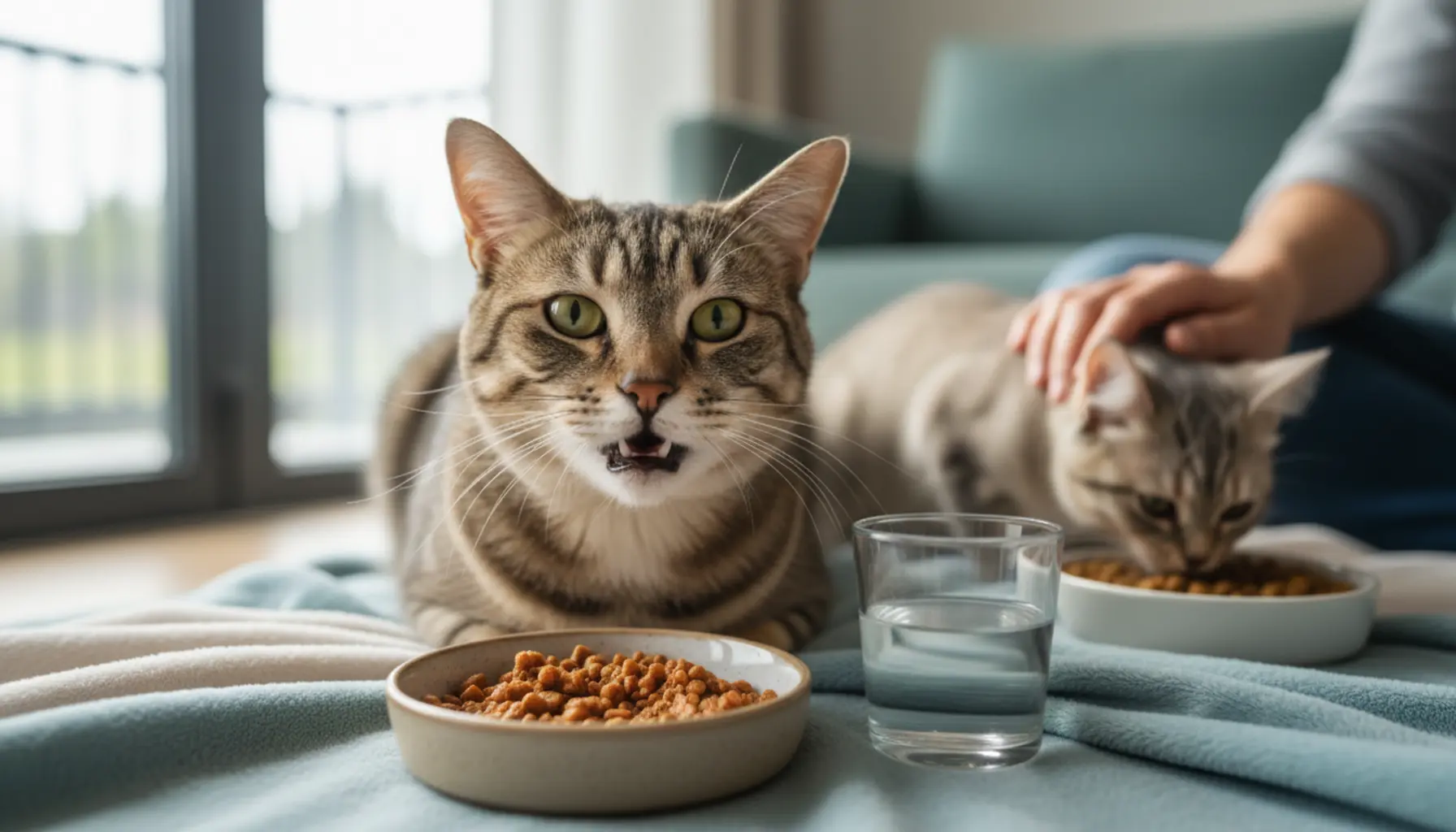
Later in the edentulous cat’s life, the most important thing is to balance their diet and take into account individual health needs, such as age, activity level, or comorbidities (e.g., chronic kidney disease, diabetes, food allergies). Many cats after tooth extraction paradoxically start eating more, since they are finally free from chronic pain, which can lead to weight gain, especially if their owner “feels sorry” and gives lots of treats. Therefore, stick to caloric guidelines set by the vet or animal nutritionist and monitor the cat’s weight at least monthly. For cats who, for various reasons, must remain on dry food (medical reasons or intolerances), you can consider permanently offering kibble soaked in warm water until a soft, but still structured, consistency is reached—some toothless cats will “chew” food with their gums. It’s essential that the food isn’t too hot or too cold, as extreme temperatures can increase discomfort; room temperature or lightly warm is safest. Regardless of the food’s form, hydration is important—a wet diet already provides a lot of water, but you can further encourage drinking by providing a fountain, bowls in various locations, or lightly diluting the wet food. Giving treats is a separate issue: hard dental chews, gnawing treats, or dried meats will typically no longer be suitable for a toothless cat, while soft treats—such as tube pastes, steamed soft fillets cut into small pieces, or special “lickable” treats—work great. For picky or cautious cats, gradual dietary modification, mixing the new food type with the familiar one over a few to several days while observing stool consistency, energy levels, and coat condition, is an effective approach. The final diet choice—commercial or homemade—should always be consulted with a vet, especially if considering a BARF diet or home-cooked meals, as a toothless cat still needs correct proportions of protein, fat, vitamins, and minerals, and a poorly balanced diet will quickly harm their overall health, even if eating seems easy and painless.
Oral Care for an Edentulous Cat
Mouth care for a toothless cat does not lose its importance after teeth removal—on the contrary, it becomes crucial to prevent recurring inflammations, pain, and discomfort. The lack of teeth eliminates the risk of caries and tartar, but the gums, tongue, cheek mucosa, and palate remain, all of which may be prone to irritation, sores, ulcers, or fungal and bacterial infections. Many cats that undergo full extraction had previously struggled with chronic mouth diseases such as chronic gingivitis and stomatitis, so after the procedure, vigilant observation and prevention are required. The basis is a daily home routine coupled with regular vet checkups. In practice, this means carefully checking the mouth—ideally during daily activities such as petting or feeding. It’s worth teaching your cat gentle mouth “reviews”: lifting the lips, assessing gum color (they should be light pink, without deposits or bleeding), looking for red, white, or gray patches, sores, or thickening on the mucosa. Bad breath, excessive drooling, smacking, rubbing the face with a paw, avoiding head touches, or a sudden lack of appetite can indicate emerging problems—in these cases, do not delay a vet visit, as even without teeth, a cat can still suffer from painful lesions in the soft tissues. A vital part of care is choosing a diet that’s gentle on the gums. Food that’s too hard, bones, or dried treats can mechanically irritate mucosa, leading to micro-injuries that foster inflammation. Smooth wet foods, soft chunks, or dry food soaked in warm water minimize irritation and help keep eating comfortable. Proper hydration is also crucial—dry, dehydrated mucous membranes are prone to cracks and sores, so encourage your cat to drink, for example with a pet fountain or by adding a little water to food.
Although classic tooth brushing is no longer relevant, you can use gentle oral hygiene methods for a toothless cat, always after consulting your vet. Some cats benefit from special gels, mouthwashes, or dental foams for pets, reducing bacteria and helping maintain fresh breath—avoid products meant for humans, especially those containing xylitol, alcohol, or strong irritants. When applying the product, be delicate: put a small amount of gel on a clean finger, gauze, or silicone cap and spread it over the gums and inside the cheeks, without vigorous rubbing. For many cats, even having a finger in the mouth is stressful, so patience, gentle rewarding, and gradual acclimatization are key—start with brief touches at the mouth’s corner, gradually working up to fuller “massage” of the gums. Another aspect is controlling factors that indirectly affect oral health: systemic illnesses (e.g., diabetes, kidney disease, FIV/FeLV viral infections), food allergies, and air quality in the home. Cigarette smoke, strong chemicals, or very dry air can exacerbate mucosal irritation. Keep claws trimmed as well—a toothless cat that scratches its face may transfer microbes from the litter box to the mouth and trigger secondary infections. Scheduled dental checkups are essential—even if a cat has no teeth, they should be examined every 6–12 months by a veterinarian, preferably with veterinary dentistry experience. During such visits, the vet will evaluate gum health, detect early signs of inflammation, assess the tongue, soft and hard palate, and—if necessary—run additional tests (e.g., scrapings, bacteriological swabs, or blood tests). Cats with chronic diseases may require more frequent checkups, allowing you to respond quickly to any recurrence of inflammation. A good practice is maintaining your own “documentation”—take pictures inside the mouth every few months (if your cat allows) and compare for new changes. Combining careful home observation, gentle hygiene treatments, an appropriate environment, and routine vet checkups helps keep an edentulous cat’s mouth healthy, letting them live pain-free and comfortably for years.
Dealing with Appetite Loss
Loss of appetite in a cat after tooth extraction is very common and can have both physical and emotional causes, so it is essential to quickly identify the reason and implement gentle but consistent actions. Immediately after the procedure, a cat may feel pain or discomfort in the mouth, have nausea from anesthesia, or generally feel weak, all of which naturally discourage eating. The owner should first observe how long reduced appetite persists: a few hours or a single day after surgery is typical, but a lack of appetite for over 24 hours—or even sooner for cats with concurrent conditions—calls for urgent veterinary contact. Untreated, prolonged fasting can lead to hepatic lipidosis, which is a life-threatening danger for cats. You must never just “wait for it to pass”—any post-surgical reluctance to eat must be taken seriously, especially if other symptoms are present, such as apathy, vomiting, drooling, bad breath, or difficulty eating. The surrounding environment matters as well: a cat who feels uneasy due to household noise, other pets, or sudden changes may add stress, further avoiding the food bowl. Offer a calm feeding spot, ideally where the cat felt safe before, away from traffic, children, and other animals so they feel secure while eating. Serving style is also important—the bowl should be shallow and wide so the whiskers don’t touch the sides and the cat can easily pick up food with the tongue, without scraping sensitive gums on the dish. Often, offering multiple small portions throughout the day works better than two large meals—less food per sitting leads to less effort and helps the cat readjust to regular feeding. Meal temperature matters: too cold can increase discomfort, so serve food at room temperature or slightly warm to enhance aroma and stimulate appetite. For picky or particularly sensitive cats, using strongly aromatic add-ins (e.g., a little water from tuna in its own juice—unsalted, chicken broth without spices, or special “cat sauces” from pet stores poured over food) can boost appeal. If the vet has prescribed painkillers or anti-inflammatory meds, never skip them—even mild, continuous pain will strongly block appetite, and owners might wrongly think the cat is “fussy,” when it is actually in severe discomfort.
Practical support for a toothless cat with poor appetite involves gradually diversifying feeding methods and stimulating motivation, but never through pressure. If the cat comes to the bowl, sniffs, and walks away, you can try offering food from your fingers or a small spoon, which often overcomes reluctance—this provides a sense of closeness and security and helps get a small amount of food into the cat’s mouth. However, don’t force food deep into the mouth, since that can cause nausea or increased stress. If recommended by the vet, special convalescent diets—very tasty and calorific, often in smooth mousse form—can help, as even small volumes provide lots of nutrients and energy and can be watered down to a nearly liquid, easy-to-lick meal. In extreme cases where the cat still refuses food, syringe feeding (without a needle) or in-clinic feeding tube placement may be necessary—although this sounds drastic, it can be vital to save the cat’s health and life, allowing the mouth to fully heal. At home, keep a simple feeding diary, tracking meal times, quantity, and reactions, to aid both monitoring progress and conversations with your vet at follow-up visits. Regularly monitor body weight—at home, you can use a bathroom scale (weigh yourself, then yourself holding the cat, subtract the difference) to catch even small but ongoing drops in weight. Apart from feeding, keeping to a routine is helpful: scheduled meal times, a calm atmosphere, familiar rituals (short play before eating, cheek stroking) help your cat feel safe and adjust to a new, toothless life. For some cats, stimulating natural hunting behavior by gently “moving” a piece of soft food on a spoon or dipping a favorite toy in it can stimulate the hunting instinct and curiosity. If, despite all these strategies, the cat still eats little, clearly loses weight, hides, meows while eating, or reacts aggressively to touch near the mouth, it strongly suggests the issue goes beyond typical postoperative appetite loss and needs renewed, detailed veterinary diagnostics—including blood tests, imaging, or another oral exam under anesthesia—to rule out persistent pain, infection, or other comorbidities.
Improving Quality of Life for an Edentulous Cat
Improving the quality of life for a toothless cat begins with understanding that the absence of teeth is not a disability, but rather a change in function that, when managed properly, can bring real relief and comfort. Many cats become more active, sociable, and playful after dental extractions because they are finally free from chronic pain. To preserve this benefit, owners should focus on several key areas: environment, daily routine, behavioral support, pain control, care, and regular checkups. At home, minimizing stress is crucial—a toothless cat, especially after a major procedure, needs predictability and a sense of security. Set sleeping spots, bowls in quiet corners away from noise and movement, and easy access to the litter box without jumping up all help reduce physical and mental stress. If there are other animals in the home, consider setting up a separate feeding area for your toothless cat to avoid dish competition and let them eat peacefully at their own pace. Older cats or those with additional health issues may need adapted spaces, like ramps or stairs to favorite resting spots, lowering shelves, or using beds with higher sides that feel cozy yet are easy to enter. Thermal comfort is important too, so sleeping areas should be warm and free of drafts, which matters especially for skinny cats that may have lost weight during painful periods. Organize a calm, predictable daily routine: fixed feeding times, repetitive play/rest cycles, gentle touch and grooming rituals—all help build a sense of safety and reduce anxiety.
A toothless cat, even if it looks healthy, might experience mouth discomfort for a while, so pain management has a huge impact on well-being and behavior. Close cooperation with your vet is crucial—after the procedure, they should outline pain management for the first days or weeks depending on how extensive the extraction was. Owners must follow instructions on painkillers and anti-inflammatories strictly—never experiment with human medicines. Later, as healing completes, observe for subtle signs of discomfort: rubbing the face with a paw, avoiding jaw touches, giving up favorite activities, sudden irritability when petted. Early notice of these may signal a recurrence of inflammation, ulceration, or other conditions such as autoimmune disease, enabling fast treatment. Physical and mental activity is also vital: tooth loss does not eliminate hunting instincts—indeed, many cats become more playful once pain is gone. Offer games adapted to their abilities: light balls, feather wands, tunnels, scent mats, and simple “hunts” for wet food hidden around the home. Part of the daily ration can be dispensed in interactive bowls or puzzle toys that require no chewing but motivate food seeking and mental stimulation. Gentle grooming—petting, brushing, mouth checks—should be linked to positive associations like a calm voice and soft treats, reinforcing the bond and reducing medical stress. Routine veterinary checkups, at least every 6–12 months, covering oral health, body condition, general status, and blood tests as needed, are equally important. That way, diseases common in cats with a history of dental problems—like chronic inflammation, metabolic disorders, or kidney disease—can be detected early. The combined approach of an adapted home, thoughtful daily schedule, pain monitoring, engaging play, and routine vet care allows a toothless cat to live freely, feel safe, and enjoy daily life despite physical limitations from losing teeth.
When to Consult a Veterinarian
For a toothless cat, regular contacts with a veterinarian are as important as before extraction, and often even more so. Owners should treat oral health monitoring as a constant element of prevention, not a one-off action post-procedure. Seek urgent vet consultation if you see any sudden general deterioration: apathy, listlessness, hiding, less interest in interaction, disinterest in play, or clear drop in activity. A particularly alarming sign is loss of appetite lasting more than 24 hours, especially in a cat that was eating well after extraction—it might indicate pain recurrence, inflammation, or other illnesses such as kidney, liver, or pancreas problems. Similarly concerning is frequent approaching the food bowl, sniffing and leaving, or trying to eat but then recoiling, hissing, meowing, or running away—classic signs of mouth pain requiring specialist assessment. Owners should also notice changes in eating: lots of drooling, dropping food, tilting the head, chewing on one side only, smacking, excessive lip licking, or rubbing the mouth on furniture and carpets. If these happen suddenly in a cat who was doing well edentulously, it may signal non-healing gums, ulcers, polyps, tumors, or post-extraction complications (e.g., retained root fragments). Another reason to visit is persistent or worsening bad breath, which should decrease after proper extraction and healing. If a cat’s breath again smells strong—or like pus, rotten tissue, or blood—this could indicate oral inflammation, infection, abscess, or a systemic disease. Also, see the vet immediately if you see bleeding from the mouth, blood on bowls, toys, blanket, or paws, frequent coughing, gagging, swallowing saliva, or “chewing air” movements—these might point to ulcers, oral tumors, throat inflammation, or respiratory diseases.
Beyond clear, acute symptoms, there are many subtle signals that should also prompt a checkup, even if the cat “seems fine” being toothless. One is gradual weight loss, less obvious than sudden appetite loss—weight your cat weekly and record results, as losing even 200–300 g quickly in a small pet can be significant. If a cat only accepts liquid food, refuses even soft pâtés, eats very slowly or breaks off meals, it may indicate chronic pain in the mucosa or tongue. Behavioral changes such as irritability when touching the head, neck, or mouth area, avoiding petting, aggression when you try to look into the mouth, or increased licking of the coat can be red flags (oral pain can cause general discomfort and “displaced” compulsive behaviors). In cats with chronic diseases—kidney, heart, diabetes, FIV/FeLV—any change in eating, drinking, peeing more, or increased thirst needs a vet, as being toothless does not mean being free from other health threats. Scheduled preventive oral checkups are also crucial even if nothing seems wrong: at least one annual visit for younger, stable cats and more often (every 3–6 months) for seniors, cats after extensive extractions, or with a history of severe gingivitis/stomatitis. In such visits, the vet examines gums, tongue, palate, lymph nodes, salivary glands, and orders blood or imaging tests if needed. It is also wise to consult the vet before major diet changes—switching to homemade, raw, or specialty diets—to avoid nutritional deficiencies that could weaken mucosal immunity. Special situations needing discussion include any recurrence of original symptoms that led to tooth removal (e.g., drooling with blood, clear eating pain, mouth odor), as this could indicate chronic, autoimmune inflammation or need for further diagnostics and treatment (pharmacological, immunomodulating, even additional surgery). The sooner you respond to initial, even ambiguous signs, the greater the chance of swift resolution and the best possible edentulous cat quality of life—without lingering pain or serious complications.
Summary
Many owners worry about their cat’s quality of life after tooth extraction. It’s important to know that removing painful, damaged teeth often brings a considerable improvement in health and well-being. The key is to tailor the diet to a toothless cat’s needs, helping maintain feeding and avoid appetite issues. Regular oral care prevents further health problems. Combined with routine veterinary visits, these steps can significantly enhance the comfort and quality of life for your cat—even after losing all their teeth.

