

Table of Contents
- Ragamuffin – Origin and Breed History
- Unique Appearance and Physical Features of the Ragamuffin Cat
- Ragamuffin Personality and Temperament – A Gentle Family Companion
- Caring for the Ragamuffin’s Fluffy Coat
- Ragamuffin Health and Lifespan – What to Watch For
- Ragamuffin Cat Price and Tips for Future Owners
Ragamuffin – Origin and Breed History
The Ragamuffin cat is a fascinating breed with a unique, albeit relatively short, history deeply rooted in breeders’ aspirations to create a cat with a gentle temperament, impressive appearance, and high intelligence. The origins of the Ragamuffin trace back to the 1990s in the United States, where a group of breeders decided to distinguish this breed from the already existing Ragdoll lines. The Ragdoll is considered the “mother” breed for the Ragamuffin, but the distinguishing features of the Ragamuffin emerged through further crossbreeding and careful selection. The name “Ragamuffin” was chosen by the breeders themselves as a symbol of a new beginning and a way to emphasize the distinction from their ancestors. Although the English word “ragamuffin” means “ragged” or “rascal”, these cats are anything but—they are friendly, majestic, gentle giants with big hearts.
The Ragamuffin is directly derived from the aforementioned Ragdoll cats, which were first bred in California in the 1960s by Ann Baker. Later on, some breeders, dissatisfied with Baker’s strict and sometimes controversial breeding rules, decided to follow their own path and develop a new line named Ragamuffin. To achieve the breed’s unique appearance and temperament, other breeds were introduced—such as Persians, Himalayans, and domestic long-haired cats—while carefully controlling for their friendly nature and plush coat. Initially, the newly created breed faced difficulties in gaining official recognition—some associations were reluctant to accept its existence or demanded stringent pedigree requirements. The breakthrough came at the end of the 1990s and the beginning of the 21st century, when TICA (The International Cat Association) and other organizations gradually began to recognize the Ragamuffin as a distinct breed, separate from the Ragdoll both in appearance and temperament. Today, Ragamuffins are gaining popularity not only in the USA but also in Europe, including Poland, where more and more breeders value the breed’s psychological balance and friendliness—ideal for families with children, elderly people, and singles alike. The history of the Ragamuffin is a testament to how passion and vision can give rise to animals that captivate not only with their looks, but above all with their character, making them a permanent fixture among cat breeds worldwide.
Unique Appearance and Physical Features of the Ragamuffin Cat
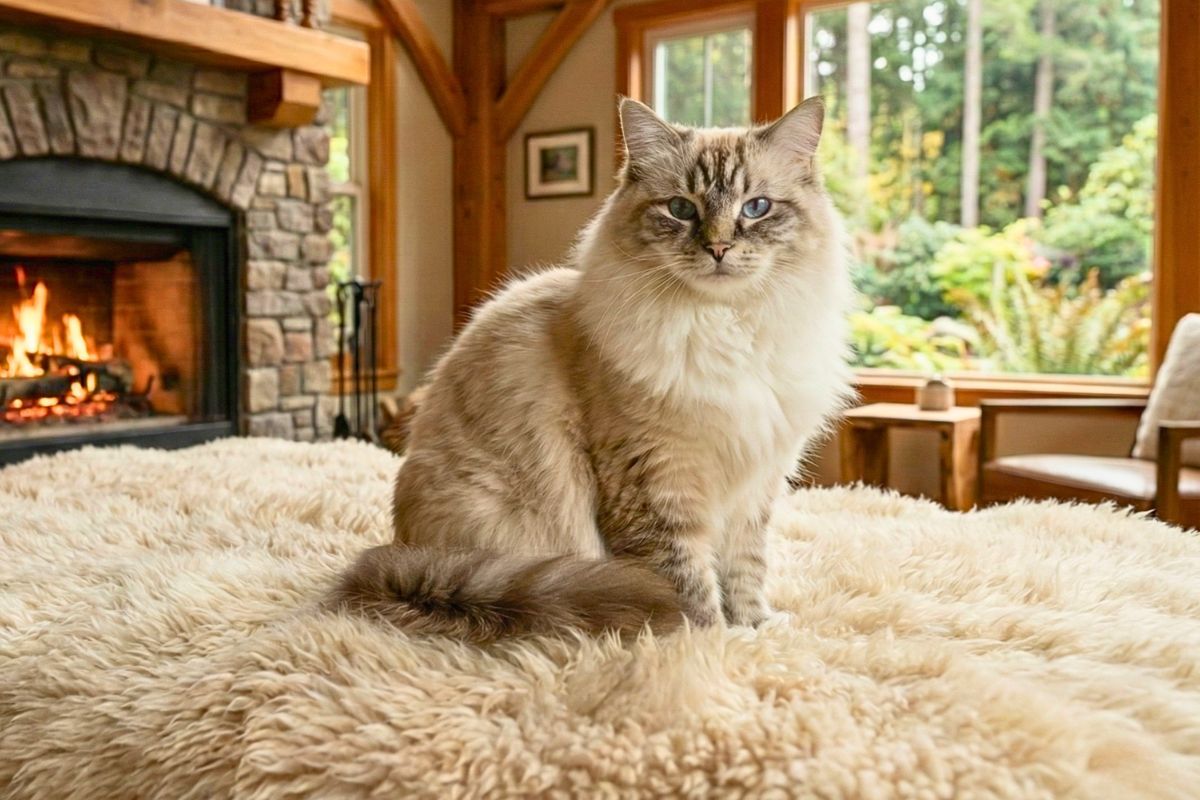
The Ragamuffin cat belongs to the so-called “gentle giant” group and stands out with its unique, eye-catching appearance that amazes both cat lovers and those encountering the breed for the first time. The first thing that stands out is its massive, muscular, well-built, and solid body, yet harmonious in shape. Adult Ragamuffins reach impressive sizes—males can weigh between 6 and 10 kg, while females usually weigh 4–8 kg. However, it’s not just their weight that gives them a majestic appearance: their broad chests, robust shoulders, and short but strong legs ending in rounded feet contribute to their grandeur. The Ragamuffin’s tail is long, extremely fluffy, resembling a plume. It usually hangs loosely or is curled in a graceful arc, adding a regal allure. The head is broad and rounded at the top, with pronounced cheeks, creating an endearing “smiling” look. Their signature trait is their large, expressive almond-shaped eyes, set widely and deeply, available in a variety of colors—from deep green, gold, and amber to intense blue or rare odd-eyed combinations. Ears are relatively small, slightly rounded at the tips, widely set, and often feature gentle tufts, which give the cat a mild but alert expression. All these features combine to make the Ragamuffin a serious, impressive, yet extremely friendly and charming-looking cat.
One of the most recognizable physical traits of the Ragamuffin is its exceptionally dense, semi-long, silky fur. The coat doesn’t cling to the body but flows freely around its silhouette, creating a soft, fluffy ruff around the neck and prominent britches on the hind legs. The outer coat is delicate, but the dense undercoat gives the cat an even larger appearance. Ragamuffin’s fur tangles less easily than many other long-haired cat breeds, but it still requires systematic care to maintain its shine. Ragamuffins come in almost every coloration and pattern—solid (e.g., black, white, chocolate, cream), tabby, tortoiseshell, with white markings or classic, and even colorpoint, yet without the limits typical of the Ragdoll breed. Thanks to this vast color palette, every Ragamuffin is unique in appearance. This breed matures slowly—their full physical and personality maturity appears between ages 3 and 5, so their final size and look can surprise their owners. Bone and muscle development occur slowly and evenly, contributing to their health, longevity, and resilience. Ragamuffins are not just beautiful: their physique suits both a relaxed life on the sofa and active playtime. The unique combination of mass, proportions, and appealing looks makes the Ragamuffin a cat that challenges stereotypes about pedigree cats—both in appearance and physical abilities.
Ragamuffin Personality and Temperament – A Gentle Family Companion
The Ragamuffin cat is the ideal among domestic cats—the breed is famous for its exceptionally gentle nature, winning the hearts of families, seniors, and pet lovers seeking a loyal, relaxing companion. The Ragamuffin is characterized by great patience and emotional stability; it rarely reacts impulsively or aggressively, even in new or stressful situations. It’s exceptionally trusting of people—forming strong bonds with its family almost immediately and adapting swiftly to a new home. It’s highly social: not only tolerating but loving the presence of children, showing remarkable gentleness with the youngest family members. Thanks to its understanding and respectful approach, the Ragamuffin is known as the “cat nanny”—it patiently endures noisy play or clumsy touches without ever losing its composure. This trait sets the breed apart from more independent domestic cats. Moreover, Ragamuffins get along excellently with other pets, including dogs and other cats. Their placid nature means conflicts or rivalry are rare—Ragamuffins prefer to withdraw from stressful situations than to provoke a dispute. They actively participate in family life—watching their guardians with dedication, following them from room to room, and even lying nearby as they rest or work. This makes them a perfect companion for elderly people or those living alone who seek the presence of a loyal, calm animal to bring a sense of closeness.
The Ragamuffin’s intelligence, combined with its gentle temperament, makes the breed easy to train, learning household rules with impressive ease. Kittens of this breed are exceptionally receptive—they quickly learn to use a litter box, scratcher, or suitable resting places. Their great willingness to cooperate also makes them suitable for basic training, such as walking on a leash, responding to their name, or following simple commands. Ragamuffins are not dominant cats; rather, they adapt to their family’s daily rhythm, showing flexibility and patience. They love to be stroked and will often sit on laps even with strangers, while physical contact like cuddling is a natural need for them. Long, lazy afternoons spent curled up on a guardian’s lap or in their arms are the Ragamuffin’s favorite, but when they sense playfulness, they eagerly join family games, especially with children. Ragamuffins are known to sense their owner’s mood—they are extremely empathetic and often respond to family sadness or stress by offering silent, soothing company. Their ability to form deep emotional bonds means that the breed doesn’t cope well with long stretches of solitude; Ragamuffins are unsuited to being left alone for hours on end and do best in environments where they have near-constant human company. Ragamuffins also adapt easily to new challenges—moves or changes in household members don’t frighten them, as long as they feel safe and maintain a stable daily routine. They are communicative: for all their gentleness, Ragamuffins are talkative, expressing their needs with sounds, subtle gestures, and looks. Their remarkable patience and desire for closeness make them perfect as affectionate, calm, and loyal family members, bringing harmony and comfort to the home for years.
Caring for the Ragamuffin’s Fluffy Coat
Caring for a Ragamuffin’s fluffy coat is a key aspect of looking after this extraordinary breed, renowned for its striking semi-long fur. Although Ragamuffin fur lacks a typical undercoat, making it less prone to matting than many other long-haired cat breeds, its density and length require regular attention to maintain its softness, healthy shine, and prevent tangles. The breed’s hair is silky and delicate and may have a slight wave, though is usually straight and sleek down the body. Systematic brushing is essential—ideally 2-3 times a week, but daily during shedding periods or for particularly plush individuals. Regular brushing prevents mats, which can lead to skin irritation and discomfort, removes dead hair, and limits the amount of fur left around the home. The best tools are soft “slicker” brushes, combs with wide and fine teeth, and natural bristle brushes that gently separate and smooth the coat. Be particularly attentive while brushing behind the ears, under the arms, on the belly, and around the tail—areas where the coat is most delicate and prone to tangling. It’s best to build positive associations with grooming from kittenhood, rewarding the cat during brushing and making it a part of the daily routine—Ragamuffins are naturally trusting and enjoy human contact, so they usually accept grooming without trouble. Regular coat care not only supports the cat’s health and looks but also strengthens the bond between guardian and cat.
Besides brushing, occasional bathing is an important aspect of Ragamuffin grooming, though it’s not needed often and should be based on individual needs and the state of the coat. Most cats of this breed don’t get dirty quickly, but a bath may be necessary if a Ragamuffin gets into something impossible to brush out or starts shedding heavily, as this helps remove excess dead hair. Only use specialized, gentle shampoos for long-haired cats to protect the hair from drying and tangling; after bathing, the coat should be thoroughly dried with a towel and gently combed to avoid mats. Regularly checking the skin during grooming can reveal signs of irritation, dryness, or parasites, allowing for quick action and a visit to the vet if needed. Comprehensive Ragamuffin care also involves checking the ears (partially covered by longer fur), trimming the nails, and wiping the corners of the eyes, especially in light-colored cats, where tear stains may appear. In summary, proper care of a Ragamuffin’s fluffy coat relies on routine, gentleness, and a positive relationship with the cat, ensuring even such an impressive coat won’t cause daily problems and will keep your pet healthy and beautiful for years to come.
Ragamuffin Health and Lifespan – What to Watch For
The Ragamuffin is considered one of the more disease-resistant pedigree cats, but like any breed, it has specific health predispositions to be aware of when adopting or purchasing a representative. The Ragamuffin’s lifespan is considered above average—many live to 14–18 years thanks to robust, healthy genetics maintained by responsible breeders. Longevity and good wellbeing in Ragamuffins depend on a healthy, balanced lifestyle from kittenhood. Their diet should be based on high-quality food, rich in protein—whether wet or dry—and must be free from unnecessary flavor enhancers, artificial dyes, or excess carbohydrates. Such nutrition favors coat condition, muscle mass, and the immune system. Regular physical activity, which Ragamuffins naturally enjoy due to their curiosity and gentle nature, helps prevent obesity—one of the few common problems for this breed. Excess weight not only shortens a cat’s life but also poses risks of serious metabolic diseases, joint problems, or cardiovascular issues. Providing not just daily affection but also toys for movement stimulation, scratching posts, or high shelves for climbing helps keep Ragamuffins in shape for many years. Avoiding stress is also crucial—these cats are strongly attached to their owners, so their well-being depends on feeling secure, having stability, and maintaining regular routines.
In terms of health issues, Ragamuffins can be vulnerable to some hereditary diseases. Despite the breed’s resistance, it’s vital to choose a reputable breeder—responsible breeding programs screen adults for genetic faults, eliminating animals with diseases from breeding. The main conditions to watch for include hypertrophic cardiomyopathy (HCM), which is relatively common in larger cat breeds like the Ragamuffin. HCM causes thickening of the heart muscle, leading to circulation issues, and can be fatal if not discovered early. Regular checkups, including heart ultrasounds and ECGs, are particularly recommended for older cats or those from HCM-prone lines. Another concern is polycystic kidney disease (PKD), also known in Persians—one of the breeds in the Ragamuffin’s ancestry. PKD causes cysts in the kidneys, gradually impairing their function. Testing litters and parents for PKD greatly reduces the risk for your pet. Less frequently, but still present in Ragamuffins, are metabolic disorders, eye defects, and skin allergies—these are usually due to poor diet, parasites, or environmental factors. Preventative care is key: annual veterinary visits, vaccinations, deworming, and dental/oral checks are essential, as poor hygiene can lead to inflammation and periodontal disease, affecting overall immunity. Since Ragamuffins mature slowly (up to 3–5 years), patience is needed along with support at each development stage, including regular weight checks and dietary and activity adjustments based on individual needs. Proper vet care, cleanliness, and routine grooming not only prolong a Ragamuffin’s life but, most importantly, preserve its quality—ensuring health and happiness at your side for years.
Ragamuffin Cat Price and Tips for Future Owners
Due to their uniqueness, gentle character, and rarity in Poland, Ragamuffin cats are considered one of the more expensive pedigree cats. The price of a kitten from a reputable breeder usually ranges from 4500 to even 8000 PLN, or more for show or breeding cats. Several factors influence the price, with the most important being: breeder reputation, pedigree and international success of the parents, the quality and uniqueness of the coat, as well as the cat’s status (pet, show, or breeding). Responsible and ethical breeders invest heavily in veterinary care, genetic tests for hereditary diseases, vaccinations, deworming, high-quality food, and proper kitten socialization. Remember that buying a cat from a questionable source, such as an online ad at a much lower price, involves serious risks—from no pedigree and poor health care to behavioral issues. A formal pedigree not only guarantees the cat’s breed but also its health and temperament—extremely important for the Ragamuffin, renowned for its gentle disposition. Besides the price of the cat itself, future owners should be prepared for additional costs: high-quality grain-free food, regular vet care, grooming accessories, scratching posts, and toys for physical and mental stimulation. Yearly expenses for a Ragamuffin can amount to several thousand PLN, especially for those committed to a healthy diet, regular vaccinations and health checks, and purchasing accessories suited to this “gentle giant.” It’s important to thoroughly consider this decision—not only financially but also in terms of readiness to provide proper conditions and care for many years.
Buying a Ragamuffin is not just a financial investment—it’s a significant responsibility. At the selection stage, conduct detailed research—talk to multiple breeders, visit the cattery, observe the socialization conditions, and ask for documents confirming genetic tests, results for hereditary diseases, and health prophylaxis. A good breeder should willingly provide detailed information about the litter’s parents, their character and health, and allow prospective owners to visit with the kittens before making a final decision. Potential guardians must also consider the breed’s needs in day-to-day life—Ragamuffins are very social and do not tolerate long periods of solitude, so are unsuitable for people away from home most of the day. They require not only regular grooming and health checks but significant emotional engagement. Dedicate time for play, interactive activities, and affection, helping the cat become self-confident and meet its need for closeness. Due to their tendency for overweight, it’s necessary to monitor both the amount and quality of food and provide exercise with engaging toys (e.g., interactive balls, rods, or tunnels). For safety, secure windows, balconies, or gardens for safe exploration without escape. Annual vet visits—at least once a year with blood work, oral checks, and detailed heart and kidney examinations—are essential. Begin coat grooming routines early, building positive associations so Ragamuffins perceive care as pleasure, not stress. Invest in proper brushes, shampoos, and natural grooming products dedicated to long-haired cats. Prospective Ragamuffin owners must be prepared for a long-term, deeply involved relationship with a cat whose emotional needs rival those of a dog—a breed that follows its guardian everywhere, joins daily household activities, and expects a close bond with “its person.” Considering all these factors will ensure that a Ragamuffin becomes not only a house adornment but, above all, a loyal friend for many years.
Summary
The Ragamuffin cat is an excellent choice for those seeking a fluffy, gentle, and social family companion. It enchants not only with its unique appearance and impressive physique, but above all with its friendly, “teddy bear”-like character. Proper coat care, regular attention to health, and awareness of maintenance costs will allow the Ragamuffin to reward its caregiver with a long, happy life. It’s a breed renowned as a gentle giant, perfectly suited to homes with children and other pets.

