

Table of Contents
- Peterbald Cat – Origin and Breed History
- Unique Appearance and Body Structure of the Peterbald
- Peterbald Breed Temperament and Behavior
- How to Care for a Peterbald Cat? Care Tips
- Breeding and Price of Peterbald Kittens
- Is the Peterbald the Right Cat for You? Key Information
Peterbald Cat – Origin and Breed History
The Peterbald cat is one of the youngest and most fascinating domestic cat breeds, closely connected to modern Russian feline science. The beginnings of this hairless breed go back to the mid-1990s and are associated with the city of Saint Petersburg, from which the breed takes its name—”Peterbald” combines the city’s name with the English word “bald.” The originator of the breed was renowned Russian breeder Olga Mironova, who in 1994 launched a carefully controlled breeding program. Her goal was to create a new type of hairless cat distinguished by elegance and unique beauty, combined with a friendly temperament. To achieve this, the first deliberate crossbreed was between the Donskoy (Don Sphynx) and the Oriental Shorthair, producing offspring that formed the foundation of the breed. It’s important to note that both Oriental Shorthairs and Don Sphynxes possess unique genes determining specific looks, temperament, and health predispositions. Genetically, the hairlessness of Peterbalds is determined by a dominant gene inherited from the Don Sphynx. Aside from breed standards, breeders also aimed to enhance desired temperamental traits, such as sociability, activity, and the marked intelligence of the Oriental cat. The result was a cat with a harmonious appearance, long, slender silhouette, and a virtually hairless coat, making it easily recognizable and increasingly popular.
The early years of the breed’s existence saw intensive breeding experiments, not only to fix the most desirable phenotypic and genotypic features, but also to achieve stable inheritance of hairlessness. Early litters could be completely naked or covered in a delicate, barely noticeable fuzz—currently known as the accepted breed varieties (brush, flock, velour, bald). Official recognition of the Peterbald by the world’s largest feline organizations resulted from years of Russian breeders’ effort—the breed was approved by the Russian SFF club in 1996, and then internationally recognized by the Fédération Internationale Féline (FIFe) in 2003 and TICA (The International Cat Association) in 2005. Since then, Peterbalds gained worldwide popularity—first in Europe, then in the United States, Asia, and Australia. Today they are valued by breeders and cat lovers alike for their original look, gentle temperament, and rare hairlessness that sets them apart. Notably, breed development is ongoing—breeders strive to balance health, appearance, and temperament. The dynamic history and determination of feline enthusiasts have transformed the Peterbald from a local curiosity into one of the world’s most desirable, luxurious, and prestigious cat breeds.
Unique Appearance and Body Structure of the Peterbald
The Peterbald cat immediately captures attention with an exceptionally slim, elegant figure and modern body lines—a unique blend of Donskoy and Oriental ancestry. Their build is athletic but never massive—instead, long, slender limbs, an elongated, flexible torso, and an elegantly contoured, elongated neck predominate. Distinguishing features include a wedge-shaped head with a straight profile, pronounced, widely spaced cheekbones, and large, broad-based ears giving an almost exotic expression. Peterbald eyes are almond or oval-shaped, often with striking green, blue, or amber coloring—the gaze is lively yet gentle, accentuating their charm. The tail is long, thin, flexible, and tapers at the tip; some cats have a slightly whip-like tail. Despite a delicate appearance, these cats impress with muscular strength and agility—effortlessly jumping, climbing, and exploring their environment while in complete bodily control. Peterbalds are also known for their extraordinary, almost acrobatic posture when walking—gliding smoothly and lightly across the floor like true dancers. A key appearance trait is their skin and body covering. Peterbalds are born with varying degrees of hair—from completely bald (smooth, velvet-like skin) to delicate peach-fuzz coats (“brush” or “flock”) and even to very short, sparse “velour” fur. It’s important to emphasize that even in the not-completely hairless variants, Peterbalds have much less fur than most other breeds, and their skin is soft, warm, and delicate to the touch. There is a wide variety of colorations—practically all colors and patterns are allowed, so Peterbalds may be solid, tabby, tortoiseshell, point, or have contrasting markings on paws, ears, or tail. Their skin often features delicate wrinkles, most visible around the neck, head, groin, and belly, which add to their charm and individual character. The changing coat type and length in the first months mean that young Peterbalds can look very different even within the same litter, making them unpredictable and fascinating to breeders.
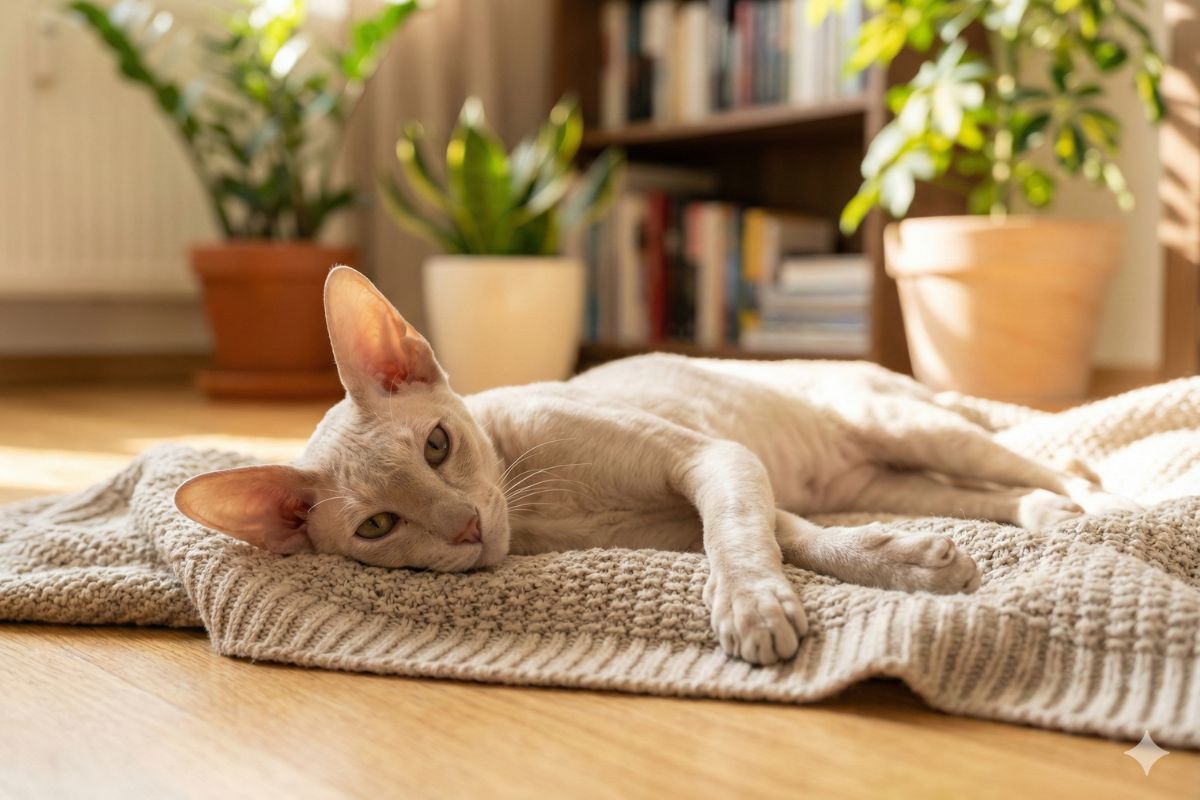
The Peterbald’s appearance is not only the result of inherited genes but also of deliberate selective breeding to highlight harmony and proportions. Kittens are exceptionally delicate at birth, and changes in their coat can last years—always a surprise for breeders and new owners. Peterbald also lacks the typical undercoat, making them practically immune to the seasonal shedding so typical of many other cats. However, not all variants are fully hairless—some individuals may retain a fine fuzz or very short coat on their tail, legs, or ears even as adults. Another unique feature is skin structure—warm, pleasant to touch, often with increased sebum secretion. Owners must, therefore, practice regular grooming and hygiene, which, in return, makes for a uniquely close bond with their pet. Peterbalds also have disproportionately large heads relative to their bodies, increasing the effect of their original, exotic appearance. Their general look recalls Far Eastern art, where long, thin lines and proportional silhouettes were admired—and this is exactly what defines the breed: slender, lightweight, and extremely expressive. No two Peterbalds are alike; their rare combination of elegance, attention to detail, and unusual beauty attracts cat lovers worldwide seeking a unique yet close bond with a four-legged friend. No matter coat length or color, the Peterbald always appears full of charm, expressiveness, and individuality—an ideal choice for those who value originality and timeless aesthetics among pedigree cats.
Peterbald Breed Temperament and Behavior
The Peterbald cat offers not only a unique look but, above all, a distinctive temperament winning a growing number of fans. Those who have met the breed emphasize its sociability, keen intelligence, and need for closeness with people. Peterbalds form strong emotional bonds with their guardians—actively joining in daily activities and adapting their behavior to the household mood. They don’t simply accompany passively: Peterbalds may seek out affection, cuddling, or petting, and often fall asleep in their owner’s arms or curl up on their lap. Thanks to their high sensitivity, Peterbalds easily sense the mood at home and can provide support during hard times, making them excellent companions for both singles and families with children. Their empathy and need for contact are often compared to dogs’ attachment—both in loyalty and desire to accompany their owner everywhere possible. This breed is especially open to people—guests aren’t a source of stress, quite the opposite: Peterbalds greet new persons with curiosity and friendliness, keen to participate in household events.
Peterbald intelligence is one of its key features—these cats learn quickly and enjoy engaging in interactive games such as fetch or solving puzzles. The breed needs varied mental stimulation to keep their attention and stave off boredom. They easily learn commands and even how to use a scratching post or toy on cue—rare among cats. Their curiosity leads them to actively explore their environment, investigate new spaces and objects, while remaining cautious and easy to manage. Peterbalds communicate not just vocally—though some individuals are rather talkative—but also through gestures and expressive looks. A big advantage is their territorial tolerance—they adapt easily to family changes and accept other pets, including cats and dogs, making them a good choice for multispecies households. Peterbalds are generally patient and gentle towards children—and, when treated well, become an indispensable friend of the youngest family members. Though energetic and curious, Peterbalds aren’t malicious or destructive—feeling secure and the regular presence of their guardian allows their gentle, cheerful nature to fully develop. Their activity level is high, so it’s important to provide plenty of toys, scratching posts, and opportunities to climb and explore. They often initiate play sessions by bringing toys or encouraging joint activity but also respect quiet-time when needed. Their unique loyalty and devotion mean that once earned, a Peterbald’s trust guarantees a faithful, warm-hearted companion who deeply cares about their owner’s happiness. Their positive, friendly nature lets them thrive in lively households, but also means they adjust their routine to their people, unlike many more independent breeds.
How to Care for a Peterbald Cat? Care Tips
Caring for a Peterbald cat differs significantly from caring for a typical furred cat, since these cats either entirely lack fur or have only a fine fuzz. Peterbald skin is more exposed to external factors, so a key aspect of daily care is keeping the skin clean. Unlike long-haired cats whose fur absorbs excess sebum, the skin of a hairless cat produces natural oils that can accumulate and cause contamination. Baths are recommended every 2–4 weeks using gentle, specialist shampoos for hairless animals—this prevents clogged pores, irritation, and unpleasant odors. Between baths, the skin can be wiped with hypoallergenic moist wipes, while monitoring for any changes, redness, or scratches—an indication to visit a veterinarian. Sunburn prevention is essential—Peterbalds should not be left in direct sunlight unsupervised, as their skin is highly susceptible to UV rays. In winter, provide a warm, cozy bed and avoid drafts, which could lead to rapid heat loss and hypothermia.
Attention to the cleanliness of sensitive areas such as ears, eyes, and claws is crucial for Peterbald health. Because of the lack of hair in the ears, wax and dust accumulate more quickly, so clean gently with a damp cotton pad—never insert objects deep in the ear canal. Eyes should be wiped with a soft, moistened cloth if there is excess tearing or discharge. Claws should be trimmed regularly, as hairless cats use natural means of claw-wear (climbing, scratching) less. Good oral hygiene—regularly brushing teeth with animal toothpaste and brush—helps prevent tartar and gum disease. Nutrition is also vital: Peterbalds often have a fast metabolism and need highly energetic, balanced food, rich in animal protein and fats. Avoid overfeeding or excess treats to reduce obesity risk. Listen to your cat’s needs by providing a friendly environment, enough places to rest, warm blankets, and daily play to meet their physical and intellectual requirements. Regular vet checkups, preventive vaccinations and deworming are crucial for such a unique breed. For Peterbalds, close contact with people is vital, so devote ample time and attention to prevent loneliness or boredom. A Peterbald owner should be ready to constantly monitor the cat’s skin and overall health, responding quickly to any worrying symptoms to ensure the pet’s comfort and safety every day.
Breeding and Price of Peterbald Kittens
Peterbald cat breeding demands knowledge, experience, and great dedication to preserve the breed’s unique outward traits, as well as excellent health. Breeding takes place mainly in registered, legitimate catteries affiliated with international organizations such as FIFe, TICA, or CFA, ensuring high standards for animal welfare and genetic selection. Responsible breeders prioritize not only the most desirable phenotype—a slim figure and hairless skin—but also temperament, freedom from hereditary diseases, and good kitten socialization. This begins with selecting parents for health, character, and appearance through tight selection and appropriate tests, including DNA testing for genetic illnesses, cardiac echo scans, and a thorough health check before mating. Top-level catteries offer clean, safe, and stimulating environments that positively influence kittens’ psychological and physical development. Socialization is crucial: Peterbald kittens interact with humans from the earliest days, fostering openness and trust and making later home adaptation easier. High-caliber catteries also provide the best veterinary care: vaccinations, deworming, and careful monitoring of the entire litter. Transparency in health documentation, parent information, pedigrees, and health guarantees for future owners is vital. Buying a Peterbald kitten from a reputable cattery provides a cat that not only meets breed standards but is also prepared for domestic life and bonds well with people, which is key for long-term animal wellbeing.
The price of a Peterbald kitten is among the highest on the Polish and European pedigree animal market, owing to the limited availability of litters and the cost of maintaining a high-level cattery. Multiple factors influence the cost: breeder reputation, pedigree (parent titles and show achievements), color/coat variant, and anticipated conformation and temperament. In Poland, a Peterbald kitten from a reputable, legal cattery with full pedigree, veterinary tests, and necessary vaccinations usually starts around 4000–5000 PLN for a pet, but may reach 8000–10000 PLN, and much higher for kittens destined for breeding or shows. In Western Europe and the USA, prices are even higher and often exceed the equivalent of €2000–3000 for the best lines. Other factors affecting the price include the level of kitten socialization, availability of vaccinations and microchipping, and breeder’s guarantee length and conditions. It is crucial to avoid buying Peterbalds from unknown, unregistered sources, as this involves huge risks for both pet and future owner—such cats often lack documentation, haven’t been tested, and may have dubious origins. The high price also results from the costs of maintaining a small breeding population, specialist veterinary care, and the need for regular breeding animal rotation to avoid inbreeding. A responsible breeder not only sells kittens, but also supports new owners after adoption, providing advice on grooming, diet, and adaptation—considerably increasing the value of the adoption process. Buying a Peterbald kitten is a considerable investment, encompassing not only the kitten’s price, but also initial equipment, adaptation visits at the vet, and, for this breed, special accessories for temperature and skin care.
Is the Peterbald the Right Cat for You? Key Information
The Peterbald cat, although outstanding in appearance and uncommon presence, is not the ideal choice for everyone. Owners of this breed must be prepared for its specific daily care needs and be aware of both advantages and challenges of having a hairless pet. Above all, Peterbalds are extremely sociable and do not cope well with loneliness—they expect closeness, shared activities, and active participation in family life. For people with hectic lifestyles who spend much time away from home, this breed may not be optimal, as lack of interaction can lead to behavioral issues and reduced kitty well-being. Peterbalds are highly intelligent and curious, needing regular mental stimulation, puzzle toys, and engaging play—owners should diversify the cat’s routine accordingly. Their innate communicativeness means they often conduct a “dialogue” with their guardians by vocalization or gestures, expecting interaction and a quick response to their needs. Families with children will find a patient, gentle companion in the Peterbald, eager to play and quick to bond with kids. The breed is also tolerant of other animals, making Peterbalds well-suited to households with other cats or even dogs, as long as socialization is correct and their comfort is respected.
Another crucial aspect for prospective Peterbald owners is skin care—delicate, prone to irritation and sensitive to the environment. Despite their lack of fur, these cats require more care than furred breeds. Regular bathing, ear and eye cleaning, protection from extreme temperatures and sunlight are daily responsibilities that can’t be neglected. Hairless cats get cold faster and are more prone to sunburn, so they need a comfortable, well-heated area for resting and should have exposure to harsh sunlight limited, especially in summer. The Peterbald diet should match their quick metabolism—a balanced, high-calorie diet tailored to the cat’s energy needs sustains good health and optimum condition. Future owners should also be ready for higher maintenance costs, not just in quality food, but also in care products, routine vet visits, and potential dermatologist consultations. It’s equally important to provide a suitable environment—Peterbalds love being in lookout spots, leaping onto high shelves, using scratchers, and soft beds. They demand guardian presence, routine care, and constant emotional engagement, so people looking for an independent, low-maintenance cat may find this breed too demanding. But if you cherish close bonds, are ready for daily contact, play, and care, and can provide suitable temperatures—Peterbald will be a devoted companion for years to come. Remember: adopting such a cat should be a conscious choice, preceded by thorough research, picking a reputable breeder, and honest evaluation of both the breed’s unique characteristics and your own expectations for your future feline friend.
Summary
Peterbald is a unique, hairless cat of oriental silhouette type, characterized by energy, intelligence, and great sociability. Though still a relatively young breed, it has won many hearts due to its unique look, friendly temperament, and strong bond with household members. Peterbald care requires regular skin attention and health monitoring, and purchasing a kitten from a reputable breeder involves a certain expense. If you are looking for an energetic, family-oriented, and extraordinary cat, the Peterbald is an excellent choice for those who value closeness and activity from their four-legged friends.

