
Table of Contents
- History and Origin of the Golden Cat
- Distinctive Appearance and Coat
- Behavioral Characteristics of the Golden Cat
- Golden Cat Grooming Requirements
- Health and Most Common Health Issues
- Ideal Living Conditions for the Golden Cat
History and Origin of the Golden Cat
The golden cat, often referred to in breeding circles as the “golden cat” because of its characteristic golden-hued coat, has a history tightly linked with the development of modern feline breeding and deliberate color selection. While many pet lovers today consider the golden cat a separate, noble breed with a fairy-tale appearance, its origins are rooted in breeding programs focused on producing a unique coat color rather than building an entirely new genetic line from scratch. The first reports of cats with distinctly golden fur appeared in Europe in the second half of the 20th century, when breeders paid increasing attention to unique fur shades among existing short- and semi-longhaired breeds. Through intentional mating of individuals carrying genes for warm, “golden” tones and distinctive shading, a cat type emerged known as the golden cat – with luminous, shimmering fur and a harmonious, elegant build. Recognizing the specific gene combination responsible for the golden hue was crucial. Breeders discovered that both eumelanin and pheomelanin pigments contribute to the golden effect, as well as how pigments are distributed along the hair shaft, often combined with shaded or tipped genes that limit color to the hair’s tips. This gives the golden cat its signature radiant look – with paler roots and golden color concentrated near the ends, reflecting a subtle shine as the cat moves. Early on, lines that combined golden fur with striking green or amber eyes were especially prized, intensifying the “royal” and exotic expression of the face.
The golden cat’s origins are thus the result of meticulous breeder work, drawing from the gene pool of various carefully selected breeds, considering not only fur color but also temperament – gentleness, balance, and sociability. Over time, more uniform lines of golden cats formed, registered in feline clubs and associations, with standards established regarding color, pattern, fur structure, and body proportions. The breakthrough was formal recognition of the color variant, opening the way for participation in shows, judicial assessment, and further, systematic selection. Across Central and Eastern Europe, golden color variants quickly gained popularity – their warm coloration matched the growing trend for “luxurious” looking cats, while still retaining friendly, family-oriented traits. Some breeders specialized exclusively in golden lines, building comprehensive pedigrees and exchanging breeding cats internationally, which quickly stabilized the desired phenotype. Today, the golden cat continues to grow in popularity among guardians who seek a visually stunning yet emotionally stable pet. It’s worth noting that many golden cat lines are still relatively young compared to age-old breeds, so breeders continuously refine the standard, prioritizing health, longevity, and a consistent temperament. The golden cat’s story remains “alive” – a narrative of constantly perfecting the harmony between its unique appearance and engaging character, making this breed ever more beloved worldwide.
Distinctive Appearance and Coat
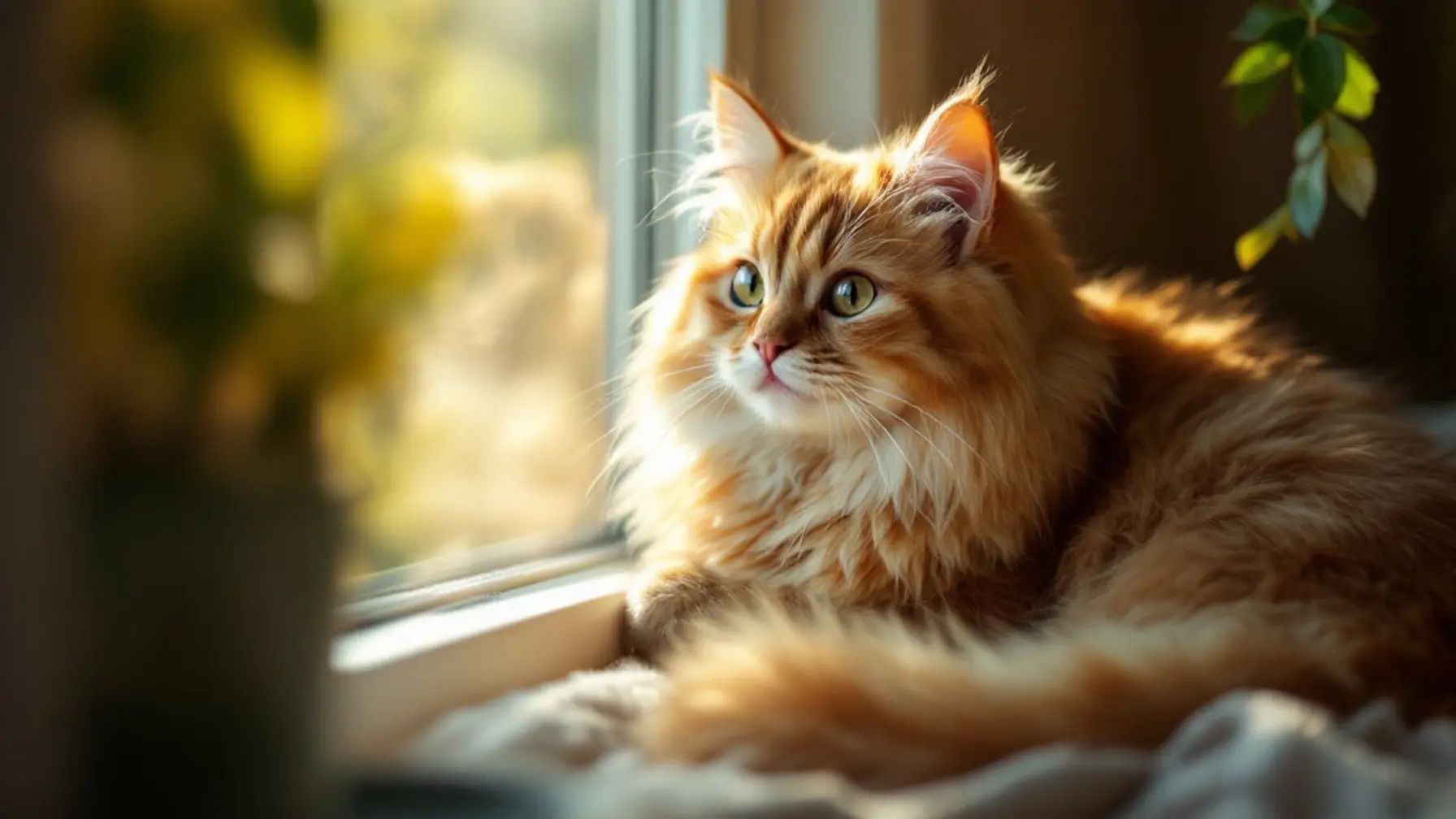
The golden cat stands out above all for its unusual coat, which appears to be illuminated from within. Its fur displays a deep, multi-dimensional golden tone – ranging from warm honey hues, through ripe wheat, to intense amber gloss. Individual hairs often show subtle shading: being almost cream at the roots with deeper gold at the tips. This means the coat never appears “flat,” but shimmers with every movement, accentuating a muscular physique. Breeding standards place strong emphasis on uniformity – ideally, the golden color covers the entire body, gracefully transitioning between a paler belly and darker back, neck, and sides. Patches, clear stripes, or excessive contrast are less desirable, though some lines may show delicate spots or subtle patterns, lending the fur individual character. The coat may be semi-long or long, depending on the breeding line, but it should always be dense, silky, and somewhat voluminous, with a rich undercoat. Mature golden cats often have an impressive ruff around the neck and a bushy, plume-like tail that highlights their dignified yet agile bearing. A key trait is the coat’s natural shine – a healthy golden cat has glossy fur, repelling dirt thanks to proper hair oiling, reflecting both good diet and grooming habits. Breeders also value intensity of gold pigment: deep, saturated tones are preferred, avoiding excessive red or pale sand colors. Therefore, careful parent selection aims to preserve color harmony, so each generation maintains a coherent, noble appearance.
Yet a golden cat’s exceptional appearance is not only about its coat, but also body shape and head, creating an impression of elegance with a hint of wildness. The typical golden cat is medium-sized and well-balanced – muscular and springy but also slender and graceful. The chest is moderately broad; the torso slightly long, combined with strong but not heavy limbs for smooth, fluid movement. The tail is proportionally long, broad at the base, narrowing at the tip, and usually very fluffy, enhancing the “golden plume” effect. The head is gently rounded, with soft lines and without exaggerated breaks or flattening, lending the face a soft, friendly look. Ears are medium-sized, slightly rounded at the tips and placed to broaden the head’s upper part visually, often with delicate tufts accentuating a “predatory” impression. The golden cat’s eyes are among its most striking features – large, slightly oval, and widely set. Their colors range from warm greens, gold to amber, beautifully complementing the fur. The ideal golden cat has intense, well-outlined eyes with a darker rim around the iris, making its gaze captivating. A “ring” of pale fur around the eyes may add to the mask-like face and depth of expression. There are often gentle brightenings on the chin and nose, as well as subtle transitions from warm gold on the cheeks to lighter tints near the whiskers. The nose may be brick-red or pinkish, sometimes with a darker outline, harmonizing with the eyes and fur. All together, this paints a picture of a cat that looks both noble and natural, like an embodiment of golden autumn light. Breeders pay close attention to details like paw pad color or ear interior – often slightly darker, contrasting with lighter fur, adding depth. With its rich golden coat, elegant proportions, and mesmerizing eyes, the golden cat is one of those breeds that immediately capture attention and leave a lasting impression of luxury and natural feline grace.
Behavioral Characteristics of the Golden Cat
The golden cat is noted for its balanced yet distinct temperament, combining a desire for human companionship with a nuanced hunting instinct. In day-to-day life, the golden cat often forms a strong bond with its owner, expressing attachment by following them around the home, observing their routines, and frequently seeking proximity. Most representatives of this breed enjoy spending time near household members – not always in the lap, but in the same room, from where they can monitor the action. Friendly toward people, the golden cat is also highly curious about its surroundings: it likes to explore new items, climb into open cupboards, watch household appliances, and “inspect” every corner. This curiosity requires providing safe outlets for exploration; otherwise, it can lead to persistent or undesirable behaviors, such as jumping on kitchen counters or pulling objects off shelves.
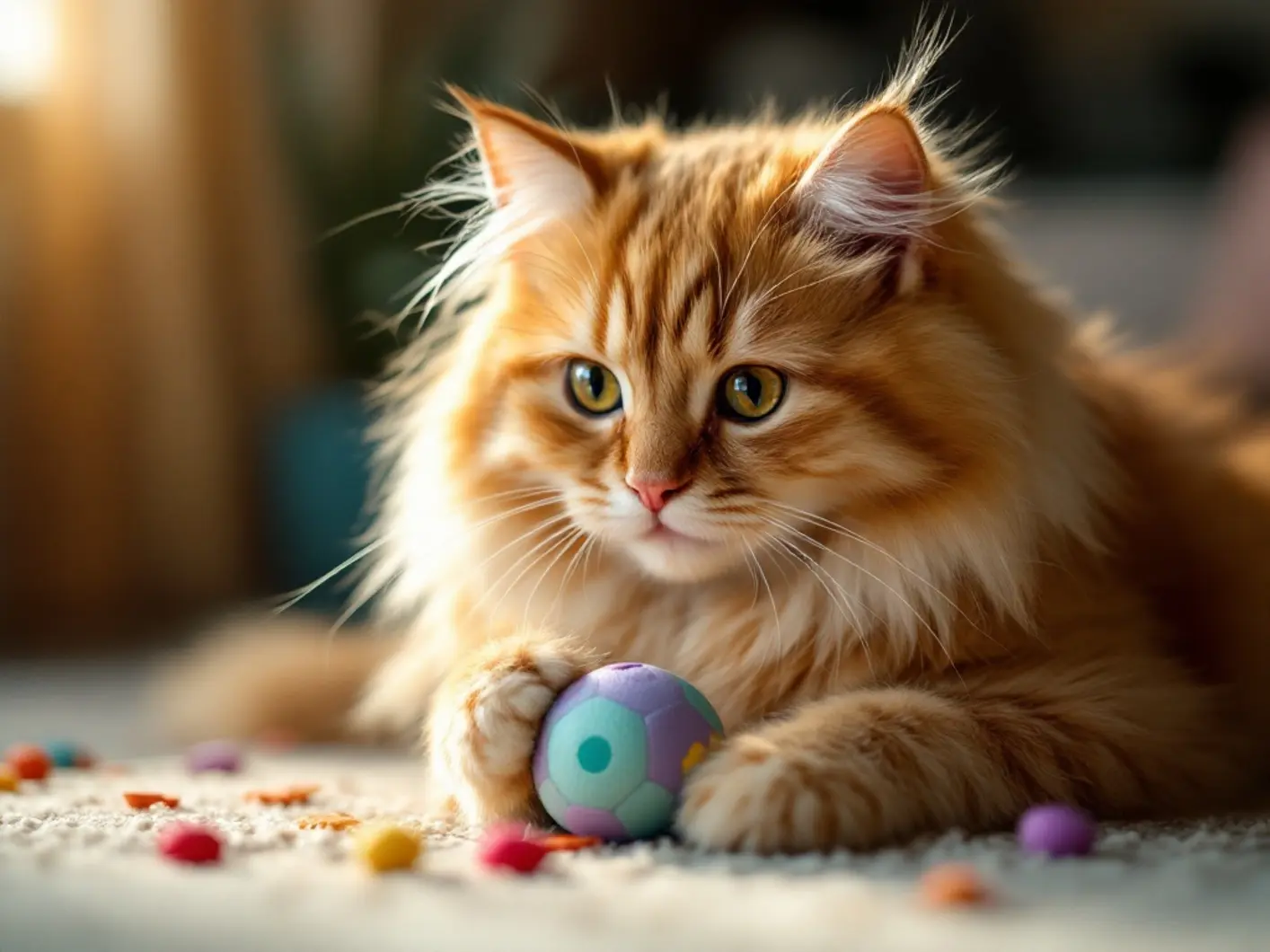
When it comes to human relationships, the golden cat is usually communicative but not overly vocal. Its vocalizations are often “talkative” – ranging from soft purring to gentle mews, expressing expectations or curiosity. However, a typical golden cat will not be annoyingly noisy without reason. Many breeding lines display notable intelligence and can learn simple rules, making positive training feasible – from coming when called and accepting carriers to performing basic tricks. At the same time, this breed possesses the classic hunter’s chase instinct: the golden cat eagerly responds to moving toys, ribbons, or balls, and with the right handling, enjoys interactive play like wand games or treat hunts on scent mats. Well-structured physical activity directly influences behavior: a mentally and physically stimulated golden cat is calmer at home, less destructive, and more likely to relax with its owner. With other animals, goldens show flexibility if socialized early – they can live with other cats and even dogs, although their natural need to control territory may make them slightly dominant. With children, they are generally patient, as long as respect is shown – golden cats do not like rough handling and may retreat rather than become aggressive. Generally, overt aggression is rare; avoidance behaviors are more common if they feel overwhelmed. Golden cats’ activity levels vary by individual and breeding line, but they are neither extreme “couch potatoes” nor hyperactive. They thrive in apartments if given vertical space (cat trees, shelves), hiding spots, and regular play – without stimulation, compulsive behaviors or attention-seeking may occur. Their emotional sensitivity also makes them prone to stress from environmental changes – moving furniture, relocation, or new family members. In such cases, they may hide, eat less, or temporarily withdraw from play, so maintaining familiar points of reference like a favorite bed, scratching post, or the owner’s scent during change is key. All these features make the golden cat an intelligent, inquisitive, and affectionate companion, yet one who requires a mindful approach to their emotional and physical needs.
Golden Cat Grooming Requirements
The golden cat, due to its unique fur structure and shading, requires thoughtful grooming aimed not just at maintaining its stunning appearance but primarily at ensuring skin health and comfort. The medium-length, dense, soft fur with a pronounced undercoat tends to mat if regular brushing is neglected. Brushing at least 2–3 times a week, and daily during shedding, is recommended, using brushes of varying firmness – soft brushes for smoothing top hairs and gentle combs or de-shedders for undercoat removal. Avoid overly harsh tools which can damage the delicate gold-tipped hairs. Brushing should be paired with a gentle skin massage to stimulate circulation, nourish hair follicles, and enhance coat gloss. Bathing is not required more than every few months unless the cat attends shows; in such cases, specialist gentle shampoos and moisturizing conditioners without silicones are used. Avoid human cosmetics and strong detergents, which can disrupt the skin’s natural barrier. Besides coat care, owners should regularly check the skin – dandruff, excessive shedding, or bald patches may indicate health issues, food allergies, or stress, often reflected in the quality of the golden cat’s coat.
Grooming the golden cat also involves systematic care of ears, eyes, nails, and oral hygiene, as well as maintaining an environment and diet conducive to health and appearance. Ears should be checked weekly and cleaned gently with special solutions and cotton pads; visible dark discharge, a strong odor, or frequent head scratching warrants a vet check, as golden cats can be sensitive to ear mites and fungal infections. Eyes, large and expressive, should be checked daily – small amounts of discharge can be wiped with saline-moistened gauze; persistent tearing or purulent discharge require specialist input. Nails should be trimmed every 3–4 weeks, especially in indoor goldens who naturally wear them down less – overgrown nails may snag fabric and cause injury. Oral care is crucial: diets promoting tartar abrasion (e.g., suitable dry food kibbles), dental chews, and training the cat to accept tooth brushing with cat toothpaste all help maintain mouth health. Diet is key for a beautiful, golden coat – balanced nutrition with omega-3/6, biotin, and zinc, as well as limiting excess carbohydrates, supports healthy skin and avoids obesity. Clean litter with fine, preferably unscented cat litter prevents paw pad irritation and maintains hygiene around the tail and belly. Regular vacuuming and airing, scratchers, shelves, and bedding away from drafts, and the use of non-toxic cleaners limit contact allergies and foster coat health. Careful monitoring of the golden cat’s health and looks, together with regular vet checkups, allow early detection of issues affecting coat quality and overall well-being for this striking and demanding breed.
Health and Most Common Health Issues
Despite being the result of intensive selection for color, the golden cat can enjoy overall good health if breeders manage genetic diversity responsibly. Because golden coloring usually appears in lines with longer, heavier builds, the golden cat is prone to certain issues owners should be aware of and monitor. The main risks are hereditary disorders affecting skeleton and heart, skin problems resulting from their dense coats, digestive disturbances, and dental disease. Responsible breeding includes screening breeding cats: X-rays of hips and elbows for dysplasia, echocardiograms for hypertrophic cardiomyopathy (HCM), and genetic testing if necessary. Golden cats from heavier lines may have more frequent orthopedic problems, such as hip or elbow dysplasia, showing as reluctance to jump, stiffness, or limping. Owners should watch for hesitancy in activity, trouble climbing, or pain when touching hips or spine. Early imaging helps implement supportive treatments (joint supplements, weight management, physiotherapy) or, if severe, surgery. Cardiac issues, especially HCM, are another concern, common in breeds used in golden cat breeding. Mild heart wall thickening may show no symptoms for a long time, so heart scans every 1–2 years, especially for adults and neutered middle-aged cats, are advised. Warning signs include fast tiring, rapid resting breath, coughing, sudden lethargy, or fainting; owners should monitor sleeping breath rates – a persistent rate over 30/min needs a cardiology consult. Early HCM detection allows for medications that slow progression and boost life quality. Beyond heart and joint issues, goldens may have hereditary kidney disease (e.g., polycystic kidney disease, PKD) or other renal insufficiency. Regular yearly blood and urine tests (more often for seniors), monitoring water intake, urination, and weight is strongly recommended.
Special attention should be paid to the golden cat’s skin and fur – rich double coats can cause overheating, matting, and skin problems. Insufficient grooming leads to skin inflammation, mat sores, and secondary bacterial or fungal infections. Excessive licking of one spot, lesions, redness, dandruff, or bad skin odor need a quick vet visit. Goldens can also suffer allergies (food, contact, or flea-related), presenting with itchiness, patchy hair loss, scabs, or skin inflammation. Prevention includes good parasite control (regular flea treatments, even for strictly indoor cats), high-quality diets, and – in case of problems – specialist-guided elimination diets. With some lines prone to obesity, managing weight is crucial – extra pounds worsen joint, heart, liver, and pancreas health issues. Too much weight may cause diabetes, urinary tract problems (cystitis, crystals) or even hepatic lipidosis, especially after sudden appetite loss. Owners should reduce calories gradually if the cat is gaining, adapt portions to real activity, and encourage regular play for energy control. Dental health is another concern – like many purebreds, goldens may develop tartar buildup or gum disease early. Bad breath, drooling, reluctance to chew dry food, or unilateral chewing signal possible mouth issues – dental checkups are a must. Prevention involves early desensitization to brushing, use of special pastes and chews, and regular professional cleaning under anesthesia as needed. For overall health, regular vaccinations (per vet schedule), deworming tailored to lifestyle, and routine health screenings (clinical exam, CBC/chemistry, urine analysis, and for older cats, abdominal ultrasound and echocardiogram) are essential. Close home observation of appetite, activity, coat quality, litter habits, and social behavior helps catch early signs of health problems in the golden cat.
Ideal Living Conditions for the Golden Cat
The golden cat, being sensitive, intelligent, and attached to people, thrives in a well-organized and predictable home environment with defined zones for rest, play, eating, and observing surroundings. Stability is essential – frequent moves, changing residents, or constant noise can generate chronic stress, affecting the cat’s health, coat condition, and behavior. The ideal home provides several elevated vantage points: shelves, floor-to-ceiling cat trees, window sills with screens, or special window platforms. Given their curiosity and hunting drive, golden cats require visual stimulation – views of gardens, streets, or birds satisfy their need to observe without exposing them to outdoor hazards. Unsupervised outdoor access isn’t ideal for the golden cat: risk of injury, infectious diseases, parasites, and animal conflicts is high. Instead, a secured balcony or catio with netting, climbing spaces, hideaways, and sunny perches is much safer. Indoor climate matters too – golden cats dislike drafts, sudden temperature changes, or very dry air (which can dry their skin and affect their coat); humidifiers in heating seasons and allowing cats to choose between cozy and cool spots aid their comfort. Loud music, shouting, or ongoing renovation noise can unsettle a golden cat; this breed usually flourishes in settings with moderate sound stimulation, where they can retreat to a quiet hideaway. Closed beds, cardboard houses with soft pillows, or “cat caves” in taller places away from traffic are ideal. The litter box should stand in a low-traffic, peaceful spot but still be accessible, and be positioned far from food and water bowls – something essential for a golden cat’s sense of comfort. The litter box should match the cat’s size, and the number of boxes must equal at least the number of cats (+1); for two golden cats, a minimum of three is recommended to avoid territorial and toileting issues. Delicate, unscented litter works best, as strong aromas may discourage sensitive goldens and trigger unwanted behavior. The feeding area should be clearly separated and promote a sense of safety – bowls should be placed somewhere the cat isn’t startled by sudden noise but can still watch its environment, reducing anxiety while eating.
Beyond spatial aspects, the ideal environment for a golden cat includes rich “enrichment” to meet its hunting, exploratory, and social instincts. As an intelligent and energetic breed, golden cats need daily interactive activity – several 10–15 minute play sessions work best, using wands, unpredictable moving toys, tunnels, and balls imitating prey. One long play session is less ideal and may even frustrate; shorter, frequent play mirrors their natural hunting rhythm. Goldens love interactive and puzzle toys – treat balls, scent mats, or slow-feeder bowls engage their minds and help avoid boredom or destructive habits like scratching furniture or excessive meowing. An optimal environment also features a clear daily rhythm – regular mealtimes, predictable patterns of owner activity, and repetitive rituals (evening play, morning petting) that give a golden cat security and emotional stability. In homes with children, teaching young ones to respect boundaries is crucial: not disturbing the cat while sleeping, not carrying it forcefully, and avoiding loudness or abrupt gestures. This encourages goldens to interact and remain affectionate and patient. For other pets, a gradual, controlled introduction process is vital, first with the golden cat in its own room, and eventually with every cat or dog having its own resources (bowls, litter box, bed). The golden cat’s well-being is boosted by proper lighting – access to natural daylight for circadian rhythm, but with shaded hideaways for rest from sun and stimulation. In hot weather, protect from overheating: cool tiles, access to well-ventilated spaces, or cooling mats and bowls of fresh (not icy) water are helpful. Clean, appealing water sources (e.g., cat fountains) are very important – some goldens drink more readily from running water, aiding urinary health. Ultimately, the golden cat’s perfect environment combines safety, enrichment, predictable routine, and attentive presence from a human who picks up on subtle signals from this sensitive, devoted companion.
Summary
The golden cat is a remarkably charming breed with a unique coat and friendly temperament. Ensuring good health and well-being means caring for proper grooming and offering conditions that suit its natural instincts. Understanding its history and behavior helps better integrate it into the home. Perfect for those seeking a friendly and one-of-a-kind pet companion.

