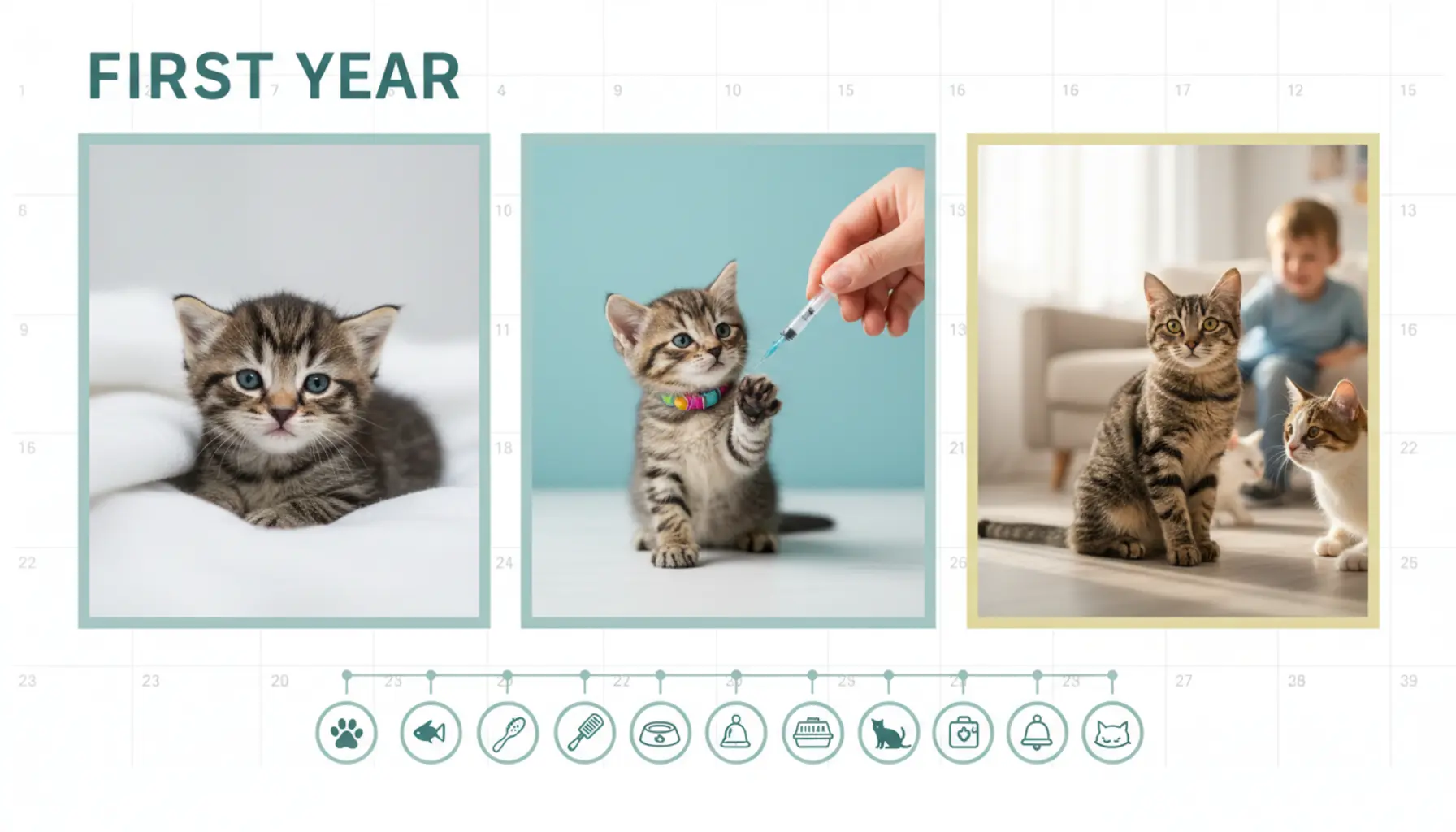
Cat vaccinations are the cornerstone of effective health prevention for every pet. A cat vaccination calendar helps protect against diseases and ensures a long, healthy life for both outdoor and indoor cats. When should you vaccinate your cat to provide optimal immune protection and comfort for your animal?
Table of Contents
- Why Vaccinations Are Important for Cats
- Cat Vaccination Calendar: What, When, and How Often
- Key Vaccines for Your Pet
- How to Prepare Your Cat for Vaccination
- What to Do After Vaccination: Tips and Care
- Frequently Asked Questions About Cat Vaccinations
Why Vaccinations Are Important for Cats
Cat vaccinations are one of the key elements of health prevention because they protect the animal from dangerous infectious diseases and their complications, which often result in death or permanent disability. Today’s cats, even those considered “indoor,” do not live in total isolation – they have contact with their guardians, other animals at home, sometimes with guests, can escape onto staircases or balconies, and pathogens may be brought in on shoes, clothes, hands, or in carriers. So thinking “my cat doesn’t go outside, so it doesn’t need vaccinations” is a dangerous myth. Vaccines train the cat’s immune system to recognize specific viruses and bacteria so that if an actual infection occurs, the body reacts quickly and effectively, preventing the disease from fully developing. As a result, the risk of severe illness drops dramatically; for some diseases – such as rabies – vaccination is the only real protection against an infection that is 100% fatal. Importantly, vaccination not only protects an individual cat but also limits the spread of pathogens in the population, reducing the chance that viruses and bacteria will continue to circulate among pets, strays, and wild animals. This is known as herd immunity: the more cats are vaccinated against key diseases, the harder it is for these diseases to find a “new host” and trigger an outbreak. This is particularly important in urban areas, neighborhoods, or regions where populations of free-living cats interact with domestic animals. Many owners fear that vaccinations “overload” the body or cause diseases, but modern preparations are designed to minimize the risk of adverse reactions and at the same time provide a strong and lasting immune response. Possible mild post-vaccination symptoms – such as short-term weakness, slight swelling at the injection site, or a mild loss of appetite – usually resolve spontaneously within 1–2 days and are incomparable to the risks and suffering caused by, for example, panleukopenia (so-called feline distemper), feline flu, or feline leukemia (FeLV). Panleukopenia can cause severe bodily damage, heavy diarrhea, dehydration, and death within hours, and the virus is extremely resilient in the environment and easily transmitted – this is why core vaccinations against infectious diseases are seen by veterinarians as absolutely vital, regardless of whether a cat goes outdoors. Vaccinations are also essential if a cat will have contact with other animals – for example in a pet hotel, breeding setting, at shows, or when a new animal appears at home. In these cases, the risk of pathogen transmission increases rapidly, and an unvaccinated cat can be both a victim and a “carrier” to other animals. Regularly renewed core vaccines build a stable “protective base” for life, reducing the need for frequent veterinary interventions, hospitalizations, and expensive treatments. For the owner, vaccinations are an investment—not only in the animal’s health and well-being but also in real financial savings: treating severe infectious diseases often costs many times more than a properly planned vaccination program, and its success is never guaranteed, especially for kittens, seniors, and immunocompromised cats.
Another key reason for the importance of vaccinations is their role in protecting public health and fulfilling legal obligations. In many countries, including Poland, rabies vaccination is required in specific situations—e.g., when a cat travels abroad, participates in shows, or after biting a person. Rabies is a zoonosis, meaning a disease transmitted from animals to humans, and it is always fatal after symptoms appear. That’s why rabies vaccination is not only an act of responsibility for your pet but also a way to care for the safety of household members, neighbors, and the whole community. Contrary to common opinion, cats can encounter wild animals, such as foxes, martens, or bats—especially in suburban and rural areas, where the risk of transmitting the virus becomes real. Besides protection against specific agents, vaccinations also help monitor your cat’s overall health, as every vaccination visit is an opportunity for a thorough clinical examination, auscultation of the heart and lungs, assessment of the mouth, skin, coat, and body weight. This way, the vet can spot subtle first symptoms of other illnesses—like kidney, endocrine, or dental diseases—before the cat’s condition worsens. For owners, regular vaccination schedules naturally combine with systematic health checks. Vaccination is especially important in kittens, whose immune systems are still developing and who lose maternal antibody protection after a few weeks. Without an appropriate vaccination series, they are very susceptible to infections, with often rapid disease courses. For older and chronically ill cats, the vet can adapt the vaccination schedule, choosing the safest products and intervals between doses to provide protection while respecting their body’s capabilities. There is also an ethical aspect: a guardian who deliberately skips vaccinations endangers not only their own animal but also others—especially those that cannot be vaccinated for medical reasons (e.g., during intensive chemotherapy or serious autoimmune diseases). A responsible approach to prophylaxis, based on up-to-date veterinary recommendations and reliable information, not just unverified opinions from the Internet, is thus key for a cat’s long, healthy life and the safety of its entire environment.
Cat Vaccination Calendar: What, When, and How Often
The cat vaccination calendar should always be individually tailored by a veterinarian, but universally accepted guidelines help owners understand when and for what a cat should be vaccinated. The basis is so-called core vaccines (mandatory/recommended for all cats), including panleukopenia (feline parvovirus), feline flu (calicivirus and herpesvirus), and—depending on national law and the cat’s lifestyle—rabies. The first vaccination for kittens is usually scheduled between the 8th and 9th week of life, when the maternal antibodies drop, and the kitten’s body is ready to respond to the vaccine. At this time, the first dose of the combined vaccine against panleukopenia, herpesvirus, and calicivirus is usually given, with a repeat after 3–4 weeks (usually at 12 weeks old). Many protocols recommend a third booster at 16 weeks or later, to maximize protection for kittens whose maternal antibodies might “block” earlier vaccinations.
After completing the primary vaccination series for kittens, the next milestone is the annual vaccination, usually at around 12 months old. This is a “booster” dose, solidifying the immune response and preparing the cat for long-term protection. Depending on the preparation, health status, and exposure risk, subsequent doses of panleukopenia, herpesvirus, and calicivirus may be administered every 1–3 years; more and more manufacturers allow extending intervals to every 2–3 years in healthy, adult indoor cats. Rabies vaccination is not always legally mandatory in Poland, but it is often strongly recommended, especially for outdoor cats, cats traveling abroad, or those living with young children. The first rabies shot is generally given from 12 weeks old, with repeats every 1–3 years, depending on vaccine type and local laws; for planned travels or shows, deadlines must strictly meet passport and document validity requirements. Besides core vaccines, there are optional (non-core) vaccinations, considered based on a cat’s lifestyle—for example, vaccination against feline leukemia virus (FeLV) is recommended especially for young, outdoor cats, those living in groups (temporaries, breeders, shelters), or in environments with unknown FeLV status. In practice, FeLV vaccination is often started in kittens aged about 8–9 weeks (first dose), with a repeat after 3–4 weeks, and a booster after a year; further boosters are typically every 1–3 years if the cat remains at risk. The calendar may also include vaccines against chlamydiosis or bordetellosis, though these are mainly for environments with high infection risk (large kennels, shelters) and should be decided by a vet after assessing the real threat. Special attention is required for adult cats of unknown health history (e.g., adopted from shelters): the vet usually “treats them like kittens,” administering two doses several weeks apart, followed by an annual booster, to ensure the immune response is adequate. For older (senior) cats, intervals may also be modified, but only after a prior health assessment (kidney, liver, heart function); for some seniors, immunizations are crucial, as their aging immune system handles infections poorly. For practical management, all vaccination dates should be recorded in a health booklet, app, or digital calendar to prevent long gaps that could lower protection. Scheduling visits every 12 months allows for booster shots if needed as well as a general health check—body mass, teeth, skin, and fur assessment—and, if necessary, adjustments to the schedule or other prophylaxis (deworming, tick protection, nutrition), making the entire care plan consistent with current guidelines, the cat’s age, and lifestyle.
Key Vaccines for Your Pet
Cat vaccines fall into two main groups: core vaccinations, recommended for virtually all cats, and non-core vaccines given according to lifestyle, environment, and individual risk factors. The core group includes, first and foremost, vaccination against panleukopenia (FPV – feline distemper), feline flu (herpesvirus FHV-1 and calicivirus FCV), and—in many countries—against rabies. Panleukopenia is one of the most dangerous infectious diseases in cats, especially kittens, characterized by severe vomiting, diarrhea, dehydration, and a rapid drop in immunity. Without vaccination, mortality is very high, and treatment relies mainly on intensive supportive therapy, often without success. The panleukopenia vaccine is highly effective, so with the right initial series and boosters, the risk of illness drops significantly even if a cat comes into contact with the virus. Feline flu comprises respiratory symptoms such as sneezing, pus from the nose, conjunctivitis, mouth ulcers, and weakness. While the vaccine may not always prevent illness completely, it clearly mitigates the severity, reduces complications, and shortens recovery time. You already know first doses are usually given at 8–9 weeks old, then at about 12 weeks, and then—according to the manufacturer—every 1–3 years, but the selection of proper core vaccines forms the foundation of your cat’s protection from the most common and dangerous pathogens. For cats adopted from a shelter or with unknown origins, vets often recommend a “catch-up program” with a full core vaccination series if the medical history is unclear or previous doses cannot be confirmed. Modern vaccines often combine protection against several pathogens in one injection, reducing the number of visits and the procedure’s inconvenience for the cat, while maintaining high immunization effectiveness.
Among non-core vaccinations, one of the most important is the vaccination against feline leukemia virus (FeLV), especially for outdoor cats, those in large groups, with contact with other cats of unknown health status, or living in temporary homes and pet hotels. FeLV affects the immune and hematopoietic systems, increasing susceptibility to infections, tumors (like lymphoma), and various immunodeficiency syndromes. Before vaccinating, a FeLV test is recommended (often combined with FIV testing) to avoid vaccinating already infected cats, as it provides no benefit. If the test is negative, the vet may propose two doses a few weeks apart, then boosters every year or several years, depending on recommendations and the cat’s risk. Another much-discussed vaccine is rabies. In many regions, this is compulsory for cats with public space access, border crossings, or those attending exhibitions and traveling. Rabies is always fatal and incurable, and cats can pass it to humans, making this vaccine a public health priority. The first dose can be around 12 weeks or later, with subsequent boosters yearly or every three years, as determined by the vaccine and regulations. Other optional vaccinations exist, such as for feline chlamydiosis (Chlamydia felis), mainly considered in large kennels, or areas with frequent ocular and respiratory infections, and vaccines for specific calicivirus strains in high-risk circumstances. Not every cat needs the non-core suite—this decision is made after discussing lifestyle, age, health, chronic illnesses (e.g., kidney failure, cardiomyopathy), and whether the cat lives with other animals. Importantly, never assume “the cat doesn’t go out” means no risk, as viruses can still be brought home on clothing, shoes, or hands. A good vaccination plan is built on a solid core base, supplemented with carefully chosen additional vaccines, all following current guidelines, local epidemiology, and a vet’s individual assessment.
How to Prepare Your Cat for Vaccination
Preparing your cat for vaccination starts long before the visit to the vet and greatly influences both the animal’s comfort and the safety and effectiveness of the vaccine. A few days before the appointment, make sure your pet is in good condition: the cat should be acting normally, have a healthy appetite, normal bowel movements, and show no signs of infection such as sneezing, coughing, watery eyes, or diarrhea. If you spot any worrying symptoms, contact the clinic and consider rescheduling, because vaccinating an ill or weakened cat may be less effective and sometimes contraindicated. For cats not regularly dewormed, the vet may suggest an internal parasite treatment (for roundworms, tapeworms, etc.) 1–2 weeks prior, as a heavy parasite load stresses the immune system and may affect vaccine response. It’s also good to ensure your cat has up-to-date flea prevention, as external parasites cause stress, itching, and potential skin infections—all of which hamper an optimal immunological response. For kittens, proper nutrition appropriate to age and weight is crucial; malnourished or dehydrated babies tolerate procedures poorly. For chronically ill cats (e.g., kidney failure, hyperthyroidism, heart disease, or diabetes), preparation should always be under strict veterinary supervision—sometimes blood, urine tests, or even cardiac consultation is needed to evaluate the vaccine type and timing. For the first visit, gather and bring all medical records: health booklet, prior vaccination history, test results, info about ongoing meds, and deworming dates to help the vet make safe decisions. Observe how your cat reacts to transport and vet visits—if stress is a problem, discuss gentle sedatives or the use of pheromones with your vet to minimize stress on vaccination day.
Another key part of preparation is familiarizing your cat with the carrier and travel process. The carrier should be stable, well-ventilated, and secure, best lined with a soft blanket or towel that smells like home for increased security. A few days before, leave the carrier open in the cat’s favorite room, place treats or a toy inside so the cat gets used to it and stops seeing it solely as a “trap” leading to the vet office. For especially sensitive or fearful cats, pheromone sprays or diffusers (like F3) applied inside the carrier 15–20 minutes before leaving can help relax them. On the day of the visit, maintain a calm, normal routine—don’t suddenly change feeding hours, introduce new loud stimuli, rush, or act nervous, as cats pick up their caregiver’s emotions and anxiety. If the cat is prone to car sickness, don’t feed it immediately before travel—the last meal should be 3–4 hours earlier, and upon arrival, offer a small treat as a reward and a positive association with the visit. Also plan a calm afternoon after the vaccine: no long journeys, no guests, or loud renovations as your cat may be drowsy, less active, or slightly sore at the injection site. Make sure your cat has a quiet, familiar corner, a soft bed, and fresh water, with the litter box and bowls easily accessible. After returning, discreetly monitor your pet: check its behavior, appetite, gait, and the injection site, and if you notice anything worrying (severe swelling, fever, trouble breathing, profound apathy), contact your vet, informing them of the vaccine date and type. Proper preparation—medical, logistical, and emotional—makes the procedure go more smoothly, reduces risks of side effects, and makes visits less stressful for your pet.
What to Do After Vaccination: Tips and Care
Immediately after vaccination, the cat can usually return home right away, but the first hours and days after administration require more attentive care. After leaving the office, transfer the cat to the carrier in a calm, confident motion and limit extra stimuli—no loud music, conversations over the carrier, or stops for shopping on the way home. At home, carry the carrier to a peaceful, familiar room, open the door, and let the cat leave at their own pace. Many cats are a bit sluggish or reserved after vaccines, sleep more, and avoid contact—this is usually a normal and brief body response. For the first 24–48 hours, limit rough play, high jumping, or stressful situations (guests, loud renovations) so the immune system can “focus” on responding to the vaccine. On the day of vaccination, some cats eat less; make sure they have access to fresh water and favorite, easily digestible food, without abruptly changing diet or introducing new treats—this helps distinguish a possible vaccine reaction from an intolerance. If a cat doesn’t eat for more than 24 hours, contact the vet, especially for kittens, chronically ill, or elderly cats. The injection site may be mildly tender, warm, or slightly swollen—a small, soft lump often resolves itself in days or weeks. Do not squeeze, massage, or apply any homemade “compresses” to it; just observe if it grows, hardens, becomes painful, or red. Do not bathe your cat or use new grooming products around the injection site for several days. If there are other animals at home, limit rough play and direct contact for several hours—not because the vaccinated cat is “infectious,” but due to being tired and possibly irritable. Families with children should clearly explain the cat needs to rest and not be picked up, hugged, or awakened while sleeping. Routine is vital—keep feeding times, litter boxes and beds where the cat expects, and be present and calm but avoid forcing attention. Gentle petting is fine if the cat seeks it, but if it hides or retreats, let it rest alone. Do not give any painkillers or anti-inflammatories “just in case” without consulting the vet—many human drugs are toxic to cats, and some may interfere with the immune response to the vaccine.
The key task of the caregiver is monitoring for typical, mild, and potentially severe post-vaccination reactions. Common, usually harmless symptoms include: temporary apathy, slight temperature elevation, mild injection site pain, minor appetite loss, and reduced activity. These usually disappear within 24–48 hours; if the cat otherwise responds to stimuli, uses the litter box, drinks water, and shows no major breathlessness or diarrhea, just continue gentle observation. It’s worth noting the vaccination date and any symptoms (e.g., in a calendar or app), as this “reaction history” is useful for planning future doses—the vet can then pick another preparation, change the schedule, or plan extra checks. Pay special attention to symptoms that may indicate a severe reaction or complication: sudden weakness, complete refusal to eat or drink, intense vomiting, watery or bloody diarrhea, pronounced breathlessness, blue mucous membranes, swelling of the face, eyelids, or tongue, wheezing, seizures, unconsciousness, or very high fever. Such signs may indicate an allergic reaction (including anaphylactic shock) and require immediate veterinary contact—preferably call while on the way to the nearest emergency clinic if at night or on weekends. Fast intervention gives the best chance of full recovery and allows future modifications, such as premedication before the next dose or another vaccine type. In the long term, also observe the injection site—if a lump stays for weeks, enlarges, or changes consistency, notify the vet, as rarely some reactions need further diagnosis. Once mild symptoms subside, your cat usually returns to regular activity and you can gradually resume normal routines, including more active play, training, or going onto a secured balcony. For outdoor cats, many experts suggest keeping them indoors for 1–2 days post-vaccine—both for observation and wellbeing. Responsible post-vaccination care also covers documentation—update the health booklet, record the next booster date, and discuss any doubts about ongoing prevention with your vet, especially if your cat has chronic conditions, is senior, or is a sensitive breed. This conscious approach makes every next vaccine visit calmer, and you’ll better understand what to expect after vaccination and how to appropriately respond to your pet’s behavior.
Frequently Asked Questions About Cat Vaccinations
Even experienced cat owners often have doubts about vaccinations, as veterinary recommendations evolve and every cat’s situation is different. A popular question is: “Does an indoor cat even need vaccination?” Vets’ answer is clear—yes, because viruses and bacteria can be brought home on shoes, clothing, hands, or other animals. Also, situations like sudden hospitalization, staying in a pet hotel, or introducing a new animal at home increase the risk of pathogen exposure. Another concern is age: “What’s the latest to start kitten vaccines, and can an unvaccinated adult cat still be vaccinated?” Kittens are usually vaccinated from 8–9 weeks old, with further doses at set intervals depending on protocol. Adult cats never vaccinated or with unknown medical history (e.g., adopted from shelters or the street) can and should be vaccinated—typically needing two initial doses 3–4 weeks apart and then regular boosters. Another common worry: “Don’t vaccines weaken the immune system or are too ‘strong’ for a cat?” Properly administered vaccines in healthy animals do not harm immunity—instead, they train it. Transient reactions such as lethargy or brief appetite loss are natural while building immune protection, highlighting why a pre-vaccination check is crucial. Another FAQ: “How long does a vaccine last, and what if I miss a booster?” Duration depends on the preparation—some core vaccines are licensed for 2–3 years, but frequency is always a vet decision based on lifestyle and risk. If you’re late by a few weeks, reschedule as soon as possible. Long delays may require repeating the main series to restore immunity. Owners often ask about contraindications: “When is vaccination forbidden?” The main ones are: high fever, acute infections, severe systemic illness in flare, anaphylactic shock to a previous vaccine, or advanced autoimmune disease. In such cases, the vet may delay, adapt the schedule, or recommend other precautions (strict isolation, hygiene, etc.).
Another group of questions concern safety: “Which vaccine side effects are normal and which should worry me?” Typical mild effects are: minor pain or lump at the injection site, mild apathy, less activity, short-term appetite drop, sometimes mild fever—these usually clear within 24–48 hours. IMMEDIATE contact with a vet is needed for significant facial, tongue, or eyelid swelling, breathlessness, vomiting, diarrhea, fainting, severe confusion, or prolonged high fever. Rarely, persistent lumps at the injection site occur—if lasting several weeks, a check-up is needed. Owners worry about older and chronically ill cats: “Can a senior or cat with chronic kidney, heart disease, or diabetes be vaccinated?” The answer is usually yes, after examination, as these cats are at higher risk for infectious disease complications. The vet may order blood, urine, sometimes ultrasound, then choose the safest vaccine and frequency. Popular is the question: “Should every cat get FeLV or other vaccines like chlamydiosis or bordetellosis?” These are usually optional—recommended for cats that go outside, live in large groups or with unknown-status cats, and thus need broader protection. FeLV testing is standard before vaccination, as the vaccine only prevents, not treats. Another FAQ: “Is it safe to give several vaccines at once?” Combined vaccines are widely used and well-tested—one injection covers several diseases. In some cases (tiny, weak, or previously reactive cats), a vet might separate doses to monitor reactions more closely. Owners worry about stress: “Is vaccination painful and how to minimize cat stress?” The injection itself is brief—most cats show only momentary discomfort. Stress can be greatly reduced by calm travel in a trusted carrier, pheromones (e.g., pheromone spray in the carrier 15–20 minutes in advance), and a friendly, quiet clinic. Ask your vet questions during the visit—addressing owner doubts calms both owner and cat, which senses our mood. Owners also wonder if a pregnant or nursing queen can be vaccinated: these decisions are always individual, usually avoiding routine immunizations during gestation and lactation unless there are exceptional needs (e.g., a high infection risk). All these questions show how important open discussion with a vet is—it allows you to design a vaccination plan that is effective, safe, and fit to your cat’s real needs.
Summary
Vaccinations are a key element in protecting your cat’s health. They help avoid numerous infectious diseases and increase resistance. Understanding the vaccination calendar and carrying out recommended shots regularly ensure your cat’s health and longevity. Every vet visit is also an opportunity to monitor your cat’s general health. Make sure your pet feels comfortable during and after the visit with proper care and attention. Knowledge about vaccination will help you provide your cat with the best life possible.