
Heart attacks in cats are rare, but serious heart diseases are common. Cats most often suffer from cardiomyopathy, which can lead to dangerous cardiac episodes. Discover how to recognize the symptoms and effectively protect your cat’s heart health.
Table of Contents
- Are Cats at Risk of Heart Attack?
- Cardiomyopathy in Cats – The Main Threat
- Typical Symptoms of Heart Problems in Cats
- Diagnosis: How to Identify a Cat’s Heart Attack
- Treatment and Prevention of Heart Disease in Cats
- How to Care for Your Cat’s Heart Health
Are Cats at Risk of Heart Attack?
Cats can suffer from serious cardiac problems, but a classic heart attack, as seen in humans (sudden coronary artery blockage from atherosclerotic plaque), is extremely rare in felines. In people, the most common culprits are atherosclerosis, high blood pressure, smoking, or obesity paired with abnormal lipid profiles. In cats, fat metabolism, the structure of blood vessels, and the development of cardiovascular disease differ significantly, so typical heart attacks almost never happen. However, this doesn’t mean cats are free from heart issues — quite the opposite. Most often, cats deal with diseases of the heart muscle itself (cardiomyopathies) rather than coronary artery disease. The most commonly diagnosed condition is hypertrophic cardiomyopathy (HCM), where the left ventricular wall thickens, the chamber loses elasticity, and the heart can’t pump blood effectively. This can lead to congestive heart failure, pulmonary edema, blood clots forming within the heart, or even sudden death — which owners sometimes mistake for a “heart attack.” In other words, while cats’ hearts can be damaged, the mechanism rarely matches a classic human heart attack, but clinical consequences (sudden cardiac arrest, severe shortness of breath, collapse) may look very similar.
The risk of severe, sudden cardiac events is real in cats, but these usually stem from ongoing, chronic heart disease developing quietly. Many cats’ early cardiomyopathy stages are silent: the cat seems normal, eats, and plays without showing clear signs of illness. But at a critical point, the heart fails: rapid breathlessness, blue-tinged tongue, weakness, loss of consciousness, or even sudden paralysis of the hind legs from a blood clot blocking blood flow to the hips can occur. For many owners, this dramatic event appears like a human heart attack, but in veterinary medicine, it’s usually acute heart failure, a big artery clot, or an arrhythmia. Key risk factors include genetics (particular breeds like Maine Coon and Ragdoll have well-documented gene mutations), age (increased risk in adults/seniors), hidden hypertension, hyperthyroidism, chronic kidney disease, and obesity, which burdens the heart and lungs. This means that, while “heart attack” in a strict sense is rare, cats are definitely at risk for serious, sudden cardiovascular episodes — often fatal without prompt veterinary help. Every cat, especially if older, obese, or with endocrine or kidney problems, as well as high-risk breeds, should be considered at risk for heart disease and have regular vet screenings — only early detection allows intervention before a dramatic “sudden attack” (what an owner might call a heart attack) occurs.
Cardiomyopathy in Cats – The Main Threat
Cardiomyopathy is the most common group of feline heart diseases and the main risk owners mistake for a “heart attack.” Unlike in humans, where typical heart attacks result from plaque rupture and coronary blockage, in cats, the issue is primarily with the heart muscle itself — its structure, wall thickness, and contraction. The most common form, hypertrophic cardiomyopathy (HCM), causes a pathologic thickening of the ventricular walls, especially the left ventricle. This thickening reduces the inside space, hinders blood filling, and disturbs contraction. As the heart works less efficiently, it beats faster to compensate, overloading the circulation. The altered structure also causes rhythm disorders (arrhythmias), which can trigger sudden fainting or even death — dramatic episodes owners often interpret as a heart attack. Other forms exist, such as dilated cardiomyopathy (DCM), where the walls become floppy and stretched, and restrictive cardiomyopathy, with stiffened heart walls. Regardless of the type, all forms impair heart function, often remaining almost symptom-free for a long time. Early disease phases may be subtle: a seemingly healthy cat plays and eats, with only signs like rapid breathing after play, reluctance to jump, or odd behavior hinting something’s wrong. Sometimes, the first sign is a murmur or irregular heartbeat detected during a routine vet check — but no murmur does not mean healthy, as cardiomyopathy can be silent on stethoscope and only appear in echocardiogram (heart ultrasound). As disease progresses, heart failure, fluid in the chest or abdomen, shallow or rapid breathing, cough (less frequent than in dogs), declining exercise tolerance, weakness, or even fainting can develop. A dramatic complication is a femoral artery clot: a blood clot from the heart blocks blood flow to the hind legs, causing sudden, agonizing pain and paralysis. This is often mistaken for “post-heart-attack paralysis,” while it’s really a late cardiomyopathy complication. Such blood clots are among the most dangerous, late-stage complications of cardiomyopathy.
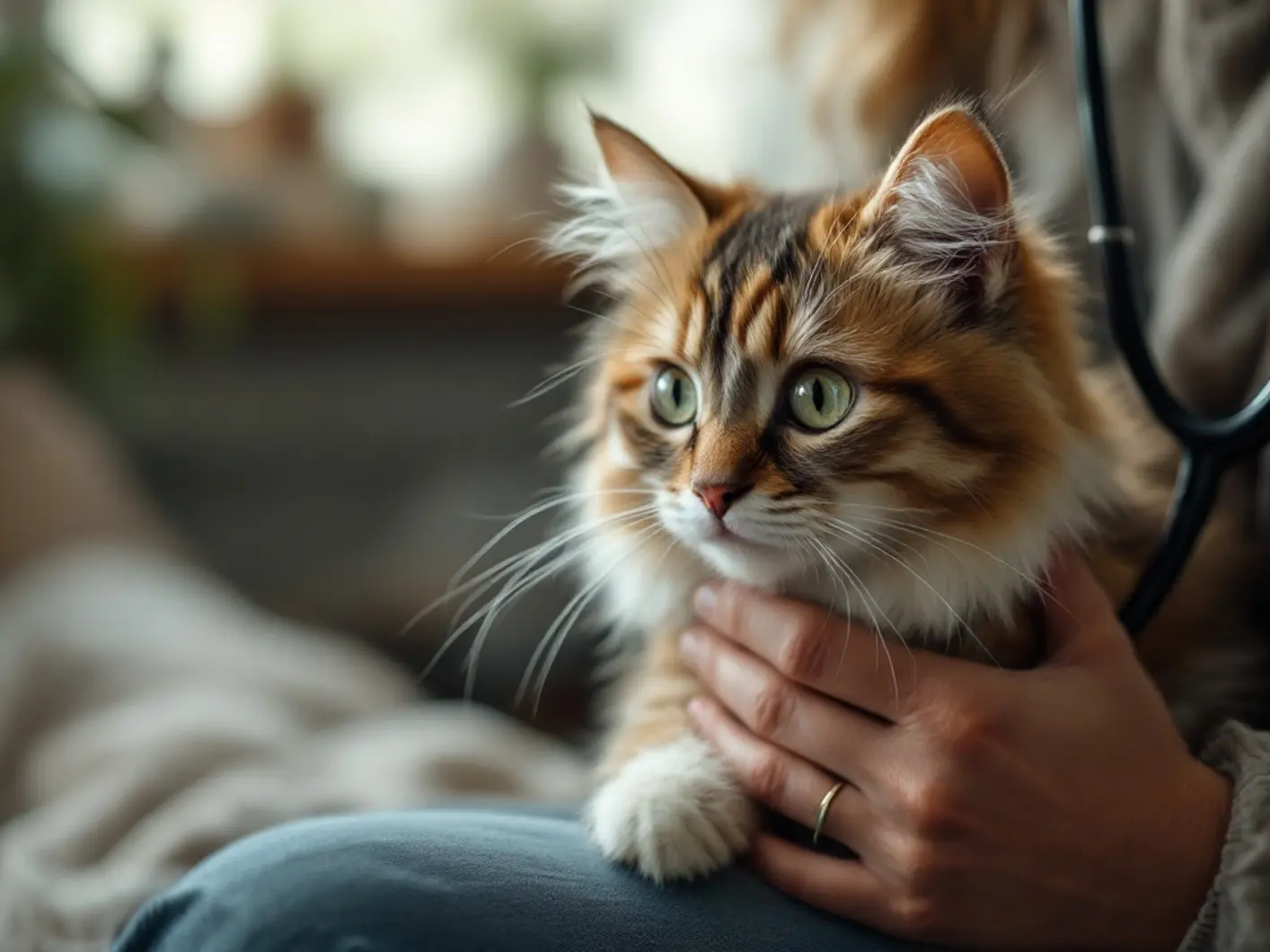
A crucial aspect of feline cardiomyopathy is the role of genetics and comorbidities. Research shows some cats have a hereditary tendency for HCM — known mutations in breeds like Maine Coon and Ragdoll, but also non-purebred cats can have familial heart disease. Yet, genetics isn’t the whole story. Hormonal disorders, especially hyperthyroidism (speeding metabolism and straining the heart), hypertension (often from chronic kidney disease), long-term stress, and obesity play significant roles. While cats don’t develop human-like atherosclerosis, being overweight puts more load on the heart/circulation, raises blood pressure, and worsens existing cardiomyopathies. That’s why prevention is key: keep ideal body weight, offer a balanced diet, avoid sudden or over-intense exertion in cats with known heart disease, and maintain regular vet checkups. Suspecting cardiomyopathy, vets use blood tests (including thyroid hormones), blood pressure, ECG, and most importantly, echocardiogram — to assess wall thickness, chamber size, contraction strength, and presence of clots or risks thereof. Early diagnosis enables medication — often drugs to help muscle relaxation and filling, heart rhythm regulators, and, where needed, anticoagulants to lower the chances of dangerous clots. Many cats with HCM, if managed properly, can enjoy good quality of life and reduce life-threatening “mini-heart attacks.” Understanding cardiomyopathy, recognizing key signs (rapid, labored breath, less activity, fainting, sudden hind-leg pain or weakness), and knowing that heart muscle diseases — not classic attacks — are the real threat, helps owners act fast if trouble arises.
Typical Symptoms of Heart Problems in Cats
Cats with heart disease, especially HCM and other cardiomyopathies, may appear healthy for a long time — making sudden episodes easy to mistake for a “heart attack.” Early symptoms are often subtle: the cat sleeps more, chases toys less, gets “tired” more easily, prefers lower shelves, or jumps less. This can look like “just aging,” but may indicate declining heart function. Common but vague symptoms include appetite loss, food “pickiness,” or periodic loss of body mass — in overweight cats, this may only show as lowered activity. Breathing disturbances can also be hard to notice: sometimes a cat pants after play, seems to breathe “heavier,” avoids long running, or lies down more frequently. As the heart weakens, rapid breathing at rest, visible use of belly muscles, or barely perceptible “pumping” of the chest — particularly if fluid is accumulating (effusion) — may occur. If you ever notice your cat open-mouth panting at rest or after mild activity, that’s an immediate red flag — unlike dogs, this almost always signals a serious heart or lung problem.
As heart disease advances, more specific symptoms show, but are still mistaken for other illnesses. These include brief collapses, sudden weakness, or fainting — the cat may lose balance, fall over, have a “glassy” look, and then recover quickly. Owners may put this down to “being startled,” when it may be an arrhythmia or brain hypoxia. One alarming, hallmark complication of advanced cardiomyopathy is so-called aortic thromboembolism — a clot breaking off and blocking blood to the hind limbs. This shows as abrupt paralysis: within seconds, the cat stops using its back legs, cries in pain, limbs feel cold and may turn bluish or purple. Owners often describe this as a “sudden heart attack,” but in reality, it’s a consequence of cardiac muscle disease. Other complications include abdominal fluid buildup (ascites), blue-tinged mucous membranes, and persistent lethargy. Externally, the cat may just seem very calm, hold sphinx-like poses with elbows out (to help breathing), or avoid lying on its side. There may be subtle behavioral changes: increased irritability when touched, withdrawal, hiding in quiet spots, or seeking cooler places, which can be mistaken for “summer apathy.” All these signs — mild or dramatic — should never be ignored, especially in middle-aged or older cats, overweight cats, or breeds at high risk. Even if the cause turns out to be something else (like lung, thyroid, or kidney disease), any episode of breathing difficulty, sudden weakness, limb paralysis, fainting, persistent apathy, or significant weight loss calls for urgent vet care and likely a cardiac workup — physical exam, heart ultrasound, or chest X-ray.
Diagnosis: How to Identify a Cat’s Heart Attack
Though a classic feline heart attack is exceedingly rare, diagnosing sudden cardiac incidents is complex and requires a precise approach. The first step is always a thorough history by the vet: questions about age, breed, illnesses (especially hyperthyroidism, hypertension, kidney disease), lifestyle, diet, and recent behavioral changes — episodes of breathlessness, coughing, fainting, back-leg paralysis, or sudden weakness. Details about prior signs (getting tired during play, lowered activity, weight loss) are crucial. Next, the clinical exam checks breath rate and quality, gums (pale or blue color indicate low oxygen), blood vessel filling, body temperature, and blood pressure. Chest auscultation reveals murmurs, rhythm disturbances, heart rate (tachycardia), or unusual lung sounds signaling fluid buildup (pulmonary edema, effusion). Usually by now, it’s clear if the heart or circulation are involved, but physical exam alone can’t distinguish a true heart attack from the much more common cardiomyopathy or other heart issues. Thus, imaging and lab tests are key. The gold standard when suspecting severe cardiac events is an echocardiogram (heart ultrasound) — especially important in cats, as it shows muscle wall thickness, heart chamber sizes, function, and if any clots are present. In HCM, the vet will see thickened left ventricle walls and enlarged left atrium, explaining the risk of clots. With a real heart attack, there may be localized weak or necrotic muscle, but this is rare in cats and tough to confirm absolutely. Further testing includes chest X-rays to assess heart silhouette and fluid, as these complications often directly cause the breathlessness mistaken for “heart attack.” ECG tracks rhythm, arrhythmias, conduction problems, or muscle hypertrophy. Some arrhythmias might suggest poor oxygenation or heart muscle damage, but in cats, they’re usually secondary to ongoing cardiomyopathy, not a sudden coronary blockage as in people.
Blood tests are increasingly important in distinguishing heart attack versus other cardiac disease, especially cardiac markers like troponin I or NT-proBNP — these show if the muscle has been damaged and how hard it’s working. Highly elevated levels signal a serious cardiac event, but don’t confirm a classic heart attack. Bloodwork also checks for comorbidities — thyroid, kidney, diabetes, anemia, or electrolyte disorders — which can worsen or mimic heart failure. In practice, the feline “heart attack” diagnosis is often by exclusion: ruling out more common acute crises like worsening cardiomyopathy, aortic clot, serious arrhythmia, pneumothorax, or severe asthma attacks. In emergencies — when cats come to the clinic breathless or after collapse — priority is stabilization: oxygen, calm environment, diuretics, vasodilators or anticoagulants, then, once stable, further diagnosis. Owners must act quickly: any sudden breathing change, blue tongue, “sphinx” pose with forelegs out, sudden hind-leg paralysis, or fainting means direct transport to a 24-hour clinic, not waiting “until morning.” Final diagnosis of a classic heart attack is often challenging even for experienced cardiologists, and usually remains suspicion based on clinical picture, results, and excluding other causes. What matters most for owners isn’t the exact label — “heart attack” or “cardiomyopathy” — but rapid recognition that the heart isn’t working well and that urgent, expert care is needed.
Treatment and Prevention of Heart Disease in Cats
Treatment for feline heart problems depends greatly on the condition and how advanced it is, making early diagnosis crucial. For hypertrophic cardiomyopathy (HCM), the leading cause of sudden cardiac events often mistaken for “heart attack,” therapy typically includes medications to slow the heartbeat and improve its filling, such as beta-blockers and calcium channel blockers. Cats with heart failure symptoms may need diuretics to remove excess fluid from the lungs or chest, easing breathing and lessening the risk of acute pulmonary edema — often seen by owners as a “heart attack.” Antiarrhythmics treat irregular rhythms, and in cats at high risk of clots (especially those with a greatly enlarged atrium), anticoagulant or antiplatelet drugs reduce the chance of aortic clots leading to sudden hind-end paralysis. Hospitalization, oxygen, or draining fluid from the chest or pericardium may be needed; to the owner, this looks like urgent rescue after a heart attack, but in reality, it’s usually a sudden worsening of underlying cardiomyopathy. Treatment is generally long-term — often lifelong — and medication protocols change regularly as per follow-up exams (echo, blood pressure, auscultation, and at-home observation). Close collaboration with your vet is vital: never alter dosages yourself or stop medications abruptly, as this can cause a sharp decline and potentially life-threatening events thought to be heart attacks. Remember, feeling better after starting therapy does not mean cure — the disease is controlled, but still present, and can worsen with added stress, dehydration, infection, or anesthesia.
Preventing cat heart disease rests on two main pillars: early detection and healthy daily habits for the circulatory system, which help minimize severe, sudden cardiac events. Start with routine checkups — for healthy adults at least once yearly, but for cats over 7–8 years old, overweight, genetically predisposed, or with comorbidities (hyperthyroidism, hypertension, kidney disease), even more frequent according to your vet’s recommendations. At each visit, the vet will listen to heart and lungs, check blood pressure and gum color, and, if needed, do an echo, ECG, or blood tests for heart markers — to catch disease before symptoms and before dramatic events mistaken for a heart attack. It’s critical to watch your cat’s weight: feline obesity promotes hypertension, metabolic disorders, and excess heart strain; thus, prevention means a tailored diet matching age and activity, limiting snacks, and gentle daily play sessions. In at-risk breeds like Maine Coon or Ragdoll, genetic testing in cattery settings and routine echo for breeding cats help limit transmission of faulty genes; for owners, this means choosing reputable breeders and ongoing cardiac evaluations. Managing other illnesses — well-controlled hyperthyroidism or hypertension — reduces cardiac overload and complication risk. At home, watch for early warning signs: quicker breathing during play, longer resting after activity, dropping appetite, weight loss, coughing, or front-extended resting poses — these could signal a heart issue. Don’t wait for a dramatic turn; seek veterinary advice promptly to determine what cardiac testing is needed. Awareness that “classic” heart attacks are rare in cats should not breed complacency — knowing real risks like cardiomyopathy, heart failure, or blood clots enables effective prevention and early treatment, vastly improving the odds of a long, healthy life for your cat.
How to Care for Your Cat’s Heart Health
Your cat’s heart beats nonstop for a lifetime, so cardiac prevention should begin young — not just once symptoms appear. Vet checkups lay the foundation: an adult healthy cat should see the vet at least annually, and older (7–8+ years), overweight, or sick cats should go even more often as advised. Vet visits should include auscultation, pulse check, blood pressure, and, if anything’s off, further workup: echo, ECG, chest X-ray, or cardiac blood markers. For HCM-prone breeds like Maine Coon or Ragdoll, consider screening echos from a young age, even if the cat seems perfectly healthy. General preventive measures — vaccines, parasite control — matter, too, since chronic infections, inflammation, or parasites can indirectly affect circulation. Monitoring your cat’s weight is essential. Overweight and obesity increase risks of hypertension, diabetes, joint overload, and reduced mobility, which together lower overall fitness, including heart function. Weigh your cat regularly at home or during vet visits, and track the numbers to catch gradual gains. Ideal weight depends on the cat’s size and type, so the Body Condition Score (BCS) assessed by an expert is the gold standard. If your cat needs to lose weight, do this only under vet guidance: cut calories gradually and encourage more activity while avoiding dangerous rapid changes. Diet quality is as vital as quantity: food should be rich in animal protein, taurine, and amino acids, plus vitamins and minerals critical for heart health. Avoid low-quality foods with high carbs and fillers, as these promote weight gain and do not meet your obligate carnivore’s needs. Constant access to fresh water maintains proper blood volume and supports kidney health, indirectly benefiting circulation. Keep table scraps and treats to a minimum; salt, spices, unfamiliar fats, and toxins (onion, garlic) can all harm the circulatory system. For cats already diagnosed with heart disease, your vet may advise a specialist cardiac diet or one to support both heart and other organs (like kidneys), so never make drastic food changes without consulting a professional.
Beyond diet and weight, regular physical activity and emotional wellness benefit your cat’s heart. Despite their reputation for laziness, domestic cats descend from agile hunters, making many short bursts of movement daily. They need opportunities to safely expend energy — short play bouts with wands, balls, interactive toys, or climbing routes stimulate circulation and muscle development. Multiple, short play sessions daily are better than rare, extreme exertion, especially for cats with hidden heart disease. Environment matters too: cat trees, wall shelves, hiding spots, and boxes encourage jumping, climbing, and exploration. Chronic stress is an underestimated enemy of cat’s hearts, raising pulse and blood pressure and decreasing immunity. Ensure a predictable routine, quiet recovery spaces, safe hideaways, and harmonious multi-cat relationships. Sudden environmental change, renovations, animal aggression, or lack of escape can cause long-term stress, which over years harms overall (and cardiac) health. Never ignore subtle hints: less interest in play, panting after minimal effort, more sleep, reduced appetite, or social withdrawal might be early signs of illness — including heart problems. Track behavioral shifts and discuss them at vet appointments, as these provide important diagnostic clues. If your cat is on prescribed cardiac medication, consistency is critical — heart meds are usually lifelong, and skipping doses or stopping abruptly can provoke sudden deterioration. Modern feline cardiology offers effective therapies, but success depends largely on attentive owners, their vigilance, and strict adherence to veterinary advice. The better you know your cat’s habits and daily rhythm, the quicker you’ll spot small changes suggesting the heart needs professional attention.
Summary
While cats do not experience heart attacks the way humans do, they are at risk for serious heart diseases like cardiomyopathy. It’s essential for owners to recognize the symptoms of heart problems and consult their vet regularly to ensure proper care. Prevention, a balanced diet, and routine checkups all help keep your cat’s heart in great shape. Understanding these risks and warning signs is vital for a long and healthy life for your feline friend.

