
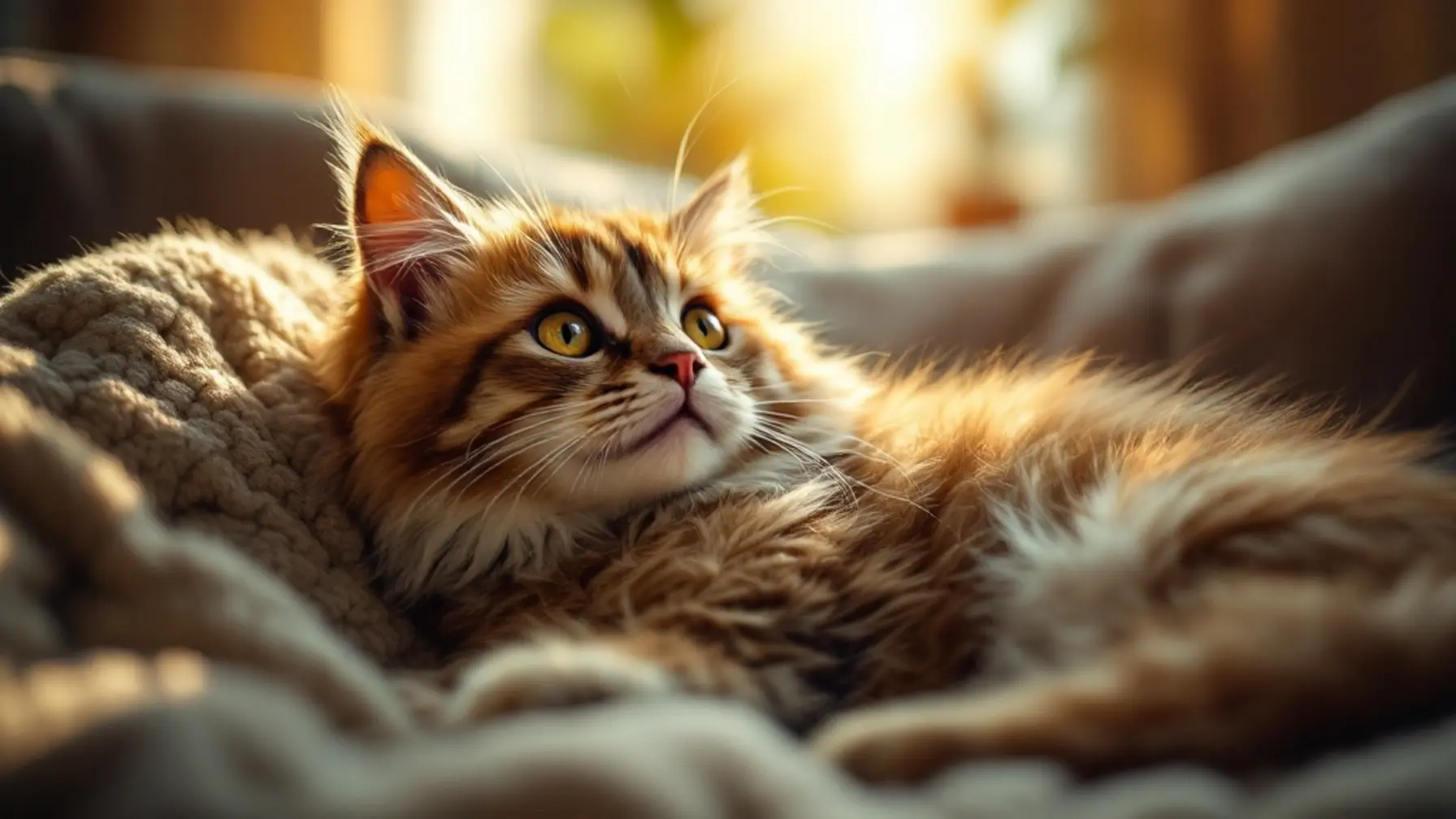
The British Shorthair cat captures the hearts of pet owners with its gentle temperament and unique, plush appearance. Its popularity continues to rise as it proves to be the perfect companion for homes, thriving both with families and in peaceful apartments. The breed is also known for easy grooming and longevity, making it an ideal pet.
Table of Contents
- History of the British Shorthair Cat
- Appearance and Breed Characteristics
- Why the British Shorthair Makes the Perfect Companion
- British Shorthair Care and Health
- British Shorthair Popularity in Culture
- Tips for Potential Owners
History of the British Shorthair Cat
The British Shorthair boasts one of the most well-documented and fascinating histories among cat breeds, closely intertwined with the story of Britain itself. Its origins stretch back to the era of Roman legions who brought sturdy, working cats to the British Isles to guard grain stores from rodents. These robust, weather-resistant cats are believed to be the ancestors of today’s British Shorthair. Over the centuries, they freely mingled in English towns and villages, forming populations of strong, hardy mousers—valued as both rural “workers” and urban cellar guardians. Natural selection meant only the healthiest, hardiest cats survived, which explains their renowned resilience and muscular build today. For centuries, these cats weren’t seen as a noble breed, but as the typical “British domestic cat”—admired for controlling mice and rats but far from the show cats we know today. Only in the Victorian era, as interest in organized cat fancy grew in Britain, did enthusiasts like Harrison Weir—the father of modern cat breeding—work to standardize and promote the breed. Thanks to him, the British Shorthair appeared at the world’s first modern cat show at London’s Crystal Palace in 1871, causing a sensation with its round body and “plush” coat. The breed gradually achieved defined standards: strong physique, round head, wide-set eyes, and short dense fur—especially in the classic “blue” color.
World Wars nearly led to the breed’s extinction. Many British Shorthair catteries disappeared during WWI, leaving just a handful of cats and prompting breeders to carefully cross British Shorthairs with Persians to strengthen the genetic pool and enhance traits like thick fur and chubby cheeks—features that define today’s “teddy bear” look. WWII dealt another blow, and once again, careful crosses with other shorthair breeds were needed to save the breed. By the 1970s and 80s, the British Shorthair was officially recognized worldwide, gaining popularity in Europe, North America, and Asia—attracting both breeders and regular cat lovers with its dignified, slightly “aristocratic” appearance and balanced temperament. The breed’s color palette also expanded, but regardless of color, the hallmark “plush” coat, solid bones, and heritage as Britain’s practical, well-bred cat remain universal. The British Shorthair is now a global icon of feline breeding: a combination of utility origins and generations of careful selection has ensured its place as one of the most beloved breeds in the world.
Appearance and Breed Characteristics
The British Shorthair is the epitome of a “plush teddy bear” in cat form—a breed with a harmonious body, strong build, and incredibly dense, velvety fur. Instantly recognizable, it features a compact sturdy frame: broad chest, thick neck, muscular short legs, and a medium-length, rounded tail. Adults are noticeably solid—males can weigh 6–8 kg, females 4–6 kg, most of it muscle and bone, not fat. Their head is round with full, hamster-like cheeks (especially in males), short but not flat muzzle (unlike Persians), and soft nose-to-forehead transition that steers clear of brachycephalic issues. The large, round, wide-set eyes give an expression of permanent curiosity—most iconic are deep copper or orange set against blue or cream coats. Ears are medium, widely spaced, and gently rounded, enhancing their overall sweet, rounded appearance. But their most spectacular trait is the fur itself: extremely dense, short, plush and stands away from the body like a stuffed toy. While the classic color is a solid blue-gray, British Shorthairs come in many colors and patterns today. However, no matter the color, the “plush” coat and robust bones must remain—a long, slender body or overly fine structure is not desirable. Owners should monitor diet to maintain ideal proportions and prevent obesity, which can spoil their elegant and well-balanced look.
The British Shorthair’s temperament is a key reason for its worldwide popularity—a blend of calm balance, subtle affection, and gentle reserve. Known for its easy-going nature, the British Shorthair prefers stability and routine, often selecting a comfy spot to observe the home quietly but not domineering the space. This makes them well-suited to both apartments and larger homes, as long as there are peaceful corners and a predictable routine. Their loyalty is expressed in quiet companionship rather than constant demands for attention—they’ll follow you from room to room and happily rest near you, but on their terms. This understated loyalty makes them particularly valued by remote workers or people spending lots of time at home. Despite their reserved nature, British Shorthairs enjoy affection if respected and approached properly, and with the right upbringing, become emotionally stable, tolerant of daily household noises, and get along well with children—provided the latter are taught proper respect. Their moderate temperament and lack of wild outbursts make them ideal companions for seniors as well. British Shorthairs also coexist peacefully with other cats or even dogs if introduced properly. Their intelligence is subtle—they quickly learn basic commands and adapt to their owner’s schedule, though flashes of their old “mouser” instincts show when a feather toy or plush mouse comes into play. This perfect combination of charming appearance and calm, predictable nature sees the breed regarded as one of the most “trouble-free” and fitting modern lifestyles, underpinning its unflagging global popularity.
Why the British Shorthair Makes the Perfect Companion
The British Shorthair blends qualities that many owners regard as the ideal feline friend: calm, balanced, undemanding, yet loyal and deeply bonded with their people. They won’t seek attention all day—preferring instead to quietly observe family life, following favorite humans to different rooms, settling beside them on the couch or windowsill. This “close but at a distance” dynamic makes the British Shorthair perfect for busy people, introverts, or anyone valuing gentle, non-intrusive companionship. They are typically quiet, rarely meowing without cause, which is a plus in apartments. Their communication is subtle: a low purr, meaningful glance, or a gentle tap to remind you about food or playtime. British Shorthairs are content alone for several hours, provided their needs are met, making them an ideal match for full-time workers seeking a calm companion after work. The breed is emotionally steady, slow to panic over changes or new stimuli, and more likely to observe from a safe distance than wreak havoc—making them excellent residents in stylish or delicate interiors. They also mature slowly, transitioning into relaxed, stable adults rather than hyperactive pets. This predictability makes it easier to build deep, respectful relationships. Many owners also remark on their cat’s affectionate moments in the evenings, when the British Shorthair will come over, snuggle near your feet, or gently nudge for pets—offering closeness without being overly clingy.
Another major advantage is their easy compatibility with different households and family types. British Shorthairs generally do well with children, provided the kids are taught to respect the cat. Their calm disposition and tolerance for noise mean they rarely react with aggression—instead, they withdraw to a quiet spot if overwhelmed. Many families see them as both a plush buddy and a thoughtful family member, joining daily rituals like watching TV or working at a home office. They also adapt well to multi-pet homes given gradual introductions, and their easy-going nature results in fewer territorial disputes—making them more host than warrior. British Shorthairs are undemanding yet grateful companions. Their short, dense fur needs only regular but not intensive brushing, and grooming often becomes a positive bonding ritual. Most quickly learn to use litter boxes, scratching posts, and respond well to training, particularly when treats are involved. With routine and moderate physical activity, they excel as calm home companions—happy for companionship, but not insistent on constant play. Predictability and routine are vital: regular feeding, cleaning, and play times build trust and deepen your bond over the years, making the British Shorthair a loyal partner for daily life.
British Shorthair Care and Health
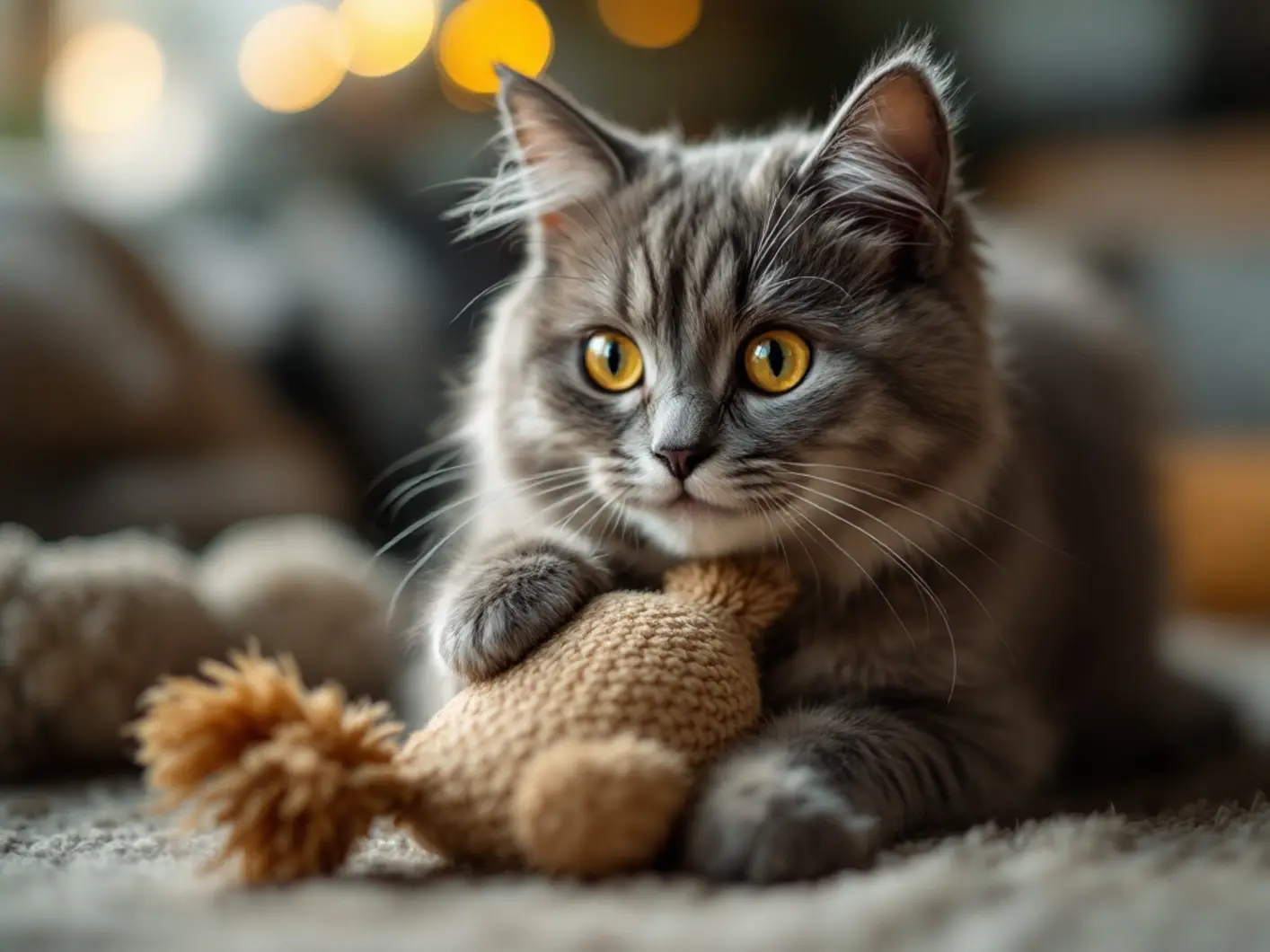
The British Shorthair is generally easy to care for, but regular, thoughtful grooming is essential to maintain both their health and elegant looks. Their short but dense coat, with an abundant undercoat, must be brushed once or twice weekly, especially during seasonal shedding, using a soft-bristle brush or grooming mitt. This removes dead hair and stimulates skin circulation. During spring and autumn, more frequent brushing minimizes hairballs. Baths are rarely needed unless recommended for medical reasons. The breed tends to gain weight easily due to its mass and laid-back nature, so it’s vital to control portions and feed a high-protein, quality diet matched to age and activity. Feeding schedules are preferable to free feeding, and treats designed for humans should be avoided. Owners should regularly weigh their cat and use Body Condition Score (BCS) checks. Encourage movement via scratching posts, cat shelves, interactive toys, or treat balls to maintain fitness without overexertion. Oral health is also important—like many cats, British Shorthairs can suffer tartar buildup, leading to gum or dental issues. Routine vet visits, dental diets, special treats, gels, and—if possible—tooth brushing help support longevity. Inspect and clean ears, trim claws, and gently wipe eyes as part of regular care, quickly catching changes like redness or unusual discharge that require a vet check.
Though generally robust and long-lived, the British Shorthair is predisposed to certain health issues. Hypertrophic cardiomyopathy (HCM)—a thickening of the heart muscle—and polycystic kidney disease (PKD) are the most notable, so responsible breeders screen parents for these diseases. Regular cardiac and kidney check-ups in adulthood are recommended, especially if symptoms like lethargy, breathlessness, or fainting appear. Hydration is essential, given their slow drinking habits; consider water fountains, multiple bowls, and incorporating wet food. The breed matures slowly, often reaching full size by age 3–4, and vet care should be tailored to each developmental stage: from kitten shots and parasite prevention (for both indoor and outdoor cats), to annual wellness checks and lab tests as they age. Joint support diets with glucosamine, chondroitin, or omega-3s, maintaining a healthy weight, and gentle daily exercise all help prevent orthopedic problems. Calm, stable environments are crucial as well—chronic noise, chaos, or frequent moves may stress these cats, possibly causing issues like urinary tract problems. Consistent care and a balanced diet maximize their chances for a long, healthy, and contented life.
British Shorthair Popularity in Culture
The British Shorthair has firmly claimed its place in pop culture, becoming a symbol of elegance, calmness, and trademark “British” charm. Its distinguished rounded lines, plush coat, and thoughtful expression make it the perfect choice for brands seeking to evoke luxury, tradition, and reliability. In ads and commercials, the British Shorthair appears as the “domestic aristocrat”—serenely moving through stylish interiors, perched on a leather couch, or watching the world from a modern apartment window. This visual strongly supports marketing messages emphasizing safety, stability, and home values. Pet food companies also feature the British Shorthair to highlight product quality and responsible care. Simultaneously, its photogenic looks have made it a social media darling among influencers and lifestyle brands—inspiring countless Instagram posts and TikToks showing the cat alongside designer furniture, books, candles, and coffee. The breed represents the ultimate companion for the modern, city-dwelling professional who values beauty, peace, and subtle luxury. Millennials and remote workers are especially targeted by campaigns featuring the British Shorthair as a low-maintenance yet elegant companion. Its round face, big eyes, and plush coat are go-to decorative motifs for calendars, posters, art prints, and stationery—and with its neutral, slightly aloof expression, it adapts to any visual context, remaining iconic and universally appealing.
The breed’s value extends deep into internet culture, celebrated for its photogenic expressions and serene, somewhat comical demeanor. On Instagram, TikTok, and YouTube, thousands of British Shorthair profiles have risen to “cat celebrity” status. Their mimetic flexibility—wide, sometimes surprised eyes, chubby cheeks, and plush build—makes every photo look almost professional. Owners often use their subtle facial expressions to create memes and short videos, giving the impression of typical British sarcasm or reflection. These memes cross language barriers and resonate globally, often depicting the British Shorthair as the “grown-up” cat, exemplifying responsibility, quiet, and dry humor. The breed also appears in video games as virtual pets, or in literature and comics as wise, gentle observers of human folly or as safe playmates for children. As the British Shorthair’s show success and presence in media, advertising, and the internet continue, it has become more than another breed—it’s a true icon of modern living, driving its ever-growing worldwide popularity.
Tips for Potential Owners
Despite its reputation as an “easy” pet, the British Shorthair requires thoughtful preparation long before bringing one home. Consider if your lifestyle matches the breed’s calm, moderate activity, and need for stability; routine and predictability suit them best. They don’t crave constant play or acrobatics, but do need gentle daily interaction—talking to, stroking, or just quietly sharing a space. Ask yourself: is your household peaceful? Can you keep regular feeding times and commit to a suitable diet to avoid obesity? Factor in budget for a quality kitten, premium food, vet care, and possible heart or kidney check-ups. The British Shorthair is not a “lap cat”—those seeking endlessly cuddly pets may be disappointed, as their affection happens on their own terms, more like a discreet roommate than needy plush toy. They suit remote workers, homebodies, and people away most of the day—provided you give them attention and stimulate their mind with play, simple treat puzzles, or safe window views. With children, the British Shorthair is a patient, balanced friend, but only if the youngsters treat it gently and with respect. When integrating with other pets, take things slowly and use scent swapping, pheromones, and staged introductions to support healthy relationships.
Preparing your home means optimizing comfort, safety, and health. Provide sturdy scratching posts, both vertical and horizontal—for all its calmness, the British Shorthair has a strong territorial instinct and needs to scratch to mark, stretch, and keep claws healthy. Choose heavyweight, stable scratchers and low, accessible shelves or beds suited to their solid build—too-high structures may be risky, especially for older cats with joint issues. They need quiet, secluded resting areas and wide, stable food and water dishes; use quality, ceramic or metal bowls and a large, deep litter box appropriate for their size (one litter box per cat, plus an extra, is the rule of thumb). Commit to proper feeding—high-meat food matched to life stage, strict portion control, and no table scraps. Wet food should predominate for kidney and urinary health. Instill a care routine from day one: brushing once or twice a week with a soft brush, regular checks of ears, eyes, and teeth, and using treats to reward cooperation builds positive grooming associations. Daily play, especially short active sessions, interactive toys, and scent mats help prevent boredom and overweight. From the start, coordinate with a vet familiar with the breed to plan vaccinations, deworming, and preventive lab work, as well as routine heart and kidney check-ups. When choosing a kitten, select a responsible, registered breeder who tests parents for genetic and cardiological diseases—this impacts not only looks but also lifelong health and temperament, ensuring comfort and safety for your new feline family member and your household.
Summary
The British Shorthair is an exceptional breed, celebrated not only for its plush good looks but also its wonderful, friendly personality. With a gentle nature and deep bonds with their humans, these cats are ideal companions for families and singles alike. Their care is straightforward, and dedicated attention to health allows them to live long, happy lives. Their cultural popularity is proof of their undeniable charm. By choosing a British Shorthair, you gain a loyal friend for many years.

