
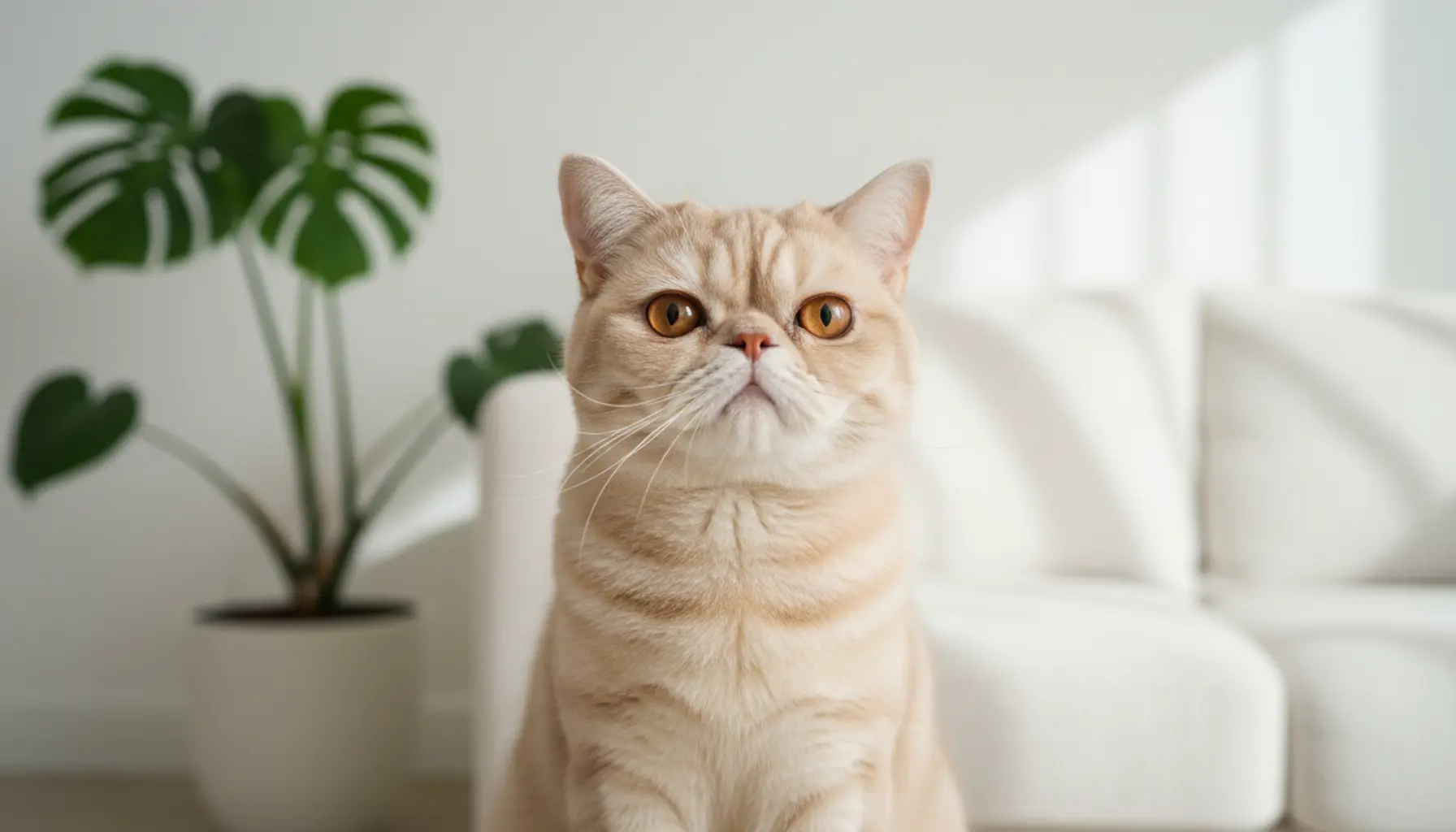
The Exotic Shorthair cat attracts attention with its unique, plush appearance and gentle temperament. This breed combines the charm of a Persian with the practicality of easier coat maintenance, making it an excellent choice for families. Discover the key features of the Exotic Shorthair, along with tips on care and health.
Table of Contents
- Origin and history of the Exotic Cat
- Breed characteristics and personality
- Exotic Shorthair price
- Exotic coat care
- Health and potential diseases
- Ideal living conditions for exotic cats
Origin and history of the Exotic Cat
The Exotic Shorthair cat is a relatively young breed, but its roots reach back to one of the world’s best-known and oldest breeds – the Persian cat. The idea of creating the Exotic was born in the United States in the 1950s and 1960s, when some breeders decided to combine the Persian’s characteristic looks – round head, short snout, big eyes, and stocky, cobby body – with much easier-to-maintain short hair. The first, often accidental, crosses of Persians with American Shorthairs, British Shorthairs, or even Burmese and Russian Blue cats initially aimed to improve the Persian’s body structure and head type rather than create an entirely new breed. Over time, breeders noticed that kittens with short, dense coats and the “gorgeous” Persian head had enormous show and commercial potential. As a result, they began purposefully planning matings to achieve a cat that “looks like a Persian in plush pajamas,” as American breeders jokingly say. The breed’s homeland is considered to be the USA, where the first breeding programs were systematized and the official debate over the standard for the future Exotic Cat began. Initially, the feline world was somewhat confused – some organizations regarded Persian shorthaired offspring as “deviations” from the Persian standard, while others saw in them the prototype of a new breed. Before the name “Exotic Shorthair” became widely accepted, they were simply referred to as “shorthaired Persians,” which is still a source of confusion among laypeople. An important step in shaping the breed was also clarifying which breeds could be crossed with Persians to obtain Exotics – in time, most organizations agreed that the basis must be strict, controlled breeding with Persians and, in the early phase, with selected shorthair lines meeting body and temperament criteria.
The decisive moment in the Exotic Shorthair cat’s history was its acceptance by the largest feline federations. In 1966, the CFA (Cat Fanciers’ Association) in the US officially recognized the “Exotic Shorthair” as a distinct breed, opening up eligibility for shows and structured, large-scale breeding. Work simultaneously began to refine the standard – it was established that the Exotic should essentially be a Persian cat in all respects except coat length: this was to remain short, but extremely dense with abundant guard hair and a pronounced undercoat, creating that plush, “teddy bear” fur effect. It was also agreed that breeders could continue crossbreeding Exotics with Persians to maintain the characteristic head, eyes, and body type – in practice, this means the two breeds remain very closely related. Even today, many Exotic pedigrees include numerous Persian ancestors, and in Exotic litters, kittens with longer fur may appear and are classified as Persians. The breed gradually gained ground in Western Europe and then the rest of the world – in subsequent decades, Exotics were recognized by organizations such as FIFe (Fédération Internationale Féline) and TICA (The International Cat Association), which greatly enhanced their prestige. The breed’s development was not without controversy; as with Persians, there was discussion about the extreme “flat” facial profile, which could predispose them to breathing problems and watery eyes. In response, some breeders began to emphasize a more moderate brachycephalic type, aiming to maintain the characteristic round facial expression while avoiding potential health issues. Over the years, the Exotic Cat’s unique image crystallized as a “lazybones in soft version” – looking regal like a Persian, but livelier, more curious, and usually less phlegmatic. In Poland, the first Exotics arrived with the general development of organized pedigree cat breeding, around the 1990s, mainly imported from renowned US and Western European catteries. Since then, the breed has built a solid position in show rings – Exotic Shorthairs often compete with Persians for top titles, and their “plush” appearance and gentle nature systematically attract new enthusiasts. Nowadays, breeding programs focus on maintaining a balanced type – recognizably Persian but not exaggerated – as well as further improving the breed’s health and longevity, so that Exotics fully deserve the title of easy-going, family cats with luxurious, but “practical” fur.
Breed characteristics and personality
The Exotic Shorthair Cat is often described as the “Persian for busy people” – not only because of easier grooming but also due to its extremely balanced, sociable temperament. This is a typical sofa cat that loves spending time close to its human, but is neither intrusive nor overly demanding. Most Exotics have a calm, gentle nature, show a lot of patience and tolerance for household chaos, making them great companions for singles and families with children alike. Thanks to their Persian roots, these cats are relatively quiet – meowing rarely and usually only when they really need something, for example, food, attention, or being let into their favorite room. Their voice is typically soft and delicate, which is a big plus in apartment buildings. At the same time, the Exotic isn’t just a “lazy teddy bear”: although it loves naps and long hours lounging in someone’s lap, it can surprise its owner with sudden bursts of energy. Short, intense play sessions – chasing a feather wand, a ball, or hunting a teaser – are intertwined with long moments of relaxation, so they fit well in both active and more laid-back households. Most of the breed retains youthful curiosity long after the kitten stage, showing interest in everything that happens at home: peeking into boxes, watching life from the windowsill, and “helping” with daily chores such as unpacking groceries or changing bed linen.
In terms of attachment to people, the Exotic Shorthair is often compared to a dog – following its caretaker from room to room, liking to be where things are happening, and clearly seeking contact. However, this is not a cat that will tolerate long-term loneliness; a poorly socialized Exotic can become apathetic, depressed, or even develop unwanted behaviors such as excessive grooming or destructive actions. Therefore, this breed is recommended for people who spend at least part of the day at home, or for families where someone is always around. At the same time, Exotics are considered emotionally stable – they don’t react to guests or environmental changes with exaggerated fear as long as these occur gradually and with the cat’s comfort in mind. A well-socialized Exotic usually gets along with other cats, and also with dogs of a gentle, unobtrusive temperament; the key is a calm, gradual introduction of new animals to the home. Thanks to its gentle nature, the Exotic can be a good companion for older people who value calm and routine, but it also works well in a household with children taught to handle animals gently. However, their tolerance doesn’t relieve adults from supervising that children don’t treat the cat as a toy – while Exotics rarely react aggressively, in situations of severe stress, they may withdraw, hide, or avoid contact. The Exotic’s character is largely a combination of the Persian’s features and the old shorthair breeds used in the breeding foundation: on one hand, feline “phlegmatism,” a tendency toward rest, love for gentle petting and cuddles; on the other, a slightly livelier temperament, greater curiosity about their surroundings, and a willingness for interactive play. Some individuals are distinctly more “lap cats” and spend almost every evening with their caretaker; others just prefer to lay nearby, for example, on the backrest of a sofa or their favorite bed. A common feature among Exotics is their high sensitivity to the mood of household members – they can sense stress or sadness and respond with increased need for closeness, gentle purring, or lying beside their loved one. Thanks to their empathy and calmness, the breed is chosen by people working from home, introverts who need calm company, and families who want a gentle, predictable feline friend that doesn’t show destructive tendencies, yet is active enough to bring cheerful, warm energy into the home.
Exotic Shorthair price
The price of an Exotic Shorthair cat is among the higher ones for pedigree breeds and generally reflects not only the breeder’s reputation but also the effort invested in responsibly selecting parents. In Poland, a kitten from a legal, registered cattery affiliated with feline organizations such as FIFe, WCF, or CFA typically costs between about 3500–4500 PLN for a “pet” cat (companion only) up to 6000–9000 PLN, or sometimes more for show-quality or breeding kittens. Exceptionally titled lines from abroad, imported from renowned catteries, can command prices above 10,000 PLN, especially if there are multiple world show winners in the pedigree. The final amount depends on many factors: exterior type (i.e., conformity with the breed standard, body proportions, profile, eye position and shape, muzzle construction), coloring (rarer colors and patterns, e.g., certain colorpoint, tortoiseshell, or unusual tabbies, can fetch higher prices), gender (females for breeding often cost more than males), as well as show potential confirmed by judges’ ratings or the parents’ show success. Price also depends on age – a 3–4-month-old kitten with a full set of vaccinations and socialization will be more expensive than an older cat for rehoming; however, professional breeders usually don’t drastically lower kitten prices just because of age, as much has already been invested in care, nutrition, and prophylactics.
It’s important to remember that the purchase price is only the beginning of the expenses associated with an Exotic Shorthair and often should not be the main selection criterion. With a reputable breeder, the price usually includes: a complete set of core vaccinations (usually two doses against cat flu and panleukopenia, sometimes also rabies depending on the country’s requirements), multiple dewormings, microchip and registration, pedigree issued by a recognized feline association, and sterilization/castration for cats sold exclusively as “pets”; the kitten also receives a starter pack (food, toy, blanket with the cattery’s scent), and a sales contract with a health guarantee for a specified period. The breeder also invests in parent testing – for Exotics, key tests are for PKD (polycystic kidney disease inherited from Persians), often also heart screening (ultrasound for HCM), FIV/FeLV tests, and genetic screening. All of this factors into the kitten’s price but significantly reduces the risk of costly health problems later. When planning your budget, consider long-term expenses: high-quality food (due to predisposition to overweight and sensitive digestion it’s not worth scrimping), regular vet check-ups, dental prophylaxis, possible treatments related to brachycephalic build (airway issues, watery eyes, need for drops and cleaning), as well as home essentials (scratchers, litter boxes, litter, beds, carriers). Prices that are suspiciously low, especially far below market averages, should raise alarms – it could mean a pseudo-breeder, cost-cutting on health checks, lack of pedigree, or poor animal welfare. In this case, a “bargain” quickly turns into much higher expenses for inherited or early-life health problems. A sensible approach is comparing several catteries, speaking with breeders about conditions, health screening, and family lines’ character, and then choosing a place where the price matches the quality of animal care and breeding ethics, rather than the lowest price possible.
Exotic coat care
The Exotic Shorthair cat is sometimes called the “Persian cat in low-maintenance version,” but this does not mean its fur is care-free. Its fur differs in structure from classic shorthair cats – it’s dense, plush, with a thick undercoat that tends to mat if regular care is neglected. The foundation is brushing at least 2–3 times a week, or even daily during shedding periods. The best tools are a gentle slicker brush (with soft wires) and a comb with both wide and fine teeth to reach the undercoat. The goal is to remove dead hair, untangle any knots, and prevent new ones, while simultaneously massaging the skin to stimulate microcirculation and support healthy growth. It’s worth building positive grooming associations from the earliest weeks in the new home – start with short sessions, rewards, and a calm voice. Exotics generally tolerate grooming well, but clumsy tugging can discourage them for a long time, so movements should be smooth and gentle; pay special attention to belly, armpits, rump, and behind the ears where tangles form most easily. Regular brushing isn’t just a matter of aesthetics – it also limits the amount of hair swallowed, thus reducing the risk of hairball (bezoar) formation in the digestive tract, which in some cats can cause vomiting, constipation, or – in extreme cases – even intestinal blockage. You can support this with hairball pastes, but these are no substitute for mechanical removal of dead fur. For Exotics, proper diet is also important: a complete, high-quality food, rich in unsaturated fatty acids (omega-3 and omega-6), biotin, zinc, and B-vitamins, supports coat condition, limits hair breakage and skin dryness, and gives the fur a shine. If the coat becomes dull, sheds excessively, or develops dandruff, consult your veterinarian to rule out skin diseases, allergies, or hormonal disorders – simply brushing more often won’t solve a health issue.
Bathing the Exotic Shorthair is not required as often as with show Persians, but it can be useful in several situations: for shows, severe soiling, excess greasiness, or if prescribed by a vet for skin issues. If you decide to bathe your cat, use only specialized cat shampoos and conditioners, preferably for short, dense, or double coats. Human shampoo, even for children, can disrupt natural skin pH and protective barrier, leading to irritation and itching. Before bathing, always detangle knots – once wet, they’ll be almost impossible to unravel. Water should be warm (not hot), and the stream calm and not too strong to avoid stressing the animal. After applying shampoo, rinse thoroughly; residues on the skin cause itching and dandruff. Drying is just as important: excess water should be blotted with a soft towel, then use a hairdryer set to a lukewarm, not-too-loud setting, directing airflow with the lie of hair, not against it. Get your Exotic used to the sound of the dryer gradually, rewarding calm behavior. Neglected fur can lead to mats close to the skin, which hurt and promote inflammations, fungal, or bacterial infections. In severe cases, these must be shaved off by a groomer or veterinarian, sometimes under mild sedation if the cat won’t allow touch out of pain. In daily care, combine brushing with skin checks – look for redness, scabs, excessive oiliness, or bald patches – and gently clean sensitive spots like around the eyes, mouth, and skin folds. In Exotics, eye tearing can stain the hair beneath the eyes; regular wiping with a sterile pad dampened with boiled water or a special eye solution for cats prevents discoloration and crusts, which are harder to remove from short, dense fur over time. Also remember that stress, too little activity, or obesity can indirectly worsen coat condition – a cat that feels unwell or is overweight will clean itself less. Thus, care should go hand-in-hand with overall animal welfare: a daily routine, a safe environment, opportunities for scratching, climbing, and play, along with regular vet check-ups. All this ensures the Exotic’s coat remains not only visually impressive, but above all healthy, functional, and comfortable for the cat itself.
Health and potential diseases
The Exotic Shorthair cat is generally considered a fairly robust breed, but – similarly to Persians, with whom it is closely related – is predisposed to certain illnesses mainly related to skull, eye, and respiratory layout. It’s crucial to understand that the shortened snout and flat face, which many find charming, have real health consequences. Exotics are relatively often diagnosed with so-called BOAS, i.e., Brachycephalic Obstructive Airway Syndrome. This manifests as snoring, noisy breathing, easy fatigue during play, and sometimes even tongue cyanosis during exertion or heat. In extreme cases, surgical widening of nostrils or palate correction may be necessary. Given this anatomical feature, owners should pay particular attention to overheating – Exotics do not tolerate high temperatures, intense sunlight, or vigorous physical exertion, so in summer, you must provide cool, shaded areas, access to fresh water, and avoid “forced” play. The short snout also predisposes to dental problems: crowded teeth favor tartar build-up, gum disease, and bad breath, so regular home hygiene (specialized toothpaste, gels, dental chews) and professional scaling at the vet are especially important.
Within the breed, inherited diseases for which responsible breeders test genetically are crucial. The best-known is polycystic kidney disease (PKD), typical for Persian lines. The disease involves the slow replacement of healthy kidney tissue with cysts, which in cats several years old may lead to chronic kidney failure, visible as increased thirst, frequent urination, weight, and appetite loss. Today, a simple DNA test is available with which breeders should screen breeding cats; when buying a kitten, you should require certificates confirming the parents’ PKD-free status. Exotics are also predisposed to hypertrophic cardiomyopathy (HCM) – a heart disease leading to thickening of the heart muscle wall. It may remain asymptomatic for a long time, and the first sign may be sudden weakness, shortness of breath, or even limb blood clots. Responsible breeders regularly check their cats’ hearts via ultrasound with vet cardiologists, minimizing disease transmission risk. Owing to their unique head structure, Exotics may show eye problems: tearing, conjunctivitis, ingrown lashes, or corneal ulcers from irritation. In some individuals, tear ducts are narrowed or poorly developed, causing constant eye discharge and brownish fur stains at the corners. In practice, this means daily, gentle cleaning with saline or special ophthalmic solutions for cats, checking for excessive discharge, redness, or eyelid squinting. Other conditions to watch for include musculoskeletal issues like dysplasia or kneecap problems, though these aren’t as common as in large breeds. Exotics, by nature calm and not very active, tend slightly toward overweight and obesity, especially if fed too-caloric diets and living a “sofa lifestyle.” Excess weight puts strain on the heart and joints, and promotes diabetes and liver disease, so regular weighing, monitoring food portions, and motivating daily activity (hunting-style play, interactive toys, cat trees with climbing shelves) are forms of real prevention. Routine vet visits are also vital – at least yearly, and every 6 months for older cats: including a clinical exam, dental, heart, and lung checks, periodic blood and urine tests, and abdominal ultrasound as recommended. A complete vaccination program (infectious diseases, rabies), systematic deworming, and tick and flea protection altogether give the Exotic Shorthair the best chance for long-term well-being. A good breeder should not only document their cats’ health tests, but also openly discuss typical breed issues and offer further health-care advice. The prospective owner must be ready for both prophylaxis costs and possible specialist treatment.
Ideal living conditions for exotic cats
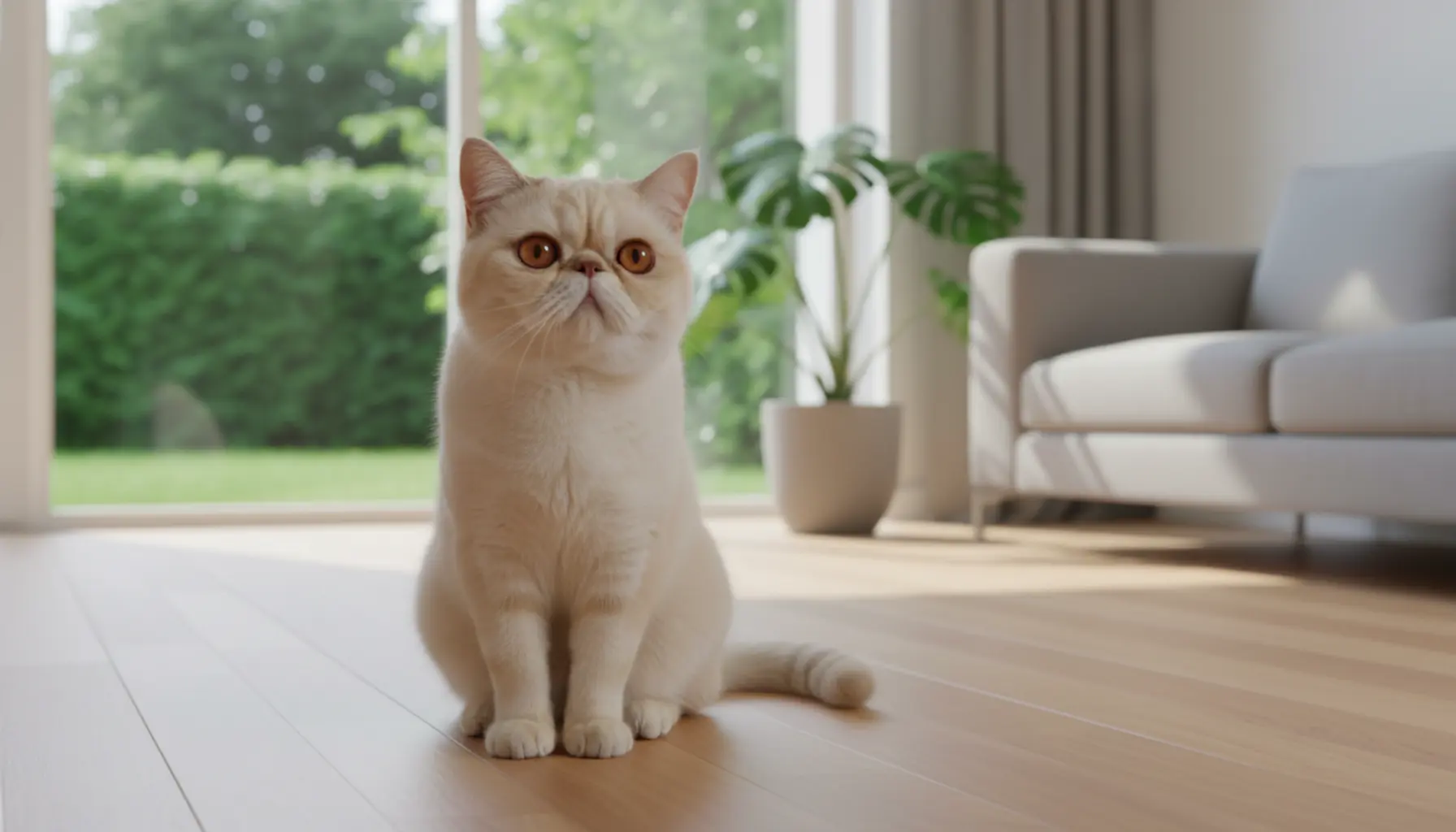
The Exotic Shorthair cat feels best in a calm, predictable home where it can fully develop its gentle, sociable personality. This breed isn’t particularly demanding in terms of space – more important than square footage is practical arrangement. Even in a small flat, the Exotic will be happy if given enough hiding places, shelves, and lookout spots. This means having stable cat trees reaching at least halfway up the wall, window shelves or special hammocks mounted to the windows (with solid fastening), and soft beds in several places around the house so the cat can choose a spot appropriate to its mood and the temperature. Due to its flat snout and potential breathing issues, the Exotic should live in rooms with moderate temperature – ideally 20–24°C, away from drafts and direct air conditioning or radiator heat. Overheating is particularly dangerous for this breed, so in hot weather, provide cool zones: shaded areas, ventilation (without a draft aimed at the cat), cooling mats or tiled floors where the pet can rest. Also, ensure proper air humidity – too dry air irritates the eyes and airways, so a humidifier is a good addition to the cat’s “comfort package” in heating season. Safety is also crucial – Exotic cats are not “street warriors” and should always be indoor-only. The balcony and windows must be secured with netting, and if you want your cat to experience the outdoors, the best solution is walks in a harness and leash in quiet areas, or a safe, fenced outdoor enclosure (known as a catio). At home, avoid toxic plants, fragile decorations within the cat’s reach, or small objects that could be swallowed during play.
Because of the Exotic Shorthair’s very social nature, ideal living conditions mean the cat is not alone most of the day and has regular human contact. The Exotic becomes particularly attached to its owners, often choosing a single “favorite” but remaining open and gentle with all household members. Thus, it thrives best in homes where the daily schedule is relatively constant – with predictable feeding, play, and rest hours. For people who work away for long periods, a second cat with a similar temperament (calm, non-confrontational) can help ease loneliness, provided there’s proper socialization and gradual pet introduction. In daily life, an Exotic mainly needs a sense of security: a fixed litter box location (best large, uncovered, and situated in a calm but easily accessible corner), water and food bowls away from the box, and unchanging quiet spots to retreat to if overwhelmed by noise or visitors. Remember that even though the Exotic Shorthair isn’t very active, it needs daily physical and mental stimulation to prevent obesity and boredom – several short play sessions throughout the day (wand toys, balls, obstacle courses, treat toys) are plenty, provided they’re regular and adapted to the cat’s respiratory abilities. Ideal conditions also involve proper hygiene and grooming routines: calm, short brushing sessions on a favorite bed, gentle eye cleaning as needed, and positive reinforcement with treats to ensure that care isn’t stressful. From a psychological standpoint, a calm home atmosphere is extremely important for Exotics – they are very sensitive to people’s emotions, thriving best without constant yelling or conflicts. Well-raised children who understand the rules of gentle animal handling can be wonderful companions for Exotics, as long as the cat is provided with a “child-free zone” it can always access. In such predictable, gentle, and attentive – but not overwhelming – surroundings, the Exotic Shorthair has a chance to live a long, healthy life and show its affectionate, balanced character to the fullest.
Summary
The Exotic Shorthair cat is the ideal companion for lovers of calm and affectionate pets. Thanks to its gentle character and easy grooming, it is becoming increasingly popular among families with children. This article discusses its origins, character traits, purchase costs, and care requirements. You’ll also learn about the health aspects of this unique breed, which will help you decide if the Exotic Cat is the right choice for your home.

