

Television for cats and interactive tablet games can significantly enhance your pet’s home environment. Indoor cats especially benefit from cat TV and engaging tablet activities. The right video channels and apps help channel energy, stimulate hunting instincts, and reduce boredom—directly improving your cat’s well-being.
Table of Contents
- Why Might Cats Need TV?
- Most Popular TV Channels for Cats
- How to Choose the Best Tablet Game for Your Cat
- Benefits of Cats Watching TV
- Interactive Apps for Cats: An Overview
- How to Introduce Your Cat to TV Time
Why Might Cats Need TV?
Even the laziest indoor cats are natural-born hunters whose brains are wired to track movement, chase, and solve simple “environmental puzzles.” In the wild, a cat’s days are filled with sensory input: birdsong, rustling leaves, insects, new scents, and surprise events. Indoors, this stream of stimuli often drops to a minimum—especially when their person is out, and the cat spends long hours alone. This is where cat TV and tablet games for cats step in as supplemental enrichment. This isn’t about mindless screen time but about using motion, sound, and imagery intentionally to engage cats’ brains and provide some of the sensory stimulation missing from their environment. For many cats, a monitor or tablet becomes a “virtual window”—especially when the view outside is nothing but a neighbor’s wall. Fast-moving clips of birds, fish, or mice excite natural hunting instincts: your cat watches, listens, tenses muscles, and may even swipe at the screen. This type of play dissipates pent-up energy and frustration that might otherwise result in furniture scratching, nighttime zoomies, or even aggressive biting. Cat TV and tablet games are especially valuable for strictly indoor cats and those living in small apartments with little room for climbing shelves or cat walkways. In these cases, extra visual and audio enrichment “expands” their world without physical remodeling.
Another reason cats may need TV: battling boredom and the behavioral or health issues that can come with it. Chronic boredom often looks like extra sleep, apathy, or deceptively “calm” behavior that owners might wrongly interpret as contentment. But a lack of stimulation can lead to over-grooming, overeating, obesity, and related diseases. Well-matched TV or tablet sessions bridge this “behavioral gap,” particularly for curious young cats. For seniors or those with mobility challenges, calmer videos of gently swimming fish or fluttering birds offer sensory stimulation and light entertainment without requiring strenuous activity. Cat TV can even help in stressful times. Soothing nature sounds, flowing aquariums, or peaceful birdsong can mask scary hallway noises or street sounds that trigger anxiety. For cats deeply attached to their humans, leaving on a cat channel can ease loneliness in your absence alongside toys, hiding spots, or lookout perches. Of course, no video replaces real play or interaction, but consciously chosen TV can truly support your cat’s happiness. Remember, the need for visual enrichment isn’t a fad—it’s rooted in cats’ natural needs for movement, observation, hunting, and solving small “puzzles,” which technology can modestly and safely fulfill when used wisely and in doses suited to your cat’s personality.
Most Popular TV Channels for Cats
Recently, many video channels have launched with cats—not just owners—in mind. YouTube and streaming platforms offer the widest range and easy access on Smart TVs, laptops, or tablets. Top picks include “Cat TV”—with hours-long loops of birds at feeders, squirrels, aquarium fish, and mice in mazes. These videos mimic what’s seen from a garden window, providing movement, nature sounds, and unpredictability to fully engage feline instincts. Many creators even upload realistic 4K clips with spatial audio. Dedicated channels like “Birds for Cats,” “Squirrels for Cats,” or “Fish for Cats” cater to feline favorites—perfect if your pet fusses over birds but ignores other animals. Live streams from birdfeeders, nature parks, or cat fountains keep things fresh so the novelty never wears off. Animated videos—lasers, scampering mice, butterflies, or abstract shapes—can work like interactive toys, prompting swatting or pounces. However, watch for signs of frustration if your cat can’t “catch” the attactive object; mix screen time with real-world play. Some compilations of feline sounds can be stressful, making certain cats listen anxiously, hide, or mark territory—if this happens, stick to nature sounds, birds, or water effects instead. There are even “relaxing” cat playlists—slow nature shots, gentle music, or ambient soundscapes—for anxious or senior cats unwilling to face busy action. “Ambient” channels create the illusion of life in the background—gentle branch movement, an occasional bird, drifting clouds—helping pets struggle less with loneliness while you’re away, though of course, none of this replaces real human interaction.
When choosing popular TV channels for your cat, prioritize not just subject matter but quality of production and presentation. Good channels avoid abrupt cuts, flashing lights, or jarring sounds that could overstimulate your pet. Opt for smooth camera movements, natural pacing, and steady volume levels. Length matters: many popular cat videos run from 1 to 8 hours, suitable for leaving on when you leave home. Start with shorter sessions and watch how your cat reacts—are they engaged or indifferent? Can they disengage easily, or do they get restless, vocal, or destructive? Top channels often organize content by playlists: “Play,” “Relax,” “For Kittens,” or “For Seniors.” Experiment with several—one cat may love aquarium fish, another, a busy bird feeder, and a third abstract digital toys. A benefit of popular channels is their active comment sections—get tips on what’s worked (or not) for others. Use the autoplay off feature, so only your chosen video plays, to avoid sudden jolts from different content. Ensure screens are on stable surfaces where your cat can comfortably view (from a favorite perch or scratching post), and always consider their safety if they try to touch or get behind the screen. Some channels suggest optimal distances and screen heights for feline vision. Above all, let your observations—guided by your own cat—determine the “favorite TV” for your home.
How to Choose the Best Tablet Game for Your Cat
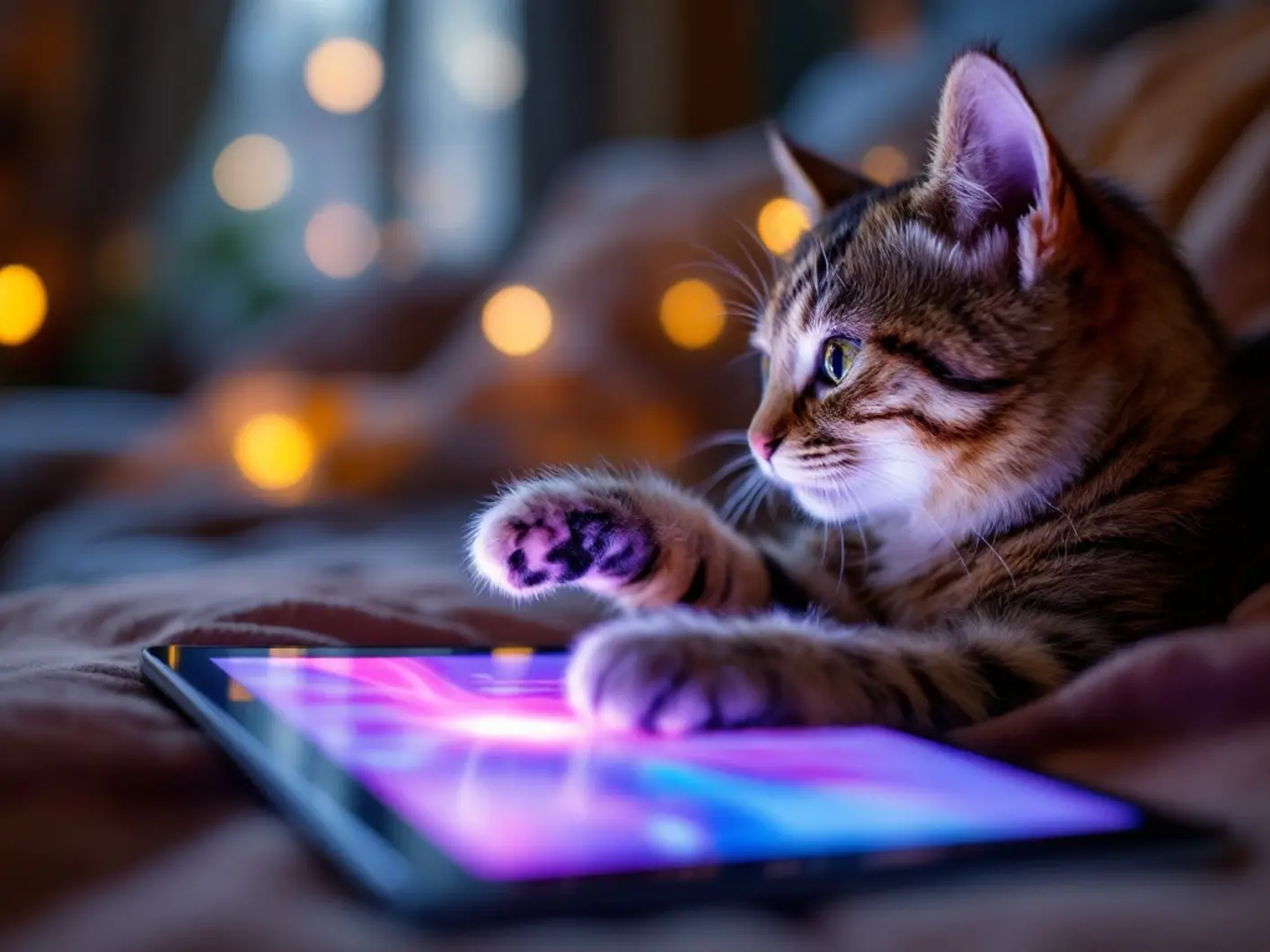
The best tablet game for your cat is tailored to their unique hunting behaviors, playstyle, and daily rhythms. Some cats are “sprinters” who love fast pounces, while others are patient stalkers or get easily frustrated if prey can’t be “caught.” A well-designed game mimics movement patterns found in nature—unpredictable, variable, with pauses like a bird pecking or a mouse listening. Overly fast, blinking animations may overstimulate or be ignored. Prioritize games that state speed and motion types. Avoid aggressive sounds: most cats stress over sudden effects and may stop interacting. Try several simple titles—just one fish, bird, or insect per screen—and watch for focused swatting, alert stalking, and no signs of irritation (tail lashing, vocalizing, leaving in a huff). A good fit keeps your cat engaged but not overwhelmed. Adjustable speed and difficulty are ideal, letting you adapt to your cat’s skills and interests. Minimalist graphics with just one or two moving objects prevent distraction. Ensure you can lock tablet controls to avoid accidental exits or unwanted taps, and protect the screen with a quality glass cover or film—cat claws can scratch glass over time. Choose games with automatic replay or restart, so your cat can “hunt” independently while you observe from afar.
Pay special attention to how the app affects your cat in the long run. Some quickly wind up when faced with dynamic screens and may remain agitated long after—searching for “prey” that isn’t there, meowing, or scratching. For these cats, short games with clear “success” phases—like a momentary catch animation and pause—help them feel accomplished and calm down. Set time limits: start with 3–5 minutes, extending sessions gradually to 10–15 minutes to avoid overstimulation. Encourage a real-world reward: after app hunting, chase a feather wand or offer a treat so the hunting effort ends in real satisfaction. Check other owners’ reviews for feedback—comments like “my cat got bored,” “too many ads,” or “good movement but background too bright” help avoid poor choices. See if developers state the app is tested on cats and offers multi-mode gameplay—like slower, larger objects for kittens or senior cats. Always match game difficulty and pace to your cat’s age and health: laid-back seniors prefer gentle motion, while young cats enjoy speed, so long as you provide plenty of physical play afterwards. Tablet safety is also key—keep it stable (on a rug or non-slip mat), protect cords from chewing, and remove breakables nearby. Only after these bases are covered will tablet play be a fun—and safe—outlet for your cat.
Benefits of Cats Watching TV
Watching TV isn’t just amusing for owners—many cats gain real cognitive and emotional enrichment that partially substitutes for the outdoor experience. Videos with moving birds, rodents, or bugs trigger hunting instincts, allowing cats to “hunt with their eyes” at home. This virtual stalking stimulates the brain in a way similar to real-world tracking, burning off pent-up energy—especially for cats without garden access. Cat TV is like a mental obstacle course: felines follow movements, anticipate prey, and focus on details, training their patience and concentration. The right content—free from flashes and loud sounds—gently stimulates sight and hearing, combating lethargy or apathy often seen in low-stimulus environments. Cat TV can bridge downtime when you’re working or busy—screens never replace interactive play, but fill gaps, easing monotony. Cats are acutely responsive to movement—slow fish, drifting birds, or crawling insects invite observation, jumps, or paw swats. For nervous cats, gentle exposure to outdoor noises via TV can help them acclimate to new sounds and reduce future fear responses.
Used wisely, cat TV provides notable emotional and behavioral benefits. Cats exposed to varied, temperament-appropriate visual stimuli experience less boredom—the trigger for unwanted scratching, excessive meowing, or compulsive grooming. Mixing TV with puzzle toys, scratching posts, and shelves leads to a more balanced daily activity rhythm. Short sessions of dynamic video can help burn off excess energy, especially useful before bedtime to prevent midnight zoomies. For some, especially lonely cats, TV offers a sense of company—nature sounds, birdsong, or gentle narration create a “living” ambiance that lessens isolation. Cats who lack external windows benefit as TVs become a virtual “window to the world,” offering changing scenery and seasons. Watching TV together can also strengthen your bond: sitting beside your cat, encouraging a jump, or stroking them during a show may become a comforting daily ritual. For senior cats or those with health limitations, TV keeps them curious without requiring strenuous activity. Best of all, you control channels and timing, easily customizing sessions based on your cat’s individual needs and energy, making TV a flexible tool for a richer indoor life.
Interactive Apps for Cats: An Overview
Interactive apps for cats go well beyond simple flashing lights—well-made programs simulate hunting environments that challenge a cat’s reflexes, focus, and paw-eye coordination. The most popular type features animated prey—fish, mice, insects, or laser dots—that move like real targets, with random stops, bursts, and off-screen escapes keeping hunting instincts sharp. Adjustable speed and difficulty let you customize apps for kittens or seniors. Some apps respond to paw touches with sound, scoring, or quick visual “capture” animations, increasing satisfaction and reducing frustration from virtual-only successes. Others feature “training sessions” with set playtime and gradual ramping to avoid feline overstimulation and create healthy routines. Try multi-theme apps—fish tank, meadow, or kitchen scenes—so your cat can explore different landscapes without endless downloads. Puzzle-style touch games, where cats “move” objects to trigger new visuals, nurture basic problem-solving, too. Always seek out apps with system lock or fullscreen play to prevent accidental exits or settings changes mid-paw pat.
Other innovative apps combine your tablet with physical toys—slide the device under a clear cover or mat, blending digital prey with real paw action. Some pair with smart treat dispensers, giving real rewards after virtual “catches.” Music apps with gentle sounds crafted for feline hearing, set to calming animations, can soothe anxious or high-strung cats who find high-energy play too intense. Cat owner apps that track play stats—session times, paw taps, or favorite prey types—help you fine-tune enrichment to your pet’s preferences and stamina. Some even use camera or microphone feedback: generating light shows from movements or adjusting animation speed to cat meows, making play less repetitive. Remember—these tools are meant to complement, not replace, real wand toys, balls, or tunnels, and should always match your cat’s unique personality, sensory tolerance, and daily routine.
How to Introduce Your Cat to TV Time
Introducing your cat to TV or tablet play requires the same patience as any new stimulus: go slow and let your cat explore at her own pace. Start with easy screen access, no forcing your cat to sit still or engage. Position the TV so your cat can approach naturally, but avoid placing the screen right by favorite beds or food bowls to ensure a clear association. Launch with short, calm videos—slow-moving birds or fish, volume low or muted—so as not to overwhelm. Make sure cats can watch from various heights—perches, shelves, or windowsills are perfect. Owners should act naturally—no prompting or guiding their head toward the screen, as pressure makes many cats back away from novelty. Time of day helps: most cats are active at sunrise and dusk, so try new videos then. Watch body language: focused gazes, tail twitches, and gentle paw taps all mean interest; some cats will ignore screens altogether at first, which is fine too.
Once your cat is comfortable with new visuals, you can slowly increase the intensity and length of TV sessions—but always adjust in response to your cat’s cues. If your cat sits or lies down and watches attentively, you can try 15–20 minute videos with gentle movement and breaks. If you see rapid tail flicking, excessive meowing, or frantic attempts to reach the screen, shorten sessions, switch to calmer clips, or combine videos with a real play session to satisfy predatory urges. For kittens and high-energy cats, TV is just a warm-up to real-world play. For seniors or those with mobility issues, it can be the main form of gentle engagement—a consideration when managing screen volume and animation speed. Always secure loose cables and place screens safely on solid surfaces, anticipating cat jumps. Consistency helps—set a regular TV routine, at the same time of day, finishing with a calm activity like grooming or nap time. This builds predictability, helping your cat feel secure and avoid overstimulation or frustration.
Summary
Cat TV and tablet games are compelling additions to your pet’s daily routine. Choose thoughtful channels and interactive apps to provide your cat with enrichment and amusement. Introduce these options gradually, always monitoring your cat’s reactions. This way, you can enrich their world and help prevent boredom—especially when you’re away from home. Remember, though, no screen can replace the value of direct interaction with you.

