

Urinary tract diseases in cats are common and can lead to serious complications if not recognized in time. Learn about the most important symptoms, causes, and effective methods for the treatment and prevention of kidney, bladder, and urethral conditions in cats. Discover how diet and proper hygiene can support your pet’s urinary health.
Learn the symptoms, causes, and treatments of urinary tract diseases in cats. Find out how to effectively care for your pet’s prevention and healthy diet.
Table of Contents
- Most Common Urinary Tract Diseases in Cats
- Symptoms of Urinary Tract Problems
- Causes of Urinary Tract Diseases in Cats
- Effective Treatment Methods and Home Care
- Prevention – How to Care for Your Cat’s Healthy Urinary Tract
- Diet and Hygiene Supporting Cat Urinary Health
Most Common Urinary Tract Diseases in Cats
Urinary tract diseases in cats primarily affect the lower urinary tract, i.e., the bladder and urethra, though in some animals, the kidneys and ureters are affected as well. The most frequently diagnosed issues include idiopathic cystitis (FIC – Feline Idiopathic Cystitis), an inflammation of the bladder with an unclear, multifactorial cause. FIC often affects young and middle-aged indoor cats exposed to stress or with limited activity. Symptoms include painful and frequent urination in small amounts, straining, crying in the litter box, and the presence of blood in urine—which the owner may notice as pink or reddish litter staining. Characteristic features of FIC also include frequent licking of the perineal area, restlessness, hiding, or even aggression when the abdomen is touched. FIC is recurrent, and the frequency and severity of relapses are heavily linked to stress, obesity, low water intake, and improper diet. Treatment should not only involve painkillers and anti-inflammatories but also environmental modifications (a rich environment, more hiding spots, scratching posts, litter boxes), stress reduction, wet food introduction, and encouraging drinking.
Another very common group of conditions is FLUTD (Feline Lower Urinary Tract Disease)—a collective term for various causes of lower urinary tract disorders, such as FIC, urolithiasis, urethral plugs, bacterial infections, as well as neoplasms or anatomical defects. Many cats present similar symptoms in various forms of FLUTD: frequent urination, pain, hematuria, urinating outside the litter box. Thus, home observation alone is insufficient for distinguishing the disease: diagnosis always requires laboratory urine tests, cultures, and imaging (ultrasound, sometimes X-ray if radiopaque stones are suspected). FLUTD often involves crystalluria and urolithiasis—presence of crystals and/or stones in the bladder or urethra, most commonly struvites (magnesium ammonium phosphate) or calcium oxalate. Struvites are more prevalent in cats fed high-magnesium, high-phosphorus diets, with low water intake and alkaline urine pH; they can often be dissolved with a proper veterinary diet—acidifying the urine and reducing mineral levels. Calcium oxalate forms in overly acidic urine and with high blood calcium, being harder and not diet-soluble—often requiring surgical removal (cystotomy) or other surgical approaches. Untreated urolithiasis may result in bladder wall irritation, chronic inflammation, and recurrent infections; in males, there’s a risk of life-threatening urethral blockage by a plug made of crystals, mucus, and inflammatory cells.
Especially dangerous—but unfortunately common—in male cats is total or partial urethral obstruction, colloquially known as the “blocked cat”. Due to a narrow and long urethra, males are more susceptible to urine outflow blockage by a stone, crystal plug, blood clot, or intense inflammatory spasm. The animal repeatedly enters the litter box, strains, but does not urinate or expels only drops; it may vocalize loudly in pain, vomit, and in time becomes lethargic or displays signs of uremic poisoning, dehydration, electrolyte disturbances. This is a life-threatening emergency requiring immediate veterinary intervention—catheterization, bladder lavage, intravenous fluids, and pain/inflammation management. Even after unblocking, further diagnosis (crystal type, urine pH, ultrasound, dietary/environmental assessment) is essential; sometimes, urethrostomy surgery is considered for recurring cases. Another key disease group is bacterial urinary tract infections, more frequent in elderly, chronically ill cats (e.g., with diabetes or chronic kidney disease) or in those with urinary tract anomalies. Their symptoms often mimic FIC, necessitating general urine analysis and culture with antibiogram to select an effective antibiotic and prevent unnecessary empiric therapy. In middle-aged and older cats, chronic kidney disease (CKD) is also commonly diagnosed; although it affects mainly the kidneys, it directly impacts urinary tract function. The cat drinks and urinates more, loses weight, displays dull fur, appetite drops, vomiting, and bad breath; advanced CKD results in anemia, hypertension, oral ulcers, and weakness. Diagnosis uses blood tests (creatinine, urea, SDMA, phosphorus, electrolytes), urine examination, and renal ultrasound; treatment is based on a kidney-friendly diet, hydration, phosphorus and blood pressure control, and managing uremia symptoms. Lastly, rare but serious conditions like bladder cancer (e.g., transitional cell carcinoma), polyps, congenital urinary tract defects, or trauma (falls, being hit) may result in bladder rupture or urethral damage. Their symptoms are often nonspecific—chronic hematuria, urination difficulties, weight loss, abdominal pain—so persistent or recurrent urinary problems require extended imaging diagnostics (ultrasound, X-ray, sometimes cystoscopy) and close cooperation with a veterinarian for appropriate pharmacological, dietary, or surgical intervention and a regular monitoring plan.
Symptoms of Urinary Tract Problems
Urinary tract problems in cats often develop quietly; clear symptoms typically appear only when the situation is advanced or immediately life-threatening. Therefore, it’s crucial for caretakers to recognize the most common signs of the lower and upper urinary tract diseases. The characteristic symptoms involve changes in urination patterns. The cat may urinate more frequently (pollakiuria), producing a very small amount of urine, or, conversely, urinate less often, spend a long time in the litter box, straining with little or no urine output. This straining is often painful, shown by soft meowing, vocalization, crouching, tense abdomen, or suddenly running out of the box after trying to urinate. One alarming symptom is visible blood in urine—either seen with the naked eye as pink or red litter staining, or detected only on microscopic exam. Blood often accompanies cystitis, the presence of crystals or stones, or urinary tract mucosa injuries. The color and smell of urine may change—becoming sharp or cloudy, sometimes with sediment. Some cats urinate outside the litter box, even if they previously used it properly. It’s important to remember that urinating on beds, rugs, or bathtubs is usually a signal of discomfort or pain, not “malice”. Some cats, due to pain and unsuccessful attempts to urinate, start avoiding the litter box, holding urine, which worsens bladder inflammation. A particularly dangerous symptom in males is a total lack of urine in the litter box for 12–24 hours, despite frequent straining—this may indicate urethral blockage and requires immediate veterinary attention.
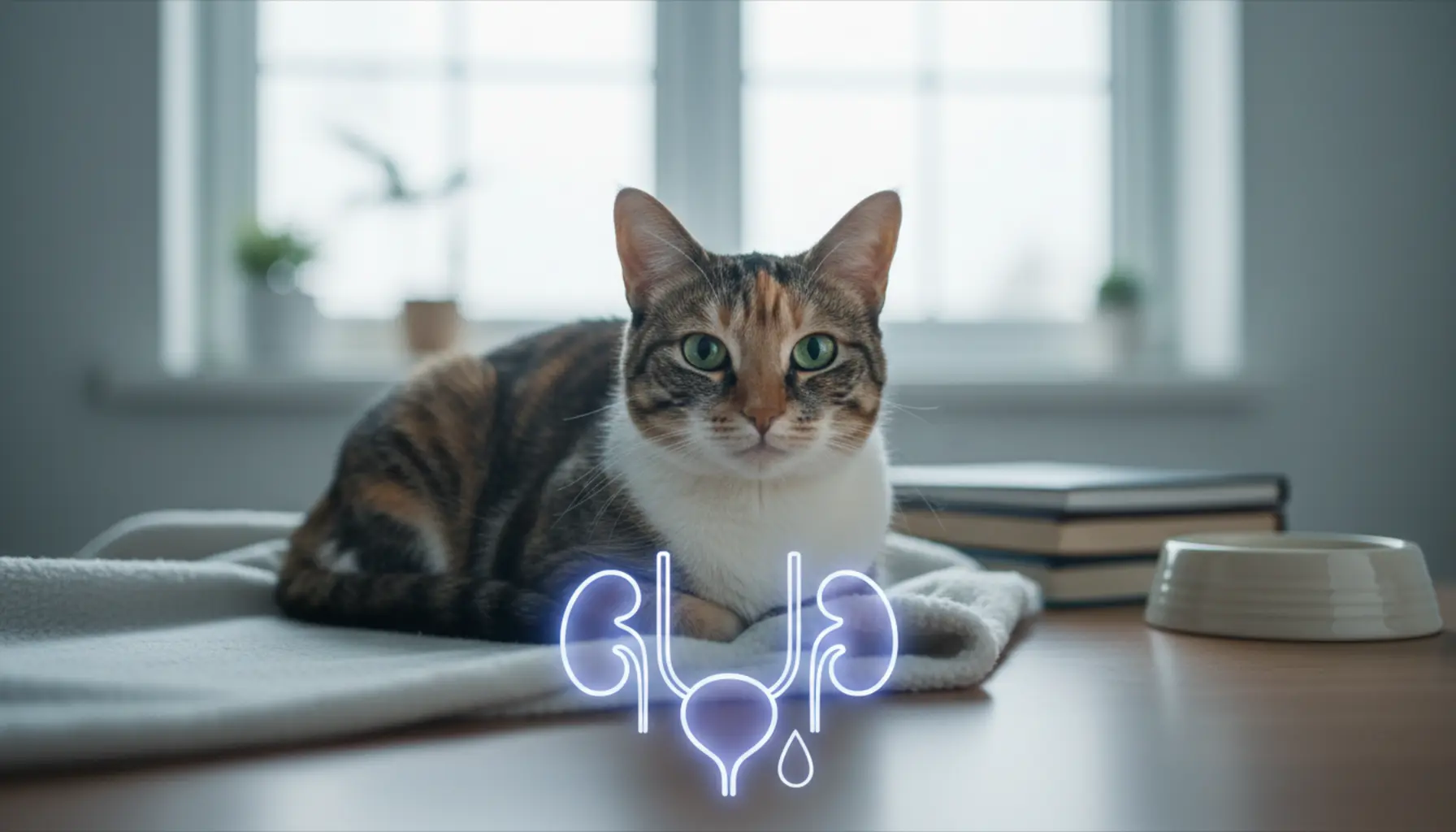
Besides direct changes in urination, general signs of deterioration are also important. Cats suffering from urinary tract diseases often become apathetic, less active, withdrawn, shun play and human contact, and may hide in quiet spots, sleep more, or be restless, searching for a safe place. Many animals show appetite loss or even refuse food entirely, quickly leading to dehydration and weakness, especially with kidney disease and severe pain. Increased thirst (polydipsia) and urine volume (polyuria) are typical of chronic kidney disease but may also occur with other metabolic issues. In acute blockages, vomiting, severe weakness, abdominal pain, rapid breathing, and signs of poisoning due to accumulated metabolites (not excreted in urine) are observed. Watch for subtler behavior and grooming changes: cats may lick their genital area excessively, pause activities for toilet attempts, or become irritable when touched at the rump, abdomen, or flanks—sometimes even reacting aggressively if contact causes pain. In older cats, kidney disease symptoms can include weight loss, dull or unkempt coat, halitosis, hypertension, or visual problems due to progressive kidney failure and toxin accumulation in the body. Any change in litter box routine, urine odor, amount, appearance, or sudden mood, appetite, or vomiting changes should be treated as a warning sign. Early recognition, even of seemingly minor issues, and prompt consultation with a veterinarian often prevent complications, long-term treatments, and, in males, life-threatening urinary blockages.
Causes of Urinary Tract Diseases in Cats
Urinary tract diseases in cats are multifactorial—usually there isn’t a single cause, but a combination of age, lifestyle, diet, genetic predisposition, environmental, and psychological factors. For FIC, which is among the most common diagnoses, the cause is literally “idiopathic”, i.e., not fully understood. However, stress (chronic or acute), nervous and hormonal system disturbances, as well as abnormal bladder wall inflammatory response, play key roles. Cats in stimulus-poor environments, or conversely, chaotic and noisy ones lacking safety, more often show FIC symptoms. Stressors include, e.g., moving homes, new household members or animals, inter-cat conflicts, infrequent cleaning of the litter box, lack of quiet retreat areas, and daytime boredom. Stress affects hormonal balance (e.g., cortisol), and bladder functioning, altering the mucous protective layer over its wall and promoting inflammation and pain.
Secondly, dietary and hydration factors are significant. Cats are naturally adapted to a meat-based, moist diet, and tend to drink rather little water. Modern cat feeding based mainly on dry food, with insufficient drinking, leads to concentrated urine, promoting crystal and stone formation (struvites, oxalates, etc.). The more concentrated the urine, the higher the risk of mineral salt crystallization, urinary tract micro-injuries, and secondary inflammation. Diets high in magnesium, phosphorus, and calcium, poorly balanced urine pH, and frequent treats of low quality further increase this risk. Meal frequency and portion size also matter—smaller portions more frequently help stabilize urine pH and encourage regular urination. Obesity, low physical activity, and indoor living mean cats use the litter box less, contributing to urinary retention, increased bacterial growth, and bladder wall irritation. Overweight also affects metabolism, fostering diabetes, hypertension, and CKD—each a risk factor for urinary problems.
Key causes in older cats include degenerative and chronic systemic diseases, most importantly chronic kidney disease (CKD). Damaged kidneys filter blood poorly, disturbing urine composition, causing protein loss, changes in specific gravity, and increasing infection susceptibility. A cat with CKD drinks and urinates more, but urine is less concentrated and less able to “flush out” bacteria, resulting in recurrent cystitis. Endocrine diseases, like hyperthyroidism or diabetes, also alter fluid-electrolyte balance and infection vulnerability. Infectious factors (bacteria) are rare in young healthy cats but more common in elderly, immunocompromised, or co-morbid cats (CKD, diabetes, FIV, FeLV). Bacteria reach the urinary tract mainly from the perineum/skin, less often via blood. Hygiene of the anus and vulva/prepuce, litter quality/cleanliness, frequency of cleaning, and any anatomical defect that impedes normal voiding contribute to infection risk. Some cats face chronic issues due to anatomical defects (urethral strictures, diverticula, bladder misplacement), polyps, or growths that mechanically hinder urine flow, cause sediment retention, and thus infections and crystallization. In males, anatomy is especially relevant—a narrow, long urethra easily plugs with crystals, mucus, or inflammatory cells, causing dangerous blockage. Certain breeds (e.g., Persians, British Shorthair, Maine Coons) are more prone to oxalate stones and congenital urinary defects. Age and sex status matter—FIC and FLUTD are more common in young adult, neutered males due to hormonal, activity, and weight changes. Lastly, wider lifestyle factors—poor access to fresh water (few bowls, disliked sources), too few litter boxes, poor locations (noisy, busy places), scented litter and cleaners, lack of scratching posts and hideaways, and a deprived environment that doesn’t allow natural feline behaviors—increase stress and the risk of inflammatory, metabolic, and anatomical urinary diseases.
Effective Treatment Methods and Home Care
Effective treatment starts with a proper veterinary diagnosis—only then can appropriate medication, diet, and home support be selected. For FIC, therapy combines medication with extensive environmental and lifestyle adjustment. The vet may prescribe painkillers, anti-inflammatories, and calming agents or nutraceuticals (e.g., with tryptophan, alpha-casein) to help reduce stress—a key trigger for FIC relapses. Specialized veterinary diets that support the bladder are often introduced—these have controlled minerals, increase urine volume/dilution, and help maintain optimal pH to prevent crystal formation. In FLUTD due to (struvite) stones, the treatment depends on stone type. Struvite crystals often dissolve with special diets, increased fluid intake, and urine pH control. Calcium oxalate stones rarely dissolve with diet and typically require surgical removal (cystotomy); afterwards, the cat receives a prevention diet. With bacterial infection, targeted antibiotic therapy—based on urine culture and antibiogram—is necessary. Antibiotics are given for several days to weeks; do not stop treatment early, even if symptoms subside, to prevent resistance and recurrence. In chronic kidney disease, the goal is not a cure, but slowing progression and minimizing symptoms: kidney diets with low phosphorus and protein, kidney-supportive drugs, phosphorus binders, and sometimes intravenous or subcutaneous fluids help maintain hydration and blood pressure. In urgent cases—partial or complete urethral obstruction—immediate clinic intervention means catheterization, unblocking, temporary bladder emptying, fluid therapy, and pain relief; this is non-negotiable, life-saving, and cannot be treated at home. For tumors, polyps, or anatomical defects, the vet will tailor treatment—possibly surgical, pharmacological, or, in rare cases, chemo- or radiotherapy. Ongoing urine, blood, and imaging monitoring is crucial to track treatment effectiveness and need for changes.
Home care for feline urinary diseases must always support—not replace—veterinary recommendations. Never give “human” painkillers or herbal diuretics to cats—they may be dangerous or toxic. The main “home remedy” is increasing water intake, as well-hydrated animals produce more diluted urine, lowering the risk of crystals and bladder irritation. This includes switching from a dry-only diet to wet or mixed food, placing multiple water bowls around the home in quiet, accessible spots, and, for fussy cats, using fountains with filtered water. In some cases, a little meat broth (unseasoned, if the vet approves) may help encourage drinking. Stress reduction is crucial at home, especially with FIC and recurrent FLUTD: maintain a consistent daily routine, minimize sudden changes, and offer every cat its own private resting and hiding spots. Synthetic pheromones in diffusers or sprays can help calm cats and ease adaptation. Keeping the litter box clean, in a secluded, quiet spot, away from food and water, is vital; in multi-cat homes, there should be at least as many litter boxes as cats, plus one extra. Appropriate, cat-accepted litter, a spacious box, and low entry facilitate comfortable urination—helping cats in pain. The vet may additionally recommend supplements such as glucosaminoglycans (GAGs), to rebuild the bladder’s protective mucus layer, reducing its sensitivity to irritation. Sometimes nutraceuticals for kidneys, probiotics, or omega-3 fatty acids for anti-inflammatory support are used—but these should be chosen based on the cat’s overall health. Daily observation is key: the owner should monitor the amount, frequency, and appearance of urine, as well as behavior during urination, spotting signs of relapse (straining, frequent small urination, crying, licking the perineal area, accidents). Any such change—or lack of urine in the litter for 12–24 hours—should prompt immediate veterinary consultation, as no amount of home care can replace professional diagnosis and timely treatment adjustments.
Prevention – How to Care for Your Cat’s Healthy Urinary Tract
Prevention in feline urinary tract disease is based on several pillars: proper hydration, well-balanced diet, stress reduction, good hygiene, and keen observation. Key is increasing water intake—as concentrated urine promotes crystal formation and inflammation—by offering fresh water in several bowls throughout the house, using glass or ceramic bowls (which don’t affect taste), and avoiding placement close to food or litter boxes. Fountains are also highly effective—flowing water is more attractive for many cats and increases voluntary fluid intake. Increasing wet food in the diet boosts hydration, since it contains much more water than dry. For cats prone to urinary problems, vets often recommend mainly wet feeding; if dry food is offered, it should be high-quality and in moderation. Dietary changes should be gradual—sudden switches increase stress and may prompt food refusal, so new foods are best introduced in small amounts mixed with the old over at least 7–10 days. Maintaining ideal body weight is vital—obese cats move less, visit the litter box less frequently, and are prone to additional diseases (e.g., diabetes, hypertension) that stress kidneys and disrupt urine composition. Controlled food portions, no feeding table scraps, and using appropriately caloric foods keep cats in shape. Only after veterinary consultation should specialized “urinary” diets be used, as improper use can cause harm. Physical activity is indispensable—daily play, interactive toys, obstacle courses, or food puzzles burn calories, reduce stress, and improve well-being, which directly affects diseases such as FIC.
A crucial prevention aspect is the cat’s living environment and litter box hygiene. Cats are sensitive to changes, and chronic stress is a major trigger for FIC and lower urinary tract problems. Reduce stress by maintaining a stable routine with regular feeding, play, and rest times. Avoid abrupt environmental changes, frequent rearrangements, or noisy renovations; if unavoidable, secure a quiet room just for the cat. In multi-cat or multi-animal homes, ensure hiding places, high shelves, and viewing platforms for privacy and security. Synthetic pheromones in diffusers or sprays help lower tension and prevent stress-related relapses. Litter hygiene directly impacts urinary health—a dirty or poorly-placed litter box triggers withholding urine, which contributes to inflammation and stone formation. There should be at least “number of cats + 1” boxes, located in quiet, accessible spots away from noise, traffic, and food. The preferred litter is usually fine-grained, clumping, and unscented. Scooping should be daily; full litter change and thorough cleaning, depending on litter type, every one to two weeks. Careful observation of toilet and general behavior is the final but vital element: owners should monitor urination frequency, urine amount in the box, accidents, color or odor changes, and subtler signs like longer stays in the box, meowing during urination, licking the perineal area, or box avoidance. Any worrying change, even if it happens only once, should be noted and discussed with a vet, especially in cats with a urinary history. Regular preventive check-ups—at least annually, or more often for older or at-risk cats—should include a general urine exam, blood count, biochemistry, and abdominal ultrasound, to catch issues before clinical symptoms appear. This enables quick introduction of kidney/bladder-supporting diets, supplementation (e.g., GAG products for bladder mucosa), or lifestyle modification. Comprehensive, long-term preventive strategies—combining diet, hydration, environment, hygiene, and health monitoring—significantly reduce the risk of painful and potentially life-threatening urinary tract diseases in cats.
Diet and Hygiene Supporting Cat Urinary Health
Diet is crucial for feline urinary tract health, as it directly affects hydration, urine composition, pH, and the risk of crystals or stones. As a species evolved for arid environments, cats naturally take in most water from food; thus, daily diet should be based on wet foods. Wet foods (pouches, cans) provide much more water than dry, diluting urine, reducing its concentration, and lowering mineral crystallization risk. To further promote hydration, offer several water bowls, fountains with filtered water, water at varying temperatures, and—if the cat is sensitive—filtered water. Avoid low-quality foods full of sodium and grain fillers, as these promote obesity, which indirectly increases urinary disease risk. Choose “urinary” or “urinary health” foods only after veterinary consultation, since they are specially formulated with tailored magnesium, calcium, and phosphorus and can influence pH—important for certain types of crystals (struvite, calcium oxalate). Using such diets “just in case” without a vet’s guidance can disturb urine acid-base balance and worsen the cat’s condition. Maintaining optimal body weight is also important—obesity promotes inactivity, less frequent box visits, inflammation, and co-occurring diseases (e.g., diabetes, kidney disease), which burden the urinary tract. Cats should get portions suitable for their age, activity, and health—consult a veterinary nutritionist for an individual plan where needed. Dividing daily food into smaller portions encourages steadier hydration and reduces sudden mineral concentration shifts. Sometimes the vet may recommend supplements supporting the urinary tract, such as glucosaminoglycans (GAGs) for the bladder’s protective mucosa, or select plant ingredients with anti-inflammatory and diuretic effects; always use these only as directed by a professional, avoiding “home herbal mixes” that can interact with medications or strain the kidneys.
As vital as diet is hygiene—especially concerning the litter box. Cats are sensitive about cleanliness and comfort in this area; a dirty, smelly, or ill-suited box may lead to urine holding, which results in bladder/urinary inflammation. The litter box should be scooped at least once a day—more often in multi-cat homes; the whole litter should be changed and the box washed with a mild, unscented detergent every few days, as per product suggestions. Scented litters, air fresheners, or harsh cleaners in the box area may discourage use—olfactory comfort is crucial for sensitive animals. Ensure an appropriate number of boxes—the standard “number of cats + 1”—in quiet, accessible spots, away from noisy appliances or heavy traffic; boxes should not be near feeding stations, as cats dislike proximity of “toilet” and “dining” areas. Older or mobility-impaired cats (e.g., with joint disease) do best with lower-sided boxes for easy entry. For long-haired cats, keeping the fur around the perineum trimmed and clean is especially important—matted hair can trap urine, irritate the skin, harbor bacteria, and cause secondary infections; regular gentle trimming and combing helps minimize these risks. Overweight cats may struggle to groom properly; thus, weight management and, if needed, help from the caretaker are key. Ongoing monitoring of box contents—volume, consistency, color, odor—is a practical part of hygiene and prevention: noticing blood, odd color, excessive odor, or changes in urine volume warrants a trip to the vet. Minimize stressors around the litter area, such as sudden moves, inter-cat competition, or punishing for accidents—fear and tension can exacerbate urinary problems, especially in cats susceptible to FIC. The right diet (high moisture), appropriate and clean litter boxes, grooming, and careful observation—these are the combined elements of cat life hygiene that truly support urinary tract health.
Summary
Urinary tract diseases in cats may manifest through diverse symptoms such as frequent urination, hematuria, or straining to urinate. Prompt diagnosis and appropriate treatment are crucial, including both pharmacological and home-based care. Preventing relapses relies on daily prevention: litter box hygiene, regular vet check-ups, and a well-balanced diet supporting the urinary system. With informed care, the risk of such diseases can be minimized, ensuring the cat a healthy, long life.

