

Table of Contents
- LaPerm — Origin and Breed History
- Appearance and Distinctive Features of the LaPerm Cat
- LaPerm’s Character and Personality
- Coat Care and Health of the LaPerm
- How Much Does a LaPerm Cat Cost? Price and Purchasing Tips
- Who Is the LaPerm Cat For? The Perfect Home for This Breed
LaPerm — Origin and Breed History
The origins of the LaPerm breed are relatively recent and quite unique, confirming the natural circumstances of its creation. The story of this remarkable cat dates back to the early 1980s in the rural region of The Dalles, Oregon, USA. It all began in 1982 on the farm of Linda and Richard Koehl, when one of their domestic cats of average appearance and undistinguished pedigree gave birth to a rather unusual kitten. One female, named Curly, was born hairless—similar to a Devon Rex or Sphynx—but surprised her owners when, after a few weeks, she started developing a coat of silky, wavy hair, resembling soft waves or delicate curls—completely different to the straight-haired kittens from other litters. This unexpected emergence of the gene responsible for curly, soft fur triggered the genetic line from which all LaPerm cats later originated. Interest in the unique looks and charm of this cat quickly grew among breeders and cat enthusiasts alike. Linda decided to preserve this genetic mutation by selectively breeding cats that displayed the signature curls, initially within the local domestic feline population (mostly unpedigreed, often semi-feral cats), and later—by introducing other breeds to enrich the gene pool and stabilize breed traits, while maintaining health and temperament in future generations.
The development process of the LaPerm has become a fascinating breeding lesson, as its non-standard ancestry resulted in cats with a great diversity in both looks and personality—ranging from calm and friendly to highly spirited individuals. The breed’s name, “LaPerm”, comes from the English word “perm”, a reference to the curly or permed appearance of their coat. Only a few years after the birth of the first LaPerm, informal breeding programs began to appear in the USA, gaining official status by the early 1990s. In 1996, The International Cat Association (TICA) granted the LaPerm breed experimental status, opening doors to official pedigrees and participation in cat shows. Over the following years, organizations such as the CFA (Cat Fanciers’ Association), GCCF (Governing Council of the Cat Fancy), and FIFe (Fédération Internationale Féline) recognized the breed in further steps. British breeders and fans of curly-coated cats were especially drawn to the breed, enabling its rapid rise across Western Europe, and eventually in Poland and other Central/Eastern European countries. Still today, the LaPerm remains a rare, elite breed, and its story is a testament to the impact of chance on genetic development, as well as the immense role that passion and breeder dedication play in preserving special phenotypic traits. It’s also worth noting that the LaPerm was not created by intentionally crossing existing breeds; the gene mutation for curly hair emerged spontaneously among a population of rural, unpedigreed American cats—a fact confirmed by both DNA studies and breed literature. Today, the LaPerm is an exclusive and prestigious option for cat lovers around the world, praised for its appearance, its extraordinary history, and authentic origins.
Appearance and Distinctive Features of the LaPerm Cat
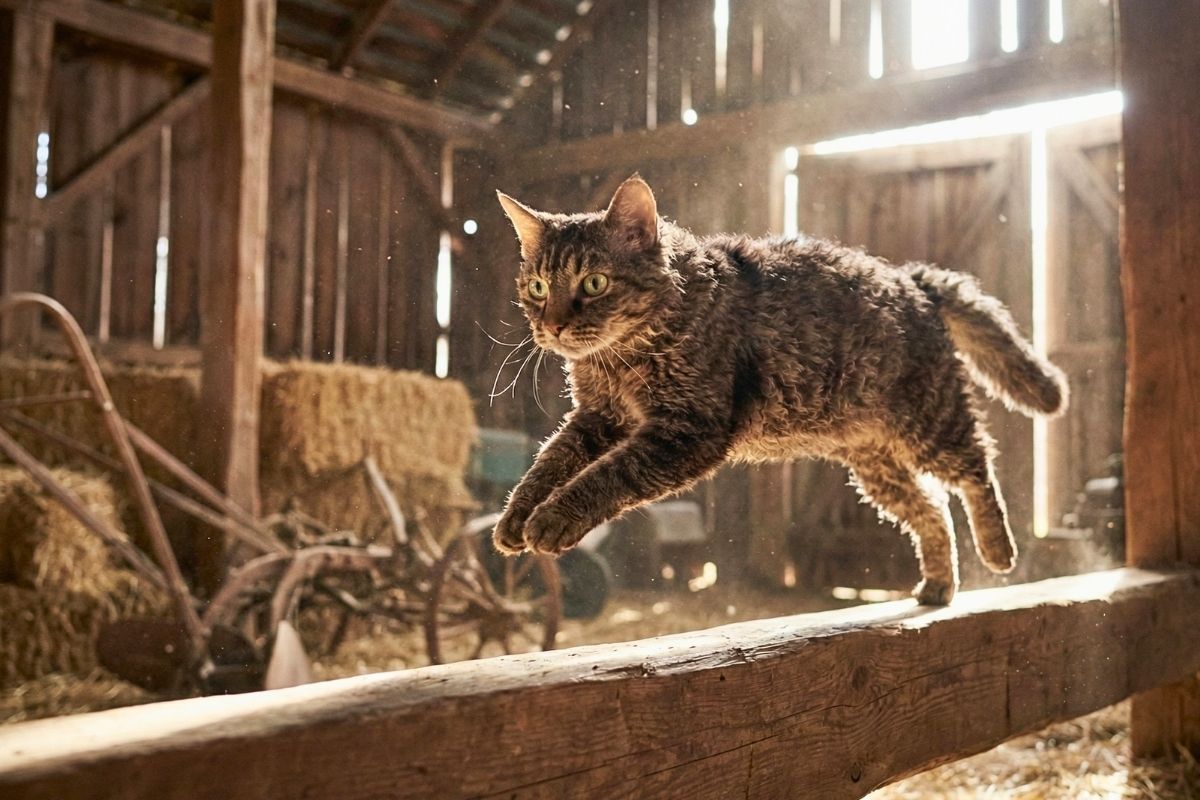
The LaPerm cat stands out among other breeds primarily for its exceptional, curly coat—the defining trait of the breed. LaPerm fur can range from loose waves to firm, tight curls, giving each cat a unique and slightly mischievous look. Both long-haired and short-haired LaPerms maintain this signature fur structure, with long-haired individuals displaying looser, fluffier curls and a velvet-soft undercoat. The outer coat is soft and flexible, often falling in characteristic cascades, while the undercoat is extremely gentle, contributing to a “tousled by the wind” appearance. An unusual feature of LaPerms is the changeability of their coats as kittens—newborns can be completely bald and only later start developing their typical coat texture. This makes the development of the kittens a fascinating process for breeders and enthusiasts alike. Importantly, the breed occurs in all possible colors and patterns, including tabby, pure white, and warm browns; both solid, bicolor, or pointed colorations as well as more extravagant combinations are accepted, making LaPerms even more attractive for potential owners.
LaPerms are medium-sized cats with a harmonious and well-proportioned figure. Their muscular, agile bodies give the impression of being ready to play at a moment’s notice. They feature a slightly wedge-shaped head, broad at the base, with prominent whisker pads and a moderately long, slightly rounded nose. Their eyes are large and widely spaced, with an expressive, sensitive gaze—ranging from almond-shaped to round, available in shades from gold, green, to deep copper, depending on the cat’s color. Ears are medium to large, broad at the base, set high, and often end in tufts, enhancing the breed’s exotic look. With relatively long, slender legs and oval paws, LaPerms move with elegance and ease. Their tails are also proportional, fluffy, and may end in a gentle curl, especially pronounced in long-haired individuals. LaPerms are known for their fine bone structure without sacrificing strength; their bodies allow for dynamic play and agile climbing, with flexibility that gives freedom of movement. The breed’s distinctive traits extend to touch—the coat, even with intense curls, remains soft and pleasant, rarely mats, and the gentle transitions between hair types make brushing a pleasurable experience for both cat and owner. Additionally, many allergy sufferers value this breed for its low, individual allergy risk, even though LaPerms are not truly hypoallergenic cats. The sensual beauty of the breed, combined with its rare temperament and original appearance, means LaPerm has long attracted cat lovers worldwide, remaining both extravagant and elegant among pedigree cats.
LaPerm’s Character and Personality
LaPerms are renowned for their exceptionally balanced, friendly, and gentle temperament, making them ideal companions for people with diverse lifestyles. Their unique personalities stem from the breed’s natural origins and selective breeding focused on traits highly valued by pet owners. The LaPerm is the quintessential family cat—affectionate, sensitive to human needs, intelligent, and deeply bonded to their caregivers. They often behave like small dogs: following their humans around the house, actively participating in daily activities, and seeking attention when they think it’s time for play. While they possess feline independence, they don’t exhibit the reserve shown by some breeds—on the contrary, they are eager to interact with both adults and children. This breed thrives in families with children, seniors, or other animals—including dogs. LaPerms are especially patient, gentle, and rarely display aggression or fearfulness—new stimuli prompt curiosity, and visitors are often welcomed with friendliness. They also have an impressive degree of emotional intelligence—able to read their owners’ moods and adapt their behavior to the situation. When sensing stress or sadness, they show tenderness and seek closeness, snuggling up or nuzzling. Many become excellent emotional support animals. Their friendly and communicative nature means they are not usually possessive or overbearing—they can wait patiently for attention and return gratitude with every shared moment of play or relaxation.
Another notable trait of LaPerms is their high energy paired with playfulness and curiosity. They love climbing, exploring every nook and cranny, and enjoy interactive games with wands, balls, or puzzles. These energetic cats require daily stimulation but prefer to play with their humans. They quickly learn household rules and rarely present behavioral problems—a daily routine provides comfort. Whether in a house with a garden where they can observe nature or in an apartment where climbing shelves, cat trees, and toys become their entertainment, they adapt well. They are relatively quiet—uttering soft, melodic sounds, typically to communicate with their humans or gently signal needs. LaPerms are also very tolerant of other animals, especially if socialized early; their calm nature prevents them from dominating the group. They are not prone to destroying furniture or excessive territorial marking—harmonious living with people and pets is their natural environment. Their remarkable personality—founded on intelligence, empathy, gentleness, and a hint of mischief—quickly wins the hearts of even those previously indifferent to cats. Forming a long-term relationship with a LaPerm provides the exceptional satisfaction of living with a truly loyal and friendly companion.
Coat Care and Health of the LaPerm
LaPerm care is both specific and relatively easy, making it a manageable commitment for both novice and experienced owners. The key element is regular maintenance of their unique curly coat, which—contrary to appearances—poses little difficulty. Both short-haired and long-haired LaPerms do not tend to mat heavily. However, due to the fineness of their hair, it’s advisable to use soft, wide-teethed combs or special brushes designed for cats with delicate coats. The optimal frequency of brushing is two to three times a week to prevent tangles and mats, remove dead hair, and maintain a healthy appearance; some individuals may require more frequent grooming, especially during shedding. It’s important to be gentle—overzealous brushing can disturb the curl structure, causing the coat to mattify and lose its unique character. Interestingly, some LaPerms have coats similar to lamb’s wool, while others have a more velvety, soft curl. During shedding, increase brushing to help manage the coat and reduce the risk of hairballs—especially for cats not accustomed to regular grooming from kittenhood. Weekly care should also include skin checks—LaPerms are not particularly prone to dandruff or skin problems, but be alert for symptoms of irritation or dryness from frequent bathing. Baths are recommended mainly before shows or if the coat is soiled—always use mild, specialist shampoos for cats with sensitive skin or natural curls to protect the integrity of ringlets. After bathing, gently towel-dry the coat and let it air dry (or use a cool-blow dryer), and do not brush immediately to avoid ruining the curls.
Beyond coat care, maintaining the overall health of a LaPerm is essential. While considered one of the healthiest breeds with a low risk of genetic disorders, responsible breeders and owners should routinely monitor their pets’ health. LaPerms are long-lived—on average, they live between 12–16 years, and many reach 18 years in good condition. The most common disorders in the breed are general to all cats, not specific to the curly hair gene—regular vet checkups and preventive care greatly reduce the risk of serious health issues. Annual health checks, vaccinations, regular deworming, and dental exams are recommended—like most domestic cats, LaPerms can be prone to gum disease and tartar. Ear and eye hygiene are especially important in cats with lush coats, who may collect debris near those areas. Regular nail trimming and a balanced, high-meat diet support healthy skin, coat, and the immune system. LaPerm owners should maintain a stress-free environment, as stress can cause psychological disruptions and negatively impact coat condition and immunity. Physical activity and mental stimulation prevent obesity and apathy, often an issue in cats with restricted outdoor or environmental access. Symptoms such as sudden hair thinning, itching, apathy, or a long-term loss of appetite should always be discussed with a veterinarian. Since LaPerms are not prone to the typical genetic problems of some breeds (such as hypertrophic cardiomyopathy or polycystic kidney disease), owners can focus on everyday wellness and coat maintenance—ensuring a long, healthy, and comfortable life for their pet.
How Much Does a LaPerm Cat Cost? Price and Purchasing Tips
Purchasing a LaPerm is both an emotional and financial investment, as it is one of the rarer and more exclusive breeds in Poland and Europe. The average price for pedigree LaPerm kittens starts at around 3500–5000 PLN for “pet-quality” cats, while breeding or show-quality cats may reach 6000–9000 PLN, depending on lineage, parent achievements, and breeder reputation. Price differences stem mainly from breeder renown, quality of kitten care, and whether the kitten is from international championship lines. Costs for breeders also include regular genetic testing, health monitoring, vaccinations, deworming, proper nutrition, and socialization. Professional LaPerm catteries, although growing in number, still remain relatively few, which limits kitten availability and drives up prices. It’s also important to avoid suspiciously cheap offers—these often stem from illegal sources that do not meet ethical or welfare standards.
When considering the purchase of a LaPerm, carefully choose a reputable breeder belonging to official feline organizations like FIFe, TICA, or CFA. A professional breeder will provide documents, health exam results, and expert advice on care and adaptation. Also pay attention to the conditions in which the mother and kittens are raised—a quality breeder will allow you to see the animals in their home environment, and kittens will be well-socialized, confident, and healthy. The kitten can usually be taken home between the 12th and 16th week, after completing its full course of vaccinations and deworming; by this time, the kitten should be litter trained and have learned the basics of family life. Upon purchase, you’ll receive a starter kit and a packet of documents including a health record and, often, a contract protecting you and the animal. For a rare and unusual breed like LaPerm, there could be a waiting list or a wait time for the next litter of several months. Also consider long-term expenses—high-quality food, regular vet visits, grooming accessories, and stimulating toys to enrich your cat’s life. Although LaPerms can be attractive for people with allergies, always arrange a visit to the cattery first to verify you don’t react negatively. By taking a thoughtful approach and choosing reputable sources, you invest not only in the beauty and rarity of this remarkable breed, but also in the long-term health, wellbeing, and fulfillment of your unique future companion.
Who Is the LaPerm Cat For? The Perfect Home for This Breed
The LaPerm cat, due to its extraordinary personality, intelligence, and striking appearance, attracts experienced cat owners and first-timers alike. However, before welcoming a LaPerm into your home, it’s important to consider if this breed matches your expectations, lifestyle, and capacities as an owner. The LaPerm is an extremely sociable cat who loves close interactions with people—through play and cuddles alike. Because of their empathetic nature, they’re perfect for families with children, showing patience and gentleness even with very active kids. They do equally well in homes with other animals—cats, dogs, or even small pets. Keep in mind, though, that their curiosity and active nature require regular company, social interaction, and physical and mental stimulation. The ideal home for a LaPerm is full of life and open to shared activities. If you want a pet that will spend all day alone, this breed may eventually become unhappy or frustrated. LaPerms who have access to company and a routine rich in stimuli reciprocate with unconditional affection and loyalty.
This breed does well in both apartments and homes with gardens—provided outdoor access is safe (e.g., a secure run or a fenced balcony). Thanks to their graceful build and moderate temperament, LaPerms cope well with limited space but require an enriched environment—with places to climb, scratching posts, puzzle toys, and diverse activities. People working from home or with flexible schedules will appreciate a LaPerm’s company, as they are attentive companions and quickly form close bonds with household members. Many owners also appreciate the breed’s low allergenic potential, making the LaPerm a more allergy-friendly option—although individual cases should always be checked. Seniors and single people will find a loyal companion who can sense their moods and provide company, from active involvement to quietly cuddling on the sofa. LaPerms are also ideal for creative and active people seeking a feline partner for play, trick training, or behavioral development, as this breed is known for its ease of learning and willingness to cooperate. It’s worth noting that LaPerms can be sensitive to changes in their environment, so they thrive where stability, daily predictability, understanding, and peace are assured. Even though LaPerms are low maintenance in terms of grooming and health, they require consistent attention and care, as well as a daily routine adapted to their emotional and physical needs. Those who value animal companionship, are willing to invest in the human–cat relationship, and are interested in a long-term partnership with an active and unique pet will truly appreciate the character of this extraordinary breed.
Summary
The LaPerm cat is a highly sociable, gentle, and intelligent breed that quickly forms strong bonds with its caregivers. Thanks to its unusual curly coat and low maintenance grooming requirements, the LaPerm is becoming increasingly popular among cat lovers. By choosing a LaPerm, you’ll gain a loyal and devoted companion who thrives both in families with children and with single owners. Remember to make a thoughtful purchase and provide regular care for your cat’s health and wellbeing.

