

Take care of your cat’s health, comfort and well-being by introducing natural home SPA rituals into your daily routine. Discover how to effectively and safely care for your cat’s fur and paws using natural cosmetics designed for felines.
Take care of your cat with a home SPA! Discover natural methods for grooming fur and paws, effective rituals, and safe cosmetics for cats.
Table of Contents
- Why is it worth providing a home SPA for your cat?
- Natural cosmetics for cats – how to choose safe products?
- Paw and fur care – step by step
- Aromatherapy and massage: relaxing rituals for cats
- Home tricks for cleanliness without baths
- The most common cat grooming mistakes and how to avoid them
Why is it worth providing a home SPA for your cat?
A home SPA for cats is not just a “luxury” or a passing trend inspired by social media, but a genuine way of improving your pet’s health, comfort, and well-being, and at the same time – strengthening the bond between guardian and cat. Cats are hard to persuade into standard grooming procedures, especially if they associate them solely with vet visits, carriers, and stress. Regular, calm home rituals – brushing, gentle paw cleaning, skin massage, and caring for fur with natural products – teach your cat that human touch is pleasant and predictable. When performed patiently and respecting your cat’s boundaries, such rituals have a huge impact on your pet’s sense of security: cats cope better with future vet visits, are less fearful during examinations of their paws, ears or skin, and caregivers can more easily spot any worrying changes before they become serious health issues. From a physical welfare perspective, the benefits of regular fur care are immediately obvious. Systematic removal of dead hair limits the number of hairballs ingested during daily grooming, reducing the risk of hairball (bezoar) formation which can cause vomiting, digestive blockages or abdominal pain. Brushing improves skin micro-circulation, stimulates sebaceous glands for even sebum production, and makes the fur naturally shiny, elastic, and less prone to mats. This is particularly important for longhaired breeds, but also for older, overweight, or mobility-impaired cats – they are often physically unable to care for every body part, so caregiver support becomes essential for hygiene and comfort. Home SPA also includes paw care – often overlooked, but an extremely sensitive part of your cat’s body. Paw pads are exposed to micro-injuries, dryness, household chemicals, salt on sidewalks (for outdoor cats), or sharp litter edges. Gentle cleaning, drying, and – if necessary – applying a natural, cat-safe moisturizer helps keep skin soft, supple, and resistant to cracking. Early detection of redness, lesions, foreign bodies between the pads, or pain to the touch can help prevent infections and lameness. Notably, home SPA also means better cleanliness in your home: regular brushing reduces fur on furniture, clothes, and in the air, which is especially important in allergic households, and keeping paws clean means less dirt on floors, carpets, and bedding.
Natural care in the form of a home SPA is also an investment in the long-term health of your cat’s skin and fur, allowing you to limit the use of harsh chemical agents and avoid many common dermatological issues. By choosing mild, fragrance-free (or subtly scented, cat-acceptable) products based on plant or mineral ingredients, you minimize the risk of irritation, contact allergies, itching, and dandruff. Simple products – free of artificial dyes, strong detergents, phthalates, or intense fragrances – are much better tolerated by the sensitive feline body, which has different skin physiology than humans. A well-planned SPA also involves tailoring the frequency and type of care to your cat’s individual needs: a senior cat with chronic illness needs different routines than one with airborne allergies, or a young, active outdoor kitty who comes inside from the garden daily. For many cats, grooming procedures provide environmental enrichment – opportunities for gentle massage, back-combing, and sensory stimulation, which help reduce stress, tension, and boredom, especially for apartment cats. A repeatable SPA ritual – like a weekly, calm brushing session combined with a check of the skin and paws – can become part of the predictable routine that cats highly value. This stabilizes their mood, may limit compulsive behaviors (excessive self-licking, fur-biting), and makes it easier to introduce other necessary procedures, like medicating or applying anti-flea preparations. There’s also an economic and ecological aspect: well-conducted, natural home grooming reduces the need for frequent visits to the groomer, allows quicker response to early-stage skin problems (which usually means less invasive treatment and lower vet costs). By choosing natural cosmetics, often available in eco-friendly packaging or as concentrates, you reduce the amount of plastic and chemicals released into the environment. Thus, a home SPA for your cat combines beauty and comfort care with health, psychological well-being, and high-quality relationships between cat and caregiver, while also helping you provide a more mindful, sustainable form of care based on prevention, not just reactive treatments.
Natural cosmetics for cats – how to choose safe products?
Natural cat cosmetics are tempting with the promise of gentle, ecological care, but the “natural” label does not always mean safe for animals. Cats have especially sensitive skin and physiology – they metabolize chemical ingredients differently from humans or dogs, and they obsessively lick their fur. That’s why every cosmetic used in a home SPA must be chosen as if it were about to be… eaten, because in practice, that’s exactly what happens when a cat grooms itself after treatment. Basic rule: never use products intended for people or “universal pet” cosmetics unless the packaging specifically declares they are safe for cats. Look for short, transparent ingredient lists, ideally with quality certificates (e.g., organic or veterinary products), but even more important is understanding what should be absent or minimal in cat cosmetics. Avoid strong detergents (SLS, SLES), synthetic fragrances (parfum/fragrance), dyes, and essential oils – which, while natural, are often toxic to cats (especially tea tree, eucalyptus, clove, cinnamon, citrus oils, or high-dose lavender oil). Instead, go for gentle, plant-based cleansing agents, cold-pressed natural oils (like jojoba, hemp, borage – always in products formulated for cats, not kitchen-grade oils) and moisturizing agents such as plant glycerin or allantoin. The product’s pH is key – cat skin has a different pH from human skin, so even the gentlest baby shampoo is not suitable. Good manufacturers always label products as intended for cats and state the purpose of use (daily care, soothing irritation, skin regeneration support, paw moisturizing). When shopping, also pay attention to the form: rinse-free gels and mousses are often more practical than classic shampoos since they minimize the stress of bathing, but they must be exceptionally safe when licked. Less foaming usually means a gentler formula – big lather rarely equals naturalness. For cats that hate bathing, consider pet cleansing wipes – but alcohol-free, low-perfume, without optical whiteners, and with a fully disclosed ingredient list.
When choosing natural cat cosmetics, it’s crucial to match the product to your cat’s current needs and fur type. Longhaired cats with matting tendencies need different products than shorthaired allergy-prone cats with sensitive skin. For home SPA, consider gentle shampoos with soothing additives like panthenol or chamomile (in appropriately low, veterinary concentrations), and paw balms or ointments based on natural waxes (e.g., beeswax, candelilla), shea butter, or calendula oil. These products form a protective film on paw pads, preventing cracking and dryness, especially in winter (sidewalk salt, dry apartment air) and summer (hot asphalt, balcony sand). Before introducing a new cosmetic, perform a mini “tolerance test”: apply a small amount to a patch of skin (like the inner thigh, by the tail base) and observe for 24 hours for any redness, itching, excessive licking, or rash. If there’s a negative reaction, discontinue the product, and if symptoms worsen, consult a vet. When buying online, always look for the full INCI ingredient list in the description – absence of this info is a red flag. It’s a good idea to choose brands that cooperate with veterinarians, which is often stated on the label or company website. Remember: natural cat cosmetics aren’t a magic cure for all skin problems – if you notice dandruff, hair loss, scaling, wounds, or intense scratching, proper diagnosis by a vet is essential, and cosmetics should only support prescribed treatments. Less is more in a home SPA: it’s better to use one trusted, gentle product rather than several new ones each week. Watch your cat’s reaction not just on the skin, but also in behavior – if, after use, your cat is restless, over-grooming, rubbing its face on furniture, or has teary eyes, the product may be irritating, even if “natural.” Well-chosen products will be almost invisible to your cat, and their benefits will appear over time: healthier skin, soft fur, and supple, uncracked paws.
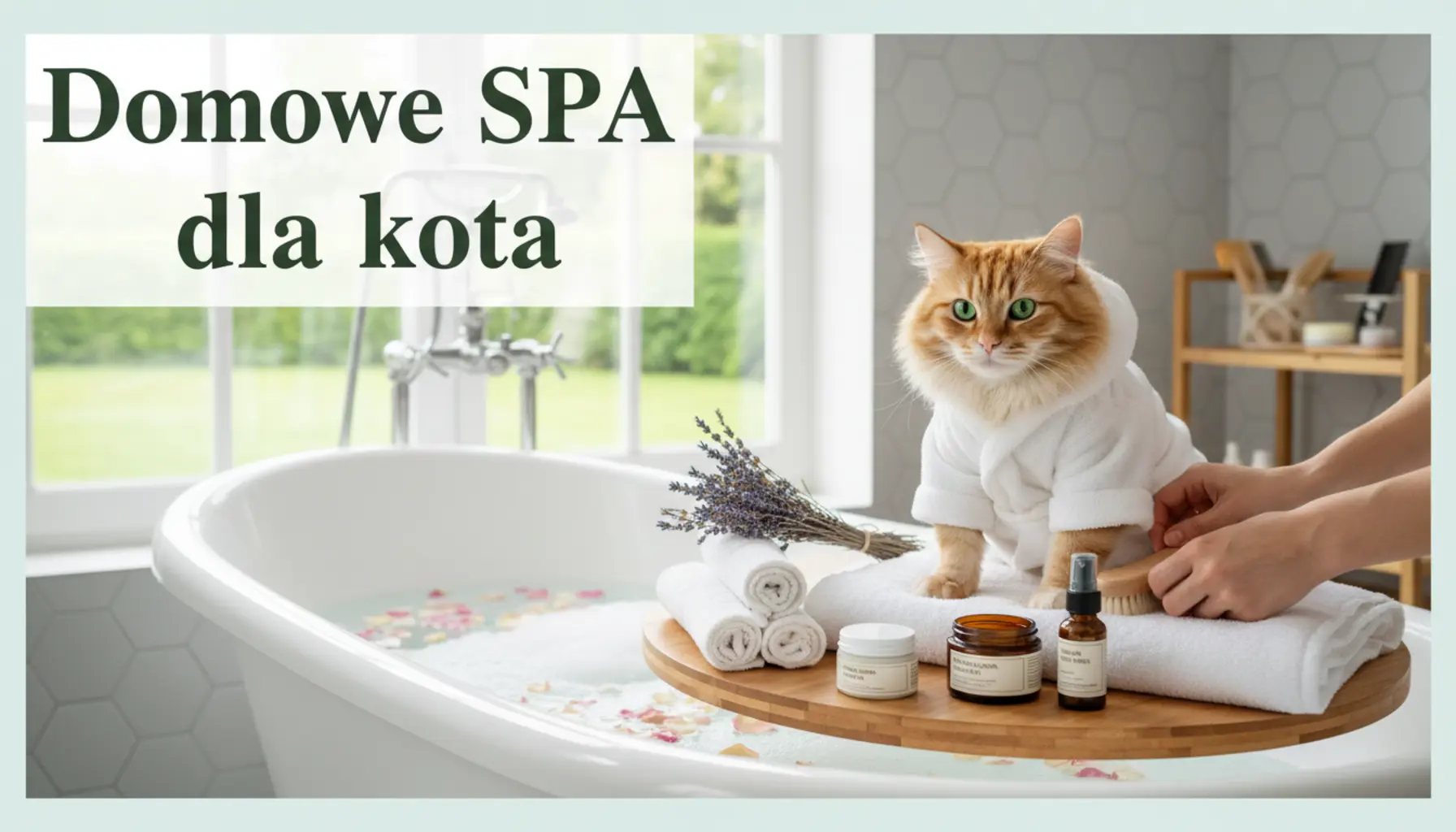
Paw and fur care – step by step
Treat your cat’s home SPA as a calm, well-planned ritual that always follows a similar routine – this way, your cat knows what to expect, and you can closely monitor the condition of skin, fur, and paws. Start by preparing the area: choose a quiet, warm, draft-free spot, lay out a towel, and gather soft-bristle brushes, a wide- and thin-toothed comb, cleansing pads or animal wipes, a natural cat shampoo, and a bowl of warm water if you plan to wash the paws. Make sure your cat can walk away at any time – force increases stress and may make grooming seem unpleasant. Begin with a short petting session and gentle back/neck massage to relax your cat and encourage cooperation; look for squinting, purring, a relaxed body as signs of acceptance. Next, comb the fur – for shorthaired cats, 1–2 times a week for a few minutes in the direction of hair growth is enough, using a soft brush or grooming mitt to collect dead hair and dust. For medium- and longhaired breeds (e.g., Persians, Maine Coons, Ragdolls), brushing should be a daily ritual: start with large areas (back, sides), only then move to more sensitive areas (belly, tail, armpits, groin), where mats commonly form. If you find tangles, never tug on fur – hold it gently at the base and carefully separate the matt with a wide-toothed comb, possibly with a safe cat detangling spray with a natural formula. Don’t use human or dog cosmetics – even “gentle” or “baby” versions, as their pH and fragrances can irritate cat skin. Regular brushing reduces ingested fur, improves skin blood flow, and helps you quickly spot alarming changes: dandruff, redness, scabs, excessive shedding, or parasites. Check the tail base and belly – these areas often show excess greasiness or itching.
The second crucial home SPA element is thorough yet gentle care of your cat’s paws – an extremely sensitive part of its body. Start by checking their overall state: examine the pads, between the toes, claws, and nail base areas. Look for cracks, redness, dryness, small wounds, or stuck-on debris like sand, litter, soil, or cleaning chemicals. For daily paw cleansing, use a damp pad or soft cloth with warm (not hot) water; if necessary, add a bit of gentle cat shampoo, but avoid prolonged soaking to maintain the skin’s natural lipid barrier. Always dry paws well with a towel, especially between the pads, as moisture promotes bacteria and yeast. If your cat goes outdoors, check for scratches, foreign objects (like tiny stones or thorns), or signs of salt/chemical irritation after each return – in such cases, rinse and dry the paws gently, and see a vet for visible wounds or lameness. With dry, cracked pads, use a small amount of special paw balm for cats based on natural wax, shea butter, or calendula oil, avoiding fragrances and human products. Regularly trim claws – ideally every 3–4 weeks, using pet clippers and cutting only the translucent tip, away from the quick (pink core with blood vessels and nerves). Finish the entire grooming ritual for fur and paws with a short massage: move your fingertips along the spine, massage the shoulder area and tail base in circles, and gently press paw pads, if your cat accepts it. Massage not only relaxes but helps detect changes in temperature, swelling, or pain that might signal early health issues. Repeating these steps calmly, with safe, natural products designed specifically for cats, will make home SPA a predictable, accepted ritual rather than a stressful one.
Aromatherapy and massage: relaxing rituals for cats
Aromatherapy and massage can become some of the most enjoyable elements of a home SPA for your cat, but require caution and understanding of feline physiology. Unlike humans, cats have limited ability to metabolize many chemical compounds, including some essential oils, making classic human-style aromatherapy for cats inappropriate. The basic rule: never use essential oils directly on your cat’s skin, don’t add them to bath water, and don’t diffuse them in small, poorly-ventilated spaces where your cat can’t escape. A safer option for home SPA is so-called “passive aromatherapy” – subtle use of gentle synthetic feline pheromones (e.g., plug-in diffusers) or the natural scent of the caregiver – a soft blanket you sleep on, or a cotton T-shirt that calms your cat. If you’re keen on using plant-based scents, only do so after veterinary consultation and choose products specifically made for cats, with fully described ingredients and dosage. Many popular oils – tea tree, eucalyptus, citrus, clove, cinnamon or peppermint – can be toxic to cats even in small amounts, causing neurological, liver, or respiratory symptoms. Milder “scent support” includes herbal infusions of moderate aroma (like chamomile), used not as sprays but as cooled compresses for paws or wipes for less-licked fur areas; always test such applications first on a small skin area and watch your cat’s response. Also, ensure any “aromatic“ rituals occur in large, well-ventilated rooms, with access to an odor-free retreat for your cat. If you notice your cat over-grooming, sneezing, teary eyes, restlessness, agitation, or, conversely, lethargy, stop odor exposure and consult a vet. For most cats, the most pleasant “aromatherapy” remains catnip, valerian, or matatabi – but even then, use them occasionally as treats or in toys, not via intense air scenting. Here, aromatherapy aims to support relaxation during grooming, not replace professional behavioral or pharmacological treatment for severe anxiety.
Massage in a home SPA for cats serves as relaxation, care, and a diagnostic tool, with mindfulness and respect for feline signals at its core. Before starting, create a calm environment: turn off loud music, remove scented candles and cosmetics, prepare a soft blanket or bed where your cat feels safe. Begin the session when your cat seeks contact – comes to cuddle, rubs against you, or lies nearby – rather than chasing or restraining it. Let your cat sniff your hands, then start with very gentle, slow strokes in the direction of fur growth, focusing on favorite spots: tail base, along the back, cheeks, under the chin. Gradually apply classic massage techniques: use thumb and forefinger for small circular motions on the neck sides and along the spine (but not directly on the vertebral line), gently knead the muscles on the shoulders and thighs, or massage the tail root lightly – many cats find this relaxing. Watch body language – purring, slow blinking, relaxed posture, stretching paws suggest it feels good; fast tail flicks, muscle tension, turned head, flat-back ears, or pushing your hand away mean change intensity or stop the massage. You can include hygiene elements: a brief paw check (spreading pads to check for wounds, cracks, litter or salt), checking skin under the fur (for scabs, redness, parasites, dryness), or inspecting ear bases and tail area. If you plan to use a natural vegetable oil (e.g., grape seed or jojoba) to moisturize dry paw pads, apply just a small dot on clean, dry skin, minimizing licking; use unscented veterinary-grade products. Massage the paws especially in outdoor or urban cats, exposed to salt, chemicals, and grit – gentle finger pressing improves circulation, helps micro-injury recovery and gets your cat used to touch in this sensitive zone, making future nail trims and cleaning easier. Keep massage sessions short – 5–10 minutes, repeated several times weekly is better than rare, overly intense treatments. This way, massage becomes part of daily routine, providing early warning of changes in skin, fur, and paw condition.
Home tricks for cleanliness without baths
Cats are inherently clean animals, and their tongue works as a natural “brush,” so regular water and shampoo baths are rarely necessary, and often even inadvisable. Still, as part of your home SPA, it’s worth supporting natural self-cleansing mechanisms while keeping your cat comfortable and safe. The basics are having the right tools and being regular: alternate between a soft-bristle brush and a fine-toothed comb appropriate for your cat’s fur length. For shorthaired cats, gentle slickers or rubber grooming mitts are effective, removing dead hair and stimulating skin microcirculation. For longhaired cats, it’s crucial to comb tangle-prone spots – behind the ears, underarms, belly, and tail base. Instead of a bath, use special cat wipes, unscented or with a very mild, hypoallergenic aroma that won’t upset your cat. These wipes remove dust, allergens, light dirt and excess sebum from fur, paws, tail and chin without stripping the protective skin layer as detergent water might. For touch-averse cats, soft microfiber cloths moistened with lukewarm water or a cat-specific hydrosol can help – just make sure the product is labeled cat-safe and is free from alcohol, essential oils, and harsh preservatives. Home “dry shower” can also be done using natural cleaning powders – dry shampoos for cats as fine powders or rinse-free mousses. Apply them to soiled fur, massage in gently, then carefully comb out. Choose products with the shortest ingredient list, avoiding artificial dyes and strong fragrances, and remember that your cat will lick some product, so have ingredients checked by your veterinarian before first use. In everyday situations, “spot cleaning” works well – if your cat soils a small area with food, mud, or dust, clean just that spot with a damp pad or gauze instead of subjecting your cat to a stressful full-body bath.
Your cat’s cleanliness without baths also depends a lot on its environment. Regularly clean bedding and cat blankets with gentle, unscented detergents and vacuum frequently to reduce dust and allergens on fur. Change cat litter per manufacturer’s instructions and wash the litter box with gentle, fragrance-free cleaners – harsh cleaning aromas can irritate a cat’s nose, prompting it to over-groom its paws to remove odor, which in turn may irritate the digestive tract. Daily care also includes eyes, ears, and mouth areas – these sensitive zones should be cleaned only with cat-specific products, ideally veterinary eye or ear fluids. Wipe eyes and clean ear pinnae gently to prevent the buildup of discharge that attracts dirt and bacteria. For fur around the mouth, especially in short-faced cats or those messy eaters, wipe the area after meals with a wet pad so food doesn’t stick to fur or cause odors. Good diet is key – well-balanced food rich in omega-3 and omega-6 fats, biotin, and zinc supports healthy, less greasy fur, reducing the need for frequent cleaning procedures. For overweight or older cats who can’t reach all body parts, especially the back, extra help from their caregiver is needed: regular brushing, use of wipes around the tail root or hind thighs, and ensuring the anal area stays clean. Sudden fur odor, clear seborrhea, or increased soiling may indicate skin disease, hormone problems, or pain preventing self-grooming – in such cases, home tricks are only support and see a vet for proper, safe grooming advice tailored to your cat’s health.
The most common cat grooming mistakes and how to avoid them
Home SPA for cats can bring huge benefits, but only when done sensitively. One of the most common mistakes is anthropomorphizing cats – treating them like people in terms of cosmetics and rituals. This means using human shampoo, conditioners, or perfumed sprays that can irritate skin, disrupt natural pH, or even poison your cat through fur licking. It’s equally wrong to think cats need as much bathing as dogs; frequent, harsh baths using non-cat products strip sebum, causing itch, dandruff, and dry skin. To avoid these problems, always use products made specifically for cats, with simple, clear formulas and only bathe when your cat is truly dirty. Another common error is irregular brushing – many caregivers assume short fur “doesn’t require” grooming, but even shorthaired cats should be brushed at least weekly to limit hair ingestion and spot skin changes early. For longhaired cats, neglect causes matting, inflamed skin under felted fur, and painful cutting or shaving. Using random brushes is also wrong – too-stiff bristles irritate skin, and tools not matched to coat type don’t work. Choose tools with help from a groomer or vet, and test which ones your cat accepts. Failing to gradually adapt your cat to grooming (jumping straight to trimming claws, cleaning ears, or bathing when your cat is stressed, hungry, or wound up) leads to bad associations and possible defensive aggression. Instead, use small steps: show the tool and reward, then touch briefly, only later perform the full procedure, always allowing your cat to walk away. Forcibly holding, wrapping in a towel unprepared, or ignoring stress signs (tail lashing, ears flat, hissing) destroys trust and makes each ritual harder.
Another set of mistakes involves neglecting “invisible” grooming zones – paws, claws, ears, teeth, and the anal area. Many caregivers stop at brushing, overlooking regular paw checks, where small stones, glass shards, salt, or sand may be lodged. Overgrown claws hinder movement, increase snag and painful tear risk, and in indoor cats, wear down much more slowly. It is a mistake to cut claws “by eye” without knowing claw anatomy – cutting too short can injure the living tissue, cause bleeding, pain, and fear of future trims. The same goes for ears: some people clean them too much, using cotton swabs that can push wax deeper or damage the canal; others neglect them, missing early infection or parasites. Teeth and gums are even more commonly skipped, though tartar build-up, cavities, or gum disease affect overall health. The secret to avoiding these mistakes is short, regular check-ups during petting – examine paws, claws, eyes, ears, and teeth, and consult a vet for any issues, instead of home “treatments.” Another risky habit is using people medicines and antiseptics without specialist advice – certain ointments, painkillers, or alcohol can be toxic or too harsh. Even natural oils, apple cider vinegar, or herbal infusions can harm if used without understanding feline biology, especially since cats may lick treated areas intensely. Emotional context is often ignored – carrying out hygiene routines in a rush, with the TV on, loud music, or people your cat fears increases stress and makes grooming unpleasant. Instead, prepare a quiet, warm spot, limit stimuli, play first to burn off energy, and reward cooperation with treats or affection. Lastly, treating grooming as a substitute for vet care – masking worrying symptoms “home-style,” such as more brushing for heavy shedding or creams for cracked pads without finding the cause – can delay the diagnosis of more serious disease, allergies, hormones issues, or joint problems. Mindfully avoiding these pitfalls, supported by veterinary advice and observation of your cat’s unique reactions, can make grooming a safe, enjoyable ritual rather than a source of stress or health problems.
Summary
In summary, a home SPA for cats is not just about hygiene, but also a perfect opportunity to build a bond with your pet. Regular grooming treatments using natural and safe products help keep your cat’s paws and fur in excellent condition, and further promote your cat’s health and well-being. By incorporating aromatherapy and gentle massage, you can offer your cat relaxation and stress relief. Avoiding common grooming mistakes brings safety and comfort, so be attentive to daily rituals. Start mindfully caring for your cat’s health and appearance today!

