
Table of Contents
- Sokoke Cat – Origin and Brief Breed History
- Appearance and Coat of the Sokoke Cat
- Temperament and Character – Behavior of the Sokoke Cat
- Care, Nutrition, and Grooming of the Sokoke Cat
- Health and Lifespan of the Sokoke Cat
- Is the Sokoke the Right Cat for You? Who Is This Breed Recommended For?
Sokoke Cat – Origin and Brief Breed History
The Sokoke cat is one of the rarest and most fascinating breeds of domestic cats, with roots reaching back to the mangrove forests of the Arabuko Sokoke region on the coast of Kenya in East Africa. This unique nature reserve is home to a wild population of cats with a distinctive “shaded” tabby coat. The first mentions of the Sokoke as a separate breed appeared in the late 1970s, when Kenyan Jeni Slater accidentally discovered a litter of kittens with an unusual appearance on her property near the village of Watamu. Amazed by their extraordinary beauty and unique coat pattern, she decided to secure their future by starting a controlled breeding program. These cats proved to be quite different from local semi-feral breeds—they had slender, elongated bodies, long limbs, and a striped coat resembling leaves and branches, perfectly camouflaging them in their natural environment.
Jeni Slater’s fascination with these unique cats led her to collaborate with Danish breeder Gloria Moldrup, who took several of the cats to Europe in the 1980s. In Denmark, with the support of geneticists and cat experts, early attempts at stabilizing and officially recognizing the breed began. These efforts faced significant challenges, as the gene pool initially comprised only a few individuals from Kenya. Gradually, however, the Sokoke breed gained more interest among cat lovers and professional breeders, partly due to its minimal relation to other domestic cat breeds. In 1992, the Sokoke cat was officially recognized as a separate breed by the Fédération Internationale Féline (FIFe), and later by other cat organizations, including TICA (The International Cat Association). Of particular interest is the ongoing genetic research trying to clarify the relationship between Sokoke cats and other African cats, as well as the wild ancestors of domestic cats. It appears that the Sokoke is an example of a natural breed that evolved in isolation, adapting to the specific climate and environment of the mangrove forests. The remarkable features and rarity of the Sokoke—both worldwide and in Poland—mean that the breed’s history continues to excite cat lovers looking for unique, exotic companions.
Appearance and Coat of the Sokoke Cat
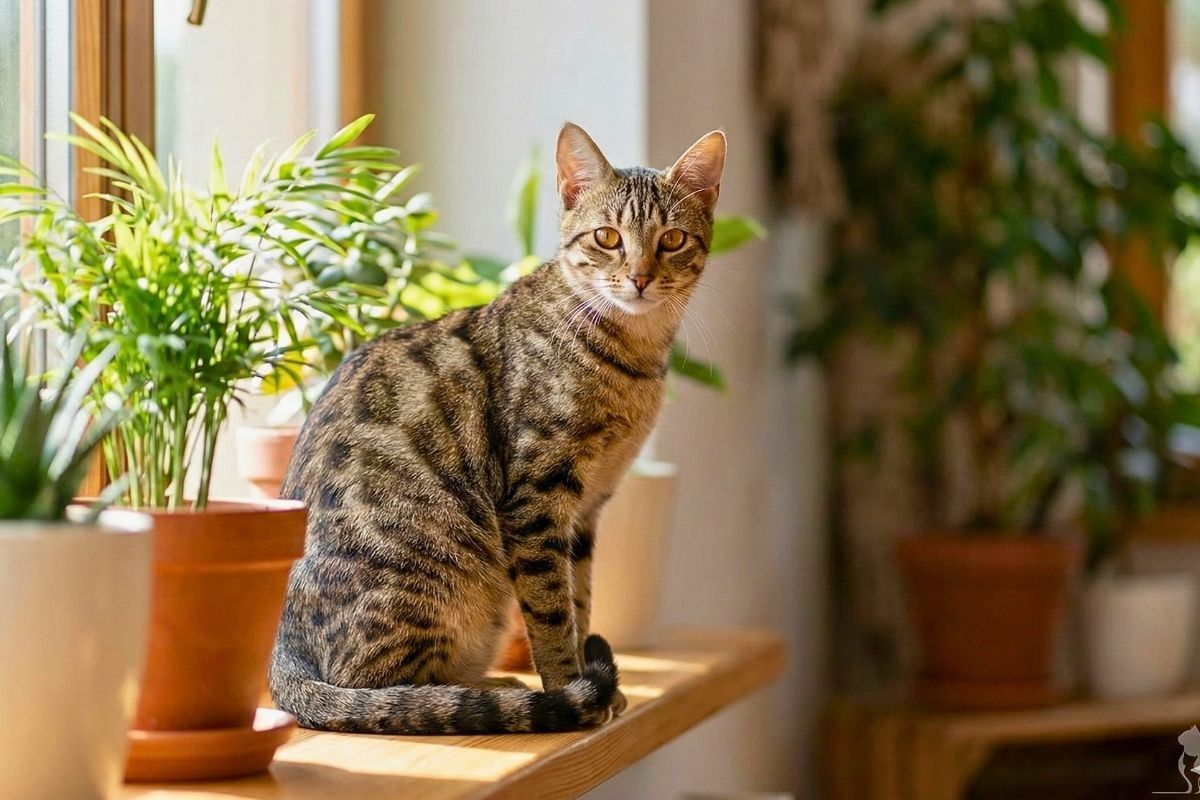
The Sokoke cat is a breed, above all, admired for its extremely exotic appearance and unique coat, which directly reflects its wild ancestors from the Kenyan forests. The Sokoke is a medium-sized cat, with a slender and muscular silhouette—the delicate lines contrasting with visible strength beneath its soft, smooth skin. Its body is slim and elongated, with high-set, long legs, allowing for agile and fast movement in its natural habitat. The Sokoke’s head is triangular, with gently rounded, pronounced cheeks and a slightly elongated profile. The ears are relatively large, wide at the base, and slightly pointed at the tips—often covered with short fur, which gives the cat an alert expression. The almond-shaped eyes usually feature vibrant green or amber colors, underscoring the intensity of its gaze. The tail is straight, thin, and of medium length, harmoniously matching the cat’s proportions. Overall, the Sokoke has an athletic build, expressing both grace and the natural wildness typical for a breed originating in the African mangroves.
The Sokoke’s most recognizable and unique feature is its marbled tabby coat, also referred to as the “classic marble.” The coat pattern displays an irregular mosaic of spots and streaks, resembling tree bark or butterfly wings, providing excellent camouflage in the forest environment. The coat colors range from warm browns and sandy beiges to chocolate shades, accented by much darker, almost black streaks and shading. Notably, the Sokoke has extremely short, close-lying, silky fur that is practically undercoat-free, making the cat appear even more athletic and lightweight. The lack of undercoat also leads to less shedding and easier care—regular brushing is enough to keep the coat in pristine condition. Some cats may show faint stripes on their legs or tail, highlighting the breed’s wild origins. Another hallmark of the breed is the distinct “M” marking on the forehead, typical of tabby cats, making the Sokoke unmistakable. Genetic diversity results in subtle differences in coat pattern and intensity, so every Sokoke has a unique, “nature’s signature” on its fur. Despite their wild, primitive look, these cats are elegant and light on their feet, with harmonious builds and stunning coats catching the eyes of breeders, judges, and cat aficionados worldwide. The overall visual effect gives the Sokoke an undeniably “wild” appearance, as if just out of the African bush—yet it feels equally at home in a domestic setting and quickly wins over observers with its striking beauty.
Temperament and Character – Behavior of the Sokoke Cat
The Sokoke cat is not only an exotic representative of the feline world but also a personality full of surprising contrasts. In its natural environment, its instincts were shaped by life in the Kenyan forests—a heritage still reflected in the breed’s behavior. The Sokoke is extremely intelligent—quick-witted, easy to train, and adept at exploiting resources, making it an excellent explorer and observer of daily household events. Its curiosity sometimes borders on stubbornness: the Sokoke won’t rest until it solves the riddle of a closed door, mysterious sounds, or new objects around the house. While its appearance harkens to wild ancestors, in interaction with humans, it demonstrates surprising sensitivity and loyalty. These cats form strong bonds with their caregivers and often select one person with whom they establish a particularly deep relationship. They see human presence not only as a source of safety but also as inspiration for shared activities—they love to participate in daily rituals, accompany household chores, and watch everything that goes on in the home with interest.
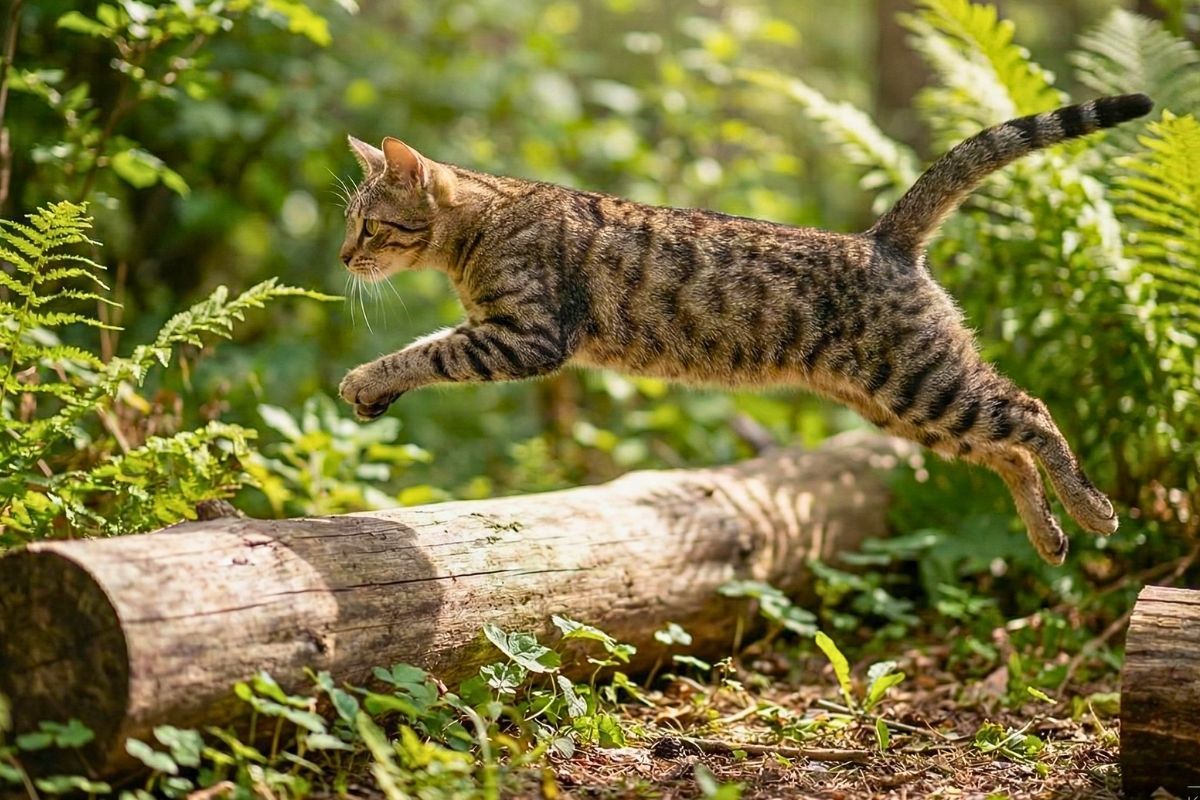
The Sokoke is not a typical “lap cat,” although it can show affection on its own terms—valuing closeness and presence more than cuddling, following its owner from room to room like a devoted but non-intrusive companion. By nature, it’s somewhat reserved with strangers but is open and communicative with the household: making use of a wide array of vocalizations, from subtle purrs to surprisingly melodic sounds to express its needs or simply to connect. As a socially oriented cat, it gets along well with other cats, especially if properly socialized from a young age. It can initiate playful interactions or cooperate, but also values moments of solitude and independence. With children, the Sokoke is patient, though it also requires mutual respect and independence; thus, it does best in homes where its boundaries are honored. Its energy is striking—it’s not a cat to lounge for hours on a couch but rather a dynamic athlete, ready to climb, leap, or play with interactive toys. It enjoys mental challenges; puzzle toys and obstacle courses are major attractions, helping it burn off excess energy. The Sokoke dislikes monotony and needs intellectual stimulation, making it a great companion for active people ready to spend time on shared activities. Also, its high sensitivity to stimuli means it prefers a peaceful, harmonious environment. At times, it will burst with activity—sprinting around the apartment, climbing scratching posts, or exploring high shelves; all these are natural ways for the Sokoke to express its temperament and let off steam. Its hunting drives, extremely sharp predator instincts, and fast reactions make it great for play that mimics hunting. This is also a particularly alert cat—hard to startle and always ready for action, yet rapidly able to calm down and observe the world from a safe distance. Despite these wild traits, it craves contact and attention; patience and calm from the caregiver are rewarded with strong attachment and trust. It can live peacefully with other pets if adaptation is gradual, though its dominant nature may appear during play or daily interactions. Ultimately, the Sokoke has a remarkable temperament, requiring an active, conscious approach to care—the reward is an unforgettable relationship with a truly extraordinary African companion.
Care, Nutrition, and Grooming of the Sokoke Cat
The Sokoke cat, as a naturally evolved breed, has specific but not overly complicated needs. Its health and well-being are largely dependent on an appropriate diet tailored to its biological requirements. High-quality, meat-rich foods as well as animal products are recommended, as cats are obligate carnivores. Wet or dry food should have a clear and balanced composition—choose products without unnecessary fillers or artificial additives. The BARF diet (biologically appropriate raw food), based on natural and unprocessed ingredients, is also a good choice, though it should be consulted with a veterinary nutritionist to ensure a complete set of essential vitamins and minerals. Regular access to fresh water is crucial—especially if the cat prefers dry food—as well as ongoing availability day and night. Sokoke cats are lively and fast-metabolizing, so the amount of food should match their activity level and age. Kittens, lactating mothers, and individuals in growth phases require more energy, while older cats may need a specialized diet to prevent obesity and support joint health.
Grooming the Sokoke cat is relatively simple thanks to its short, silky, undercoat-free fur. Typical practice involves gentle brushing once a week to remove dead hair and distribute natural oils—sufficient to keep the coat healthy, shiny, and minimize shedding. Due to the undercoat’s absence, the Sokoke rarely triggers allergic reactions, but it’s important to monitor skin condition; in homes without African sunshine, their skin can become dry, so proper room humidity and a diet rich in omega-3 and omega-6 fatty acids are vital. Due to the cat’s activity and climbing instincts, its claws grow quickly, but regular, moderate trimming is advisable, especially if it spends most time indoors. If the cat uses scratching posts and similar accessories, natural wear limits the need for frequent trimming. Ear hygiene is important—large, wide ears collect dust and debris easily, so check and gently clean them every few weeks with appropriate veterinary products. Eyes don’t need regular cleaning, but any excessive tearing or discharge should prompt a quick visit to the vet. The Sokoke does not require bathing because its short fur is self-cleaning—this is needed only in exceptional situations and should always use mild feline shampoos. As a breed with African roots, the Sokoke is fairly robust but not immune to the health threats common to domestic cats; regular vaccinations, parasite prevention, annual dental checkups, and monitoring general condition at the vet’s are the pillars of Sokoke care. Mental stimulation with toys, puzzles, and environmental enrichments is also very important—the Sokoke, as an active and intelligent breed, greatly appreciates new challenges and daily interactions. With proper care, the Sokoke enjoys good health, rarely suffers from genetic diseases, and its activity, hunting drive, and trusting nature make it a full-fledged family member, requiring understanding and appropriate home adjustment.
Health and Lifespan of the Sokoke Cat
The Sokoke cat is a natural breed shaped over centuries in unique environments, resulting in impressive hardiness and comparatively low susceptibility to the hereditary diseases seen in more artificially bred breeds. This genetic diversity supports high general health. Sokoke cats are known for their resilience, resistance to infections, and adaptation to changing climates—essential traits for survival in the humid, parasite-rich, and challenging African mangrove forests. In European and domestic breeding, where conditions are gentler, the breed shows minimal health problems. Experts agree that Sokoke cats are long-lived, usually reaching 12 to 16 years in domestic conditions with proper care, balanced diet, and regular veterinary checkups—often surpassing 18 years. In contrast to many breeds with typical hereditary issues, the Sokoke lacks such characteristic conditions—no reports exist of breed-specific heart problems (such as hypertrophic cardiomyopathy – HCM), neurological disorders, or kidney disease. Nevertheless, every breed and individual can show unique susceptibilities, so health prevention and attentive care are essential.
A key aspect of health maintenance for the Sokoke is keeping a healthy weight—with its active nature and high energy, the breed is less prone to obesity, but an unbalanced diet and insufficient activity may result in metabolic issues. The optimal diet should include high-quality animal protein, unsaturated fatty acids, and microelements; this helps the cat’s body cope with natural stress, enhances coat shine, and protects internal organs. Both kittens and adults need regular deworming and vaccinations to protect against parasites and infectious diseases—especially those present in the home or during contact with other animals. Daily observation is crucial—an experienced owner should monitor changes in behavior, appetite, coat condition, or activity levels, which may signal the onset of digestive failure, dental issues, or early infection symptoms. Rarely, but occasionally, general problems such as respiratory infections, gum inflammation, or skin allergies may occur—especially with changes of environment or improper food. Never ignore even minor symptoms such as excessive scratching, bald spots, chronic digestive changes, or eye discharge. Due to their African lineage, Sokoke cats are more tolerant of warm, humid climates, but as pets, they need warmth during winter and protection from drafts. Regular vet checkups, monitoring of teeth and internal organs, along with balanced physical and mental activity, keep the Sokoke in great shape for many years. If purchased from a legal, registered breeder, you can be assured that parents have been screened for inherited diseases, further minimizing the risk of hereditary illnesses. Thanks to their intelligence and curiosity, Sokoke cats seem “forever young”—their lively character, eagerness to experience new stimuli, and closeness to humans all support well-being into old age.
Is the Sokoke the Right Cat for You? Who Is This Breed Recommended For?
The Sokoke cat is a unique choice for people seeking not only rarity but intelligence and activity in a cat distinguished by a unique temperament. Above all, it is recommended for caregivers who have time to foster a deep relationship with their pet and who value daily interaction and play. The Sokoke is not a typical “sofa cat” happy with solitude and few stimuli—this animal requires intellectual stimulation and revels in exploring its environment and participating in household affairs. For those leading an active lifestyle, often at home, as well as families with children or several household members willing to engage, the Sokoke can become an excellent companion. At the same time, this cat needs an owner who demonstrates empathy and respect for its independence. The breed is known for strong emotional bonds with a chosen “favorite human,” whom it will loyally follow and gently seek attention from. However, don’t confuse the Sokoke with extremely effusive or highly cuddly cats—though devoted and empathetic, it values its own space and peace at home. Its curiosity and need for activity mean it thrives in homes with access to various toys, scratching posts, shelves, and interactive challenges to support both physical and mental development.
An important aspect of choosing a Sokoke is the patience and consistency of the future owner, who must be ready to raise a cat with high autonomy, yet sensitive to voice and emotion. The Sokoke works well in larger families, as well as with singles or couples, who are looking for an assertive animal not entirely tamed by everyday routine. Thanks to their low aggression, high intelligence, and adaptive abilities, these cats are a good choice for families with children, provided the children are taught to respect the animal and understand its need for space. The Sokoke also adapts well to other cats or even dogs, provided there is proper socialization and no competition for the owner’s attention. However, this is not a breed recommended for people who travel frequently, are rarely home, or don’t devote enough time to their pet. The Sokoke handles loneliness poorly—it craves bonding and human presence. Conversely, it can be suitable for people who appreciate feline independence, who don’t require constant displays of affection, and who respect its need for freedom. Minimal undercoat and easy grooming mean even people sensitive to fur or short on time can meet the basic care requirements. However, meeting its behavioral needs—daily challenges, environmental stimulation, high-quality diet, and health care—is essential. For lovers of the exotic, those appreciating unique appearance and character, the Sokoke remains one of the most original and fascinating domestic pets—provided it is entrusted to responsible and aware hands.
Summary
The Sokoke cat is an extraordinary, rare breed from Africa, notable for its elegant, striped coat and very energetic temperament. These cats are sociable, intelligent, and highly active, making them ideally suited to families and people who appreciate a playful feline companion. They require some grooming, appropriate exercise, and a suitable diet to enjoy good health and long life. With its unique appearance and devotion to its human, the Sokoke is a breed for those seeking a smart, cheerful, and exceptional cat.

