
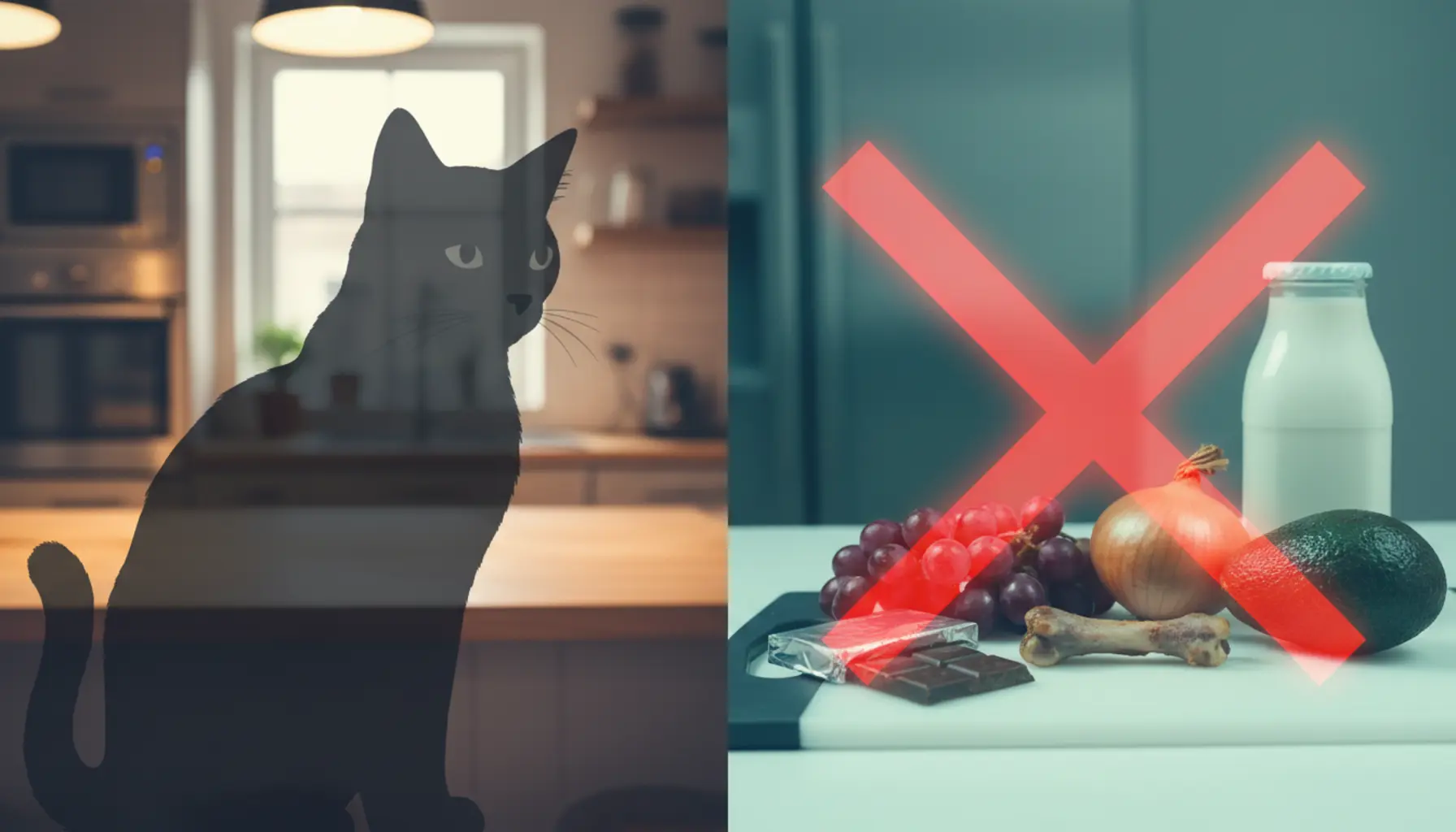
Many everyday foods can pose a threat to your cat’s health. The most dangerous foods for cats include onions, chocolate, and grapes, which can cause acute poisoning. Protect your pet by knowing what should be strictly avoided in their diet.
Table of Contents
- Common Household Foods Dangerous to Cats
- Understanding Why Certain Foods Are Harmful
- Recognizing Symptoms of Food Poisoning in Cats
- Safe Dietary Alternatives for Cats
- Importance of a Balanced Diet for Your Cat
- What to Do If Your Cat Ingests Toxic Food
The Most Dangerous Foods for Cats
Although many people enjoy “sharing” food with their pets, doing so with cats is especially risky. Their bodies metabolize substances completely differently than humans, so some foods safe for people can be highly toxic or even deadly to cats. The most dangerous include onions, garlic, and other allium vegetables (shallots, leeks, chives), which damage red blood cells and can lead to hemolytic anemia. Their toxic effect appears after eating them raw, cooked, dried, or powdered—particularly deceptive are sauces, soups, dishes with onion or garlic, and powdered spices, which your pet can lick from plates or countertops. Chocolate and cocoa are also dangerous, containing theobromine and caffeine, which in cats cause nervous system stimulation, accelerated heart rate, muscle tremors, vomiting and diarrhea, and in severe cases convulsions and life-threatening heart arrhythmias. The darker the chocolate (dark or dessert chocolate), the higher the theobromine concentration and the greater the poisoning risk even from a small bite. Cocoa powder, toppings, and hot chocolate are also toxic. Special caution should be exercised with xylitol, a popular sweetener added to chewing gums, toothpastes, “sugar-free” sweets, and fit-baking. In dogs, it causes a rapid drop in blood sugar; in cats, poisonings are rarer but still possible—symptoms include sudden apathy, coordination disturbances, vomiting, and even acute liver failure. Grapes and raisins, seemingly innocent kitchen products, are very dangerous as well as they can lead to acute kidney failure; in some cats, just a few may cause severe disturbances. Similarly, avocado, containing persin, can cause vomiting, diarrhea, weakness, and even cardiological problems—cat treats should never contain even small amounts of this fruit, including guacamole or avocado paste. Remember also about alcohol and fermenting products (e.g., raw yeast dough), which lead to ethanol intoxication—symptoms include unsteady gait, drowsiness, drop in body temperature, or coma in extreme cases. Cats are much more sensitive to alcohol than humans, so even “licking” a glass or eating alcohol-infused desserts poses a real threat. Few people realize caffeine drinks—coffee, tea, energy drinks or so-called cold brews—can also be harmful, causing restlessness, rapid heartbeat, tremors, and in higher doses, convulsions in cats. Do not leave coffee mugs or energy drink cans within reach of a curious feline who might try tasting it.
Dairy products and milk form their own category, often associated with cats as a “natural” treat. In reality, most adult cats have lower lactase activity—the enzyme required to digest lactose. Cow’s milk, cream, or sweet yoghurts may therefore result in diarrhea, bloating, and stomach pain; while not typically “toxic” like chocolate or onion, they seriously disrupt the digestive system, weaken immunity, and favor dehydration. Regularly giving fatty table leftovers is also very hazardous—fried meat, chicken skin, sauces, cold cuts, bacon, or sausage. The high fat and spice content (salt, pepper, garlic, onion, paprika) can induce severe pancreatitis, causing intense vomiting, abdominal pain, apathy, and appetite loss. Many cold meats and canned meats are heavily salted, straining kidneys and cardiovascular system, and sharp spices irritate the gastrointestinal mucosa. Raw meat or fish given unchecked can be dangerous too: apart from bacterial (Salmonella, Campylobacter) or parasitic infections, some fish (like raw carp, herring) contain thiaminase—an enzyme that breaks down vitamin B1 (thiamine), and long-term exposure may lead to serious neurological disorders. Raw fish may also be preserved in salt or smoke, increasing sodium and possibly carcinogenic compound levels. Watch for sweets and baked goods too: even if they do not contain chocolate, they’re full of sugar, fat, and flavors promoting obesity, diabetes, pancreatic, and liver disease. Cakes, muffins, ice cream, whipped cream, creams, and flavored yoghurts are not a good “snack” for cats, nor are chips, pretzels, salty peanuts, or other salty snacks—excess salt can cause thirst, electrolyte imbalances, and in severe cases, neurological symptoms. The list of risky foods should also include some spices and kitchen additives: nutmeg, baking powder, baking soda, hot sauces, or even some herbs in large amounts can irritate the digestive system and liver. For safety, assume your cat should eat only complete cat food and, optionally, dedicated veterinary or pet store treats. All human “leftovers”—even if they seem harmless—should be out of reach, no open packages left on counters, and everyone in the household (especially children and guests) should be instructed not to feed the cat from their plate or hand.
List of Foods Cats Should Avoid
Although many products in our kitchens may seem harmless, for a cat, they can pose a serious health risk, or even be fatal. Top of the list are allium vegetables: onions, garlic, leeks, chives, and shallots—fresh, dried, powdered or processed (e.g., in sauces, cold meats, ready-made meals). The sulfur compounds in them damage red blood cells, causing hemolytic anemia; symptoms can appear with delay and include weakness, rapid breathing, pale gums, vomiting, and, in serious cases, collapse. Chocolate and all cocoa products are also very dangerous: cakes, creams, toppings, drinking cocoa, or even scented cosmetics left within feline reach. Theobromine and caffeine are responsible—the darker the chocolate, the higher the concentration of toxic substances. In cats, they can cause hyperactivity, muscle tremors, fast heartbeat, arrhythmias, vomiting, diarrhea, and in extreme cases, seizures and death. Xylitol, a popular sweetener added to chewing gum, “sugar-free” candies, syrups, supplements, and even some homemade bakes, is also extremely hazardous—while cats rarely intentionally choose sweet foods, curiosity may lead them to ingest it. In dogs, xylitol causes a rapid drop in blood glucose and liver failure; in cats, the mechanism is less studied, but reports describe hypoglycemia, vomiting, weakness, and coordination issues, so any contact with the sweetener should be treated as an emergency. Grapes and raisins, also on the danger list, can cause acute kidney failure—even small quantities may harm a sensitive cat. Symptoms such as loss of appetite, apathy, vomiting, abdominal pain, and increased or limited urination can occur within several hours. Avocado contains persin, which may be harmless in small amounts for some cats, but cause vomiting, diarrhea, and heart problems in others; especially risky are skin and pits, which also pose an intestinal obstruction threat. Alcohol in any form (beer, wine, drinks, liqueurs, alcohol-soaked cakes, raw fermenting yeast dough in the stomach) is toxic even in minimal amounts; cats’ small body weight means just a few sips can cause poisoning: unsteady gait, drowsiness, hypothermia, vomiting, breathing difficulties, and even coma. Attention should also be paid to coffee, tea, energy drinks, cola drinks, and slimming or stimulant supplements containing caffeine and other methylxanthines—they can cause nervous system stimulation, palpitations, hypertension, hyperthermia, and seizures. Though popular culture often shows a cat drinking milk, most adult cats are lactose intolerant, and cow’s milk, cream, ice cream, or soft cheeses can lead to diarrhea, stomach pain, bloating, and dehydration, which is especially dangerous for kittens and seniors. Very fatty and spicy products are not recommended either: fried meats, sausages, bacon, cold cuts, pâtés, chips, sauces, dishes rich in salt and spices (especially powdered garlic and onion), as they overload the pancreas and liver, promote obesity, and may lead to pancreatitis, with severe abdominal pain, apathy, and vomiting among symptoms.
Another category covers “natural-seeming” products that are nonetheless dangerous or even toxic for cats. These include raw fish, especially those containing thiaminase (e.g., carp, herring) which breaks down vitamin B1—regular feeding can cause deficiency, leading to neurological disorders, seizures, and blindness; additionally, raw fish increases the risk of infection with parasites and bacteria, such as Salmonella or Listeria. Raw poultry and pork can also harbour pathogens, so if you consider a BARF diet, it should be only under vet and animal nutritionist supervision. Cooked bones (chicken, turkey, pork, beef) are inadvisable, as they can splinter into sharp fragments capable of piercing the esophagus, stomach, or intestines, or causing dangerous blockages. This also applies to tiny fish bones—cats may be better able to handle them than humans, but they are not a desirable dietary component and too many increase mechanical injury risk. Many homes also have various potted plants and bouquets highly toxic to cats: lilies (every part plus vase water) cause acute kidney failure, even if a cat just licks pollen off its fur, with symptoms sometimes initially appearing mild, such as slight vomiting or sleepiness. Other dangerous plants include dieffenbachia, peace lilies, ficus, oleander, poinsettia, ivy, aloe, and many more indoor and garden species—always check safety before bringing them home. Also remember the seeds and pits of some fruits, such as apples, apricots, peaches, cherries, or plums—they contain cyanogenic glycosides, which in large amounts can cause cyanide poisoning; hard pits are a choking and blockage risk. All human medications—painkillers (paracetamol, ibuprofen, aspirin), antidepressants, sleeping pills, cold and flu remedies, “immunity” supplements, or vitamins—should also be strictly avoided. A cat’s body metabolizes many substances differently than a human’s, so a tablet that is safe for people can cause liver or kidney damage, gastrointestinal bleeding, neurological symptoms, or sudden death in a cat; this goes for popular ointments and warming plasters, as well as essential oils (e.g., tea tree, peppermint, eucalyptus)—their vapors can be toxic, causing drooling, ataxia, seizures, and breathing problems. Human vitamin and mineral supplements, especially those containing iron, vitamin D, A and fluoride, are also dangerous—excess can result in severe metabolic disorders, organ damage, and chronic disease. The category of forbidden products also includes household chemicals (floor cleaners, bleach, detergents, insect and rodent poisons, slug bait, plant fertilizers, windshield fluids, deicers, sweet-tasting radiator fluids with ethylene glycol), which cats can lick from fur or paws; every contact, even minor, requires veterinary consultation, as some toxins act rapidly and poisoning symptoms are reversible only with immediate intervention.
Common Household Foods Dangerous to Cats
In many homes, cats practically have unlimited access to the kitchen, table, or countertop, and caregivers are eager to “share” food with them. Unfortunately, many popular foods that are perfectly safe for people are highly toxic to cats or can gradually damage their health. Most commonly encountered and exceedingly dangerous are allium vegetables such as onions, garlic, chives, and leeks—present in soups, sauces, cold cuts, ready-made meals, and spices. Even small amounts, fed regularly, can lead to hemolytic anemia—the breakdown of red blood cells—resulting in weakness, apathy, rapid breathing, pale or yellowed gums, and in extreme cases, collapse and death. Similarly, giving a cat leftovers from dinner, like roast meat seasoned with garlic powder, stock cubes, onion sauce, or dog food (often containing onion and garlic extracts), is dangerous. Chocolate and any chocolate-containing product—from bars to creams, cakes, and hot cocoa—are highly toxic. Cocoa’s theobromine can induce vomiting, diarrhea, restlessness, rapid heartbeat, seizures, and sudden cardiac arrest; the higher the cocoa content (e.g., dark chocolate), the greater the danger even in tiny amounts. The risk also increases with xylitol, used as a sweetener in sugar-free gum, sweets, fit bakes, and syrups. In cats, xylitol can provoke a sharp drop in blood glucose, weakness, seizures, and liver damage, so never share even a small piece of diet cake or sugar-free candy with your pet. Seemingly healthy snacks, like grapes or raisins, are a real threat—some cats may develop acute kidney failure, evidenced by loss of appetite, vomiting, lethargy, abdominal pain, and increased thirst. As the toxic dose is unknown and varies individually, the only safe amount of grapes or raisins for cats is… zero.
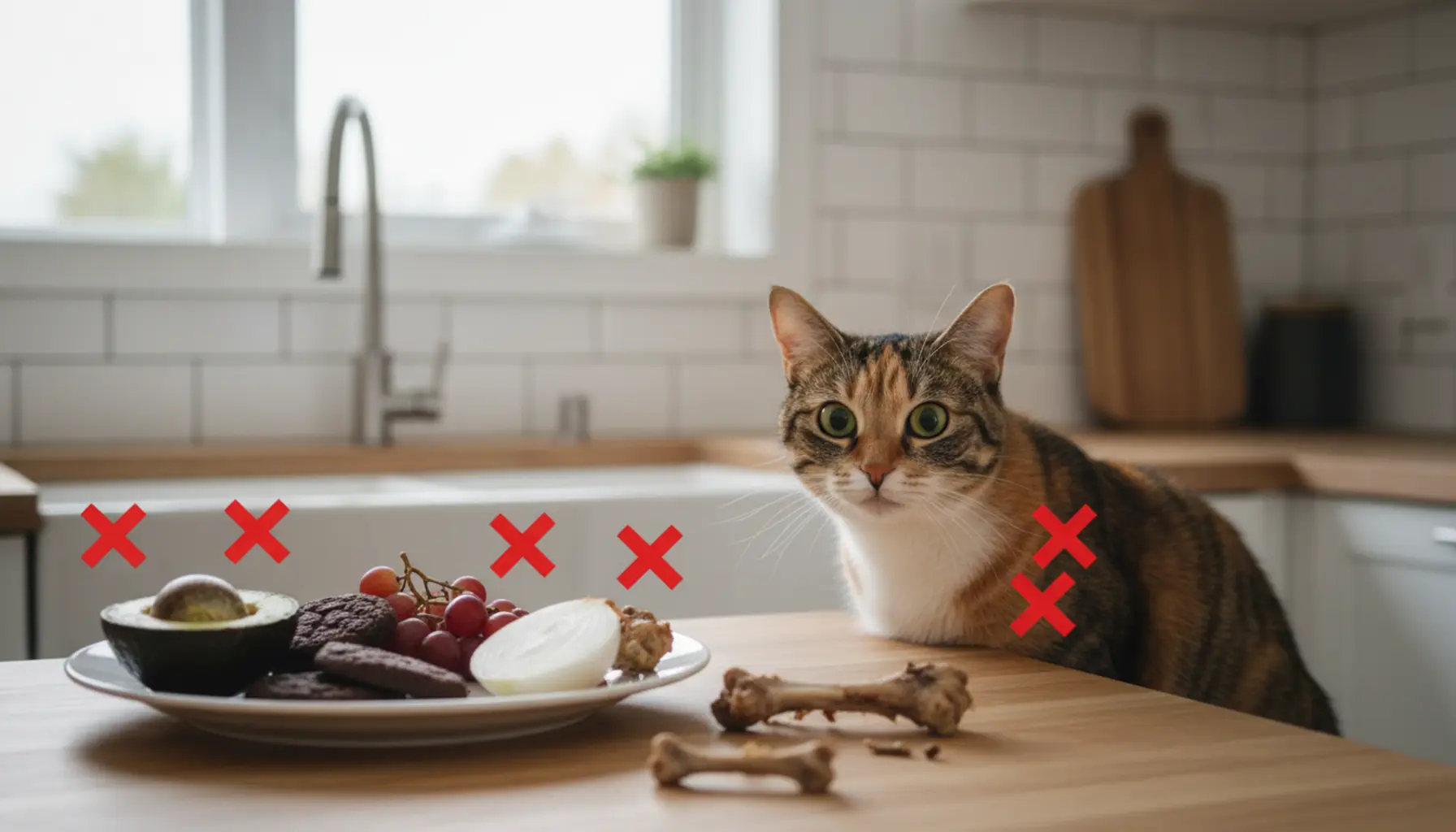
Particularly deceptive household foods include avocado, commonly used in salads and spreads, containing persin—a substance that in higher doses may cause gastrointestinal problems and cardiac disturbances. Bowls of nuts also often sit on countertops; while most cats are not fascinated by them, some chew on them for fun, and swallowed macadamias, walnuts, or pistachios can cause vomiting, diarrhea, weakness, neurological symptoms, and present a choking risk. Another common mistake is giving a cat leftover fish or meat, especially when heavily seasoned with salt, pepper, spicy spices, or containing onion- or garlic-based sauces. Excess salt can cause electrolyte disorders, dehydration, vomiting, and seizures, while lots of fat increases the risk of pancreatitis—a painful and potentially life-threatening illness. Cooked poultry and roast bones are extremely dangerous—they easily splinter into sharp fragments that can injure the mouth, esophagus, intestines or get stuck, requiring costly and risky surgery. Danger also lurks in drinks left on tables: coffee, tea, energy drinks, or cola contain caffeine, which in cats leads to agitation, rapid heartbeat, excessive meowing, tremors, and at high doses—convulsions and death. Alcohol—even a few sips of beer, wine, or liqueur—is much more toxic for cats than humans, causing disorientation, weakness, vomiting, falling body temperature, and, in larger amounts, coma. Be cautious with seemingly harmless cake and dessert leftovers: apart from sugar, which leads to obesity and pancreatic problems, they may contain alcohol, cocoa, raisins, scents, and dyes, to which the sensitive feline body reacts much more strongly than ours. Effective protection involves storing food in closed cabinets or containers, cleaning up crumbs and leftovers from tables and surfaces immediately, and forming the habit of never “treating” your cat to human snacks—even if they beg persistently. Instead, always have safe, cat-specific treats of simple composition on hand, and keep plates, bowls, and cups out of unsupervised reach.
Why Is Chocolate Toxic to Cats?
Chocolate is one of the best-known toxic foods for cats, yet many caregivers still do not realize how small an amount can be a real life-threatening hazard. The main culprits are two substances: theobromine and caffeine, methylxanthines. The human body metabolizes these relatively quickly, while in cats this process is much slower, causing the substances to accumulate and exert a toxic effect. The darker and more bitter the chocolate, the higher the theobromine content and thus the greater poisoning risk—dark chocolate, baking cocoa, and baking chocolate are particularly dangerous, while white chocolate contains the least, though still should never be fed to cats. Cats are less attracted to sweet flavors than dogs, lacking the receptors for sweetness, but the aroma of milk, fat, or fillings (e.g. cream) may tempt them to try a chocolate dessert, ice cream, or glaze. Thus, poisoning can occur by accident: a cat licking off leftovers from a plate, dessert bowl, or even a chocolate wrapper left on the table or within reach. The additional issue is that many owners do not connect chocolate consumption with later symptoms, delaying veterinary help. Chocolate toxicity in cats depends on many factors: body weight, type of chocolate, amount eaten, and general health (elderly cats or those with heart, kidney, or liver disease may react more strongly). Even if your cat does not eat a whole bar but just a few squares or licks a bowl of hot chocolate, this may provide a dose sufficient to cause severe poisoning in their small body. Theobromine stimulates the nervous and cardiovascular systems, increases heart rate, dilates blood vessels, and acts on smooth muscles, including those of the digestive tract. The effects are varied and often seemingly nonspecific, which the caregiver may mistake for normal indigestion or “mild stress.” That is why knowing the symptoms of chocolate poisoning is so important, especially when chocolate products are stored at home. Remember that not just cocoa is dangerous, but also common chocolate dessert add-ins—raisins (also highly toxic for cats), alcohol in pralines, macadamia nuts, or lots of sugar and fat, all of which burden the pancreas and liver.
Understanding Why Certain Foods Are Harmful
While cats are often interested in what’s on our plates, their bodies function completely differently from ours—and that’s why so many seemingly “normal” foods are toxic to them. The feline digestive system is specialized for processing meat, not the complex dishes, additives, and seasonings people commonly use. Cats are obligate carnivores, meaning their bodies are adapted to a diet rich in animal protein and fat, but low in carbohydrates, simple sugars, and plant fiber. In practice, this results in different digestive enzyme activity—some enzymes found in humans are either present in negligible amounts or completely absent in cats. For this reason, cats cannot properly break down many compounds from onions, garlic, chocolate, xylitol, or avocado. These substances accumulate, damaging internal organs and disrupting metabolic balance, leading to acute poisonings or even death. Also, cats have much lower body mass than humans, so a dose that is negligible for us can be fatal for them—toxicity is often measured in milligrams per kilogram of body weight. The liver and kidneys function differently too. Kidneys are responsible for filtering blood and eliminating harmful substances in urine. Since cats are predisposed to kidney disease, toxins from foods like grapes or some human medications may trigger acute renal failure, with symptoms like apathy, loss of appetite, vomiting, excessive or reduced urination, and rapid overall health decline. Furthermore, cats have a different sense of taste—they cannot perceive sweetness, so they cannot instinctively “reject” some harmful foods that we associate with desserts or sweets. If something smells appealing, like fat, milk, or meat, a cat may eat it without warning mechanisms irrespective of its danger.
Toxic Effects of Eating Grapes and Raisins
Grapes and raisins are among the most mysterious, and at the same time highly dangerous products for cats. Unlike many other toxins, the specific substance responsible for their harmful effect has not yet been identified, but it is well documented that both fresh grapes and dried raisins can lead to acute kidney failure in cats. The reaction is highly individual—just a small amount can cause serious symptoms in one cat, while another may only react to a larger portion. There is no safe dose, so every ingestion of grapes or raisins should be considered potential poisoning requiring urgent veterinary attention. The danger is not just from eating the fruit directly; baked goods, muesli, bars, bread, salads, or desserts containing even small amounts of raisins—even sauces and fillings where their presence may go unnoticed—are also hazardous. The cat’s metabolism is not suited to process many compounds in fruit, but with grapes and raisins, the problem goes beyond mere indigestion. Substances in them may be directly toxic to kidney cells, causing damage, swelling, and filtration disturbance. This leads to a rapid drop in kidney function and the build-up of metabolic waste products, which would otherwise be excreted. The situation is worsened by the fact that cats naturally drink little and their kidneys are sensitive to water-electrolyte imbalances. In some cats, the first symptoms appear within a few hours, in others after 24–72 hours, which can mislead owners and delay reaction. Early symptoms are often nonspecific and can resemble ordinary digestive upsets—the cat becomes lethargic, loses appetite, vomits or has diarrhea, and may drool excessively. Later, dehydration symptoms follow, such as a dry tongue, sunken eyes, weakness, and lumbar pain related to kidney damage. More advanced cases show urine output changes—the cat may urinate much less, too often, or even stop completely, signaling possible acute kidney failure. Some cats develop muscle tremors, unsteady gait, rapid heart and breathing rates, and, in severe cases, seizures. Poisoning by grapes or raisins, if not quickly recognized and treated, may irreversibly damage the kidneys and cause the cat’s death; thus, every such episode requires immediate action, even if the cat seems fine at first.
Recognizing Symptoms of Food Poisoning in Cats
Food poisoning symptoms in cats can be hard to recognize since many are nonspecific and may resemble other illnesses. It’s crucial to carefully observe your pet’s behavior and any changes in their routine. The most common early symptoms involve gastrointestinal problems: sudden vomiting, drooling (the cat obsessively licks or “foams” at the mouth), diarrhea, or repeated straining with little stool produced. Worrying signs include blood in vomit or stool, a sharp “chemical” stomach odor, slimy or watery stool. A cat that’s eaten something toxic will often suddenly lose appetite, refuse even favorite treats, hide in secluded places, and react negatively to touch especially around the belly. Watch for signs of pain—the cat may hiss, meow, growl, or arch their body when lifted. Another symptom group involves changes in activity and behavior. A poisoned cat may become apathetic, sleep much more than usual, move slowly with visible effort. Contrastingly, after ingesting stimulating toxins (e.g. caffeine, theobromine in chocolate), you may see hyperactivity, nervous pacing around the house, sudden jumping, unexplained meowing, dilated pupils, or even aggression toward caretakers or other pets. Coordination problems are common: unsteady gait, stumbling, staggering, trouble keeping balance when jumping on furniture, falling over, and muscle tremors. Some cats develop neurological signs such as stiff legs, involuntary head movements, tics, or, in severe cases, seizures—a clear life-threatening situation.
Unexpected Dangers of Everyday Household Products
At home, what’s perfectly harmless or even useful for people can pose serious health risks to cats—not only typical “human foods” but common household products seldom associated with poisoning risk. Start by paying close attention to kitchen spices and additives. Table salt in large quantities can cause electrolyte disturbances, dehydration, and neurological symptoms—cats are more sensitive to sodium excess than humans. Powdered spices, meat mixes, and ready-made marinades often contain onions and garlic as dried or powdered versions, which—even in small regular amounts—may cause hemolytic anemia. Stock cubes and powdered sauces are also dangerous, loaded with salt, flavor enhancers, and fats, straining the cat’s liver and kidneys. Many don’t realize some herbs can be problematic too—nutmeg in high doses is neurotoxic, and bay leaves may irritate the stomach and intestines if accidentally eaten. Another hidden danger are diet and “fit” products. Xylitol, common in sugar-free gum, candies, bakes, and toothpastes, is extremely harmful for dogs but also risks rapid blood sugar drops, weakness, seizures, and liver damage in cats. Sometimes, a cat only needs to lick sweet icing with xylitol from a countertop or packaging. Dietary supplements and human vitamins can also be tricky—some contain high iron levels, which in excess are toxic to the digestive tract, liver, and heart. Vitamin D or calcium-based tablets can cause hypercalcemia, kidney damage, and arrhythmias if accidentally ingested. Note that human fish-oil capsules often contain flavorings, preservatives, or are concentrated to unsuitable doses for a cat’s small body. Even products sounding “natural” such as oregano or peppermint oil, used for human colds, are potent concentrates and can provoke mucous irritation, vomiting, or in serious cases, liver damage.
Safe Dietary Alternatives for Cats
Providing your cat with a safe, balanced diet is not limited to canned or dry food. If you want to diversify your pet’s meals and avoid toxic foods, it’s worth learning which food groups are safe for cats and can supplement their diet when used sensibly. The basis should always be high-quality complete cat food—wet, dry, or mixed—suited to their age, health status, activity level, and any illnesses (such as kidney, pancreas, or obesity). Human food should be only a treat, making up a maximum of about 10% of daily calories to avoid disturbing nutritional balance. The safest additions are plain cooked lean meats without spices: boiled or baked chicken, turkey, rabbit, or lean beef, served without skin, fatty pieces, bones, onions, garlic, or sauces. Meat must be thoroughly cooked (no salt or spices) to minimize bacteria and parasite risk, and portions small, adjusted to your cat’s weight. Some cats tolerate small amounts of cooked, boneless, white sea fish like cod or pollock, also without bones or spices—as an occasional treat but not a meat substitute due to a different amino acid profile and the risk of thiamine deficiency. Good compromises between “homemade food” and nutritional value are specialist wet foods like “chicken fillets,” “tuna in jelly,” and limited-ingredient pouches specifically for cats—giving a simple product but still balanced in vitamins and minerals. Many cats also enjoy commercial freeze-dried treats made of 100% meat or fish (e.g., chicken, turkey, tuna)—they are easy to serve, usually safe, and free from harmful additives if purchased from reputable brands.
How to Avoid Poisoning Your Cat at Home
Preventing cat poisoning starts with thoughtfully planning your home and family routines. The most vital principle is complete separation of “cat feeding areas” from your own—do not feed cats at the table, do not give them leftovers, don’t let them on countertops while cooking, and keep all food in closed cupboards or containers. Snack bags, chocolate, nuts, raisins, chips, or bread should be stored high and out of the cat’s reach, as many cats can bite through plastic packaging. Extra caution is necessary for grapes, raisins, xylitol products, and chocolate—do not leave them on coffee tables, desks, or kitchen counters, not even “for a moment.” Make it a habit to immediately clean up after meals, put away plates and pots, wash off sauces and fatty scraps before the cat licks them. Carefully control your garbage can—it should be tightly lidded, ideally in a cupboard, to prevent access to leftovers, bones, dairy packs, coffee grounds, or tea bags. In homes with children or seniors, education is critical—every member should know what foods are off-limits, why treats like hotdogs, spiced cold cuts, or sweet snacks are forbidden, and which products are high-risk (onions, garlic, chives, leeks, chocolate, xylitol, alcohol, caffeine, grapes, raisins, avocado, certain nuts). Printing and posting a short list on the fridge can help avoid accidents. Aside from foods, human supplements and medications—painkillers, anti-inflammatories, cold remedies, diet pills, vitamins—should be stored as they would be in a household with young children: in locked cabinets, not left on bedroom tables or desks. Cats may chew tablets out of curiosity, and tiny amounts of many drugs can cause serious liver, kidney, or nervous system damage. Never give your cat human medication (such as painkillers or fever reducers) without your vet’s direct instruction, as even substances safe for people may be highly toxic for cats.
Importance of a Balanced Diet for Your Cat
A balanced diet for your cat means more than a “full bowl”—it is the foundation for proper function of all bodily systems, from immunity and digestion to skin and coat health. As obligate carnivores, cats’ nutritional needs are very different from humans and dogs—they require abundant high-quality animal protein and specific nutrients they cannot synthesize in sufficient amounts. These include taurine, essential fatty acids (including arachidonic acid), animal-based vitamin A, and some B vitamins. Properly balanced cat food ensures sufficient amounts of these substances, while limiting those cats need less of, such as carbohydrates and fiber. If a caregiver gives in to frequent “home-cooked upgrades” to a cat’s diet, even with “safe” ingredients, it’s easy to upset the delicate balance of calories, protein, fat, minerals, and vitamins. Excess or deficiency of just one nutrient affects the entire body: too much phosphorus with not enough calcium, for example, leads to bone problems; overfeeding fatty high-calorie treats leads to obesity and related diseases. A balanced diet is not just about avoiding toxins, but consciously adjusting both the amount and quality of food to your cat’s age, weight, activity level, and health status.
What to Do If Your Cat Ingests Toxic Food
If your cat has consumed something potentially toxic, time and a calm caregiver matter most. The first step is to quickly but objectively assess what was eaten, in what quantity, and when. If possible, save the packaging, photograph food remnants, labels, and any vomit—this information can greatly help the veterinarian. Do not wait for symptoms, as many toxins act slowly, and prompt intervention greatly increases chances of full recovery. Call your vet (or a 24-hour clinic) immediately, accurately describe the situation, and follow their instructions. Avoid “home remedies” like giving milk, oil, alcohol, or activated charcoal on your own—they might not help, or may worsen the situation and delay professional care. Do not induce vomiting at home in cats (don’t use salt, hydrogen peroxide, baking soda, or mechanically irritate the cat’s throat)—it’s dangerous and can cause further complications (e.g., burns, aspiration into lungs, electrolyte imbalances). Inducing vomiting should only be decided by a vet after risk assessment (e.g., after sharp bones, caustic chemicals, or essential oils vomiting may be contraindicated). While waiting for the vet, prevent further toxin exposure—clean up all food, dispose of it in a closed bin, close the kitchen or affected area, and provide the cat with a quiet spot and fresh water. If your cat vomits on their own, save a sample in a clean container and bring it with you, but don’t force feed or make them drink. Having an “emergency card” with your vet’s and local emergency contact numbers is wise—in stressful situations, obvious things may be forgotten, but minutes count.
During the call to your vet, be ready with the cat’s approximate weight, age, medical conditions, medication, name and type of ingested product (e.g., milk vs dark chocolate, type of sweetener in “diet” gum, the specifics of a supplement or spice), as well as the estimated amount and time of ingestion. The more details, the better the vet can assess the risk and need to visit the clinic. In cases such as onion, garlic, chocolate, xylitol, grape, or raisin ingestion, the vet will likely ask for a rapid visit even if your cat seems well. In-clinic care can include procedures to limit toxin absorption (controlled vomiting, activated charcoal, intravenous fluids, gastroprotective agents, or organ-supporting drugs) and diagnostic tests—blood cell counts, biochemistry, liver and kidney parameter checks, plus urine or imaging if needed. Especially after substances damaging the kidneys or liver (grapes, raisins, some human medicines, chemicals), bloodwork must often be monitored in the following hours/days even if there are no initial symptoms. After returning home, strictly follow dietary, medication, rest, and observation recommendations—watch appetite, urination, activity, mucous membranes, vomiting, or diarrhea. Any abrupt behavioral change (apathy, anxiety, excessive vocalization, hiding, increased thirst) requires another vet visit. Even if the dose wasn’t toxic, use the event as a cue to make permanent home changes: install cabinet locks, use food containers, store snacks and sweets out of reach, remind others not to leave food unsupervised or “treat” the cat with human snacks. Ask your vet if your cat’s health condition (e.g., with kidney, liver disease, diabetes) means additional food groups to avoid—letting you better adapt home safety and quickly spot emergencies.
Summary
Keeping your cat safe involves being aware of everyday foods that are toxic to them. Common items found in your kitchen such as onions, chocolate, and grapes can pose serious health risks. By understanding why these foods are harmful, recognizing symptoms of food poisoning, and providing safe dietary alternatives, you can ensure your feline friend remains healthy. Remember to consult a vet immediately if your cat consumes something potentially dangerous. A balanced diet tailored for cats is crucial for their wellbeing, ensuring they receive proper nutrition without harm.

