
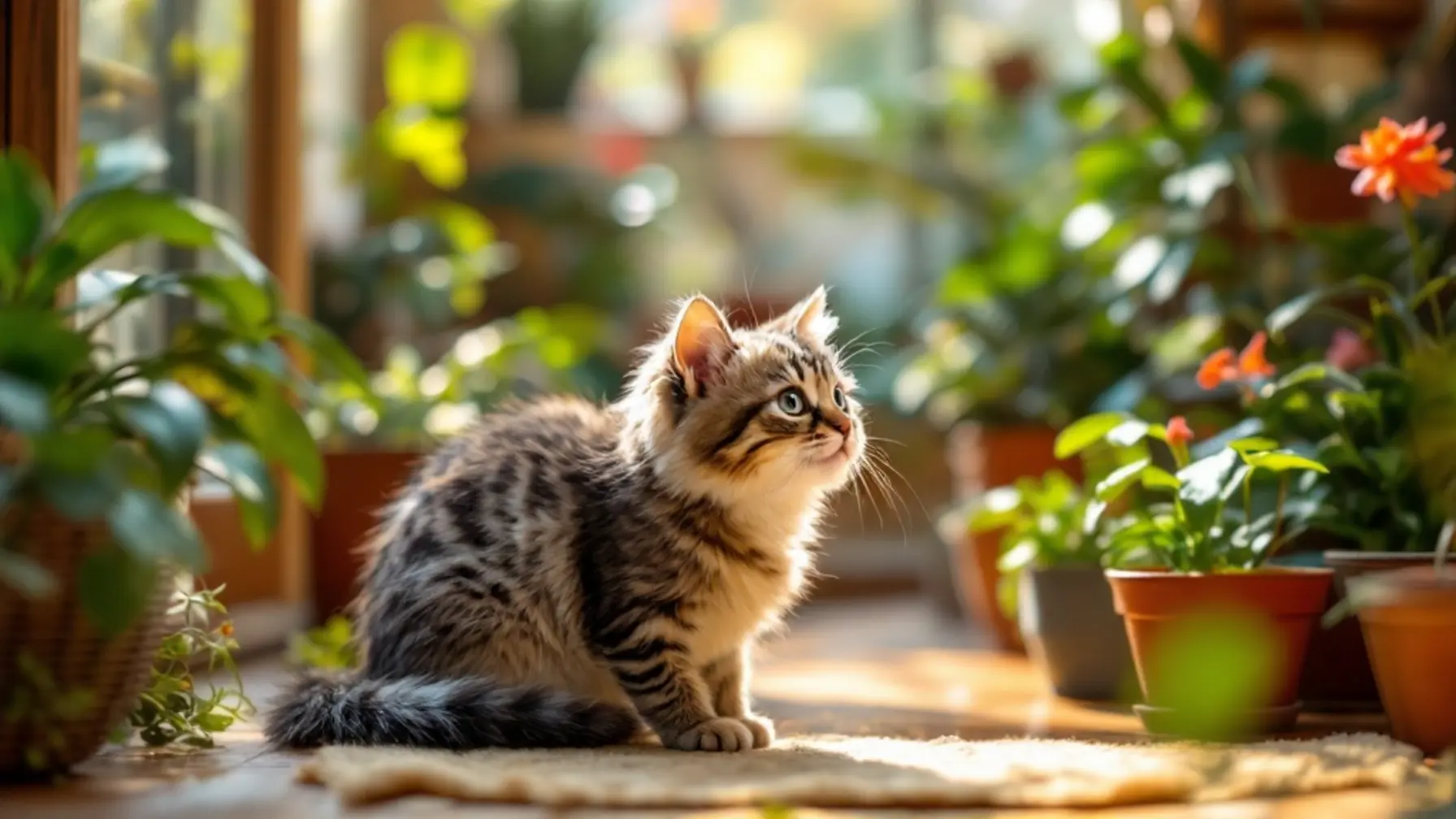
Catio for a cat is an innovative way to offer your pet safe access to nature without the risk of escape or outdoor hazards. Step-by-step catio construction addresses the question of the best protection and comfort for your cat in the garden. Discover practical solutions that translate into better quality of life for your cat and peace of mind for you.
Table of Contents
- Why Build a Catio for Your Cat?
- Planning the Location and Size of the Enclosure
- Choosing Materials for the Enclosure
- Catio Equipment: Essentials Your Cat Needs
- Safety in the Catio: How to Protect Against Predators
- DIY: Step-by-Step Cat Enclosure Construction
Why Build a Catio for Your Cat?
A catio, or outdoor cat enclosure, allows you to cater to your cat’s instinct to explore while keeping them safe and protecting local wildlife. Even “indoor-only” cats are curious and stimulated by sights, smells, and sounds outside—they want to watch birds, feel the wind, sunbathe, and claim new territory. But outdoors, cats face real risks: accidents, encounters with aggressive animals, parasite infections, getting lost, or exposure to toxins. A catio offers the ideal compromise: your pet enjoys fresh air, sunlight, and mental stimulation, all within clear, physical boundaries. You never need to choose between “freedom” and safety, as your cat stays in a space tailored to its behavioral needs.
Well-designed garden catios also boost your cat’s mental wellbeing. The option to observe the outdoors from a secure spot stimulates their senses, reduces boredom, and cuts down on problem behaviors like excessive meowing, scratching, or over-grooming. Plentiful lookout spots—shelves at different heights, platforms, tunnels, and raised beds—let cats “own” the garden with their gaze, not their paws. This safely extends the cat’s territory while giving you peace of mind. In multi-cat homes, catios can ease tensions by providing extra space and resources, with distinct resting zones and hiding spots to avoid resource rivalry—improving harmony among cats.
Another key benefit is health protection—for both your cat and the environment. Free-roaming cats are exposed to contagious diseases (including FIV and FeLV), internal and external parasites, or injuries from animal fights. In a secure catio, these risks drop dramatically: your pet isn’t exposed to strays, busy roads, or neighbor yards with possible toxins. Managing their diet and preventing hunting behavior means your cat poses less of a threat to local wildlife—bird, rodent, or reptile populations often decimated by roaming cats. In short: garden catios are both responsible and practical, making joint outdoor time less stressful (no constant supervision!) and keeping garden boundaries safe even on small plots where total perimeter fencing isn’t feasible. A direct home connection (via window, patio door, or secure cat flap) makes daily routines easier: your cat decides when to head outside safely, and you regain your peace of mind. For those in townhouses or small lots, a sturdy, attached catio is often the only way to let cats safely enjoy the outdoors.
Planning the Location and Size of the Enclosure
Thoughtful catio placement is key to making it a spot your cat will actually use—not just visit occasionally. Observe your cat’s favorite indoor spots: where do they bask in the sun or watch the world? Transfer these preferences outside. For sun-lovers, partial southern/western exposure ensures warmth; for shade-seekers, a northern or eastern spot near trees or a wall works better. Connecting the catio directly to your home via a terrace, balcony, or window tunnel relieves stress and makes outdoor adventures cat-led and spontaneous.
Location also affects practicalities. Place the enclosure for easy home access even during rain or winter, but avoid main garden walkways or spots near street traffic and driveways (noise and stress repel cats). If your garden borders fields or wild areas, leave space from the perimeter fence to deter wildlife contact. Ensure the ground is level and secure so the structure stays stable, preventing escapes, digs, or wobbles.
The enclosure’s size depends on your garden, your cat’s needs, and how many pets you have. Even in small gardens, a tall, multi-level structure is preferable to a wide but low one—cats think vertically. A functional minimum is about 2–2.2 meters in height for platforms, walkways, and human cleaning access. With more cats, plan for extra resting and viewing spots to avoid conflict. For one cat, a mid-size catio with diverse platforms and sun/shade options is enough. For two or three, build in “excess”: more shelves, at least two nap zones, and if including a litter box, keep it away from the main viewing area. Leave space for future expansion—modular builds and systems make adding tunnels or new segments easy. Consider neighbor privacy and sunlight: avoid placing the catio right by their windows, and design with zones for sunbathing and shade so your cat can regulate their temperature in all seasons. Eliminate toxic plants, sharp stones, open water features, or other hazards from the vicinity. A well-placed, proportionate catio will enhance your garden’s look, stimulate your pet, and guarantee safety without compromise.
Choosing Materials for the Enclosure
Selecting the right materials for your catio directly impacts its safety, durability, and comfort. Safety comes first: every part should withstand squeezing, scratching, chewing, and all weather. The frame is often pressure-treated wood or metal (galvanized steel, aluminum). Wood is warmer, visually blends into the garden, and is easier to work with, but needs regular sealing and care; metal frames resist weather and warping, but may get too hot or cold and should be paired with wood in areas where your cat lingers.
Your budget matters too: wood (pine, spruce) is cheaper but less durable; modular metal systems cost more upfront but last longer, especially for larger or year-round builds. The most vital barrier is the mesh. Skip thin wire mesh (cats can stretch or snag it) and plastic mesh (easily chewed through). Instead, use welded, galvanized steel mesh with small gaps (1x1cm or 1.5×1.5cm) that can’t be forced open or squeezed through. Dark PVC-coated meshes also offer corrosion protection and visual subtlety. In predator-prone areas, steel bar grates may be necessary—just smooth or cover sharp edges. Choose weatherproof screwing, hinges, and locks—use stainless or galvanized hardware. Opt for “cat-proof” latches: many cats learn basic bolts, so consider carabiners, padlocks, or self-closing catches.
For floors and roofs, choose practical, hygienic options. For grass-based catios, harden zones near entrances with paving, decking, or concrete to simplify cleaning. Choose non-slip, well-sanded boards and add removable mats in favorite spots. Roof with polycarbonate panels (light and UV-protective) or coated metal sheets for all-weather protection—a sloped installation is essential. Metal roofs heat up and drum in rain; dampen with insulation, or use part-solid part-shaded combos. For wood in contact with cats, use animal-safe, odorless finishes, avoiding harsh chemicals or solvents. Build with future improvements in mind: modular panels, standard profile sizes, and detachable platforms ease upgrades—so your catio can “grow” and adapt over time.
Catio Equipment: Essentials Your Cat Needs
The catio’s interior must match feline instincts: climbing, viewing, hunting, scratching, and secure relaxation. Prioritize vertical space—don’t just create a “basket” on grass. Plan multiple shelves and platforms at different heights, joined by walkways or ramps. Shelves need to be wide for a cat to stretch and turn, finished with non-slip materials (outdoor rugs work well). Every catio needs at least one tall lookout for garden or street views (positioned to watch birds, but at a safe, stress-free distance). Provide “escape” routes: lateral shelves or hideouts so your cat can retreat if startled, and several weatherproof, easy-to-clean sleeping nooks shielded from roof drips. For heat-lovers, add thermal mats or high-sided beds; in larger catios, a mini “veranda” offers wind protection. In summer, create cool spots: mesh hammocks, shaded shelves, and cooling mats on hot days. Vary the floor: part solid (tiles, deck, gravel), part natural (grass, bark). Avoid sharp gravel and toxic plants; instead, include safe plants, pots of cat grass or catnip, and hiding spots. If your cat will stay long, add a stable, private litter tray, ideally under cover and out of main sightlines for cleanliness and comfort.
For energy and hunting drives, add scratchers and climbing elements: use sturdy, anchored logs or branches (only safe woods!) or commercial scratching posts, and connect them to shelves for a “cat tree” effect. Tunnels, rope bridges, hanging shelves, and secure hammocks diversify the terrain, but must be firmly installed to prevent swaying or falls. Integrate interactive toys—balls on strings, fishing rods, spring mice, or basic puzzles—for mental stimulation. You might create a “hunting zone” with low plants, rocks, and obstacles to practice stalking safely. Always check for wear and weatherproof all toys. Don’t forget the basics: provide a heavy ceramic or metal water bowl (so your cat can’t tip it), and if your cat spends hours outdoors, include a feeder. On hot days, an outdoor cat fountain promotes hydration and adds another environmental enrichment. Design for your own comfort too: ensure the gate opens wide, leave room to tidy, check, and (if needed) catch your cat easily. Discrete solar or low-voltage lighting makes evening visits safe without overwhelming your cat’s senses. A thoughtfully equipped catio becomes a favorite “garden room”, where your cat can safely meet every instinct without ever needing to leave secure boundaries.
Safety in the Catio: How to Protect Against Predators
A garden catio must protect your cat not only from escapes, but from predators and unwanted visitors. Depending on your local wildlife, you may need to guard against neighbor dogs, foxes, martens, or even birds of prey. The first defense is a sturdy frame and fine, tightly fixed metal mesh (openings no larger than 2x2cm). Skip plastic mesh, and fasten wire closely with staples (for wood) or metal brackets (for steel), especially at corners and door edges—these are typical weak spots. For the lower perimeter, dogs, foxes, or martens may dig, so bury mesh 30–50cm deep or create a “skirt” extending horizontally 40–60cm under gravel or soil. Concrete or brick bases add another barrier, but still connect mesh tightly to avoid gaps. On patios or slabs, fix a metal strip at the bottom so the mesh can’t be flipped in or out. The roof is essential for predator and stray prevention: cover with taut mesh (not a loose “hammock”), or add a solid portion (polycarbonate, metal) for weather and predator safety. Close every gap, especially at home walls or trees—martens or cats can squeeze through surprisingly small spaces. Where overhanging branches present a risk, trim these “bridges” to block entry.
Doors are especially vulnerable: they should open inward, have a solid, reinforced frame, and lock securely—cats (and martens!) can work simple latches, so use double-locks (padlocks, carabiners, vertical latches). Large catios benefit from a “vestibule” setup—an extra entry space to prevent escapes or forced entry by bigger animals. Keep the catio’s immediate surroundings tidy and less attractive—no leftover food outside, bins or compost heaps (which attract predators) held away from the enclosure. Motion-sensor lighting may deter nocturnal intruders, and outdoor cameras let you monitor activity. Avoid dense shrubs on the catio’s perimeter; they provide risky “corridors” for predators—plant taller screens at a distance and establish a visible safety buffer. Garden fencing, even basic high mesh, cuts down on stray traffic. For highly nervous cats or those living where wildlife is active, inspect the structure periodically: check for broken wires, rust, or loose hinges. Tighten, repair, or upgrade as needed to avoid any small flaw becoming an entry point. In catio safety, no detail is too small—plan every joint and fixture with determined intruders in mind.
DIY: Step-by-Step Cat Enclosure Construction
Building your own catio is achievable for most owners with careful planning. Start by sketching detailed measurements and layout in scale—note length, width, height, shelves, home entrances, and door location. Decide whether your enclosure will be freestanding or anchored to a wall—lean-to designs are usually more stable and economical. Precisely measure the site, check terrain slopes, distance to property edges, and, if needed, obtain legal permissions. Make a shopping list: posts/frames (pressure-treated wood or metal), galvanized wire mesh (max 2x2cm holes), fixings, hinges, roofing materials (polycarbonate, metal, shingles), and wood for platforms. Invest in quality stainless steel or galvanized fittings; weather wears down cheaper alternatives quickly. Prepare your tools: tape measure, spirit level, pencil, shovel, drill/driver, saw, pliers, mesh tensioner, grinder. For uneven sites, level the ground and mark lines with string for precision. Decide on the floor: hard (concrete, pavers), partially natural (grass, dirt), or mixed. For earth floors, build in dig-proofing: sink mesh 30–40cm deep at the edges, or lay horizontal mesh “skirt” covered with stone.
Mark the corners for the posts (plus intermediaries for long spans, every 1.5–2 meters), dig holes 50–70cm deep, line the bottom with gravel, level the posts, then concrete or pack firmly. For wall-leaning builds, anchor posts securely with chemical bolts. Once all posts are set and the concrete has hardened, build the upper and lower frames, fixing with angle brackets—sturdy corners are critical against wind, mesh tension, and roof weight.
With the main frame up, install the roof first for comfort and weather protection. Slope polycarbonate or metal panels away from the entrance for drainage, fastening with washers and allowing expansion gaps if needed. For wood, add extra trim or seal at stress points. Mesh attachment comes next: work one wall at a time, starting at the top, stapling to wood or fastening to metal frames, stretching evenly to avoid sagging and gaps. At the bottom edge, bury the mesh or fix it to a ground-level board to keep it secure. Connect mesh at corners by overlapping and wiring together; avoid plastic ties outdoors where sun weakens them over time.
Now, fit and hang the door: make a frame from thick wood or welded profiles, cover with mesh, and affix strong hinges. It should open outward to prevent escape, and use a lock that can’t be opened by a cat or pushed from inside. For direct house connections, build a matching mesh tunnel, closing any gaps between house and frame, and provide a blocking flap if you need to limit access temporarily. Finish up: sand sharp wood edges, seal all exposed surfaces with animal-safe products, and check every centimeter of mesh for sharp ends. Only once the enclosure passes a thorough “safety test” should you install platforms, scratchers, and bedding—then gradually introduce your cat, monitoring for climbing or prying attempts in critical spots.
Summary
Building a catio is a brilliant way to provide your cat with a secure outdoor space. Always consider location and use durable materials like metal mesh to prevent escapes. Equip the enclosure with scratchers and enrichment elements that satisfy your cat’s needs. Protect against predators with fine-gauge mesh. For DIY, follow step-by-step guides to create the perfect, safe, and stimulating retreat for your cat.

