
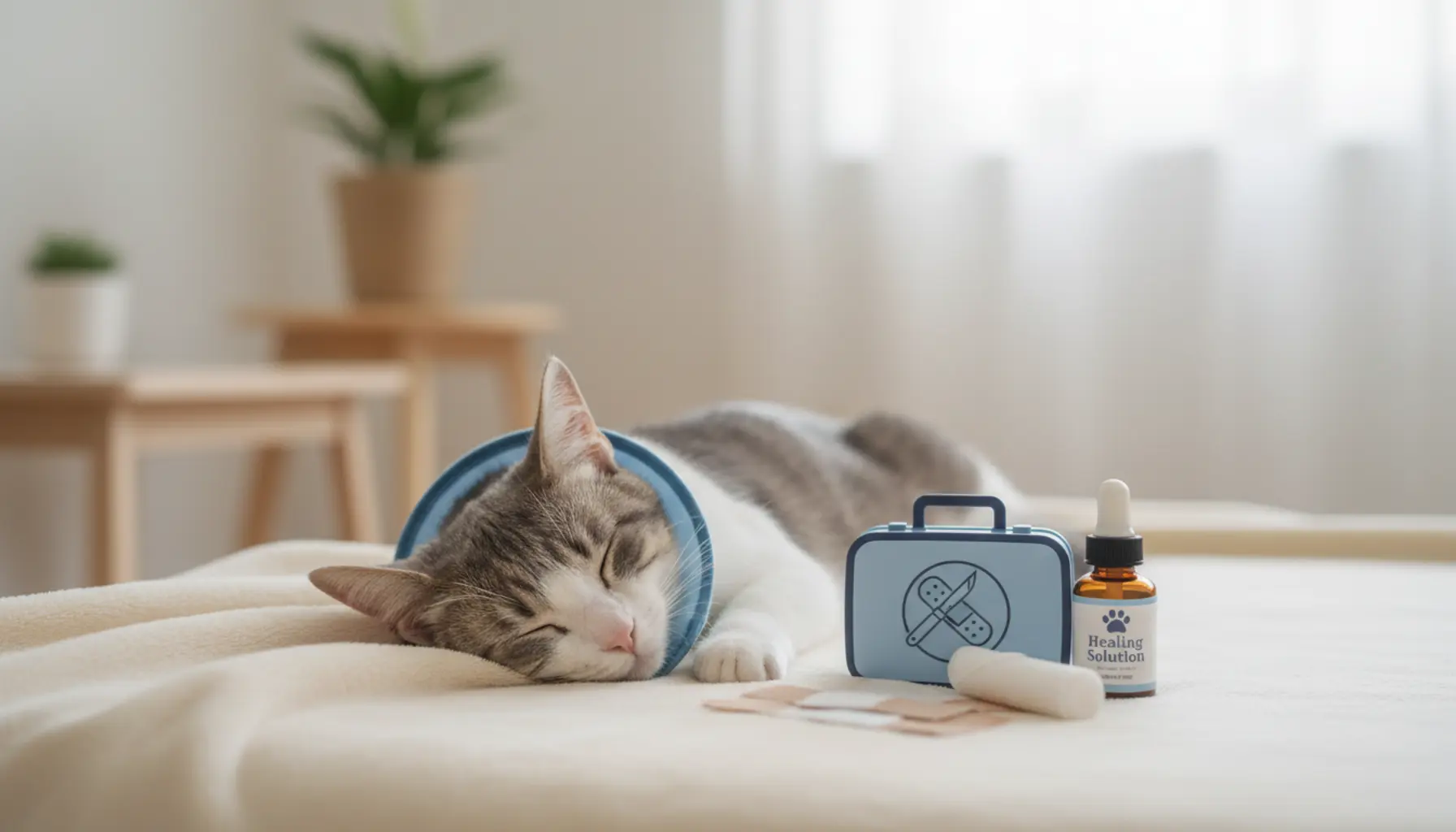
Cat neutering and spaying is one of the best decisions you can make for your pet’s health. Discover not only the benefits and course of the operation, but also practical aspects of recovery and your cat’s diet after the procedure. Check the most important facts and the most commonly repeated myths to guarantee your cat a long, peaceful, and healthy life!
Learn the advantages, procedure, and aftercare following the neutering and spaying of cats. Check the essential facts to ensure your pet’s health!
Table of Contents
- Why is it worth neutering and spaying cats?
- When is the best time to neuter or spay a cat?
- How does neutering and spaying proceed – step by step
- Post-procedure recovery – caring for your cat
- Most common myths about neutering and spaying
- Cat diet and health after neutering or spaying
Why is it worth neutering and spaying cats?
Neutering and spaying cats are among the most important decisions a responsible owner can make for the health and welfare of their pet. These procedures bring many advantages for both the animal itself and the caretaker, as well as the entire cat population. Above all, they significantly reduce the risk of many serious diseases. In female cats, spaying almost completely eliminates the risk of pyometra – a dangerous, often fatal uterine infection – and clearly reduces the likelihood of developing mammary gland tumors, especially if the procedure is performed before the first or second heat. In male cats, neutering minimizes the problem of testicular cancer and reduces the risk of prostate disease. Furthermore, cats that have undergone the procedure generally live longer – they are less exposed to injuries, infections, and stress associated with fighting for a mate or territory. It is also important to highlight the aspect of infectious disease prevention. Unneutered cats are more likely to escape from home, get into fights, which increases the chance of infection with FIV (cat equivalent of HIV), FeLV (feline leukemia), or other dangerous pathogens spread through saliva and blood. Neutering strongly reduces the tendency toward aggressive territorial confrontations, directly translating into fewer wounds, abscesses, and the need for costly treatment. The effect of the procedures on cat behavior and home life comfort cannot be ignored either. Intact male cats often mark their territory with strong-smelling urine, which is a huge problem for owners in a household environment. After neutering, this behavior usually disappears or is greatly limited. In females, spaying eliminates the troublesome symptoms of heat – loud meowing, restlessness, escape attempts, excessive affection, or agitation. For many caretakers, this means more peaceful nights, less destruction at home, and a considerable reduction in the stress associated with monitoring if their cat may slip out looking for a mate. Thanks to these procedures, cats are usually more balanced, calmer, and easier to handle on a daily basis, while still retaining their natural joy, playfulness, and attachment to people.
A huge, often underestimated benefit of neutering and spaying is the limitation of cat overpopulation. Each unsprayed female can give birth several times a year, with litters ranging from three to six kittens. In a short time, the offspring of a single animal may result in dozens or even hundreds of new cats, for whom it is almost impossible to find responsible homes. This leads to overcrowded shelters, huge numbers of stray animals on the streets, and the suffering of kittens abandoned in boxes or forests, which is a direct result of lack of reproductive control. By deciding to neuter or spay your cat, you are actively contributing to resolving this issue and supporting animal welfare efforts. From the standpoint of daily comfort for both the cat and household members, the procedure also reduces many stress-related behaviors. Unneutered cats often suffer strong frustration from an unfulfilled sexual drive – females with incessant heats, and males constantly trying to escape and reacting aggressively toward other males. Frequent diseases, injuries, phantom pregnancies in females, or dominance fights among males lead to animal suffering as well as higher expenses for treatment, medications, and veterinary visits. While the procedure involves a one-time cost, over years it is usually much lower than the sum of expenses for treating health complications and the consequences of uncontrolled pregnancies. Additionally, neutering an outdoor cat means higher safety – less inclination to wander far or fight reduces the risk of being hit by a car, poisoning, or getting lost. Contrary to popular myths, neutering and spaying do not deprive a cat of its ‘joie de vivre’, nor do they destroy its character or bond with the owner; they mainly change reproductive behaviors—the rest stays the same. The procedure, carried out at the proper age and followed by correct aftercare, is relatively safe, and its positive impact on health, behavior, and the fate of the entire cat population make it increasingly recognized by veterinarians and animal organizations as a key element of responsible cat care.
When is the best time to neuter or spay a cat?
The optimal time for neutering or spaying a cat depends on several factors: age, health status, lifestyle (indoor or outdoor), and whether the owner plans to breed. The most common recommendation is to perform the procedure between the 4th and 6th month of life—that is, before puberty, when the body is sufficiently developed for anesthesia but unwanted sexual behaviors have not yet become established. In many tomcats, first signs of maturing may appear around 5–6 months: more frequent urine marking, escaping attempts, vocalization, and anxiety. Female cats may experience their first heats (“Marching”)—loud meowing, rolling on the floor, rubbing against objects and people, and persistent attempts to go outside. Performing the procedure before these behaviors develop greatly reduces or completely prevents them, while also minimizing the risk of unplanned pregnancy. Increasingly, early neutering (before 4 months of age, sometimes as early as 8–12 weeks), especially common in shelters and foundations, is being practiced. Research shows that in healthy kittens, when performed by an experienced veterinarian, the procedure is safe and kittens recover quickly. This practice effectively curbs overpopulation and prevents breeding among cats given up for adoption. For household cats living in a stable, safe environment, many vets still recommend the classic “window” of 4–6 months, tailoring the exact date to individual development: body mass, growth rate, overall health, or concurrent diseases. It is important not to wait until after the first or subsequent pregnancies—each heat and each litter increases the risk of future issues, including pyometra or cancer of the reproductive organs and mammary gland. In long-haired, sensitive, or delicately built females, the vet may recommend a slightly later date, but still before 9–12 months old, unless heat symptoms appear first. For adult, already sexually mature animals, the procedure can be performed at almost any age, providing the cat is healthy; however, it is not performed in females during heat, as the uterus is highly vascularized, increasing intra- and post-operative risks. Usually, the vet advises waiting several days for heat symptoms to subside, and for older cats, more thorough pre-op exams, such as blood work and heart assessment, are performed to minimize the risk of anesthesia.
There are also special circumstances in which the timing of neutering or spaying should be considered even more individually. For males who strongly mark territory, are aggressive, or frequently escape, an early procedure is often recommended because established “learned” behaviors may persist even after surgery, but often diminish. For outdoor cats or those exposed to unneutered animals, the risk of fighting, infections (FIV, FeLV), and unwanted mating is much higher, so the vet may suggest earlier intervention before the cat starts to roam. On the other hand, in large or slow-growing breeds or individuals with health problems (heart, kidney, liver issues, coagulation disorders), the timing may be postponed until the body is stable and the anesthesia risk is as low as possible; sometimes a special anesthesia protocol is needed. For senior cats that haven’t been neutered, the procedure can still bring significant benefits, e.g., reducing the risk of pyometra in elderly females or testicular/prostate problems in older toms, but requires thorough pre-op diagnostics and extended postoperative care. It’s also worth scheduling the appointment to avoid periods when the house is empty, everyone is away, or there’s major renovation, since the cat will need a quiet, calm place and regular observation afterwards. The best approach is to consult the timing with the veterinarian who knows your cat, its medical history, growth rate, and living conditions; together, you can choose the safest moment, considering both health benefits and animal comfort. It is also worth following the guidelines of veterinary organizations—most favor neutering before full sexual maturity, but without undue haste, balancing risk with maximum behavioral and health benefits for your pet.
How does neutering and spaying proceed – step by step
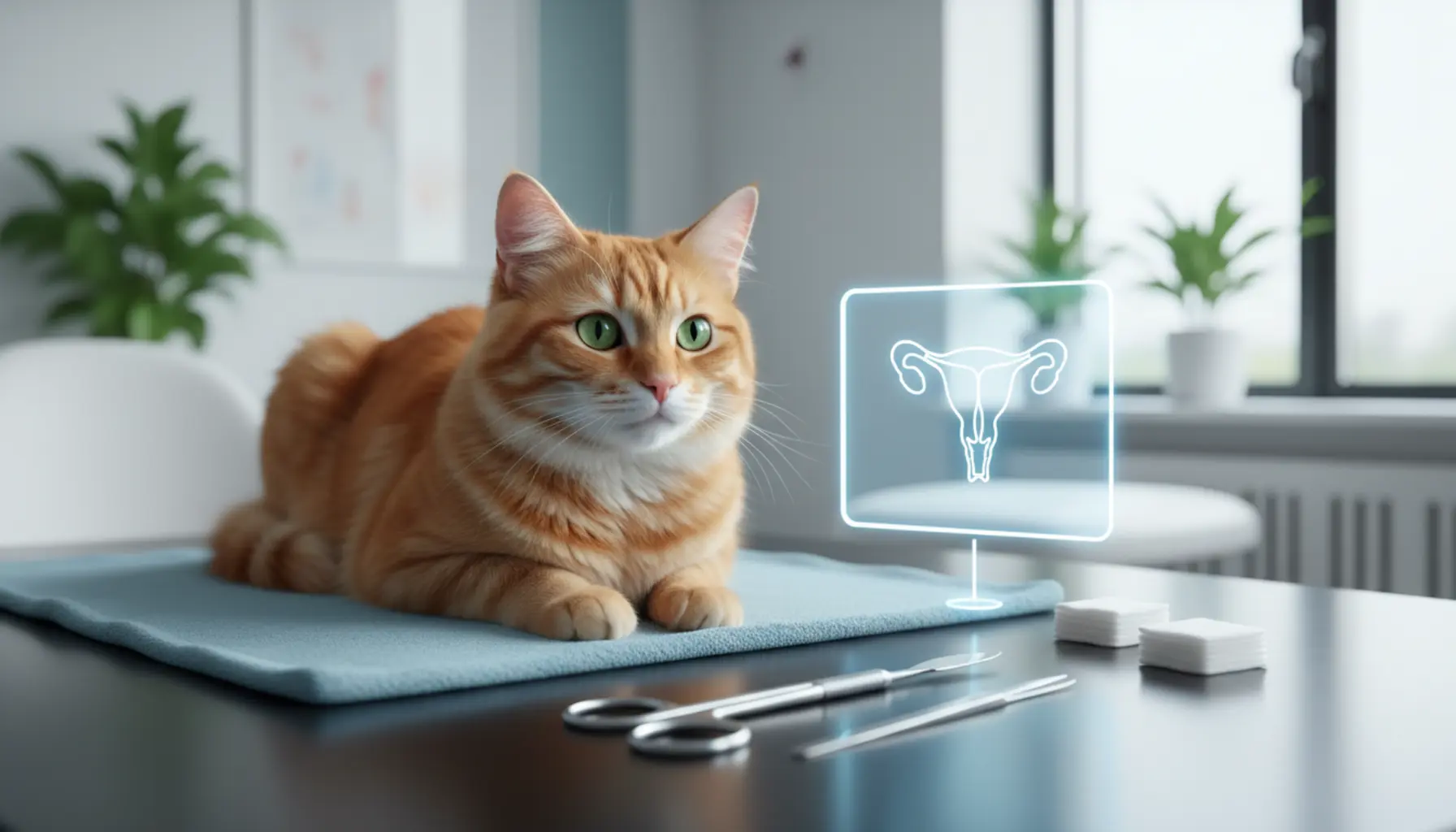
Although neutering and spaying are routine procedures, for many caretakers they remain a source of anxiety, mainly because they are unsure how the process unfolds. Everything starts with qualification for surgery—the vet conducts a thorough interview (age, past illnesses, current medications, previous anesthesia) and a clinical exam, assessing heart and lung function, membrane condition, weight, and general health. Depending on age and medical risks, the vet might order blood tests (morphology and biochemistry), sometimes urinary tests or an echocardiogram, especially for older cats or breeds prone to cardiological conditions. Based on results, the vet selects the type and dose of anesthesia and decides whether to perform the procedure that day. Before surgery, the cat usually fasts—food is withheld for about 8–12 hours, and water stopped 2–3 hours prior, but follow the vet’s instructions. On arrival at the clinic, the cat is weighed and then receives premedication—tranquilizers and painkillers, often with antiemetics. At this stage, the cat becomes sleepy and less stressed, enabling safe induction of general anesthesia. The anesthesia can be administered by intramuscular or intravenous injection, and in many clinics intubation and inhalation anesthesia are used for better depth control and increased safety. During the procedure, the cat’s vital signs—pulse, breathing, temperature, blood oxygen saturation, and, if needed, blood pressure and EKG (especially in modern clinics)—are continuously monitored.
Once the cat is asleep and feels no pain, the surgery proper begins. The surgical area is shaved, thoroughly disinfected, and isolated with sterile drapes, while the vet works with sterile gloves, often assisted by a technician. Neutering a tomcat is relatively short: through small incisions in the scrotum or pre-scrotal skin, the testicles are extracted, blood vessels and spermatic cords are ligated, and then the testes removed; external suturing is usually unnecessary, as the wounds heal open or with a single absorbable stitch. The entire process usually takes several minutes. In females, spaying (which in practice is usually ovariectomy—involving ovary, and sometimes uterus, removal) is more invasive as it requires opening the abdominal cavity. The surgeon makes a small incision on the belly, carefully removes the ovaries (and possibly uterus), ligates vessels, removes the reproductive organs, and then closes up the abdominal wall with multiple layers of internal and external sutures. Increasingly, small flank incisions or laparoscopic techniques are used to minimize wound size and speed up recovery, though these are not standard everywhere yet. After closing, the wound is disinfected and may be protected with an ointment or antiseptic spray. The cat is then moved to a warm, quiet space for post-anesthesia monitoring—warmth maintained (blanket, heating mat), pulse and breathing checked, and responses to stimuli observed. A cat may appear groggy, struggle to walk, have dilated pupils, or drool slightly—these are normal anesthesia reactions that usually resolve within a few hours. Before discharge, owners are given detailed instructions for pain medication, possible antibiotics, wound monitoring, activity restriction, and the use of a protective collar or post-op garment. For male cats, suture removal is rarely needed thanks to absorbable threads or open wounds; in females, post-belly surgery check-ups and possible suture removal occur after 7–10 days, when tissues have healed and the risk of wound dehiscence is greatly reduced.
Post-procedure recovery – caring for your cat
The period after neutering or spaying is crucial for safe healing and your cat’s comfort, so it’s important to prepare for the first hours and days after coming home from the clinic. Immediately after the procedure, the animal is usually still groggy from the anesthesia—may wobble, have poor coordination, large pupils, or react abnormally to stimuli. Provide a quiet, warm, draft-free spot, ideally a dedicated room or crate where your cat can’t access stairs, shelves, or windowsills and won’t attempt to jump or injure itself. Set out soft bedding from easily washable materials and maybe a pee pad, as some cats may have occasional involuntary urination during awakening. Minimize stimuli at first—loud noises, visitors, or contact with small children who might try to “comfort” but unknowingly stress or hurt the animal. Strictly follow your vet’s feeding and hydration instructions—water is generally allowed shortly after full awakening in small amounts, but food usually a few hours later to avoid vomiting. Don’t force your cat to eat; a light, highly digestible meal (such as specialized recovery food or favorite good-quality wet food) may be offered when your pet is interested. At this time, you must also safeguard the wound—most cats get a protective collar or special post-surgical suit which should not be removed unless a vet says so, even if your cat seems irritated or clumsy. Mechanical protection prevents licking, biting, or scratching at stitches—one of the main causes of complications and wound dehiscence. The suit must be dry, clean, untwisted, and well fitting—too tight can compress the chest or abdomen; too loose doesn’t protect the stitches.
In the following days, systematic observation, hygiene, and control of physical activity are critical. Male cats’ neutering wounds are usually minor and heal quickly, but still check twice daily—the scrotal skin should be dry, not excessively red, no pus or bad smell, and swelling minimal and subsiding. In females, the belly incision is longer with greater area involved, so keeping the suit clean and checking that stitches are intact, not digging into the skin, or pulling out is especially important. If the vet recommends local disinfection (such as an antiseptic without alcohol), use as directed—too much handling delays healing. Also, diligently give painkillers and any antibiotics as prescribed; never self-medicate with “human” painkillers as most are toxic for cats. If your cat seems very sore despite meds (hiding, panting, meowing if touched, obvious loss of appetite), contact the clinic—they may adjust the medication. For 7–10 days post-procedure, limit feline antics—no balcony or high cat trees, play just quietly on the floor, avoid rough or excitable animal friends at home. The litter box should be easy to access and low sided, so your cat doesn’t have to lift its legs high; for the first days, use a gentle, dust-free litter so bits don’t stick to the wound in females. Track daily behavior: food intake, litter box use, activity, mood—any sudden change (apathy, hot ears/belly suggesting fever, severe diarrhea, vomiting, excessive licking in one spot, wound dehiscence, severe swelling or bleeding) requires urgent vet contact, preferably the same day. After about a week to ten days there’s a follow-up appointment, and in females suture removal—after that, most cats can return to their usual activities, but gradually reintroduce intense play and watch their diet to prevent weight gain. A supportive, calm caretaker, predictable routine, and patience with minor litter accidents or mood dips all help your cat regain security, leading to less stress for the animal and the household during recovery.
Most common myths about neutering and spaying
There are plenty of myths about cat neutering and spaying which often delay or prevent owners from scheduling the procedure. One of the most frequent is the belief that “a female cat should have at least one litter before being spayed”. From a veterinary medicine perspective, there are absolutely no health benefits to this; actually, every heat and pregnancy increases the risk of reproductive tract diseases, such as pyometra and mammary gland tumors. Early spaying drastically reduces this risk and does not affect emotional or social development. Another myth is the fear that neutering “takes away a cat’s masculinity” or “changes its personality”. It should be emphasized that cats do not experience “masculinity” or “femininity” like humans do—they aren’t aware of such concepts. After the procedure, the main change is the influence of sex hormones responsible for reproductive behaviors (escaping, urine marking, vocalization during heat), while basic temperament—sociability, attachment, anxiety level, or play preferences—remain unchanged. In fact, many cats seem happier because they no longer experience frustration from unsatisfied sexual drive. Another common myth is that “cat will get fat and lazy after neutering”. The procedure itself does not automatically cause weight gain, though metabolism slows and calorie needs drop, and many cats become calmer and less prone to wandering or fighting for territory. If the caretaker does not adjust the food portions or encourage daily play and activity, overweight or obesity can occur. But this is mainly a lifestyle and dietary issue, not the procedure itself. Reasonable feeding (possibly special post-neutering diets), plus introducing regular play—chasing a wand toy, interactive toys, treat hunts—lets cats stay fit and healthy for years.
Many owners also fear that the procedure is “dangerous” or “very painful”, and so avoid it out of concern for their pet. Modern veterinary medicine offers advanced anesthesia and effective analgesia so that neutering and spaying are routine, safe surgeries. Complication risks exist, as with any surgery, but with proper patient qualification, preoperative tests, and post-op care, risks are low. Vets administer painkillers before, during, and after surgery so your cat should not feel real pain, just short-term discomfort that usually passes quickly. Another myth is that “indoor cats need not be neutered since they won’t reproduce”. Sex hormones influence cat behavior regardless of mate availability. Female cats may undergo strong, frequent heats—loud meowing, rolling, demanding to go out; males—even indoor only—may spray urine with a pungent smell or attempt to escape. Neutering and spaying minimize such issues while protecting from health problems caused by hormones. Some say “neutering is cruel” or “against nature”. In reality, uncontrolled breeding often leads to suffering: unwanted litters, abandonment, overcrowded shelters, the spread of disease in stray populations. Responsible neutering/spaying is one of the core tools for reducing animal homelessness and improving well-being across the population. Another myth: “neutering will solve all behavioral problems”. While removing sex hormone sources usually reduces reproductive behaviors (escapes, fights, male-to-male aggression, marking), it does not magically cure every issue. Anxiety, aggression from bad experiences, boredom, poor socialization, or inappropriate litter use often have complex backgrounds and need work with a behaviorist, environmental changes, and patient support. Understanding these myths—and the facts that debunk them—helps caretakers make informed, science-based choices.
Cat diet and health after neutering or spaying
After neutering or spaying, a cat’s body undergoes subtle but very significant hormonal changes affecting metabolism, appetite, and activity level. The animal expends less energy on reproductive behaviors, generally spends less time in long trips, and becomes calmer, which is positive in many ways but also increases the risk of weight gain. In cats after the procedure, basal metabolism drops by up to 20–30%, but appetite may increase if diet and portion sizes are not adjusted. Unchecked weight gain quickly leads to obesity, which increases the risk of diabetes, joint problems, liver and heart disease, and makes cats less playful and mobile, creating a vicious cycle. For this reason, one of the most important elements of care for spayed or neutered cats is appropriate nutrition—best planned during the recovery stage, before uncontrolled weight gain occurs. In practice, after neutering, it often becomes necessary to switch to specialized “neutered” or “sterilised” cat food with lower calories, properly balanced proteins and fats, and ingredients to support the urinary tract and metabolism. Portion control is essential—the caretaker should follow the feeding guide but treat it as a starting point, monitoring body condition and discussing changes with a vet.
Best practice is to serve food in several small meals per day rather than leaving out a full bowl “ad libitum”, which especially in neutered cats increases risk of boredom snacking. Many cats benefit from food puzzles, snuffle mats, and interactive toys that combine eating with mental and physical activity. For cats after the procedure, high-quality animal protein (from meat, fish, offal) is essential to maintain muscle mass, ensure fullness, and support proper bodily functioning. Watch fat content—too fatty a diet boosts daily calories rapidly. Avoid large amounts of carbohydrates and grain fillers which cats don’t digest well and which promote obesity and blood sugar fluctuations. After neutering, adequate hydration is especially important as spayed/neutered cats are at increased risk for urinary conditions (stones, cystitis, crystals). Switching partly or completely to high-protein wet food, which provides more water than dry kibble and is generally less calorie-dense, is a good solution. Provide several water bowls around the house or a fountain to encourage drinking. The caretaker should routinely check for easily felt shape changes—ribs should be palpable under a thin fat layer, and a visible waist should remain. Rapid weight gain, movement troubles, or reluctance to play are signs to discuss the diet with a vet or animal nutritionist. Pay attention to disease prevention as neutered cats can be more prone to some illnesses—regular blood tests (glucose, liver parameters), dental assessments, and monitoring urination-related behaviors. Never drastically cut calories in overweight cats, as this may trigger liver lipidosis; weight reduction must be slow and guided by a vet. Daily activity is also crucial—play hunting, chasing a wand, climbing cat trees and shelves; exercise not only helps maintain proper body mass but also improves wellbeing, supports digestion, and prevents boredom-driven overeating and behavioral problems. The right diet, adequate fluids, regular vet check-ups, and stimulating activity together keep a neutered cat healthy and happy for years.
Summary
Neutering and spaying are key procedures for cat health and population control. Properly performed at the right time, the procedure minimizes risk of complications and significantly increases your pet’s comfort, preventing many diseases. With appropriate care, recovery, and dietary changes after the operation, your cat will quickly return to form. By dispelling the most common myths, remember: neutering and spaying have benefits for both you and your furry friend.

