

Effective flea protection for your cat ensures their health, well-being, and daily comfort. Learn the symptoms, proven treatments, and home remedies to quickly recognize and combat parasites in your pet.
Discover how to effectively protect your cat from fleas. Learn the symptoms, home methods, best treatments, and prevention strategies. Protect your cat’s health!
Table of Contents
- Most Common Flea Symptoms in Cats – How to Recognize Them?
- Why Is Flea Protection So Important?
- Veterinary Treatments – Drops, Collars or Tablets?
- Natural Ways to Combat Fleas in Cats
- Prevention – How to Avoid Flea Infestation All Year Round
- When Should You See a Veterinarian?
Most Common Flea Symptoms in Cats – How to Recognize Them?
Fleas in cats often develop silently, and owners may be unaware of the problem for a long time. That’s why it’s crucial to carefully observe your pet’s behavior and skin, even if they seem healthy. The most obvious and frequent symptom is increased scratching—the cat starts scratching the neck, base of the tail, belly, or sides intensively, sometimes to the point of scratches and scabs. You may notice your cat interrupting play or naps to suddenly scratch persistently or “bite” their fur as if something is seriously bothering them. Intense grooming is also typical—especially the hind legs, belly, inside of the thighs, or around the tail; some cats develop bald patches, thinning fur, or even complete hair loss in these areas. Pay attention if the coat loses its shine and density—chronic itching and constant grooming can make fur dull, clumped, or shed excessively. Another important signal is skin changes: redness, small pimples, scabs, or a “millet-like” rash, especially on the back and around the tail. Many cats develop so-called flea allergic dermatitis (FAD)—a hypersensitivity to flea saliva, causing extremely intense itching even with a small number of parasites. In this case, you may not see fleas themselves, but the cat will be desperate to scratch, and the skin may look “burned” with small red bumps. Warning signs also include sudden behavioral changes: irritability, avoiding touch, nervously jumping when petted, or even aggression when you touch sensitive spots—neck, back, or base of the tail. Some cats become more apathetic, hide, sleep more than usual, or appear less cheerful, as persistent itching is simply exhausting. In progressed cases, you may notice weight loss, decreased appetite, or conversely, excessive eating yet continued weight loss, due to chronic stress and discomfort. Another often overlooked symptom is increased cleaning of the anal region and inner thighs; the cat may obsessively lick these areas, which is easily dismissed as “thorough cleaning,” but may in fact be a response to flea bites.
In addition to behavioral and itching changes, physical traces of fleas on the cat and their environment help recognize infestation. The main signal is the so-called “black sand” in the fur—flea droppings. To check, part your cat’s fur with your fingers, especially near the tail, neck, and back; if you see small, dark dots like pepper grains, you can do a simple test: comb them onto a white tissue or paper towel, dampen with water and check if reddish-brown streaks appear around the dots—this indicates digested blood, i.e., flea droppings. Sometimes you may observe the fleas themselves—fast, small, brownish insects moving in the fur or jumping from the cat onto bedding, the couch or carpet; they are more visible on light-colored cats but often undetected on dark or dense coats, so not seeing fleas doesn’t rule out infestation. Also check places where your cat sleeps most: beds, blankets, favorite chairs—if you find “black sand,” dead fleas, or even larvae, that’s a clear sign of a problem. Pay special attention to kittens, very small or elderly cats, chronically ill or anemic animals—they may experience systemic symptoms from massive infestations: weakness, pale gums (check gum color—if very pale or almost white, that’s a serious signal), rapid breathing, apathy, reluctance to play, or even collapse. In young kittens, heavy flea infestation can cause iron-deficiency anemia, requiring urgent veterinary help. Never forget that fleas are intermediate hosts for some tapeworms, e.g., Dipylidium caninum—frequent licking of the anus, scooting (dragging on the floor), or tiny white “grains of rice” in the stool or around the anus may indicate your cat has acquired an internal parasite from fleas. All these symptoms—from mild itching, fur and skin changes, to flea droppings and general symptoms—should prompt a thorough checkup and consultation with a veterinarian, who will confirm the diagnosis and offer proper treatment and prevention.
Why Is Flea Protection So Important?
Fleas are often dismissed as “mere” parasites, but their presence in a cat can cause serious health issues and drastically reduce the animal’s quality of life. Even if the cat only goes onto a balcony or has little contact with the outside world, infestation risk remains—fleas can be brought in on clothing, shoes, carriers, beds, or via other pets. These tiny insects feed on blood, which in itself strains the body, and also inject saliva loaded with allergens into the cat’s skin, triggering severe hypersensitivity reactions. For cats with delicate, sensitive skin or allergy tendencies, even a few bites can produce severe itching, leading to persistent scratching, overgrooming, and skin damage. Untreated flea infestation will sooner or later affect coat condition—fur turns dull, thins, and bald spots can appear, which is not only unaesthetic but, above all, signals deeper health disturbances and stress. Prolonged itching and discomfort can alter a cat’s behavior: the animal becomes irritable, less willing to interact with humans, sometimes apathetic, or even aggressive when touched in sore places. For many owners, such changes in behavior are the first sign something is wrong—unfortunately, by this stage, the flea invasion may already be persistent. Flea protection, therefore, is not just about appearance or comfort—it’s a critical part of maintaining your cat’s psychological and physical well-being, as they can’t fight parasites alone.
Flea infestation can lead to a range of health complications, potentially life-threatening in some cats. In kittens, seniors, chronically ill or emaciated cats, excessive flea infestations can result in anemia—parasites systematically drain blood, weakening the body and causing symptoms like lethargy, pale mucous membranes, rapid breathing, or a racing heart. In the worst cases, without treatment, shock and death can occur. Another crucial issue is flea allergic dermatitis (FAD), one of the most common causes of chronic skin diseases in cats. An allergic reaction to flea saliva leads to relentless itching, redness, rashes, sores, and scabs, which easily become secondarily infected by bacteria or fungi. By scratching and biting, the cat also spreads flea eggs in the environment—on bedding, carpets, furniture—creating a vicious cycle. Remember too that fleas are vectors for other parasites, including the dog tapeworm (Dipylidium caninum). A cat ingests a flea while grooming, and the tapeworm grows in their gut, causing digestive issues, weight loss, and weakness. Humans—especially children in close contact with cats and their environment—are also at risk. Though fleas prefer animal hosts, during heavy infestations they will bite people, causing itchy welts, allergies, and some species can transmit diseases. From the perspective of household health, regular flea protection for your cat acts as a biological barrier, limiting the risk of parasites spreading at home and infecting other animals. Also keep in mind—fighting an established infestation is far harder, more time-consuming, and expensive than regular prevention: it requires treating the cat, decontaminating the environment (washing, vacuuming, special insecticides), and often repeating the process. For your peace of mind, finances, and above all your pet’s health and comfort, it is much wiser to prevent fleas than deal with the consequences of neglect.
Veterinary Treatments – Drops, Collars or Tablets?
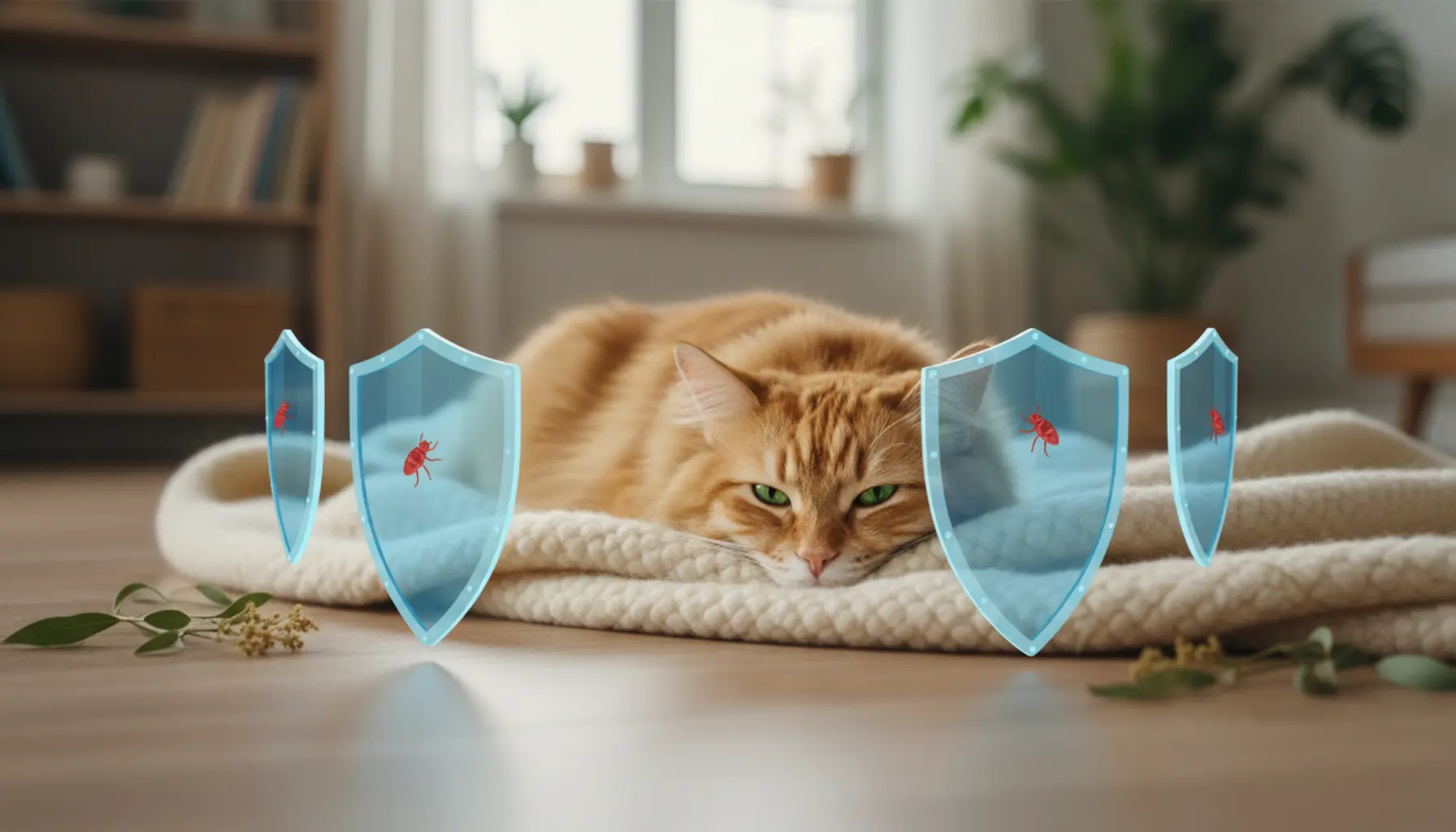
Modern flea prevention in cats relies primarily on effective veterinary preparations that vary in administration, duration, and protection spectrum. The most popular are spot-on drops, applied directly to the skin at the back of the head or between the shoulder blades. The active ingredients diffuse through the skin’s lipid layer and spread across the coat, forming a barrier that kills existing parasites and prevents new ones. A well-chosen product usually works for 3 to 8 weeks, depending on the manufacturer and active substance (e.g., fipronil, imidacloprid, selamectin, afoxolaner, fluralaner). Their advantages include rapid effects—fleas often start dying within hours of application—and ease of use for regular prevention, important for cats that go outdoors or interact with other animals, where flea risk is high. Always apply drops strictly following package and veterinary instructions, avoid bathing your cat just before or after application (unless the leaflet says otherwise) and do not allow other animals to lick the treated site. Some cats may experience minor local skin irritation or, rarely, apathy or excessive drooling, so observe your pet after the first use. It is also important to match dosage to body weight – too little isn’t effective, too much increases side effect risk. Drops are especially recommended for cats that don’t tolerate collars (e.g., try to remove them) or have a tendency to develop neck skin problems. Note that cheap spot-on products from pet shops or supermarkets, often with poorly listed ingredients or essential oils, are generally much less effective and sometimes unsafe. Use only products registered as veterinary medicines, chosen with your veterinarian’s advice. Flea collars are popular with owners seeking long-term protection without worrying about monthly drop application. The most effective are modern collars with slow-release active substances, lasting up to 7–8 months and providing simultaneous protection against ticks. The active ingredient distributes over fur and skin, creating a “chemical shield” that kills parasites on contact. The main advantage is long-lasting protection and convenience—especially for forgetful owners or multi-pet households. When selecting a collar, pay attention: it should have a safety mechanism, so the cat can break free if caught on a tree or fence; it should fit close to the skin but allow two fingers’ space for comfort; avoid use on young kittens, pregnant cats, or those with neck skin inflammation unless approved by your veterinarian. Note, too, that classic “herbal” or essential-oil collars do not replace professional flea collars and rarely do more than mildly repel parasites—they do not stop an infestation.
Oral flea treatments are also gaining popularity, in the form of tablets or tasty chews suitable even for picky cats. Their mechanism differs from drops or collars: the active ingredient is absorbed from the digestive system into the bloodstream and fleas die after biting the cat and ingesting the medicated blood. Depending on the product, protection lasts from 24–48 hours (one-off, fast-kill products) to weeks or even months (long-acting pills). This method offers great convenience in homes with several cats sharing beds and grooming each other—there’s no risk of licking drops off fur or ingesting collar chemicals. Tablets are also perfect for cats with chronic skin issues for whom topical agents are inadvisable. They’re not suitable for every cat—those with digestive issues, liver, or kidney disease require a veterinarian’s advice. Regardless of form—drops, collar, or tablets—the key is to individualize the product for the cat’s age, weight, health, and lifestyle. Outdoor, hunting cats will need different protection than typical “indoor” cats exposed only to fleas brought in by humans. Your vet, considering exposure risk, comorbidities (like skin allergies or chronic conditions), and household context (e.g., young children or pregnant women), can recommend the safest and most convenient option. It’s worth discussing combining different preventatives, for example, flea tablets with products for other internal parasites, to minimize the number of separate treatments. Absolutely never use dog-only flea products on cats—many dog preparations contain permethrin or pyrethroids, which are highly toxic to cats and can cause seizures, neurological failure, or death. Never modify doses or combine multiple products without veterinary oversight, since active ingredient combinations may cause unpredictable adverse effects. Regular use of a tested product and strict adherence to dosing schedules are the foundation of effective flea prevention—a one-off dose given occasionally will not break the parasite’s cycle, since eggs and cocoons can survive in the environment for many weeks.
Natural Ways to Combat Fleas in Cats
Natural methods for fighting fleas in cats can be a valuable complement to classic veterinary prevention, provided they are used sensibly and always with the cat’s safety in mind. It is important to understand that most “home” remedies do not kill all parasites as effectively as medicinal products but can lower flea counts, provide repellent effects, and improve both cat comfort and household hygiene. The first step is regular coat care: meticulously comb your cat with a fine flea comb to mechanically remove adult fleas, their droppings, and some eggs. Pay special attention to the base of the tail, neck, belly, and armpits, where fleas congregate most. After every combing, rinse the comb in hot water with a bit of dish soap or detergent to neutralize collected parasites—using just water is ineffective, as some fleas will survive. Combining combing with gentle massage boosts circulation and makes it easier to notice irritations or scabs, allowing you to catch problems early. The home environment is crucial in flea control: even intense combing won’t help if hundreds of eggs and larvae remain indoors. Regular vacuuming of all areas—carpets, under furniture, baseboards, bedding, cat trees—removes a significant portion of flea life stages. The vacuum bag or dirt container should be emptied immediately after use, ideally outside, so fleas have no chance to escape back inside. Textiles your cat contacts—beds, blankets, throws, even your bedding—should be washed at high temperatures (if fabric allows) then dried thoroughly. Frequent airing and sun exposure of cat beds is also helpful—UV rays and high temperatures make it harder for larvae and eggs to survive. For owners seeking alternatives to classic chemicals, natural sprays with essential oils like lavender, cedar, or peppermint are popular, but with cats they require utmost caution—many oils are toxic to felines. Cats have unique liver metabolism and cannot safely break down many compounds in oils, leading to poisoning—excessive salivation, tremors, vomiting, lethargy, or even neurological symptoms. Therefore, applying oils directly to cat fur or using diffusers in small, poorly ventilated areas is strongly discouraged. For a repellent scent, safer options include using herbs as dried material or infusions—such as lavender or chamomile—to wash or rinse bedding, but always watch for allergic reactions.
Home remedies include various baths and rinses, but most cats do not tolerate them and the procedure may be extremely stressful, so use only exceptionally and in agreement with your veterinarian. For gentle washing, use mild cat shampoos with natural skin-supporting ingredients like aloe or colloidal oatmeal to soothe itching and irritation. Such washes do not replace anti-flea treatment but help clean the skin of parasite droppings and saliva, which are irritating. Some home recipes mention vinegar, lemon juice, or garlic as “natural” flea remedies—these methods should be avoided. Garlic and onion are toxic to cats even in small quantities, causing red blood cell destruction and anemia, and citrus or acidic solutions irritate the skin and mucous membranes. Never use edible oil, alcohol or strongly perfumed human cosmetics—they can cause contact dermatitis. Much safer is to promote the cat’s natural resistance and the health of their skin and coat. A well-balanced diet rich in omega-3 and omega-6 fatty acids, high-quality protein, and B vitamins supports the skin’s barrier, making it less prone to damage and secondary bacterial or fungal infections after flea bites. In consultation with a vet, consider adding omega-3 supplements from fish oil or algae—but always adjust the dose individually. Reducing your cat’s chronic stress is also worthwhile—regular play, hiding spots, scratching posts, and observation areas help psychological balance, and therefore immune resilience, making it easier for cats to cope with parasites. For outdoor cats who meet other animals, natural methods should be only a supportive addition, not the main protection, since flea infestation risk is high and constant veterinary prevention is necessary. Whatever the method, with any flea infestation monitor your cat’s skin, weight, appetite, and behavior: worsening itching, raw wounds from scratching, diarrhea, vomiting, weakness, or pale mucous membranes mean home methods are insufficient and a veterinary visit for safe treatment is urgently needed.
Prevention – How to Avoid Flea Infestation All Year Round
Effective flea prevention in cats is a continuous process, not a one-off summer action. The flea lifecycle includes eggs, larvae, pupae, and adults, with most stages developing in the environment, not on the animal. That means, even if no fleas are seen on your cat, their eggs may survive in carpets, bedding, or floor cracks and “activate” when conditions become favorable. The key rule in prevention is regularity—it’s better to protect all year than to fight full-blown infestations every few months. For outdoor cats and those living with dogs, uninterrupted anti-flea treatments are advised, while indoor cats should also be protected since fleas can enter on clothes, shoes, or textiles. With your vet, choose a product suited to your cat’s lifestyle: spot-on drops every 4–8 weeks are effective for calm, indoor cats, while tablets or modern long-acting collars may suit cats that overgroom or with long or semi-long fur. Strictly follow package and veterinary instructions—never extend dosing intervals on your own, split treatments “between two cats,” or switch forms without advice. Keep a simple prevention calendar—in a phone app or paper planner, noting treatment and next dose date, which greatly reduces “gaps in protection.” Tailor prevention to age and health: for kittens, only use products registered for young animals; for seniors or chronically ill cats, product choice should always be made in the vet clinic after checking kidney, liver, and overall health. All animals at home must be treated—if you only protect one cat, parasites will quickly return via unprotected pets. Also, many flea and tick preventatives cover both, simplifying your routine and reducing dosing errors.
The second pillar of all-year prevention is environmental hygiene, as this is where most flea eggs and larvae accumulate. Regular, thorough vacuuming of carpets, rugs, upholstery, floor cracks, and favorite cat rest spots removes many parasite developmental stages before adults emerge. Empty the vacuum outside or use disposable bags, immediately discarding them to prevent fleas from returning indoors. Cat beds, blankets, pillowcases, and other textiles should be washed at high temperature (min. 60°C, if fabric allows), at least weekly in high-risk periods. In homes with previous flea problems, your vet may recommend occasional specialist environmental sprays or aerosols—always follow safety instructions: remove animals, ventilate, and never exceed recommended frequency. Natural support methods, like using washable bedding covers, avoiding hard-to-clean carpets, or regular cat combing, help catch early symptoms and limit infestations. Combing with a fine flea comb once or twice weekly not only removes individual fleas and droppings but lets you assess coat and skin—any “black sand” on a white tissue means boosting or correcting your prevention. Observe your cat all year: sudden scratching, biting the tail base, reluctance to be petted, or changes in fur quality may mean it’s time to revamp prevention. Never use human anti-flea products, home essential oil blends, or dog products on your own—many contain substances (e.g., permethrin) highly toxic to cats and can cause serious poisoning. Ongoing contact with your vet, discussing vacation plans (e.g., trips to countryside, forests, lakes) and your cat’s living conditions allow you to create a year-round strategy combining pharmacological prevention, home hygiene, and attentive observation throughout your cat’s life stages.
When Should You See a Veterinarian?
Even the best-conducted flea prevention is not a 100% guarantee that your cat will never encounter these parasites, so knowing when expert help is needed is key. Always see your veterinarian if you notice troubling skin or behavioral symptoms in your cat lasting more than a few days, worsening, or not responding to home measures like regular combing or improved household hygiene. Especially alarming are intense scratching, fur biting, restless jumping, frequent sleep interruptions, or persistent licking of specific body spots, especially around the tail base, neck, belly, or inside thighs. If you see redness, bumps, pimples, scabs, and your cat reacts with pain or obvious discomfort to touch, there is a high probability of an allergic reaction to flea saliva or secondary bacterial infection. Do not experiment with further treatments without consulting your vet, as this can worsen skin problems or cause allergic reactions, particularly with strong dog products or simultaneous use of multiple similar products. Systemic symptoms—apathy, marked drop in activity, hiding, aggression when touched, lost appetite, or sudden weight loss—combined with suspected or visible fleas signal not only severe infestation but potentially dehydration, anemia, or underlying illnesses, all of which fleas can aggravate. Persistent, chronic itching can lead to scratching wounds to the blood, allowing bacteria and yeast infections—in such cases, topical or systemic antibiotics, anti-inflammatories, or special soothing treatments (available only from your vet) may be needed. See the vet if home methods—combing, washing beds, vacuuming, even one-time anti-flea product use—fail, and “black sand” (flea droppings) or parasites persist; this may mean the chosen agent is unsuitable, misapplied, or that the environment harbors heavy egg and larva contamination requiring a specialized plan set by an expert.
Veterinary intervention is absolutely required for high-risk cats, in whom even seemingly minor infestations can rapidly worsen health. This includes kittens (especially under 6 months), elderly cats, chronically ill animals (renal failure, heart disease, diabetes), cats with compromised immunity (e.g., FIV, FeLV), and very underweight or malnourished animals. In such cases, fleas can quickly cause serious blood loss, resulting in anemia symptoms—pale gums, weakness, easy fatigue, rapid breathing or heart rate. If you notice these, do not delay—it’s a life-threatening emergency. Also seek help if you spot small white “rice-like” sections in cat stools or near the anus—signs of tapeworm infection, for which fleas are often the intermediate host; your vet will conduct proper tests, prescribe dewormers, and develop a comprehensive flea-eradication plan to break the cycle. Always consult your vet before using strong anti-flea products in pregnant or lactating cats, or those with liver, kidney, or heart disease—badly chosen products increase health risks. Veterinary advice is also essential if side effects occur after treatment: sudden drooling, vomiting, diarrhea, tremors, unsteady walking, dilated pupils, breathlessness, or collapse—all indicate possible poisoning or allergic shock and need immediate intervention. Get professional help if you have several pets (cats, dogs, rabbits, ferrets) and flea problems recur despite repeated attempts—the vet can design a group treatment plan, recommend safe cross-species products, and plan home sanitation to avoid recurrence. A good time to visit is also anytime you’re unsure about correct dosing or frequency, want to change protection form (e.g., collar to pills), or your cat has co-existing illnesses and is on medication—the vet assesses interactions and selects treatment to both fight/prevent fleas and minimize strain on your cat. In many cases, a single well-planned veterinary visit with clinical exam, extra diagnostics (e.g., bloodwork for suspected anemia or allergy), and personalized product choice lets you quickly get the problem under control and build a long-term protection plan tailored to your cat’s age, lifestyle, and sensitivity.
Summary
Proper flea protection for your cat is key to their health and quality of life. By recognizing the first signs of infestation, using proven veterinary and natural remedies, you can keep your pet safe all year. Prevention, regular coat checks, and veterinary cooperation minimize the risk of recurrences and serious complications. Remember: effective flea protection means not only your cat’s comfort, but also the safety of your entire home. Take preventive action so your cat always stays healthy and happy!

