

Caring for sphynx skin requires expert knowledge and consistency to ensure their health and everyday comfort. Proper sphynx cat care centers on regular bathing, moisturizing, and sun protection—steps vital to preventing the most common skin problems. If you want your sphynx to have healthy, irritation-free skin, explore the practical insights of skin care for these unique hairless cats.
Table of Contents
- Skin Characteristics in Sphynx Cats: What to Know
- Regular Bathing: Its Role in Sphynx Cat Care
- Moisturizing Skin: Why It’s Essential for Sphynx Cats
- Sun Protection: How to Safeguard Sphynx Skin in Summer
- Ear Cleaning and Other Sphynx Care Essentials
- Common Sphynx Skin Issues & How to Prevent Them
Skin Characteristics in Sphynx Cats: What to Know
The skin of sphynx cats is their most remarkable yet demanding trait, so understanding its structure and specifics is crucial for proper care. Unlike most cats, sphynx cats have virtually no hair coat—only a fine peach-fuzz covers their skin. Without fur as a natural barrier, their skin makes direct contact with the environment and is more vulnerable. Meanwhile, their sebaceous glands are highly active and the sebum produced remains on the skin, causing the characteristic shine and sometimes dark, oily patches. Their skin is also notably wrinkled—especially around the neck, armpits, belly, and tail—which means sweat, oil, and dirt easily collect in these folds, raising the risk of irritation, inflammatory conditions, and secondary bacterial or yeast infections if not well cared for. Although sphynx cats appear ‘naked’, their skin is highly sensitive and richly innervated—many love gentle caresses, but react poorly to rough towels, harsh products, or vigorous scrubbing. Despite differences, sphynx skin serves those same critical roles as other cats—protection, thermoregulation, water-lipid balance, and immunity. But without fur, heat escapes fast, the skin is more prone to overheating and sunburn, and it dries out quickly, especially in heated homes. Sphynx cats are also more likely than other breeds to develop chronic skin problems such as seborrhea, acne (especially on the chin and tail), redness, small bumps, or allergies that manifest with skin symptoms. That’s why sphynx owners should regularly inspect their cat’s skin for any change in color, texture, or scent, since these may be the first signs of health imbalance—from diet or stress to underlying endocrine disease.
The distinctive skin of sphynx cats comes with adaptations in their lifestyle needs. Their skin is naturally warmer—sphynx cats often have a slightly higher body temperature than haired cats to offset heat loss. They seek sources of warmth but can quickly overheat near radiators, on sunny windowsills, or electric mats because their skin lacks that ‘filtered’ protection. Similarly, UV rays pose a real risk: lighter areas (ears, nose, belly) are especially sensitive to sunburn and DNA changes, potentially raising cancer risk. Sphynx cats’ sun exposure should always be limited and, with professional advice, pet-safe UV filters may be considered for very delicate areas. Another characteristic is the skin’s tendency to dry out if washed inappropriately—human shampoos, harsh detergents, overly frequent bathing or hot water can destroy the skin barrier, causing flaking, itching, and secondary infections. In such cases, the body may overcompensate by producing more oil, worsening the issue. Sphynx cats also often have dark buildups in the ears and between the toes—higher concentrations of sebaceous material are normal here, but excessive buildup or foul smell may indicate underlying issues. Remember: sphynx skin reflects their general health—it reacts to stress, diet mistakes, unsuitable living conditions (dry air, dust), and exposure to household irritants. Recognizing sphynx skin as a barrier, early warning system, and a ‘map’ of overall health is key for caring for this breed—the right daily routine starts with this knowledge, tailored for each individual sphynx.
Regular Bathing: Its Role in Sphynx Cat Care
For sphynx cats, bathing is about far more than appearance—it is fundamental for skin health. Without fur, sebum, sweat, dust, and dead cells build up directly on the skin, leading to an oily sheen, irritation, blackheads, and odor. Regular, well-considered baths help maintain the skin’s hydrolipid balance by removing excess oil without stripping away its natural protection. The goal: bathing should enhance natural skin function, not fight against it. Overly harsh or frequent baths can worsen the very issues you want to solve. Most sphynx cats thrive with baths every 2–4 weeks, though needs vary: some produce more oil and need more frequent care, others with drier skin may do better with less. Watch for post-bath reactions: redness, flaking, intense itching, or oily rebound—all may signal that the shampoo or bathing schedule needs adjustment. Always use gentle, hypoallergenic shampoos designed for cats—ideally those made specifically for hairless breeds. Shampoos for dogs or humans, especially ‘degreasing’ types, are too harsh and can trigger skin overcompensation. A correctly performed bath minimizes discoloration and dirt in folds (like those on neck, belly, tail base, and groin), and makes it easier to spot skin changes early—important for prompt treatment. Behaviorally, early and gentle bath training pays off: accustomed sphynx cats experience little stress during wash time, making lifelong skin care much easier. Use only warm (not hot) water and avoid splashing the head and ears—gently wipe these with a moist cloth instead.
Bathing technique and prep matter. Use a non-slip mat for stability and to reduce stress. Rinse the body with lukewarm water before lathering and dilute the shampoo to apply more evenly. Focus on skin folds—these trap the most oil and debris, and are infection hotspots if not cleaned and rinsed thoroughly. After the bath, pat dry gently with a soft towel—never rub—in order to avoid irritation. Most sphynx cats dislike blow dryers, and hot airflow can further dehydrate skin or even cause minor burns, so if using one, keep it cool and distanced. After bathing, offer a warm, draft-free spot for your cat to recover, as wet skin loses heat fast. Don’t combine bathing with other stressful routines like ear cleaning or claw trimming if your cat dislikes them. Establishing a steady bath ritual—same steps, words, rewards—helps your sphynx associate baths with safety. Heavy balms or oils are usually unnecessary; it’s better to rely on a suitable cat shampoo and a nutritious diet to condition the skin from within. Where prescribed by your vet (e.g., for allergies or yeast issues), apply specialized dermocosmetics exactly as directed, watching for any intolerance. With this mindful approach, regular bathing keeps sphynx skin clean, balanced, and healthy, and reduces the need for medical interventions.
Moisturizing Skin: Why It’s Essential for Sphynx Cats
Proper skin moisturizing isn’t an optional extra for sphynx cats—it’s foundational, just as important as consistent bathing and vet check-ups. Without a fur coat, sphynx skin loses moisture to the environment quickly, leading to microcracks, roughness, and even painful irritation. Sphynx skin must act as its own ‘protective cloak’, making hydrolipid balance especially crucial. Disruption dries and dulls the skin surface and triggers increased oil production as a defense, starting a cycle of irritation and breakouts. The right moisturizing routine helps break this cycle—restoring the skin barrier, reducing tension and itching, and curbing excess oil, so the skin looks healthier, feels smoother, and tolerates other care steps better. Well-hydrated skin also resists mechanical injuries such as friction in the folds or from scratching and copes better with sun exposure, since dehydrated skin is less resilient and repair-capable. Moisturizing acts as a ‘soft shield’—it won’t replace sun avoidance or physical barriers, but it markedly boosts skin resilience against daily stressors.
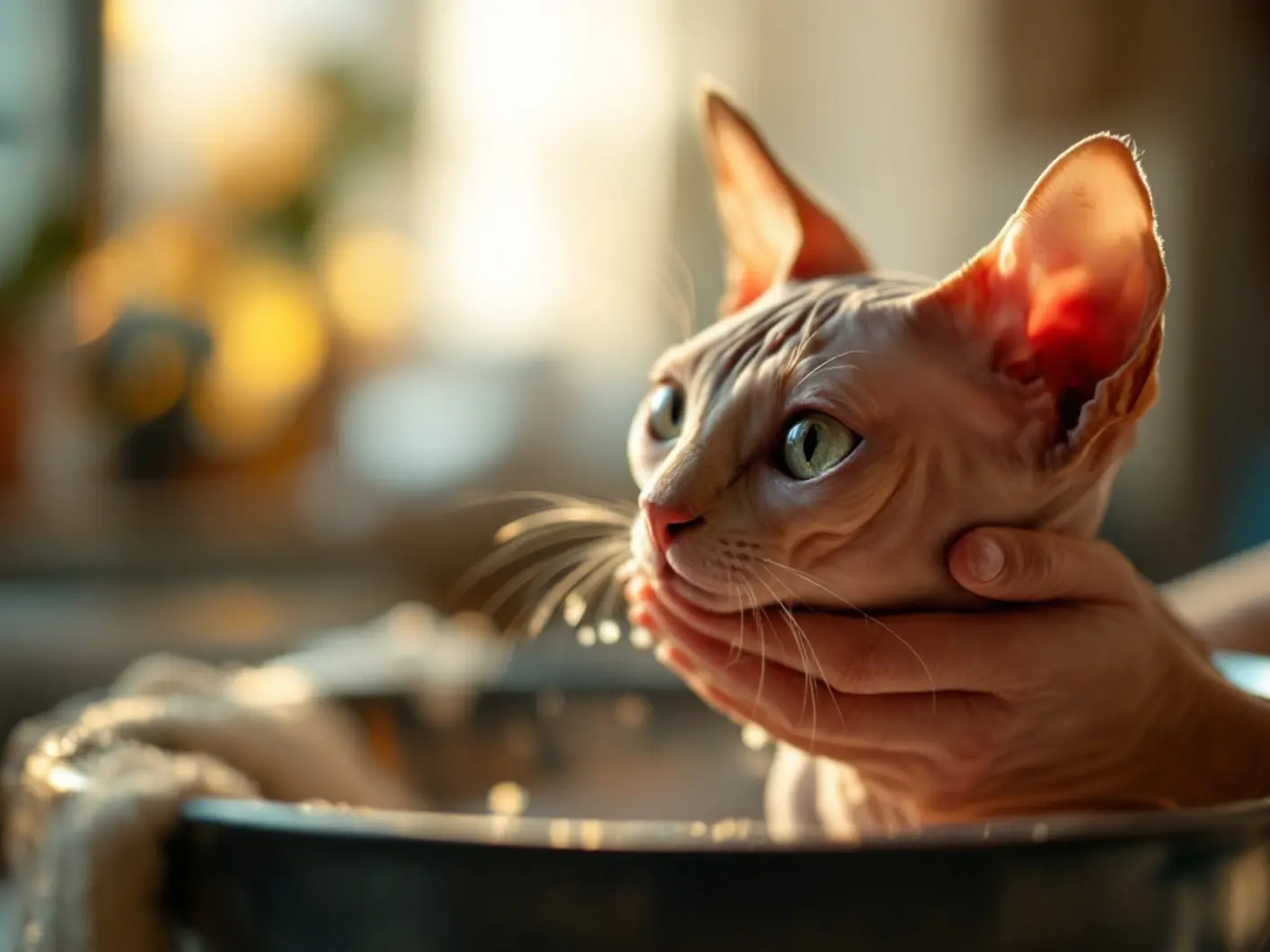
Not all moisturizers—even for pets—are safe for sphynx cats. Their skin is warmer, more vascular, and metabolically active, so it absorbs substances faster but is also more reactive. Heavy, greasy products can ‘choke’ sphynx skin, clogging pores and leading to bumps or breakouts. Heavily perfumed lotions, products with alcohol, essential oils, or human actives can cause redness, itching, or chemical burns—particularly around the belly, groin, face, or eyes. The best sphynx-friendly moisturizers are lightweight, hypoallergenic, free from harsh preservatives or fragrances, but strong enough to reinforce the skin barrier. Veterinary products for atopic or sensitive pets often work well: based on gentle emollients, humectants (like low-percentage glycerin or hyaluronic acid), and soothing ingredients such as panthenol or allantoin. Application matters: moisturize right after bathing on slightly damp skin, massaging in a thin layer along the natural wrinkle patterns with your fingertips. Avoid areas that your cat tends to lick, and always choose veterinary-approved products safe if ingested. Frequency also depends on the individual: for some, once-weekly light moisturization after bathing will suffice; others—especially in heated or air-conditioned spaces—may need spot treatments every few days. Watch closely for any adverse reaction when introducing new products. A thoughtful moisturizing routine, along with a diet rich in omega-3 and omega-6 fatty acids, moderate sun exposure, and a well-tailored bathing schedule, forms a comprehensive shield for sphynx skin, boosting both their comfort and their resistance to skin problems.
Sun Protection: How to Safeguard Sphynx Skin in Summer
Sphynx cats’ skin is especially vulnerable to UV damage in summer due to their lack of fur. Light, cream, or pink-skinned sphynx cats can be sunburned in minutes, and repeated burns raise the risk of chronic inflammation, hypersensitivity, and even skin cancer. Indoor life isn’t full protection—UV rays penetrate windows, and sunny windowsills or glass verandas can expose cats to gradual but harmful sun effects. Owners should schedule the daily routine to limit sun exposure during peak hours (usually 10am to 4pm in summer) and create shaded zones in the home using blinds, curtains, or UV window films. On balconies or outdoors, provide shelter with sunshades or canopies, and never allow lingering in direct sun. Remember, surfaces like dark floors, metal, or outdoor furniture can heat up fast and burn belly or groin skin. Check such surfaces with your hand and cover or move bedding as needed. Real sun protection means more than avoiding sun—it includes gradual acclimatization to moderate sunlight under supervision, but never permitting even mild burns.
Sunscreen use in sphynx cats is a hot topic, but product choice and application are critical. Never use human sunscreens—they often include chemical filters, fragrances, alcohol, or preservatives that can poison a cat if ingested or trigger skin reactions. Always consult a veterinarian and choose sunblocks made specifically for animals, with safe mineral ingredients (zinc oxide, titanium dioxide in pet-safe formulations). Carefully apply only a thin layer to the most exposed areas: ear tips, nose, around the eyes, neck, back, belly, and insides of the legs—avoiding spots the cat licks excessively. Distract your sphynx with play or treats to allow absorption and dab away excess gently. Always monitor for any reaction with new skin products—stop at the first sign of redness, itchiness, bumps, or oiliness, and seek vet advice. For most sphynx cats, behavioral and environmental management—limiting sun, providing shade, cooling the air, and maintaining hydration and a diet rich in omegas—are the safest sun protection. Watch closely for overheating signs (lethargy, rapid breathing, heavy panting, seeking cold surfaces), as overheated skin is more easily damaged. Provide fresh water in several spots, consider humidifiers or AC, and reduce stressors that could worsen skin issues. Frequent summer skin checks are essential—look for red patches on ears, nose, and back, browning, flaking, or thickening. Don’t experiment with DIY or baby products—see a vet promptly for expert care, remembering sphynx skin is not only a barrier but also a sensitive health indicator and a test of your summer skin care routine.
Ear Cleaning and Other Sphynx Care Essentials
Sphynx cat ears need special attention because the lack of hair inside and around the ear means wax, oil, and dust accumulate quickly. Unlike haired cats (where secretions catch on fur), sphynx cats develop dark, greasy residue that’s instantly visible. This isn’t an illness itself, but if ignored it can breed irritation, odor, itching, and eventually ear infections. Owners should get in the habit of weekly ear checks—monitoring the skin color, quantity and quality of discharge, and your cat’s reaction. Healthy sphynx ears are clean, light-pink or pigmented, and have moderate, brownish wax with no foul odor. Red flags: sudden increase in wax, very dark deposits, strong smell, redness, swelling, head shaking, or ear scratching. See your vet if you notice these; self-cleaning may worsen inflammation or mask ear mites. For routine ear cleaning, use only cat-specific liquids or lotions. Never insert cotton swabs deep into the canal—they risk damaging the eardrum or pushing material deeper. Instead, use a gentle cleaning solution as directed, massage the base of the ear, let your cat shake, and wipe away any leftover residue from the outer ear with a sterile pad or soft microfiber cloth, always working outward. For cats sensitive to touch, start with short, gentle sessions, rewarding calm behavior with treats and praise to keep the process stress-free.
Beyond the ears, daily sphynx care involves special attention to the eyes, claws, and especially the characteristic wrinkles. Sphynx eyes water more (no protective lashes), so brown or gray streaks may appear at the corners—particularly visible in light-skinned cats. Wipe eyes gently with a soft pad moistened with boiled water or pet-safe ophthalmic solution—not cotton, as fibers can get left behind, and never use human products without a vet’s okay. Watch for abrupt increase in tearing, pus, redness, or squinting—these require rapid veterinary care. Sphynx claws grow as quickly as other cats’, but with no fur around paw pads, keratinous debris and sebaceous build-up collect in the folds by the nail base. Along with regular trimming (every 2–3 weeks), gently clean these claw folds during baths or separately, using a damp gauze pad or approved cleanser. Trim only the clear nail—leave the pink core untouched; for dark nails, trim gradually. The many skin folds around the neck, belly, and groin need particular care—sweat, oil, and dust accumulate here, and heat builds an ideal microbe environment. During each bath or moisturizing routine, open and gently clean and dry these creases to prevent infection. Between baths, freshen your sphynx with a lightly moistened, hypoallergenic towel, focusing on areas like armpits, groin, neck, and tail. Maintain bedding hygiene—wash blankets with mild detergents, vacuum upholstery, and change pillowcases for ongoing protection against buildup. This holistic approach—from ears, eyes, and claws to skin folds and household cleanliness—keeps sphynx skin in optimal condition, reduces irritation and infection risk, and supports your cat’s comfort every day.
Common Sphynx Skin Issues & How to Prevent Them
Hairless sphynx skin is especially prone to a roster of specific dermatological problems, requiring careful and steadfast prevention. Most frequently encountered: excessive oiliness and clogged pores, bumps and pustular breakouts, contact irritations, inflamed skin folds (intertrigo), sun-induced discoloration, dryness, and allergic reactions. Sphynx owners must break the common cycle: too much or too little cleaning disrupts the skin barrier, prompting more oil production and setting the stage for sticky, oily spots, dark clusters in skin folds, and thriving yeast/bacterial colonies. The solution is a balanced approach: bathe every 2–4 weeks (not more), use gentle, neutral-pH feline shampoos, and always rinse products off thoroughly. Continuously monitor skin for dullness, extreme shine, clustering blackheads or bumps—these signal adjustments needed in your routine. Sphynx acne—bumpy patches on chin, chest, or armpit—are often due to blocked hair follicles filled with oil, sweat, and dust, but also occur with cheap food bowls, dirty bedding, or overuse of oily products. Use only ceramic or stainless bowls, wash them often, clean bedding weekly with fragrance-free detergents, and keep skin product buildup minimal. Make sure sphynx clothing is soft, breathable material, and laundered in mild, perfume-free products to avoid contact rashes.
Skinfolds—neck, armpit, groin, and belly—warrant extra attention. These collect sweat, oil, and dead cells—combined with moisture, they form perfect conditions for yeast and bacteria, leading to foul-smelling, red, overheated patches or brownish deposits. Prevent this by gently but thoroughly cleaning folds at every bath, drying carefully with a soft towel. On non-bath days, swab folds with subtle, alcohol- and fragrance-free baby wipes or cotton pads, then dry the area. Do not use powders or talcum without explicit vet instructions, as residue can block pores. Sun damage is another common problem—particularly for pink-skinned sphynx cats. Tanning, though it may seem harmless, is the skin’s injury response to UV. Protect by limiting midday sun, offering shade, and covering hot surfaces. For highly sensitive sphynx cats, your vet may recommend special pet-safe UV creams, but use sparingly and watch for allergic reactions. Dry skin follows aggressive bathing, harsh products, or winter heating. Signs include roughness, cracks, flaking, and tightness. Prevent by humidifying the air (using humidifiers or placing water near radiators), applying only vet-recommended, lightweight moisturizers, and supporting skin health with a diet rich in omega-3 and omega-6 fatty acids. Allergic responses (to food, contact, or grooming product ingredients) can display as redness, itching, bumps, dandruff, or chronic skin inflammation, so keep diets steady, introduce new care products gradually, and test detergents on small spots before broad use. If your sphynx develops sudden skin color changes, frequent scratching, oozing, unusual pain, or foul odor, seek a veterinarian immediately—swift action can halt many skin diseases before they become chronic challenges.
Summary
Proper skin care for sphynx cats takes conscious effort. Regular bathing, skilled moisturizing, and consistent sun protection keep sphynx skin healthy and their mood bright. These simple steps can dramatically improve the quality of life for these extraordinary hairless cats.

