
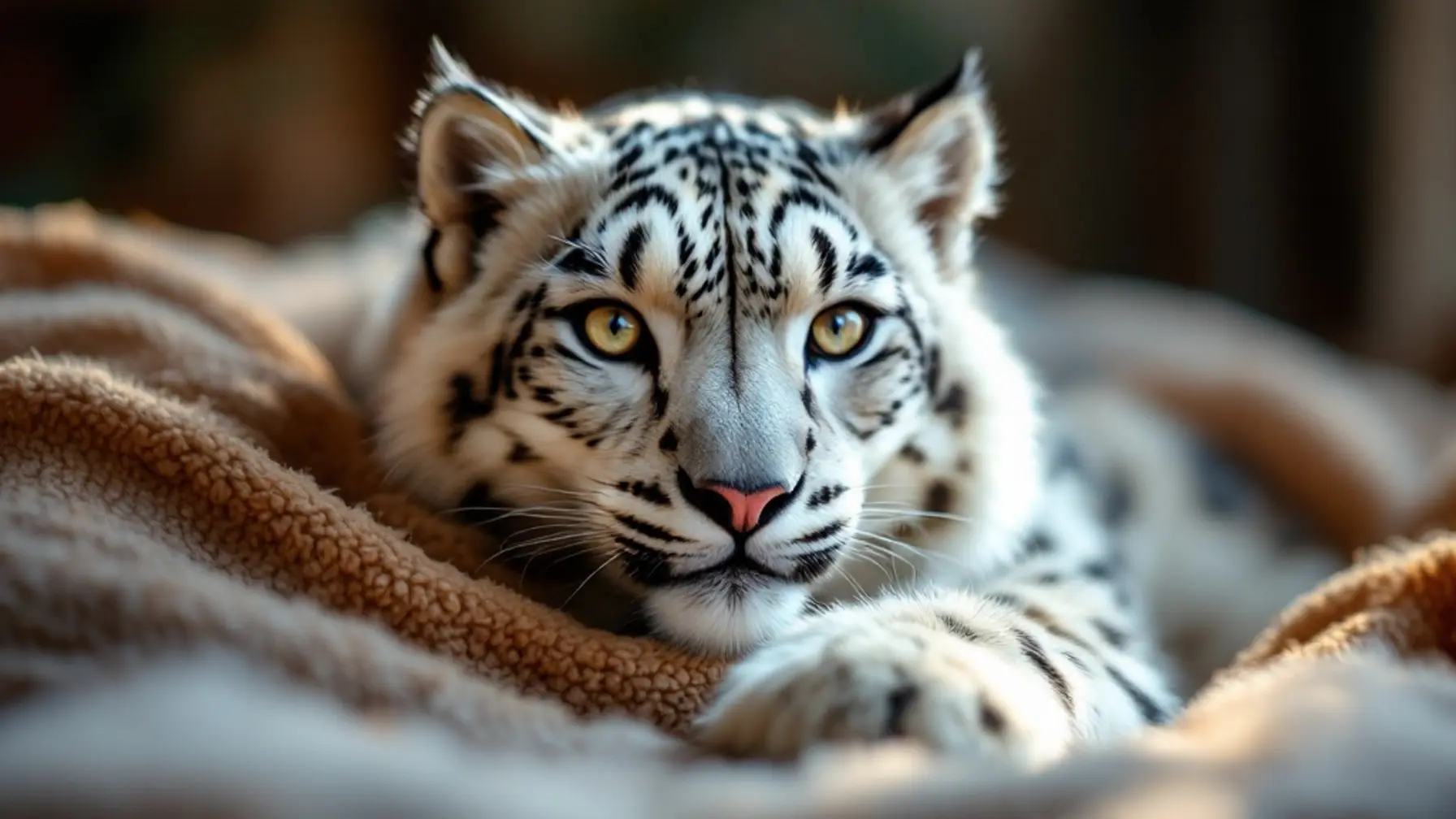
The snow leopard is a fascinating predator of the Central Asian highlands, whose unique adaptations and challenges earn it an endangered status. Discover how its mountain habitat, body structure, and significant cultural role shape the life of this elusive big cat. The greatest survival threats to this remarkable “ghost panther” are poaching and habitat loss.
Table of Contents
- Snow Leopard Characteristics
- Snow Leopard Habitat
- Mountain Adaptations
- Conservation Status & Threats
- Cultural Role in Central Asia
- How to Support Snow Leopard Conservation
Snow Leopard Characteristics
The snow leopard, also known as the ghost panther (Panthera uncia), is one of the world’s most unique and specialized mountain predators. Its features are a remarkable blend of adaptations for extreme climates, hunting prowess, and a reclusive lifestyle. Sleek yet powerfully muscled, the snow leopard typically measures 90 to 130 cm in body length, complemented by an exceptionally long, thick tail that can reach up to 90–100 cm. This tail acts as a balancing rudder on steep mountain slopes and doubles as a thermal wrap when the animal curls up in snow or on cold rocks. Its dense, plush fur and heavy undercoat insulate against temperatures as low as –40°C. The coat’s ash-beige background, patterned with dark rosettes and spots, provides near-invisible camouflage across snowy cliffs and rocky terrain. Unlike many other big cats, the snow leopard has relatively short yet very powerful hind legs and large, wide paws reminiscent of natural “snowshoes.” This allows it to traverse deep snow without sinking and make awe-inspiring leaps of 10–15 meters across rugged chasms.
A standout anatomical feature of the snow leopard is its robust skull and dentition. Well-developed jaw muscles empower it to take down prey larger than itself—including wild goats, sheep, and young yaks. Its elongated canines deliver swift, precise neck or cervical bites. The nasal passages and sinuses are tailored for breathing dry, cold, thin mountain air; large nasal cavities warm and humidify each breath, crucial above 3,000 meters. Its paws’ elastic, partially fur-lined pads protect from freezing and sharp rocks, with fur even covering the soles—a trait rare among big cats. Compared to other Panthera species, the snow leopard has a gentler, rounded muzzle—giving it a deceptively “soft” appearance despite its formidable power. Snow leopards are solitary by nature: except during mating or when raising cubs, they typically roam vast territories—sometimes tens or even hundreds of square kilometers—hunting primarily around dawn and dusk when the cold makes prey most active. Territory is marked by scent, scat, or scratch marks; vocalizations are rare since, unlike lions or tigers, snow leopards cannot roar, communicating instead via low growls, mews, and a signature “chuff.” Caution and avoiding conflict define its behavior—even when threatened by humans, it will usually retreat up inaccessible cliffs, relying on agility and an intimate knowledge of the terrain. Its secrecy and elusiveness make it one of the least-studied large predators, with much about its behavior still being uncovered. Camera traps and GPS data reveal snow leopards can cover dozens of kilometers across mountain ridges in a single night, a testament to their stamina and perfect fit for Central Asia’s harsh highlands.
Snow Leopard Habitat
As a specialized denizen of Central Asia’s highest mountains, the snow leopard inhabits some of the world’s harshest and most remote ecosystems. Its range stretches from Russia and Mongolia’s Altai, across the Tien Shan, Pamirs, and Hindu Kush to the Himalayas, Karakoram, and Tibetan Plateau. Found in at least 12 countries, including Kazakhstan, Kyrgyzstan, Tajikistan, Afghanistan, Pakistan, India, Nepal, Bhutan, and China, their largest populations occur in border zone mountains—a mosaic of ridges, valleys, and high plateaus. Typically encountered between 3,000 and 4,500 meters above sea level (sometimes over 5,500 meters in the Himalayas), in colder northern ranges they may descend below 1,000 meters. Their habitat’s core is defined by steep slopes, cliffs, ravines, and scree—ideal for ambush hunting and filled with hiding places that help avoid humans and larger predators. These landscapes often appear almost desert-like: sparse vegetation, wind-sculpted shrubs, tough grasses, and cushion plants adapted to intense UV and dramatic temperature swings. The snow leopard’s camouflage is so effective that its ashy-furred outline blends perfectly among bare rocks and snowy slopes. Winter snows cover much of their range and drop temperatures far below zero, whereas the brief summers bring strong sun to exposed slopes, pushing the cats’ activities to crepuscular and nighttime hours. Prey is scarce and widely scattered, so snow leopards require vast hunting territories—constantly moving along valleys, passes, and ridges in search of wild goat and sheep herds.
Prey species composition varies between mountain ranges, but some elements are constant: populations of large ungulates—ibex, wild goats (markhor, chamois), and mountain sheep (bharal, argali)—form the dietary base and dictate territory selection. In regions where wild ungulates have been depleted by poaching or domestic livestock overgrazing, snow leopards are forced to hunt domestic goats, sheep, and yaks, fueling conflict with herders and altering their range use. Smaller mammals—including marmots, hares, rodents, and ground-dwelling birds—also become important, especially for young leopards or during lean seasons. Snow leopard habitat’s fate is tightly linked to mountain climate and hydrology: many zones are the headwaters for Asia’s greatest rivers—glaciers and snow feed the Indus, Amu Darya, and Yangtze. Climate shifts and glacial retreat affect both water availability and plant cover, influencing prey migrations. Melting glaciers expand scree and unstable slopes, reshaping habitats, creating new corridors but also destroying traditional dens and breeding sites. In places like the Himalayas and Tibetan Plateau, natural landscapes are increasingly reshaped by tourism infrastructure, new roads, mines, and power lines; pastures expand, fragmenting habitats, disrupting ungulate migration, and shrinking peaceful refuges vital for the snow leopard’s secrecy. Some highland zones lie within national parks and biosphere reserves, favoring a more natural state. These areas host research and protection programs for migratory corridors and prey populations, as well as education initiatives for herding communities to reduce retaliatory killings. Thus, the snow leopard’s habitat is a mosaic: wild strongholds intermingle with heavily used landscapes and protected zones striving to balance pastoral tradition, local development, and the preservation of one of Earth’s most mysterious big cats.
Mountain Adaptations
The snow leopard is a textbook example of how evolution finely tunes an organism to survive one of the planet’s harshest environments—the high mountains of Central Asia. Every aspect of its anatomy—from skull to coat—responds to concrete challenges: freezing cold, thin air, rocky ground, and food scarcity. Its most crucial morphological adaptation: an incredibly dense, multilayered coat with a long, soft, insulating underfur trapping a layer of warm air near the skin. This enables function at –30°C and below, while avoiding overheating during the exertion of cliffside hunting. The gray-beige base and dark rosettes perfectly match the rocky, partly snow-draped slopes year-round—ensuring camouflage both in winter snow and the bare summers. The tail—long, thick, and plush—acts as scarf and blanket, wrapping the panther’s muzzle and paws against bitter chill. It also helps balance for long leaps across unforgiving terrain. Snow leopard paws are broad, with thick pads covered in dense fur—natural “snowshoes”—spreading body weight to avoid sinking into snow and improving grip on icy rock. Powerful hind limbs allow leaps of up to 6–9 meters, crucial for chasing agile prey and crossing mountain chasms and rocky fissures that typify their habitat.
Physiological and behavioral adaptations are equally impressive. A deep chest and large lungs promote efficient gas exchange and oxygen use in the rarefied high-altitude atmosphere (up to 5,500 meters). Wide nostrils and expanded nasal cavities function as natural heat and moisture exchangers, warming and humidifying air before it enters the lungs and reducing heat loss and dehydration. The leopard’s large, gold-green eyes—with vertical-slit pupils—give superior low-light vision, essential for its crepuscular and nocturnal hunting in mountain shadows. Its skull and teeth—powerful jaw muscles, heavy skull bones, and elongated canines—allow it to bring down prey much bigger than itself, like bharal or ibex, then rip apart the protein-rich muscle meat vital for survival in the famine-prone mountains. The snow leopard’s solitary, secretive lifestyle minimizes competition for meager resources across large territories, with scent marking (urine, scat, scratch marks) maintaining boundaries and limiting direct conflict. Activity patterns are flexible: where humans are more prevalent, snow leopards shift to even more nocturnal habits and inaccessible routes. Their dietary flexibility—from large ungulates to smaller mammals and birds—and the ability to cache meat after successful hunts, allow them to weather inevitable shortages, making the snow leopard one of the best-adapted high-altitude predators worldwide.
Conservation Status & Threats
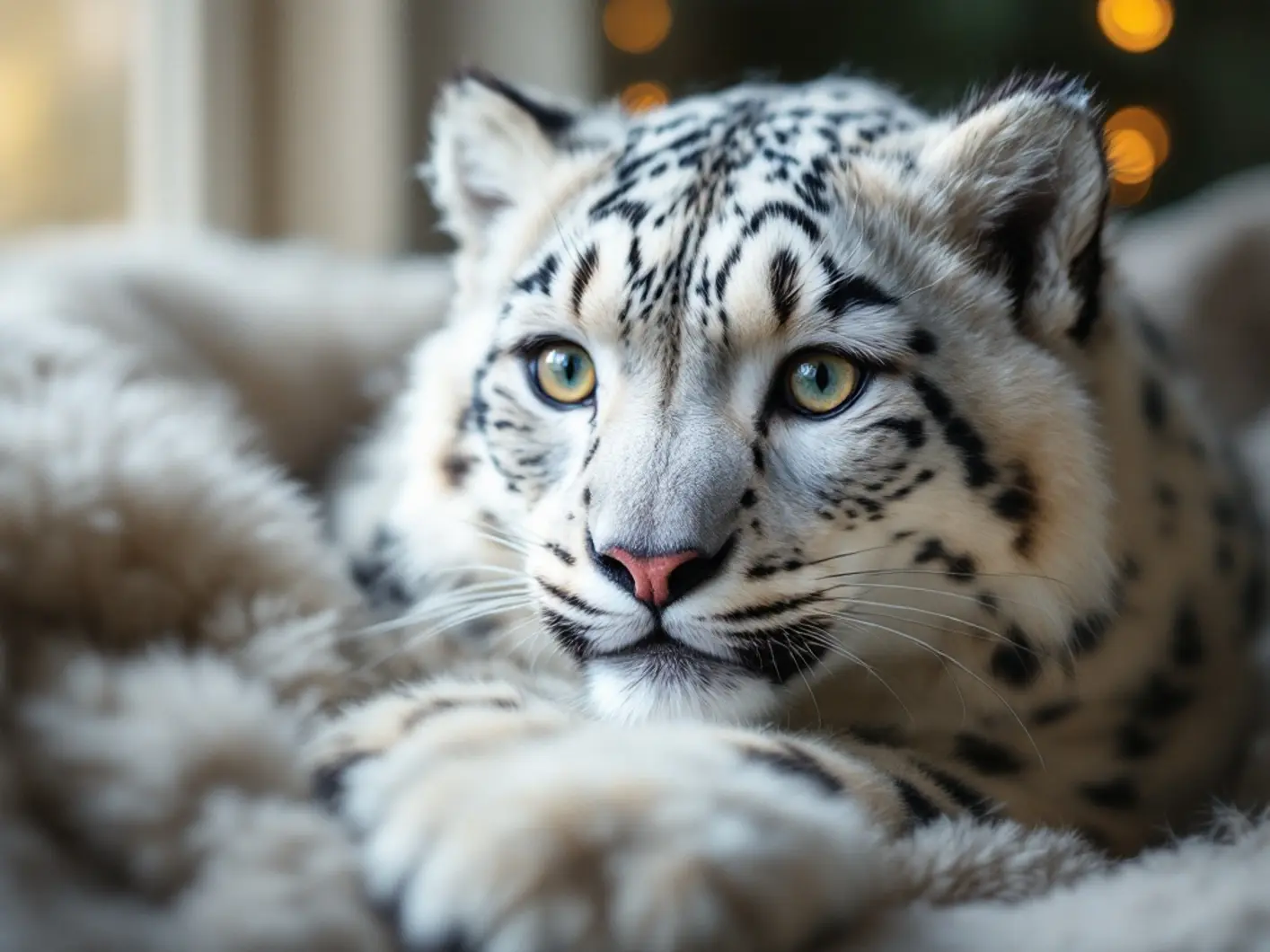
The snow leopard (Panthera uncia) has long been a flagship species for international conservation, ranking among the world’s most threatened big cats. The IUCN classifies it as “Vulnerable,” meaning its wild populations are still declining, although some local stabilizations exist. Only 4,000–6,500 individuals are estimated to survive over vast but highly fragmented ranges from the Altai and Tien Shan to the Karakoram and Himalayas. Habitat fragmentation isolates many subpopulations, reducing genetic exchange and increasing the risk of local extinctions. Real numbers may be even lower, given the leopard’s cryptic lifestyle and the remoteness of much of its range. Snow leopards appear only sporadically in many regions—especially borderlands—and usually in small, scattered groups, leaving them acutely vulnerable to human pressure and environmental disruption. Poaching remains one of the primary, direct threats: leopards are hunted for their prized pelts, bones, internal organs, and tails—still used in folk medicine and local beliefs in parts of Asia. Despite being legally protected in all 12 range countries and included on CITES Appendix I (maximum international protection), illegal trade persists, driven by high demand from luxury collectors and the “black market.” Well-organized poaching networks thrive amid rugged terrain and porous borders. Opportunistic killings by herders or hunters—who see leopards as pests or extra income—are equally problematic. Poaching of wild prey (goats and sheep) further limits natural food sources, forcing leopards closer to human settlements.
Another serious threat is escalating human–predator conflict. As mountain populations grow and traditional pastoralism expands, snow leopards increasingly prey on domestic animals. For herders living on a knife-edge economy, the loss of even a few animals spells disaster, leading to retaliatory or preventive killing—by poison, traps, or firearms. This conflict worsens where compensation mechanisms or education about the snow leopard’s ecological role are lacking. Modern threats also include habitat conversion and degradation: intensive grazing, mountain road construction, mining, hydrotechnical infrastructure, and mass tourism all fragment leopard ranges, increase human disturbance, and reduce the availability of undisturbed sanctuaries. Climate change modifies vegetation patterns and elevational zones—rising temperatures, melting glaciers, and shifting pastures drive native plants and animals higher, shrinking optimal habitats. In response, wide-ranging conservation initiatives have been launched at international and local levels. The snow leopard—a charismatic flagship and umbrella species for Asia’s highland ecosystems—drives programs such as the Global Snow Leopard & Ecosystem Protection Program (GSLEP), uniting the efforts of all 12 range countries. In national parks and reserves, quiet zones are established, grazing/industry is limited, and monitoring tools like camera traps and GPS collars support research and planning. Community-based programs compensate herders for losses, promote insurance and wildlife tourism, and provide mountain biodiversity education to children and adults. Such actions have shifted perceptions, turning the snow leopard from villain to heritage icon and alternative income source—crucial for this rare cat’s long-term future in the wild.
Cultural Role in Central Asia
Known in many local tongues as the “ghost of the mountains” or “cat from the sky,” the snow leopard holds a special place in the imagination and traditions of Central Asian peoples—from Mongolia, Kyrgyzstan, and Kazakhstan to Tajikistan, Pakistan, and northern India. For pastoral cultures whose lives depend on mountain weather, animals, and the land’s bounty, the snow leopard represents untamed nature, freedom, and resilience. Living far above human settlements, it was known more from tales and snowy tracks than actual sightings—a mythic “invisible guardian,” believed to maintain natural balance and ensure herds and pastures thrive. For some cultures of the Pamirs and Tian Shan, the leopard embodies ancestral and mountain spirits controlling the weather and crops. Its pawprints, especially when found near campsites, are seen as omens—either warnings or signs of a “blessed” place protected from evil. In Tibetan and Nepali folk symbolism, the snow leopard is linked to borderland deities—guardians standing between the human world and the spirit realm, reinforcing its image as a liminal creature, neither wholly earthly nor supernatural.
Across Central Asia, the snow leopard features prominently in art, literature, and contemporary national identity. In traditional Kyrgyz and Kazakh embroideries, the rosetted cat appears alongside motifs of eagles, wolves, and horses—part of a “bestiary” of noble animals. Epic poetry often evokes the leopard as a metaphor for agility, courage, and a warrior’s honor—striking unseen, acting swiftly, then vanishing before rivals react. In modern works and documentaries about mountain peoples, the snow leopard symbolizes the tension between tradition and change: sometimes cast as a “foe” for raiding herds, but increasingly as a living icon of wilderness, whose loss threatens the region’s soul and memory. This duality is clear in the stories of older herders: once proud to hunt the leopard, many now speak with nostalgia and reverence, insisting “mountains without snow leopards are dead.” Governments are gradually embracing this symbolism—the leopard appears on national park emblems, stamps, environmental group logos, or as mascots for mountain sports. In Kyrgyzstan and Kazakhstan, NGOs use the leopard in conservation campaigns as the “ambassador of the mountains,” fostering pride and awareness that the leopard’s fate is inseparable from pastoral life, water security, and the wellbeing of entire communities. Crucially, traditional legends and modern education increasingly blend, ensuring the snow leopard remains not only a biological species but a vibrant cultural symbol—bridging past and present, and reinforcing pride in Central Asia’s highland heritage.
How to Support Snow Leopard Conservation
As a cross-border species, the snow leopard’s survival depends both on Central Asian governments and on the actions of individuals worldwide. The most impactful way to help is by supporting organizations and initiatives that work directly in snow leopard territories—across the Himalayas, Tibetan Plateau, the Altai, or Tien Shan. Individuals can make a real difference by donating regularly to NGOs specializing in snow leopard protection such as Snow Leopard Trust, Snow Leopard Conservancy, or regional foundations in Mongolia, Nepal, and Kyrgyzstan. Consistent, even modest monthly support funds telemetry, camera trapping, anti-poaching patrols, and education for herders sharing mountain space with the leopard. Always check that organizations issue field reports, collaborate locally, and follow ethical research and tourism guidelines—improving the impact of every donation. Another form of support: responsible travel planning to snow leopard regions. Ecotourism to the mountains of Mongolia, Kyrgyzstan, or Ladakh is increasingly popular—choosing licensed operators working with parks and local guides ensures tourism revenue benefits rural communities and reduces motivation for retaliatory hunting. When arranging travels, ensure the operator respects breeding closures, does not promise “guaranteed sightings” (which may indicate baiting), and follows Leave No Trace principles to minimize ecosystem impact. Staying in herder-run guesthouses that participate in compensation schemes is a great choice—tourism income often funds compensation pools, reducing pressure on leopards after livestock losses.
There are many ways to support snow leopard conservation from afar. Education and shaping public opinion are among the most effective tools. Scientists and conservation groups stress that the snow leopard’s “pest” image perpetuates retaliatory killing among some herder communities. Sharing accurate, up-to-date information—social media posts, school talks, travel club presentations—can explain how snow leopards regulate wild ungulate populations and maintain ecological balance. Avoid purchasing products made from illegally traded leopard fur, “medicines,” or trophies. Even seemingly harmless foreign souvenirs can fuel poaching and the wildlife black market. Supporting research is equally vital—a well-developed telemetry or genetic project identifies migration corridors and key areas in need of protection. Many institutes and NGOs run GPS collar, camera trap “adoption,” or area monitoring programs—private citizens or companies can fund specific project elements in exchange for updates. This kind of conservation patronage, especially when linked with corporate responsibility, helps secure the snow leopard’s future at the landscape level. Finally, get involved with policy and planning that impacts snow leopard habitat: advocating against destructive mining, road-building, or mass tourism projects that cut across migration routes and isolate subpopulations. Citizens worldwide can support advocacy groups, sign petitions against habitat-destroying investments, participate in public consultations on international development projects, and choose brands with zero-deforestation and sustainable sourcing policies. Even actions that seem far from the Asian mountains, like making climate-friendly choices, affect glacial melt, water resources, and pastures—the lifelines for both snow leopards and the communities living beneath their ghostly guardians.
Summary
The snow leopard, also known as the ghost panther, is a majestic survivor of Central Asia’s harshest mountains. Its unique evolutionary toolkit enables it to thrive at altitude, but poaching and habitat loss threaten its future. Steeped in local legend as the spirit of the mountains, the snow leopard is both a keystone of regional ecosystems and a powerful cultural symbol. Supporting conservation can preserve not only biodiversity, but the living heritage of Central Asia’s highlands.

