

Bad breath (halitosis) in cats is a common problem that can signal both hygiene neglect and more serious illnesses. Foul-smelling breath is not only bothersome but often indicates health disturbances that require attention. Proper hygiene, diet, and prompt veterinary intervention help prevent complications and support your pet’s overall wellbeing.
Table of Contents
- Why Does My Cat Have Bad Breath?
- Most Common Causes of Bad Breath
- Diagnostics of Oral Problems in Cats
- How to Prevent Unpleasant Odors from the Mouth?
- Home Remedies for Bad Cat Breath
- When to Visit the Vet?
Why Does My Cat Have Bad Breath?
Unpleasant odor from a cat’s mouth—halitosis—is almost always a signal that something troubling is happening in your pet’s body. Unlike dogs, where a slight “animal scent” may be considered normal, a healthy cat’s breath should be virtually odorless. Foul smells most often originate in the mouth—on the teeth, gums, tongue, and palate—where bacteria, food debris, and dental tartar accumulate. Over time, the soft deposit (dental plaque) mineralizes into hard tartar, which pushes under the gum line, causing chronic inflammation. Bacteria decomposing proteins and tissues produce volatile sulfur compounds (these are responsible for the characteristic “rotten” smell), and saliva mixes with exudate from diseased gums. Typically, there is an intense, “putrid” odor combined with reddened or bleeding gums and noticeable yellow-brown deposits on the teeth. Untreated periodontal disease can lead to tooth loosening, abscesses, or even fistulas between the mouth and the nasal cavity—in such cases the smell becomes very strong, and your cat may also develop nasal discharge and trouble eating. Cats are also frequently affected by specific oral diseases such as chronic stomatitis or resorptive lesions (FORL), where painful tissue breakdown, ulcers, and severe inflammation occur. These processes also generate intensely foul-smelling substances, and, feeling pain, the cat may chew on only one side, drool, or avoid harder foods altogether. The type of unpleasant odor can vary—”fishy,” “chemical,” sweetish, or acetone-like—and this often suggests whether the problem lies solely in the mouth or in internal organs. If your cat’s breath resembles urine, ammonia, or has a strong “fishy” aroma, it often signals kidney problems: toxins that the kidneys cannot filter circulate in the blood, entering the saliva and exhaled air. In chronic kidney failure the mucous membranes may be pale or slightly ulcerated; the cat drinks more, urinates more often, loses weight, and becomes lethargic. A sweet, “fruity,” or acetone breath may indicate carbohydrate metabolism disorders, e.g., diabetes; the body begins to burn fat, producing ketone bodies that give the breath a scent reminiscent of nail polish remover. This may be accompanied by increased thirst, frequent urination, rapid weight loss despite a good appetite, and in advanced stages—apathy and vomiting. Another source of bad odor may be the digestive system, especially with reflux or chronic digestive disorders: gastric or intestinal contents with a sour, putrid smell can move up the digestive tract, making the odor noticeable from the mouth, even without visible changes on the teeth or gums.
Other causes for a bad smell from your cat’s mouth include factors caretakers might not even consider. Sometimes, foreign bodies in the mouth or between teeth—like a bone fragment, fishbone, blade of grass, or string—mechanically irritate tissues, leading to localized bacterial infection and pus; in these cases, the stench can be very intense, accompanied by localized drooling, head shaking, or pawing at the face. In young cats, a temporary, slightly unpleasant odor can appear during the change from milk to adult teeth—around “wobbly” teeth food debris and bacteria easily accumulate; nevertheless, a strong, prolonged odor should always prompt a dental checkup as tooth replacement can be complicated by retained canines or gum inflammation. Diet also significantly affects mouth odor: low-quality foods full of carbohydrates and fillers encourage plaque and disrupt the oral microbiome; some wet pates leave a sticky coating on teeth, perfect for bacteria. Overweight or less mobile cats may also neglect grooming, so food and saliva residues around the mouth start to reek, misinterpreted by the owner as mouth odor. Upper respiratory infections and viral diseases (e.g., calicivirus, herpesvirus, FIV, FeLV) cause ulcers on the tongue and mucosa, secondary bacterial infections, and tissue necrosis—these inexorably produce a sharp, unpleasant mouth odor. In elderly or chronically ill cats, oral problems are more likely—an impaired immune system cannot fight bacteria as effectively, and coexisting conditions (e.g., liver failure, endocrine disorders) further change saliva composition and oral flora. Even medications can modify breath: some antibiotics or drugs for chronic illnesses change the oral environment, sometimes causing a temporary foul smell. In practice, this means feline halitosis is rarely “trivial”—it usually results from a complex interplay of factors: from neglected oral hygiene, through diet and age, to serious organ diseases, all manifested by bad breath.
Most Common Causes of Bad Breath
In the vast majority of cases, a cat’s bad breath originates in the mouth, especially due to periodontal disease. In many adult cats, soft plaque and hard tartar begin to accumulate on teeth already after 2–3 years of age—a mix of food residue, bacteria, and minerals from saliva. Bacteria in dental plaque decompose organic compounds and produce volatile sulfur compounds with an intense, putrid smell—typically responsible for the “fishy” or “rotten” odor. Dental calculus irritates gums, leading to gingivitis, redness, pain, sensitivity, and bleeding. When inflammation progresses, periodontal disease develops, with loosened and ultimately lost teeth, and the associated pain and bleeding only intensify the odor. In some cats, painful erosions and ulcerations on the cheeks or tongue develop (e.g., in plasmacytic stomatitis), creating an ideal habitat for anaerobic bacteria that further worsen the bad breath. Another characteristic cause is the presence of a foreign body—bone splinter, grass blade, or string stuck between the gums, under the tongue, or between teeth, trapping food debris and saliva, quickly leading to a purulent infection and an extremely strong, rotten odor. In young cats, changing milk teeth for adult ones also predisposes to smelly breath, especially if loose, broken, or partially retained teeth become bacterial sites, or if periapical abscesses develop. Injuries, such as bites or jaw fractures, can damage tissues, cause bleeding, and impair the self-cleaning of the mouth; accumulations of clots, necrotic tissue, and bacteria also result in a bad smell. In some cats, dietary errors—low-quality food, especially strong-smelling (e.g., too many fishy, greasy cans), too many treats, or human leftovers—can worsen mouth health. Such residues stick to teeth, decompose quickly, and intensify odor, particularly in cats prone to tartar buildup. Cats that drink little water have dense, sticky saliva that poorly rinses the mouth, favoring bacterial growth. Chronic vomiting can worsen odor—stomach acid and half-digested food irritate the gums, causing inflammation, and after vomiting the cat licks its fur, spreading the sour smell. Digestive issues with frequent diarrhea produce more smelly compounds in stool and flatulence; when the cat licks its anus or paws after litter use, those smells reach the mouth, giving the impression of bad breath despite the source being the lower digestive tract or anus area.
Another important group of causes are systemic diseases where halitosis is a warning sign. Chronic kidney failure often results in breath with a characteristic ammonia or “urine” odor. Damaged kidneys can no longer filter metabolic byproducts like urea; its high blood level (uremia) causes penetration into saliva, where oral bacteria break it down to ammonia—a highly irritating substance with a sharp, “chemical” aroma. Uremia also causes ulcerations of the oral mucosa (“stomatitis uraemica”), which are painful and bleeding, and the presence of clots and necrotic tissue makes the odor even worse. Another example is diabetes—in cats with this disease, the breath may be sweet, fruity, often compared to overripe apples or acetone due to excessive ketone body production, which are volatile and exhaled with the breath. Some patients with liver disease develop a distinctive, sweet-rotten odor due to disturbed detoxification and the accumulation of toxins, eliminated partly via the lungs and oral mucosa. Viral infections (calicivirus, herpesvirus) predispose to bacterial infections, oral tissue necrosis, and ulcers, meaning very foul breath is often seen early in such illnesses. Poor oral hygiene is, of course, a major risk: cats whose teeth are never brushed, never scaled, or not given dental chews develop periodontal problems faster. Halitosis can also worsen with dental malocclusion or misaligned teeth—crowding traps debris. Bad breath may also come from the respiratory tract: with chronic sinus or throat inflammation (polyps, prolonged colds, purulent discharges), the smell of pus mixes with the air exhaled through the mouth. All these factors show that feline halitosis is a complex symptom, resulting from both local oral diseases and serious systemic illness—a delay in addressing it can postpone the recognition of dangerous conditions.
Diagnostics of Oral Problems in Cats
Detailed diagnosis of oral problems in cats begins with an interview with the caretaker and preliminary observation. The vet will ask when the bad breath began, whether the cat has eating difficulties, drools, rubs its face, loses weight, appears apathetic, or is irritable when the face is touched. Information on diet, water intake, dental treats, frequency of tooth brushing, and prior illnesses (especially kidney, liver, or diabetes) are important. At this point, the vet may assess if halitosis is more likely from typical dental issues or systemic disease. Next comes the clinical exam: assessment of general health, temperature, hydration, body condition, coat, and lymph nodes. Bad breath often accompanies infections, chronic inflammation, and pain, which can manifest as behavioral changes, reluctance to play, or withdrawal. The vet then inspects the mouth—in the clinic, this is usually an initial examination on an awake animal. The vet assesses the gums (color, swelling, bleeding), presence of plaque and tartar, loose teeth, injuries, erosions, ulcers, fractures, abscesses, pus around tooth roots, and the overall symmetry of the face. The vet also examines the tongue, palate, cheeks, frenulum, and back of the mouth, looking for lumps, thickening, or foreign objects (like fishbones, plant fragments) between teeth or gums. The type of breath odor—fishy, putrid, sweet, or acetone—can suggest certain diseases, like chronic kidney failure or diabetes. Often the clinical exam reveals advanced periodontal disease, but safe and effective treatment requires laboratory and imaging follow-up.
Blood and urine tests are crucial in diagnosing cat halitosis, helping to distinguish oral diseases from systemic issues affecting breath. The panel includes complete blood count, biochemistry (kidney markers—urea, creatinine, phosphorus; liver—ALT, AST, ALP, bilirubin; and glucose), and sometimes electrolytes. These can reveal chronic kidney failure, liver disease, diabetes, or generalized inflammation requiring broader treatment. Urinalysis (specific gravity, protein, glucose, ketones, sediment) further confirms or excludes kidney disease or diabetes. If the vet suspects feline oral sensitivity, viral diseases (calicivirus, herpesvirus, FIV, FeLV), or autoimmune background, further serological, PCR, or oral cytology tests may be ordered. A key step, though, is a thorough dental exam under sedation or anesthesia, allowing for close inspection of each tooth, gums, and deep structures not visible during regular checks. The veterinarian will examine gums (measuring periodontal pockets with a probe), check for tooth mobility, resorptive lesions, erosions, fractures, or oral-nasal fistulas. Dental X-rays are invaluable to assess tooth roots, jaw bone status, bone loss, hidden abscesses, and resorption not visible on ordinary inspection. In cats, many pathological changes develop below the gumline, so X-rays are essential for a complete assessment and treatment plan. In more complex cases—like suspected oral tumors, extensive fistulas, or jaw changes—CT scans may be used. Sometimes, biopsies for histopathology are needed to confirm or exclude cancer or chronic immune-mediated inflammation. The entire diagnostic process aims not only to find the direct cause of the bad breath but also to assess anesthesia and procedure risks—informed by bloodwork and general condition, the vet can select a safe anesthetic protocol for dental treatment.
How to Prevent Unpleasant Odors from the Mouth?
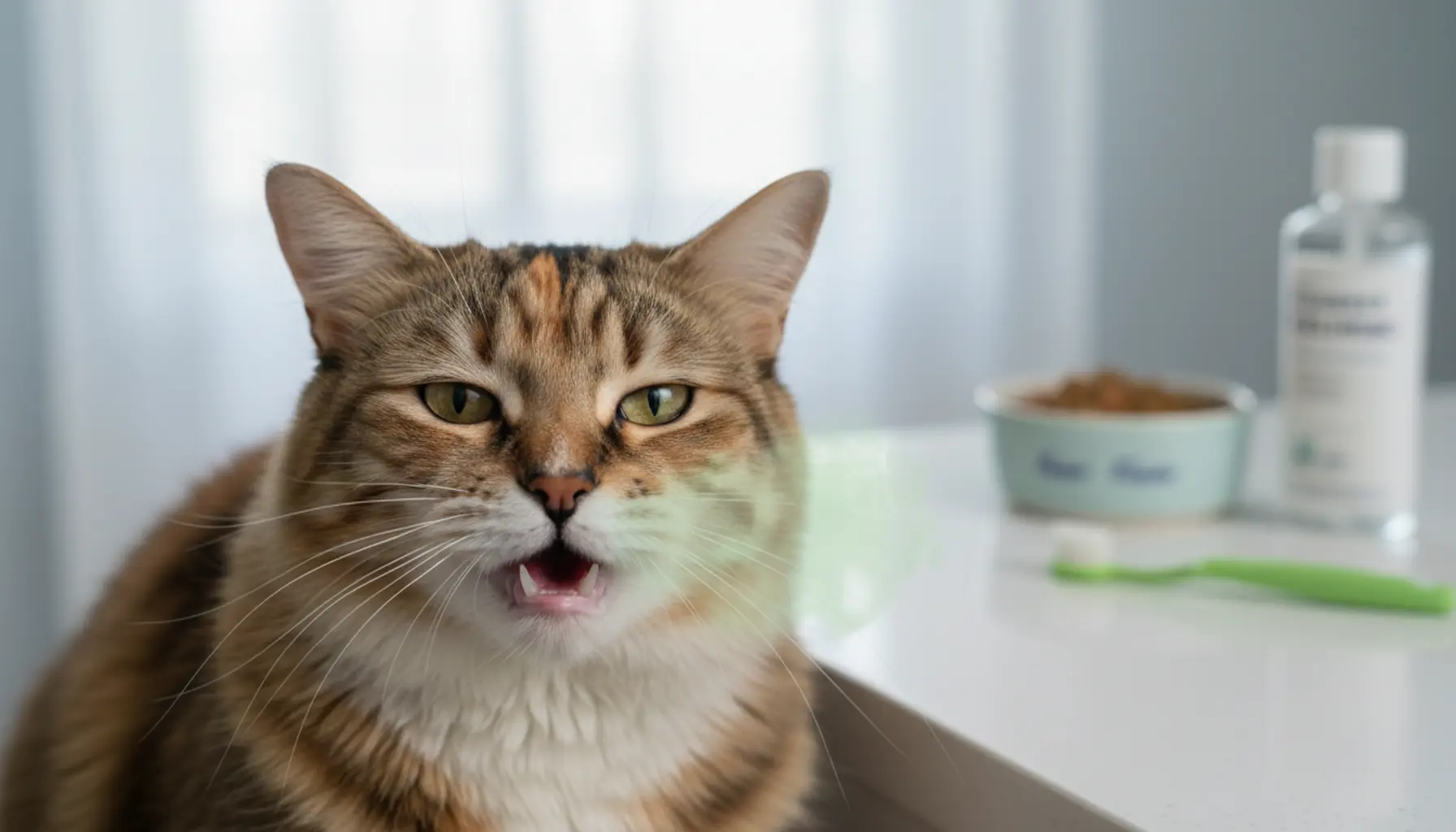
Preventing bad breath in cats is based on three pillars: regular oral hygiene, appropriate nutrition, and ongoing health checks by a veterinarian. The key is daily or at least regular tooth care. The most effective method is brushing with a dedicated soft pet toothbrush and cat toothpaste—never human toothpaste, which may contain harmful fluoride or xylitol. Brushing should be introduced gradually and positively: start by having your cat get used to having its mouth and gums touched, then to the taste of the paste, and only then to the toothbrush itself. For many cats, using silicone finger caps or gauze to gently wipe the teeth is a helpful first step. Consistency and patience matter—regularity is more effective than infrequent but intensive sessions. For cats who don’t tolerate brushing, alternatives such as special dental gels for gums, water additives, mouth sprays, or dental treats can help reduce plaque buildup. However, these are supplements, not full replacements for mechanical cleaning. Preventive care also involves checking your cat’s mouth at home: regularly inspecting can help catch early problems—red, bleeding gums, excess tartar, tooth mobility, erosions, or lesions on tongue and palate. Early intervention—a vet visit at the first suspicious changes—often prevents advanced periodontal disease, painful inflammation, and strong bad breath.
Diet has a huge impact on your cat’s breath. As obligate carnivores, cats need a high-meat diet of good quality, without excess carbohydrates, simple sugars, dyes, or fillers that promote bacterial plaque and tooth decay. Constant snacking on cheap kibbles, low-quality treats, or human leftovers not only worsens oral health but also burdens kidneys, liver, and pancreas, indirectly aggravating halitosis. A balanced diet, adjusted for age, health condition, and activity, helps maintain healthy weight, efficient metabolism, and healthy organs, reducing the risk of diseases like kidney failure or diabetes, which often cause distinctive mouth odors. Hydration is also crucial—cats naturally drink little, so encouraging water intake through pet fountains or offering good-quality wet food helps reduce kidney and urinary tract disease and improves breath freshness. Regular vet visits—at least once a year for young, healthy cats and more often for elderly or chronically ill ones—are important. During these visits, the vet checks teeth, gums, tongue, and mucous membranes, and, if needed, will schedule professional cleaning under anesthesia. For cats prone to dental disease or with existing issues, preventive scaling may be needed every 6–12 months. The vet can also recommend supplements (e.g. with algae, enzymes, or gum-supporting ingredients), select a veterinary diet, and order blood and urine tests to catch systemic causes of bad breath early. Be sure also to keep dangerous objects away from your cat (strings, rubber bands, toy fragments) to avoid oral injuries and foreign bodies, another source of bad odor. A combination of daily hygiene, wise nutrition, careful observation, and professional veterinary care is the most effective strategy for preventing halitosis and ensuring your cat’s everyday comfort.
Home Remedies for Bad Cat Breath
Home methods for dealing with bad breath in cats can be highly supportive, as long as they are applied wisely and do not replace veterinary consultation for worsening symptoms. The basis is regular oral hygiene at home—ideally daily, or at least several times a week. The most effective method is brushing teeth with a dedicated soft-bristled pet brush and specifically cat-formulated toothpaste. Human toothpaste is toxic to cats due to fluoride and detergents that should never be swallowed. Many cats won’t accept brushing immediately, so introduce it gradually: start with touching the mouth, then gentle massaging of the gums with a gauze-wrapped finger, and finally a toothbrush with a meaty-flavored paste. For resistant cats, alternatives include finger caps, silicone brushes, or very brief but regular brushing to gradually build tolerance. An adjunct to daily care are dental gels and water additives designed to break down plaque and limit bacterial growth. These won’t remove hard tartar, but with regular use may slow its accumulation. Select only certified veterinary products, and consult their use with your vet, especially with kidney or liver diseases. Chlorhexidine-based rinses can be effective, but use them strictly per the vet’s advice—overuse can irritate mucous membranes. Dental chews and treats designed to mechanically clean teeth are also helpful. Do not mistake them with ordinary treats, which often are high in sugars or starches that encourage plaque. Dental chews should have the right structure and sizing and be certified for oral health. Never give cats hard bones, dried skins, or objects that could break teeth or cut gums—such “home tricks” are risky and not recommended. Dietary support is also essential: food should be high in meat, well-balanced, without excess plant fillers that foster bacteria in the mouth and gut. For some cats, combining wet and dry food works well—wet food hydrates and supports kidneys, and well-chosen dry food may help gently abrade plaque. However, dry food alone does not “clean” teeth as much as manufacturers claim—consider it supplementary, not the main oral tool.
Other home actions to limit your cat’s bad breath include broad preventive measures in care and lifestyle. Regular home mouth checks—gently lifting the lip, viewing gum lines, noting any redness, erosions, excess saliva, or buildup on teeth—help catch problems early before severe halitosis develops. It’s good to accustom cats to such checks from kittenhood, combining them with petting or a favorite treat to reduce future stress. Cleanliness of bowls and feeding stations is very important—leftover food quickly turns into bacterial heaven, ending up in the mouth. Plastic bowls scratch easily and harbor microbes; it’s better to use stainless steel or ceramic and wash after every meal. Home remedies sometimes suggest parsley or mint as natural breath fresheners, but cats are strict carnivores and should not be forced to eat herbs that may irritate the digestive tract; some plants are outright toxic. Never use essential oils in water, nearby diffusers, or as food additives—they can be poisonous and irritate oral mucosa or the respiratory tract. Home “rinses” of baking soda, vinegar, or alcohol are dangerous—sometimes advised for people, they can seriously damage a cat’s mouth and esophagus. Home remedies should be strictly limited to pet-approved products, with careful monitoring for allergy, vomiting, diarrhea, or sudden malaise after introducing anything new to their care or diet. Remember: even the best home care can’t remove deeply embedded subgingival tartar or cure abscesses, periodontitis, or systemic diseases. If bad breath persists or worsens after applying all home methods, or is accompanied by drooling, visible pain, loss of appetite, or weight loss, immediate vet consultation is essential to determine if specialized interventions are necessary.
When to Visit the Vet?
Unpleasant mouth odor in cats almost always means something is wrong, so a visit to the vet should happen well before owners usually expect. Warning signs include sudden changes in the breath—if your cat’s breath was neutral for a long time and suddenly becomes intensely foul, rotten, fishy, chemical, or sweet, don’t wait “for it to resolve.” Also go to the vet if the stench is so strong it can be smelled from a distance, lasts for weeks despite dietary changes or increased oral care, or other symptoms appear: drooling, brown or yellow plaque, reddened, swollen, or bleeding gums, visible abscesses, ulcers, lumps, or any other unusual mouth changes. If your cat starts eating reluctantly, plays with food, drops food from the mouth, chews only on one side, refuses dry food, or accepts only soft—this usually means chewing hurts. Other worrying signs are behavioral changes: withdrawal, hiding, avoiding touch on the head, hissing when the face is touched, or rubbing the face to alleviate discomfort. An urgent visit is also necessary if bad breath is accompanied by general symptoms: increased or decreased thirst, frequent urination, weight loss, vomiting, diarrhea, dull coat, or general weakness—this may indicate kidney, liver, pancreas, GI diseases, or diabetes. Particularly “urine-like” mouth odors can signify kidney disease, while a sweet or “fruity” smell might indicate uncontrolled diabetes—in both cases, quick diagnostics are crucial as waiting can seriously endanger your cat’s health. Make an urgent appointment if you see the cat is unable to close its mouth, tilts it when yawning, has one side of the face swollen, losing teeth, or bleeds/pus leaks from the mouth—these may mean advanced periodontal disease, abscess, tooth fracture, or even oral tumors. All these merit immediate vet attention—ideally within hours or days, not “during the next routine visit.”
There are less urgent but still important warning signs, too—mild bad breath lasting a long time, moderate plaque buildup, occasional “grimacing” while eating, or subtle food preferences like picking smaller kibble. Even with good general health, these suggest early periodontal disease—detect it early to avoid pain, inflammation, and tooth loss. It’s also good practice to have an annual dental check-up; for older cats (7–8 years+) or those with chronic illnesses, even more often as the vet recommends. For kittens, a temporary change in breath may accompany tooth replacement, but even then check for proper eruption, no retained baby fangs, or gum trauma. Never attempt tartar removal yourself with sharp tools or “home tricks” as this can damage tooth enamel, gums, and cause pain—safe, effective tartar removal is done only at the vet’s office, usually under anesthesia after general health assessment. Remember: regular vet checks—even in symptom-free cats—catch not only early tartar and inflammation but also systemic diseases that may first show up with changes in breath. The earlier the diagnosis and dental treatments, the better the chances of avoiding chronic pain, complex procedures, lengthy therapies, and for the cat’s quality and safety in later procedures requiring anesthesia.
Summary
Foul-smelling breath in cats is a common problem that can point to poor hygiene, incorrect diet, or more serious conditions such as dental or gum disease. Understanding the causes and regular veterinary checkups help avoid health complications. Home methods like dietary change and tooth brushing can effectively reduce bad breath, but professional diagnosis is key to proper treatment.

