
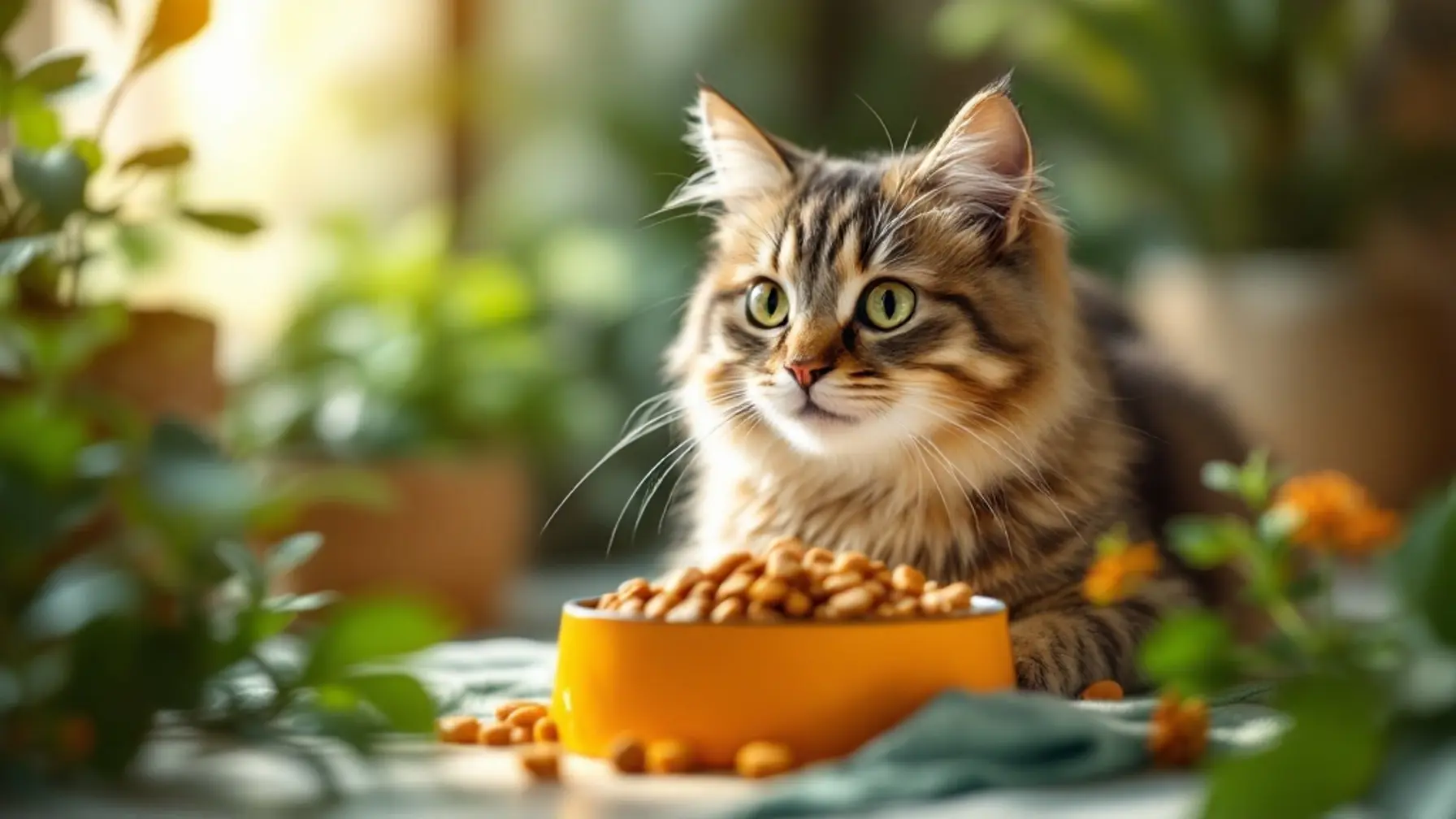
A kidney diet for cats is vital for slowing the progression of kidney disease and improving your furry friend’s quality of life. The right renal cat food significantly aids therapy by minimizing stress on weakened kidneys while supplying all essential nutrients. But how do you select the best options so your cat can stay healthy for as long as possible?
Table of Contents
- What is a kidney diet for cats?
- Why is renal cat food important?
- Key factors when choosing renal cat food
- Top renal cat food brands
- Essential nutrients in renal cat foods
- Tips for transitioning your cat to a kidney diet
What is a kidney diet for cats?
A kidney diet for cats, also known as a renal diet or a diet for chronic kidney disease, is a specialized nutrition plan developed to minimize strain on diseased kidneys, slow disease progression, and improve the cat’s quality of life. A cat’s kidneys filter toxins from the blood, regulate fluids and electrolytes, and maintain the body’s acid-base balance. When they fail, waste products build up in the body that would normally be excreted, so a kidney diet is designed to reduce the load of these byproducts and provide all the nutrients your cat needs in a form that’s easy and safe for weakened kidneys. This is not a “light” or “preventive” supermarket food, but a therapeutic part of medical management — veterinarians see kidney diets almost as medicine, used alongside other treatments for chronic kidney disease.
The key feature of a cat kidney diet is its special formulation — notably different from regular maintenance cat foods. First, the phosphorus content is reduced, since high blood phosphorus accelerates kidney damage; renal diets use ingredients naturally lower in phosphorus and often include phosphorus binders. Second, the protein content is moderate, and is primarily high-quality animal-based protein, sometimes supplemented with essential amino acids — the goal is to maintain your cat’s muscle mass while limiting the extra nitrogen compounds diseased kidneys struggle to excrete. Third, kidney foods contain added omega-3 fatty acids (such as from fish oil) for anti-inflammatory benefits and to support blood flow through the kidneys, plus antioxidants like vitamin E or C to help reduce kidney tissue oxidation. Sodium is carefully adjusted—typically, moderately reduced to help control blood pressure seen in feline kidney disease, but not so low as to cause electrolyte imbalance. Potassium, magnesium, and other minerals are also precisely regulated due to frequent imbalances in cats with kidney issues. In practice, a renal diet means more than just choosing the right food: opt for wet food to boost water intake, encourage drinking by using fountains or diluting food, avoid extra treats outside the recommended food, and add supplements only after consulting your vet. That’s why, when chronic kidney disease is diagnosed, vets usually recommend switching to a renal diet as the foundation of treatment, explaining that it’s for long-term or even lifelong use—not just a short-term fix.
Why is renal cat food important?
For a cat with chronic kidney disease, choosing a specialized renal food is not just a matter of taste—it’s a critical part of therapy, as fundamental as prescribed medications. The kidneys filter waste, regulate fluids and blood pressure, and produce certain hormones, so when they fail, a cat’s body quickly suffers. Even high-quality regular food often contains too much phosphorus and more protein than impaired kidneys can safely handle. Renal diets are designed to minimize toxins, slow disease progression, and relieve symptoms like weight loss, lethargy, appetite loss, or vomiting. Correctly lowered phosphorus levels are vital—excess phosphorus speeds up kidney tissue damage and secondary health problems. Consistently feeding low-phosphorus food helps slow kidney deterioration and reduces risk of further tissue calcification and degeneration, directly affecting how quickly the disease advances. Protein quality and controlled amounts matter—renal food isn’t “protein-free” but must be highly digestible and provided in just the right amount for tissue repair without overwhelming nitrogen waste production. This strategy decreases uremic toxins in the blood, minimizing classic kidney symptoms such as poor appetite and bad breath.
Another reason renal diets matter is their role in maintaining hydration and supporting the overall well-being of cats with kidney disease. Cats with chronic kidney failure often experience increased thirst and water loss in urine, accelerating dehydration and electrolyte disturbances. Renal recipes, especially wet varieties, help boost fluid intake, and balanced sodium and potassium support stable fluid balance. Many renal diets also contain increased omega-3s (EPA and DHA) to reduce inflammation, improve kidney blood flow, and slow further degeneration. Antioxidants like vitamin E and C, or certain plant compounds, help counteract oxidative stress, which is a driver of ongoing kidney cell damage. A carefully balanced renal food helps address multiple issues—from malnutrition and muscle loss to gastrointestinal troubles or secondary hypertension. A practical bonus: most renal foods are highly palatable, as manufacturers focus on flavor and texture since cats with kidney disease often lose their appetite, and too little food intake quickly worsens their condition. Ultimately, the right renal diet not only “lightens the load” on the kidneys but also ensures owners can reliably keep their cat eating, maintaining a healthy weight and better overall condition. The result? An appropriate renal diet becomes one of the cornerstones of long-term disease management, helping cats with failing kidneys stay comfortable for months or even years.
Key factors when choosing renal cat food
Selecting the right renal food for a cat with kidney disease requires more than just picking up a product labeled “renal” or “kidney.” Carefully read the ingredients list, nutritional analysis, and manufacturer recommendations—and always compare them with your vet’s advice. Pay close attention to phosphorus content—it should be clearly lower than in regular foods, usually between 0.3-0.6% of dry matter, depending on disease stage and individual needs. Protein is also important—not drastically restricted, but provided as high-quality, easily digestible animal protein, supplying muscle-building nutrients without generating excessive nitrogenous waste. Look for explicitly named protein sources like meat, organs, or fish, and avoid vague “animal by-products” or excess plant proteins. Sodium should be reduced or moderate to avoid exacerbating hypertension, and potassium content adjusted to prevent dangerous imbalances. Also, check for added omega-3s (ideally from fish oil) for anti-inflammatory and kidney-protective effects, and antioxidants such as vitamin E, C, selenium, or plant extracts to help reduce kidney-related oxidative stress. Some renal foods contain added prebiotics or gentle fiber (like FOS, MOS, or psyllium) to support digestion, which is helpful since cats with chronic kidney disease are prone to diarrhea, constipation, or appetite fluctuations. Where there is co-existing diabetes, obesity, or allergies, also consider carbohydrate content, types of grains, and protein sources.
Food format is critical—wet, dry, or a mix. Wet renal diets are usually preferred, as they provide more water and reduce toxin concentrations in the blood. Dry renal food can supplement but usually shouldn’t be the sole diet for advanced cases. Consider not just the nutritional panel but also flavor and texture: the food must be appealing, especially for picky eaters, as the best kidney diet in the world won’t work if your cat refuses it. Sometimes it takes trying several brands or flavors, always transitioning gradually over a week or two rather than making an abrupt switch, to minimize digestive upset or rejection.
Make sure you’re choosing a complete and balanced food—not just a supplement—so it can provide all the necessary vitamins, minerals, and energy. Complementary foods require careful mixing, which risks disrupting the delicate balance of key nutrients. Check for dosage guidelines by weight, but remember these are starting points only—cats with kidney issues may have very different appetites or energy needs. Regularly monitor your pet’s weight, coat, and activity, adjusting portions or diet in consultation with your vet. It helps if the brand clearly states which stage of kidney disease the food is tailored for (early, advanced, etc.), as needs may change over time. Other practical concerns include renal food availability, variety of formats and flavors (pâté, chunks in sauce, mousse, kibble), ability to mix wet and dry foods from the same brand, and package size to keep food fresh. For picky eaters, smaller cans or pouches are handy for always offering a fresh meal. Choose reputable renal food manufacturers specializing in veterinary diets with proven clinical efficacy and a clear, transparent ingredient policy. Look for inclusion on veterinary recommendation lists as a reliability indicator. Ultimately, the ideal renal diet matches your vet’s customized treatment plan, is backed by test results, and suits your cat’s age, weight, other health issues, and taste preferences—so routine monitoring and real-world reaction should always guide your final decision.
Top renal cat food brands
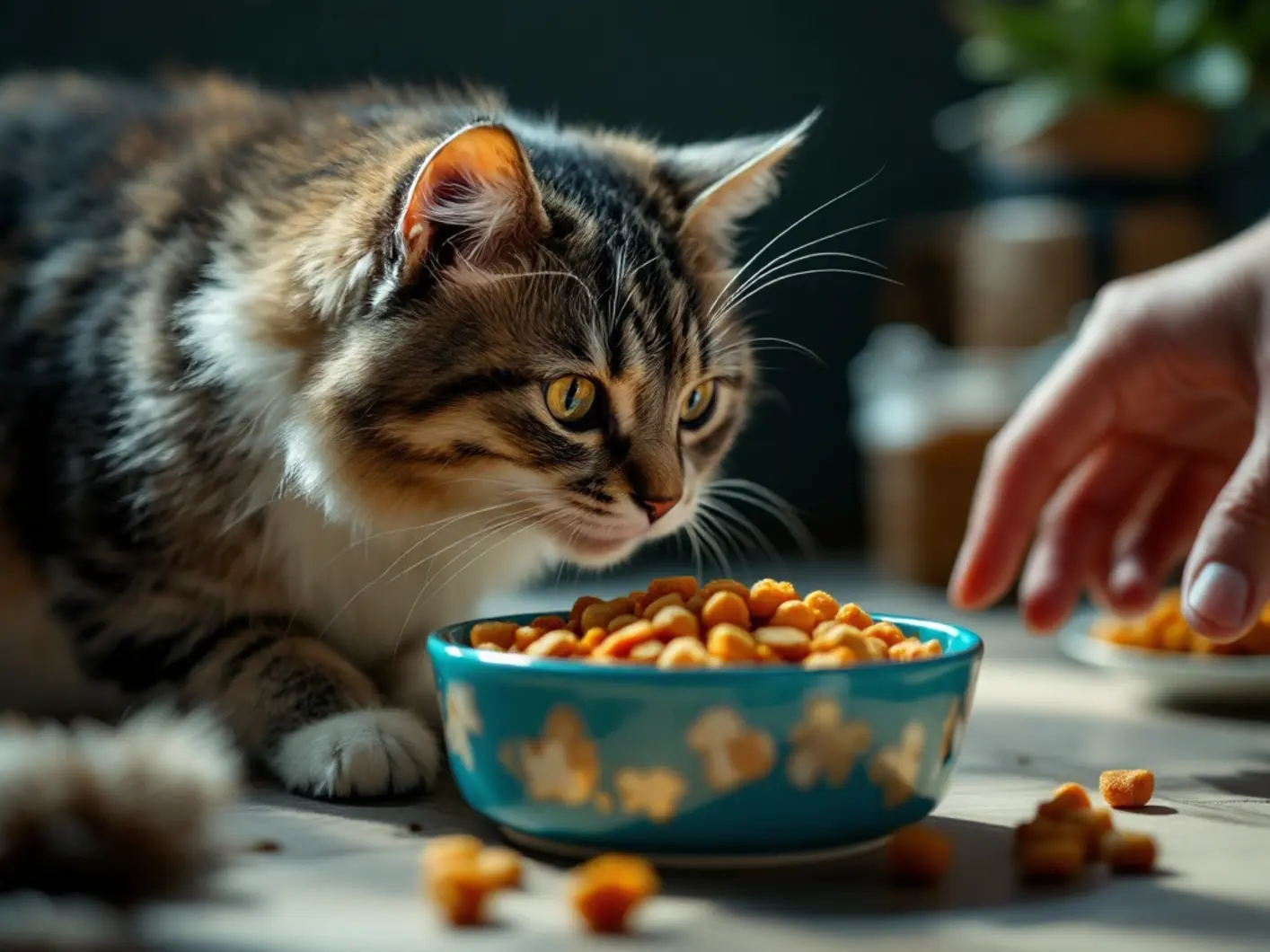
When selecting renal cat food, it pays to choose established, specialized brands with proven experience in feeding cats with chronic kidney disease and that conduct their own clinical research. The most commonly vet-recommended options include Royal Canin, Hill’s Prescription Diet, Purina Pro Plan Veterinary Diets, Specific, Farmina Vet Life, and Trovet. Royal Canin’s Renal line is available in a wide variety of wet and dry formulas and flavors (like chicken, beef, or tuna), as well as “Special” and “Selection” lines for especially picky cats or those with digestive sensitivities. These recipes feature low phosphorus, highly digestible animal protein, and extra omega-3s (EPA/DHA) supporting healthy kidney circulation and anti-inflammatory effect. Hill’s Prescription Diet’s k/d line, found as both dry and wet food, often distinguishes between formulas for “Early Stage” and “Advanced Care.” Hill’s formulas are based on scientific studies and prioritize both kidney support and muscle mass maintenance, with appetite-boosting ingredients. Purina Pro Plan Veterinary Diets NF Renal Function is another popular option, known for very low phosphorus, reduced but high-quality protein, and added omega-3 oils. This brand is especially often chosen for cats with picky appetites or sensitive digestion, as their formulas are easy to tolerate by many sensitive cats.
Specific (lines such as FKW, FKW-P, FKWJ) is another notable brand specializing in veterinary diets, offering food with tightly controlled phosphorus and protein and added fish-sourced omega-3s, plus balanced B vitamins for cats with compromised kidney function. These recipes are straightforward and transparent, making them a smart choice for cats with digestive troubles or food intolerances. Farmina Vet Life Renal appeals to owners seeking a more “natural” ingredient list, using selected raw materials and minimal technological additives; their recipes focus on reduced phosphorus, moderate protein, and higher fat content to spare the kidneys while meeting calorie needs. Trovet Renal & Oxalate is designed not only for cats with kidney disease but also those prone to forming oxalate stones – recipes here feature reduced phosphorus, calcium, and vitamin D, plus urine-acidifying properties for cats with concurrent urinary concerns. No matter the brand, remember renal diets are medical therapeutic foods, intended only for pets diagnosed by a vet, with usage monitored by a professional. When picking a brand, consider nutritional parameters (phosphorus, protein, sodium, omega-3s, antioxidants), as well as practical factors: availability, bulk buy versus individual pouches, wide flavor selections (helpful for switching when your cat gets bored), and format (pâté, chunks, kibble). Since poor appetite is common, in real life, “the best brand” is the one your individual cat will reliably eat—so many vets and owners try 2–3 renal brands to find the best balance of medical requirements, your cat’s taste, and practical or budget constraints.
Essential nutrients in renal cat foods
A therapeutic kidney diet for cats is based on a uniquely calibrated profile of nutrients that’s very different from a standard maintenance food. In renal cat foods, the most critical factor is reduced phosphorus, since excess accelerates kidney deterioration, aggravates kidney tissue damage, and can trigger secondary parathyroid disease. Quality renal diets contain phosphorus at the lower end or just below normal cat requirements, but never to the point of creating deficiencies. The total amount of protein is also limited, but, crucially, its digestibility and animal origin matter: cats with kidney disease should get mainly high-quality animal proteins to maintain muscle and heal, while not overloading their kidneys with excess waste. Manufacturers use high-grade muscle meats, organs, and eggs to limit problematic byproducts but provide all needed amino acids. Sodium is moderately reduced to ease strain on the circulatory system and avoid hypertension without diminishing taste. Potassium must be balanced, since cats with advanced kidney disease can develop low potassium, so premium renal diets often contain extra potassium for healthy heart and muscle function.
Beyond macro- and micronutrient control, renal diets include protective compounds. Key among these are omega-3 fatty acids (EPA/DHA), mostly from fish oil, with anti-inflammatory properties that support blood flow and help slow kidney tissue scarring. A good kidney diet contains notably more omega-3s than standard foods, while balancing the omega-6:omega-3 ratio. Antioxidants (vitamin E, C, selenium, natural plant extracts like rosemary) further combat oxidative stress that worsens kidney damage. Digestibility is vital, so renal food often uses gentle fat sources, careful processing, and limits hard-to-digest carbs. Carbohydrates act as a secondary energy source, sparing muscle protein. Moderate fiber, sometimes with prebiotics (FOS, MOS), supports gut health and binds some toxins in the GI tract. B vitamins are provided at increased levels to offset losses through urine (common with excessive urination), supporting metabolism and appetite. Renal foods supply the full pack of required vitamins and minerals in bioavailable forms to prevent deficiencies. And, finally, palatability remains critical: only foods that combine dietary restrictions with appealing flavor and texture ensure your cat eats well enough to benefit from the diet – so choose formulas that entice your cat to eat regularly, even with kidney problems.
Tips for transitioning your cat to a kidney diet
Switching a cat with chronic kidney disease to a kidney-support diet should be a deliberate, gradual process to minimize stress and reduce food refusal. Always start with a vet consultation, based on your cat’s blood, urine, ultrasound exams, and general health—they’ll advise exactly when, which food type (wet, dry, or combo), and if you need to combine specialty diets (e.g., for liver, bladder). Once your plan is set, get small packs or a variety of renal diet flavors (same brand to minimize digestive risks), create a calm feeding spot, and plan on a 7–14 day transition—longer for the pickiest cats. Begin by mixing a small portion of renal food (10–20%) into your cat’s usual diet, increasing the kidney food and decreasing the old food every 1–2 days. For the first days, their bowl will be mostly the old food, with only a little renal food added. Only after a week or two should you reach 100% renal diet. Don’t introduce multiple new brands at once, as this makes it hard to track tolerance and taste. Cats with nausea or appetite loss may need vet-prescribed anti-nausea meds, stomach soothers, or phosphorus binders to make the switch more comfortable. Cats are sensitive to food temperature and texture, so try renal food warmed to room temperature, mashed with a fork, diluted with warm water, or gently stirred—often, these adjustments help. Feeding frequent, small meals in a quiet spot, away from other pets, can boost appetite and lower stress for sensitive cats. Never let a kidney cat fast—if your cat goes 24 hours without eating, or consistently eats too little, call your vet and revert to a more gradual transition; don’t force sudden changes.
A common problem when switching to a kidney diet is fussiness or low appetite due to the disease and the distinctive (lower protein and phosphorus) taste and smell of renal foods. Try to avoid giving extra treats or human food outside planned meals, as it can undermine their motivation to eat medical food; approved “toppers” (for example, a few drops of gravy from another renal pouch or a small chunk of renal food in a different flavor, ONLY if your vet agrees) can make meals more tempting without disrupting the balance. Carefully watch for side effects: diarrhea, vomiting, lethargy, spikes in thirst, or sudden coat/condition declines. Weigh your cat weekly in the first weeks after starting the kidney diet, and track how much they eat—report any concerns promptly to your vet. Usually, the majority of daily intake should be in wet renal food, with only a small dry food supplement if appropriate; this aids hydration and is better tolerated by most cats with kidney disease. If your vet allows a mixed diet, clarify the proportions—e.g., 70% wet to 30% dry—and keep to recommended calorie intake. In some cases, if a cat totally refuses full renal intake, a vet may suggest partial feeding with good quality maintenance food—not ideal for kidney numbers, but better than malnutrition. Always ensure fresh water is easily accessible, consider a cat fountain, and, with vet approval, add a little warm water to wet food for extra fluids. Transitioning a cat to a kidney diet requires patience, consistency, and ongoing collaboration with your vet, who will adapt the plan based on health checks and your cat’s response to chosen renal foods.
Summary
A kidney-support diet, especially when based on medical renal food, can greatly improve a cat’s quality of life. For the best results, focus on renal foods with low protein and phosphorus plus kidney-healthy additives. Compare top brands on the market and always consult your veterinarian before making changes. Proper nutrition for a cat with kidney disease supports comfort and slows progression, giving your cat the healthiest life possible.

