

Older cats require special care, dietary adjustments, grooming, and health observation. Learn how to recognize signs of aging, ensure your senior cat’s comfort, and take care of their well-being for many years to come.
Learn how to care for a senior cat. Discover the signs of old age, nutritional recommendations, and practical tips to help your cat enjoy good health.
Table of Contents
- When does a cat become a senior – the first signs of aging
- The most important needs of a senior cat
- Diet and nutrition for older cats
- Veterinary care and disease prevention
- Daily care and the quality of life for a senior cat
- Emotional support – how to ensure your pet’s well-being
When does a cat become a senior – the first signs of aging
For cats, the boundary between adulthood and senior age is more fluid than it might seem. It is generally accepted that a cat enters mature age around 7–8 years old, and is considered a senior from about 10 years old. However, in many animals, the first signs of aging can be seen earlier—especially if they have suffered from chronic diseases or were overweight in the past. Keep in mind that indoor cats, living in stable and safe conditions, often age more “slowly” compared to stray cats, exposed to stress, injuries, or infections. Aging does not happen overnight—it is a process that develops gradually and affects the entire body: the circulatory system, eyes and hearing, joints, kidneys, liver, brain, and immune system. An attentive owner may notice the first subtle signals that a cat is no longer an energetic “teenager” and needs a different approach: more frequent check-ups, a tailored diet, and a calmer lifestyle. One of the earliest and easiest-to-notice signs is a change in activity level—a cat that used to readily jump onto wardrobes or window sills may begin to avoid high places, think longer before jumping, or stop jumping altogether. The owner may get the impression that the pet has become “lazy,” sleeps more than before, initiates play less often, and gets tired quickly during play with a wand or ball. Often, the cause is the onset of degenerative joint changes (osteoarthritis), which lead to limb stiffness, reluctance to move, or even aggressive reaction to touch near the hips or spine. With age, coat quality also deteriorates—the fur may become duller, rougher, and prone to matting, particularly on the back and around the rump. Some older cats stop grooming themselves as thoroughly, often due to limited mobility (pain when bending the spine), overweight, or simple fatigue; this can cause dandruff and an unpleasant odor. The color of the fur may lighten slightly, and a few gray hairs may appear, mainly on the muzzle, but it’s not as dramatic as in dogs. Another important indicator is body weight—many owners mistakenly think “a fat cat is a healthy cat,” but in seniors, both overweight and sudden weight loss are warning signs. Extra kilos strain the joints, heart, and respiratory system, increase the risk of diabetes and liver issues, and may make it harder for older cats to keep clean. On the other hand, uncontrolled weight loss in a senior cat may indicate chronic kidney disease, hyperthyroidism, dental problems, cancer, or malabsorption in the digestive tract. Therefore, regularly weighing your cat—e.g., once a month—and monitoring body condition (are the spine and pelvic bones protruding, are ribs easily palpable) is a simple and effective way to catch the first signs of deteriorating health.
Apart from physical changes, behavioral and sensory symptoms can be just as clear. An older cat may become more anxious, alert, or—conversely—apathetic and withdrawn. Frequently, there is an increased need for closeness: the pet seeks contact more often, demands petting, spends more time on its owner’s lap, and purrs more intensely. However, sometimes there is irritability toward excessive stimuli, loud noises, or guests. Behavioral changes may be due to pain (e.g., joints, teeth) or progressive loss of hearing or sight. A cat with impaired hearing may not respond to being called, seem “in its own world,” and can be startled easily from behind. Animals with decreased vision may struggle to judge distance, take longer before jumping, occasionally stumble over objects, avoid dark rooms, and may see poorly in low light—so it’s worth providing good lighting and not rearranging furniture suddenly. Another group of symptoms are those related to litter box habits and daily routines. A senior cat may urinate more often, drink more water, or, conversely, use the litter box less often due to pain when entering a high tray. Sometimes, older cats have “accidents” outside the litter box—the cause could be kidney disease, cystitis, age-related dementia, or anxiety. Sleeping and circadian rhythm also change: an old cat sleeps more, but its sleep is shallower and more interrupted; it may also confuse day and night. Caregivers often report nighttime meowing—loud, prolonged, sometimes plaintive—which can result from disorientation, pain, loneliness, or cognitive disorders resembling human dementia. Such behaviors should never be ignored or dismissed as “old cat quirks”; they are important signals that require veterinary diagnosis. Other subtle but important signs of aging include slower wound healing, increased susceptibility to infections, more frequent vomiting or diarrhea, bad breath, tartar, swollen gums, and changes in appetite—from pickiness and eating small meals to bouts of ravenous hunger, typical of hyperthyroidism, for example. Careful, systematic observation of your cat’s everyday habits—how much it eats, drinks, moves, where it sleeps, and how it reacts to household members—helps catch early symptoms of aging and distinguish them from “normal” energy decline. The sooner an owner notices worrying signs and consults a specialist, the greater the chance of implementing suitable prevention, treatment, and adapting the home environment so the senior can be comfortable as they age.
The most important needs of a senior cat
A senior cat has different needs than a young, energetic animal—even if it still “looks the same.” The body gradually slows down, organ performance decreases, and senses are not as sharp. At the same time, an older cat remains very sensitive to stress, changes in its environment, and lack of security, so its well-being now depends not only on appropriate nutrition but also on a calm, predictable environment. A senior cat’s basic need is regular, preventive veterinary care—at least one visit per year, often every 6 months, including blood and urine tests, weight and dental checks, and blood pressure measuring. This allows for early detection of conditions such as chronic kidney failure, hyperthyroidism, diabetes, or hypertension, which are much more common in older cats. Senior cats also require a carefully selected diet tailored to their health: usually with more high-quality protein, balanced phosphorus levels, omega-3 fatty acids, and easily digestible nutrients. It’s important to monitor appetite, hydration (many seniors drink too little), and stool consistency—any changes may be the first warning sign of illness. As cats age, temperature comfort becomes more important—older cats get cold easier, so they’ll appreciate soft, warm beds away from drafts; it’s worth providing several quiet, peaceful places to rest at various heights but with easy access, without requiring big jumps. Gentle assistance with grooming is also needed: regular brushing, inspecting the skin, ears, and eyes, and, if necessary, cleaning the eye area or muzzle, as joint stiffness and any pain can make it hard for your cat to groom itself properly.
An extremely important—though often overlooked—need of a senior cat is a sense of security and a predictable daily routine. Older cats are less able to adapt to changes—frequent rearrangements, noise, new household members, or frequent owner absences can increase stress, anxiety, and behavioral problems. That’s why it’s so important to keep fixed feeding, play, and resting times, and to introduce any changes as gently as possible. A senior cat’s mental state strongly depends on being able to display natural feline behaviors: hunting (through play), observing the world from a safe place, scratching, and marking its territory. While older cats may play for shorter, less intense periods, they still need short play sessions, adapted to their abilities, several times a day—this is not only exercise but also mental stimulation that helps delay cognitive decline. Another key part of the environment is easily accessible litter boxes—often larger, with lower entry, so a cat with arthritic joints can enter comfortably; sometimes, you may need to place an extra box nearer a favorite resting spot. Senior cats also need more attentive care—a calm presence, gentle but not overbearing contact, and respect for their boundaries. Some seniors become more affectionate and seek closeness, others prefer more space—respect for individual preference is crucial. Make sure they have safe opportunities for physical activity: facilitate climbing on furniture with stairs or low shelves, secure balconies and windows to prevent falls, and maintain body weight to avoid both obesity and dangerous weight loss. Above all, a senior cat needs a patient, attentive owner who regularly watches their behavior, appetite, movement, and sleep, responding to subtle changes—because it’s those small signals that most often reveal an aging body in need of extra support.
Diet and nutrition for older cats
A senior cat’s diet should be primarily adapted to their actual health condition, not just their age in the calendar. An older cat’s body works more slowly, metabolism slows down, and the predisposition to certain diseases—such as chronic kidney failure, diabetes, liver, thyroid, or joint problems—increases. That’s why regular diagnosis (including blood and urine analysis) is fundamental, based on which the vet will recommend the appropriate feeding type: a senior maintenance diet, a specialized food (e.g., for kidneys, liver, joints), or mixed feeding. In most cases, a senior cat needs high-quality animal protein that is well-digestible and does not overly burden the kidneys or liver. A diet too low in protein can result in the loss of muscle mass (sarcopenia), which in turn affects movement, immunity, and general vitality. At the same time, monitoring phosphorus, sodium, and fat content is important—some seniors gain weight easily, others conversely begin to lose weight despite seemingly good appetite. Monitoring body weight monthly allows you to react early: change food caloric density, adjust portion sizes, or introduce additional meals if needed. In practice, many seniors do well with smaller but more frequent feedings—it’s gentler on the digestive system, stabilizes blood glucose, and can improve the cat’s mood.
Equally important as the ingredients is the form of the food. With age, dental problems may arise: tartar, gum inflammation, loose, or missing teeth. Hard food may be painful or hard to chew, making the cat reluctant to eat or swallow kibble whole. Senior cats are often recommended wet food—pouches, cans, pate—with a high meat content. These are easier to eat and provide extra water, which is vital for kidney and urinary tract health. If even wet food is difficult for the cat to eat, you can further mash it with a fork, mix it with a little warm water, or animal broth (without salt or spices) to achieve a mousse consistency. For dry food, consider partial soaking. Proper hydration is crucial: many older cats drink too little, so fountains with filters, water bowls in several rooms, adding water to food, or providing meat broths (without spices) are recommended. Monitoring body weight and condition should always be linked to adjusted energy intake: for “couch potato” cats that sleep most of the time, a lower-calorie diet is best, while for cats losing weight, the priority should be boosting food energy density and meal appeal. Pay attention to functional ingredients: omega-3 fatty acids (EPA and DHA) have anti-inflammatory effects and support joints and the brain, taurine is essential for the heart and vision, glucosamine and chondroitin help the joints, and prebiotics and fiber support gut health and motility, which helps with constipation (common in less active seniors). Always introduce new food gradually over 7–10 days, mixing it with the old food—this allows the cat’s digestive system to adjust, and you’ll spot any intolerances (diarrhea, vomiting, excessive gas). Observe if your cat eats the whole portion, if their taste preferences have changed, or if there are signs of pain, discomfort, or nausea (drooling, lip-smacking, walking away from the bowl): this allows you to adjust your feeding routine and keep your senior cat in the best shape.
Veterinary care and disease prevention
As a cat ages, regular and well-planned veterinary care becomes vitally important—it often determines whether a senior will have a long, comfortable life. For an adult, healthy cat, an annual visit often suffices; for cats over 8–10 years, specialists typically recommend check-ups every 6 months, even if the animal “looks fine.” An aging body compensates for disturbances less effectively, so many diseases—particularly of the kidneys, heart, thyroid, or cancer—may remain hidden for a long time. Routine “check-ups” for a senior cat should include: a thorough history with the owner (changes in appetite, drinking, behavior, body weight, litter box habits), clinical exam, assessment of body weight and muscle condition, and at least annually, basic blood work (morphology, biochemistry for kidney and liver function) and urine analysis. In many cases, the vet may also recommend blood pressure measurement, stool analysis for parasites, and, if dental problems are suspected, a thorough oral assessment under anesthesia including dental X-rays. Regular diagnosis helps catch early stages of chronic conditions and start treatment before irreversible organ damage occurs, translating directly into a cat’s quality and longevity. Prevention in seniors also includes updating vaccination schedules—depending on lifestyle and risk of contact with other animals, the vet may recommend a full vaccination program or a simplified scheme that still protects against infectious diseases. Keep in mind that some infections may be especially dangerous for older, immunocompromised cats, so do not skip vaccines on your own. Regular protection against internal parasites (deworming with the right medication after assessing risk or checking stool) and external ones (fleas, ticks, lice) is also crucial—even if your cat doesn’t go outside, it can be exposed to parasites brought in on your clothes or shoes.
In terms of disease prevention for senior cats, those organs and systems most often “failing” with age require particular attention. Chronic kidney disease, hyperthyroidism, diabetes, heart disease, osteoarthritis, cancer, and dental and gum diseases are especially common in older cats, so owners should know their early symptoms and warning signs. These include: increased thirst and urination, sudden weight loss or gain, increased or much decreased appetite, unpleasant mouth odor, drooling, difficulty chewing, coughing, shortness of breath, rapid fatigue, stiffness, reluctance to jump, as well as changes in behavior: disorientation, sudden nighttime meowing, withdrawal, or excessive vocalization. Any of these symptoms is a signal for a prompt veterinary consultation. Apart from basic diagnostics, for older cats, the vet may propose “targeted” tests: echocardiogram and EKG for suspected heart disease, abdominal ultrasound to check internal organs and look for tumors, thyroid hormone tests (T4, or fT4), and specialist tests for suspected pancreas or intestinal diseases. Modern prevention also includes dental care—regular tartar removal under anesthesia, if there are no cardiac or kidney contraindications—and body weight control, which is one of the simplest, cheapest “tests” you can do at home. Cooperation between owner and veterinarian is critical: reliable updates about all changes, following recommendations (diet, medicines, supplements, modifications in the environment), and keeping regular appointments. You may also keep a cat health diary, recording test results, current medications, deworming and flea/tick prevention dates, and vaccinations—this helps the vet make good decisions. Mental well-being cannot be neglected—reducing stress (gentle introduction of changes at home, safe hideaways, gentle handling, synthetic pheromones when needed), proper mental and physical stimulation, and a predictable daily routine support the immune system and reduce the risk of many disease flare-ups. With this comprehensive approach, veterinary care is no longer just a reaction to illness, but conscious prevention, allowing your cat to function comfortably as a senior for as long as possible.
Daily care and the quality of life for a senior cat
Daily care for a senior cat is primarily attentive observation and gentle support with activities the aging body begins to struggle with. As they age, cats spend more time resting and less on grooming, so it’s worth adding regular brushing—even if it wasn’t necessary before. Brushing 2–3 times a week removes dead fur, prevents mats, reduces hair ingestion, and lets you feel for lumps or painful spots that may need a vet’s attention. For long-haired or overweight cats, brush more often, using soft brushes or grooming gloves to avoid irritating sensitive skin. Eye and mouth care are also important—older cats may tear more, have more discharge, or dental issues, so gently wiping corners of the eyes with a moist pad and checking for bad breath or gum appearance should be daily routines. Some senior cats struggle with hygiene around the anus and genitalia—if soiling occurs, gently clean the area with a damp towel or pet wipe, avoiding strong detergents. Regular claw trimming is equally important, as seniors climb and scratch less, which can lead to overgrown claws, ingrown nails, and pain. Trimming every few weeks prevents injuries and makes it easier for the cat to move on slippery surfaces.
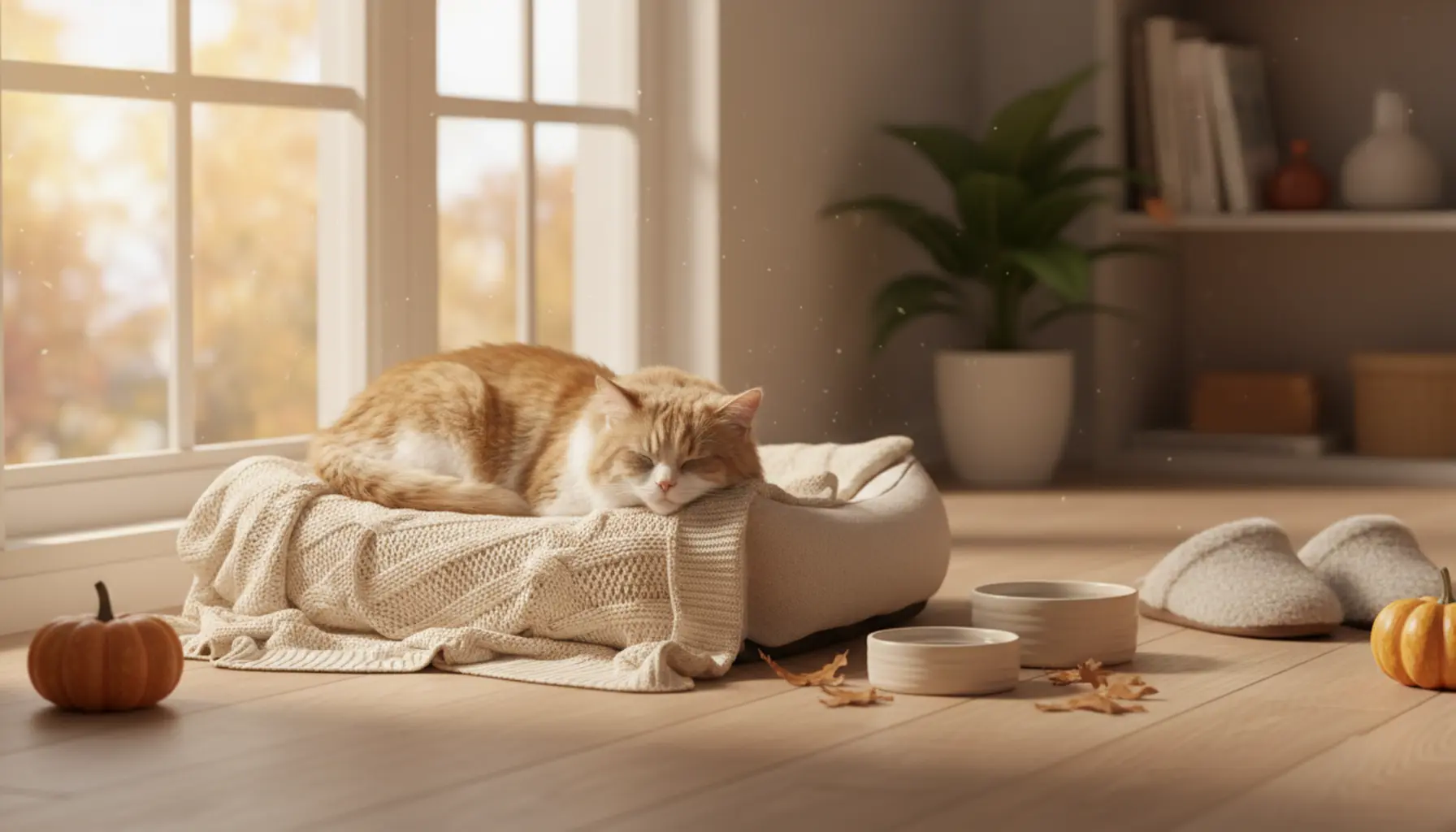
The comfort of a senior cat’s life greatly depends on a well-thought-out, safe, and predictable environment. With age, vision and hearing deteriorate, and cognitive function may decline; thus, cats need a clear spatial layout and as constant a routine as possible. Make sure key resources—food and water bowls, litter box, beds, scratchers—are easily accessible, without high jumps or steep stairs. Soft steps, ramps, or platforms that help a cat get onto the couch, bed, or windowsill—especially if it has arthritis—are helpful. Senior beds should be warm, soft, and joint-supporting—memory foam, thick cushions, or low hammocks work well and are easy to get off. During colder months, your cat will appreciate blankets, self-heating mats, or heated beds, but always have an option to leave to prevent overheating. Senior cats are more sensitive to drafts and abrupt temperature changes, so don’t place beds near terrace doors, leaky windows, or directly on hot radiators. Always ensure easy litter box access: boxes should have a low entry, be stable and positioned around the house if the cat is less mobile. Switch to finer, paw-friendly litter and clean boxes more frequently to reduce accidents—which usually signal pain, discomfort, or fear, not “spite.” A calm, predictable home atmosphere supports a senior cat’s psychological comfort—avoid loud noises, disruptive changes (moving, furniture rearrangement, new animals), and leave your cat quiet hideaways only it can access. At the same time, provide gentle stimulation—short, adapted play sessions with a feather, ball, or wand, scent-based toys and mats, and regular, gentle interaction with the owner all help maintain physical and intellectual abilities and prevent apathy. Many senior cats seek more closeness—demanding more petting or sleeping with or on their owner. Respect this, but always be aware: if your cat suddenly stops tolerating touch, avoids contact, or reacts aggressively to petting specific areas, it may indicate pain or illness that needs a vet’s evaluation. Adding a pheromone diffuser can be beneficial for reducing tension and supporting a sense of security, especially for cats with signs of disorientation, nighttime meowing, or separation anxiety.
Emotional support – how to ensure your pet’s well-being
Emotional support for a senior cat starts with understanding that their psychological needs change with age. Many older cats become more sensitive to stimuli, handle noise, strangers, and sudden environmental changes poorly. Others, on the contrary, seek contact more, cuddle, meow, and follow people around the home. Observe which “group” your cat fits—whether it withdraws into quiet hideouts or demands more attention. A stable, predictable daily routine acts as an emotional “anchor” for a senior cat—regular feeding, play, brushing, or evening cuddles reduce stress and give a sense of security. Try to keep the arrangement of furniture, feeding, bedding, and litter box locations as unchanging as possible, since a cat with weaker vision or cognitive problems may get confused by even minor changes. If change is necessary (renovation, moving, arrival of a baby or new pet), implement it gradually with extra attention, calm voice, and more safety signals (such as additional rituals or more frequent but short cuddling sessions).
An essential part of emotional support is the quality of interaction with the owner. The older cat may not always have the energy for intense play, but still needs human presence. Rather than short, rough interactions, rituals work better: a morning “greeting” with a few minutes of petting, lying in the same place together in the evening, gentle brushing combined with soft talking. Let the cat choose the level of contact—if it moves away, tenses up, or swishes tail or ears, give it space and don’t force it. Sensory over-reactivity is typical in seniors, so it’s best to stick to those spots the cat “offers” for petting (usually cheeks, neck, sometimes scruff) and avoid sudden touches near sore joints or lower spine. Use a calm voice, avoid shouting and rough gestures, and frequently give reassuring verbal cues (“coming now,” “here’s your bowl”) to help your cat anticipate what’s next and reduce anxiety. Do not punish elderly cats for behaviors that may be due to pain, fear, or disorientation, like nighttime meowing or accidents beside the litter box—instead, search for the cause (a checkup, seeing if the box is easy to access, or if the cat can enter it comfortably), and support your cat further: e.g., place a bed next to your bed that’s easy to enter or leave a nightlight on to help with orientation. Many senior cats respond well to synthetic pheromones in a plug-in diffuser: these mimic natural “safety signals,” help reduce anxiety, and ease adaptation to age-related and inevitable changes in their lives and health. Finally, emotional support also means regular, ability-appropriate mental stimulation: simple scent-based toys, slower feather wand hunting, puzzle mats with favorite treats, or simply observing the world from a safe windowsill. These let cats feel their life still has structure, meaning, and enjoyment, and the bond with their guardian remains strong—one of the key factors in your senior cat’s well-being later in life.
Summary
Caring for a senior cat requires particular attention to the animal’s changing needs. Regular observation, adapted diet, proper grooming, and routine veterinary check-ups allow you to spot worrying symptoms and improve your elderly cat’s comfort. Sensitivity, emotional support, and tenderness make a cat’s old age peaceful and happy, while your feline friend will continue to shower you with love every day.

